Running and Hiking With a Beagle
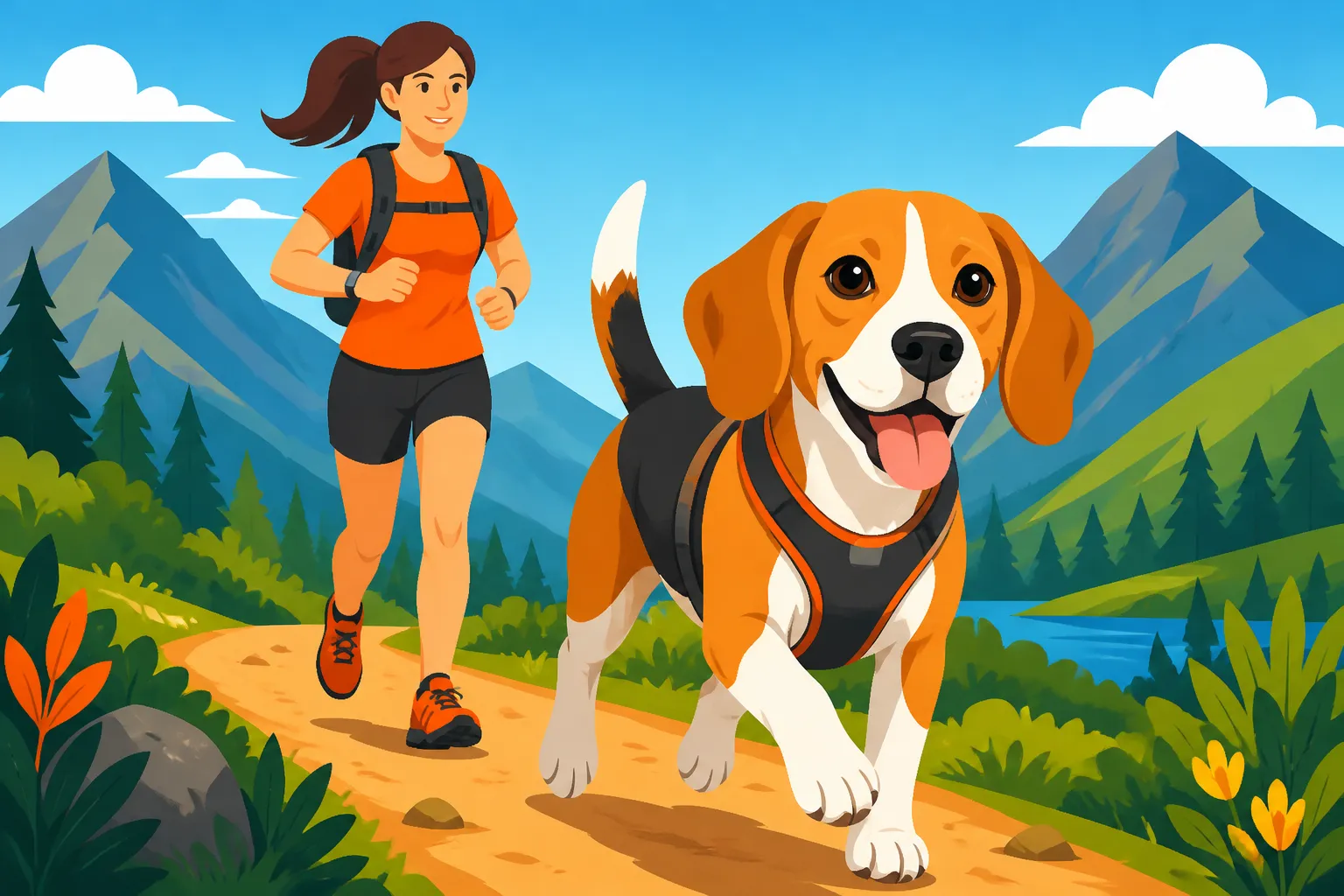
It's incredibly frustrating when you want to get out and enjoy the trails or hit the pavement with your energetic Beagle, but their powerful nose seems to have other plans, pulling them off course at every fascinating sniff. Many Beagle owners dream of a running or hiking companion, only to find their dog's instinct to follow a scent overrides everything else. This guide is here to help you bridge that gap, offering realistic strategies and practical advice to make running and hiking with your scent-driven Beagle a safe, enjoyable, and enriching experience for both of you.
Understanding Your Beagle's Unique Exercise Needs
Before you lace up your running shoes or strap on your hiking boots, it’s vital to truly understand what makes a Beagle tick, especially when it comes to physical activity. They aren't built like a greyhound for sprints, nor are they a mountain dog designed for scaling peaks, but they have their own incredible strengths. Tapping into these unique traits will make all the difference in your shared adventures.
The Scent-Driven Instinct
Let's be honest: a Beagle's nose is their superpower, and it’s also often the biggest "challenge" when you want to go for a focused run or hike. With over 220 million scent receptors, they literally perceive the world through their nose, constantly processing a rich tapestry of smells that we can barely imagine. This isn't stubbornness; it's instinct. When a Beagle catches a particularly intriguing scent, their brain is hardwired to follow that trail, to unravel its story, to find its source. This deep genetic programming makes sustained, head-up running a rare sight unless you're truly working with their nose.
For many owners, this means that a "run" with a Beagle might involve frequent stops, changes in direction, and a lot of pulling as they try to investigate every blade of grass. It's easy to get frustrated, feeling like your workout is constantly interrupted. However, once you embrace this inherent trait, you can begin to design activities that fulfill their natural drive while still providing you both with ample exercise. Think of it less as a continuous run and more as an intermittent, scent-rich exploration.
Energy Levels and Stamina
Beagles are hounds, and while their short legs might fool some, they possess remarkable stamina and endurance. They were bred to work all day in packs, tracking game across varied terrain. This means they're not content with a quick trot around the block; they need significant physical and mental exercise to be happy and well-adjusted. A bored Beagle is often a destructive or vocal Beagle, leading to behaviors like incessant baying or chewing that can drive even the most patient owner mad.
Their energy levels are generally consistent, though they might have bursts of speed, especially if a rabbit suddenly crosses their path. They can certainly cover long distances, making them suitable for longer hikes, as long as the pace accommodates their sniffing tendencies. The key is to channel this energy productively. Without an outlet for their physical and mental drive, all that pent-up energy can manifest as an unruly house dog. Providing ample and appropriate exercise isn't just a nicety; it's a fundamental requirement for a Beagle's well-being.
Physical Build and Limitations
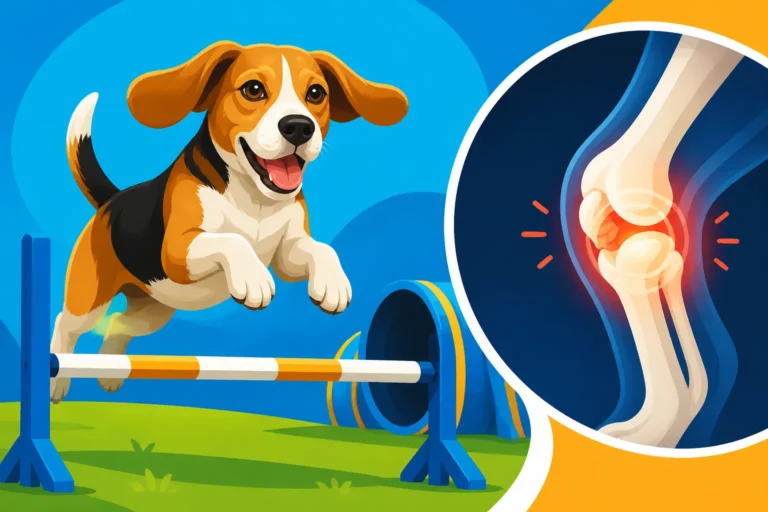
While Beagles are hardy dogs, their physical build does present some considerations for high-impact activities like running and extensive hiking, particularly as they age. Their slightly long back, while sturdy, isn't designed for the repetitive jarring of concrete running or leaping over large obstacles on a trail. Just like any breed, they can be prone to Beagle Hip Dysplasia and Everyday Joint Wear or Beagle Back Problems and Intervertebral Disc Disease if not properly conditioned and cared for.
Their short legs mean they have to work harder to keep up with a human's running pace, and continuous high-speed running on hard surfaces can put undue stress on their joints, especially their elbows, hips, and spine. It's crucial to be mindful of their body's limits. Opting for softer surfaces, like dirt trails or grass, whenever possible, and incorporating varied movements rather than constant straight-line running, can help protect their joints long-term. Always remember to consider their age and overall health; a young, well-conditioned Beagle might handle more than an older one or a puppy whose growth plates haven't closed.
Preparing Your Beagle for Running and Hiking
Embarking on new adventures with your Beagle requires careful preparation. Just like a human athlete, your dog needs to be conditioned, trained, and fueled properly to enjoy and safely participate in running and hiking activities. Skipping these steps can lead to injury, frustration, or even dangerous situations.
Gradual Conditioning
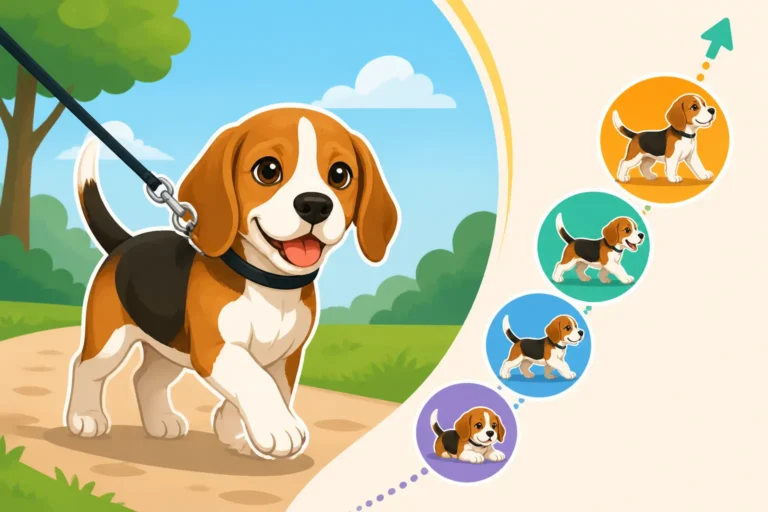
You wouldn't run a marathon without training, and neither should your Beagle. Starting any new exercise regimen requires a gradual approach to build stamina, strengthen muscles, and toughen paw pads. Rushing into long runs or challenging hikes can lead to pulled muscles, sore joints, or damaged paws. Begin with short, brisk walks, gradually increasing the duration and intensity over several weeks or even months.
For running, start with intervals of walking and gentle jogging. For example, jog for 30 seconds, then walk for 2 minutes, repeating for a total of 15-20 minutes. Slowly increase the jogging time and decrease the walking time as your Beagle's fitness improves. Pay close attention to their breathing, gait, and overall enthusiasm. If they're lagging, panting excessively, or showing signs of discomfort, it's time to slow down or call it a day. Remember that consistency is more important than intensity in the early stages. This slow build-up is essential, especially when you consider How Much Daily Exercise a Beagle Really Needs to stay fit without overdoing it.
Obedience and Recall Training
This is perhaps the most critical component of preparing your Beagle for off-leash (where permitted and safe) or long-line adventures. A Beagle's powerful nose can be a liability if they lack reliable recall. Imagine hitting a beautiful trail, only for your Beagle to catch the scent of a deer and vanish into the woods. It's a terrifying scenario many Beagle owners fear, and for good reason. Why a Beagle Should Never Be Off Leash Unfenced is a lesson learned the hard way by many.
Focus intensely on recall training, starting in a low-distraction environment and gradually increasing the difficulty. Use high-value treats and make coming back to you the most rewarding thing in their world. Practice different recall words or a whistle to ensure you have multiple cues. Beyond recall, a solid "leave it" command is invaluable to prevent them from eating questionable items on the trail, and a strong "stay" can be a lifesaver at tricky intersections. Working on Building Beagle Recall Before the Nose Takes Over is an ongoing process that pays dividends for their safety and your peace of mind.
Nutrition and Hydration
An active Beagle needs appropriate fuel and plenty of water. Their diet should be high-quality and balanced, providing sufficient calories to support their increased energy expenditure without leading to weight gain. Consult with your veterinarian to determine the right calorie intake for your dog's activity level and age. Brands like Ollie offer personalized fresh food plans that can be tailored to an active dog's needs, while staples from Chewy provide many excellent options for high-quality kibble.
Hydration is equally important. Always carry fresh water for both you and your Beagle, especially on runs or hikes. Portable dog bowls or water bottles with built-in dispensers are incredibly useful. Offer water frequently, even if your Beagle doesn't seem thirsty. On longer excursions, plan water stops or consider routes with natural water sources (though always ensure they are safe for drinking). Dehydration can quickly become a serious problem, particularly in warmer weather. A well-hydrated dog performs better and recovers faster.
Safety First: Essential Considerations for Active Beagles
When you're out exploring with your Beagle, their safety has to be your top priority. Their curious nature and powerful scent drive can lead them into tricky situations if you're not vigilant. Planning ahead and implementing smart safety measures will ensure your adventures are fun, not frightening.
Weather and Terrain Awareness
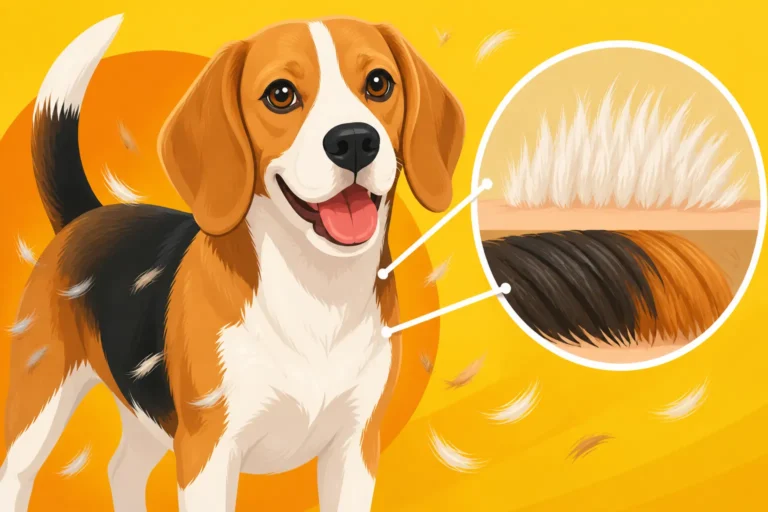
Beagles, with their dense double coats, are prone to overheating in warm weather. Their short stature also means they're closer to hot surfaces, which can quickly burn their paw pads. Always check the ground temperature by placing the back of your hand on the pavement for five seconds; if it's too hot for you, it's too hot for their paws. Opt for early morning or late evening excursions during summer months, and consider trails with ample shade. In colder weather, their hardy coats offer some protection, but watch for signs of discomfort or shivering, especially in extreme cold.
The terrain itself also matters. Stick to established trails when hiking to avoid hidden dangers like sharp objects, poisonous plants, or unexpected drops. Rocky or uneven terrain can be hard on their joints, so choose paths that are relatively smooth, particularly for running. Beagle Paw Pad Cracks After Field Walks are a common issue that can be prevented by avoiding overly rough surfaces and inspecting paws regularly. Be especially cautious near water bodies; while some Beagles enjoy a swim, not all are strong swimmers, and Beagle Life Jackets Around Open Water are a smart choice if you're near deep or fast-moving water.
Leash and Harness Security
For a Beagle, a secure leash and harness are non-negotiable. Their ability to pick up a scent and bolt means a simple collar can be dangerous, as they can slip out or injure their neck if they pull too hard. A well-fitting harness that discourages pulling is your best friend. Look for options that fit snugly around the chest and behind the front legs, without chafing. Many owners find front-clip harnesses helpful for managing a strong puller, as it redirects their momentum.
A sturdy leash, ideally 6-8 feet long for walks and up to 15-30 feet for controlled sniffing on a Long Lines Instead of Off-Leash for a Beagle, is essential. Avoid retractable leashes, as they offer little control and can cause serious injuries to both dog and handler. Always double-check your leash and harness for wear and tear before each outing. If your Beagle is particularly prone to escaping, a martingale collar worn with a harness can add an extra layer of security, but never rely solely on a collar for a Beagle. Prioritizing Why a Harness Protects a Beagle's Neck is crucial for their long-term health and safety.
Emergency Preparedness
Even with the best planning, accidents can happen. Being prepared for emergencies can make all the difference. Always carry a basic first-aid kit for dogs, including items like antiseptic wipes, gauze, vet wrap, tweezers (for thorns or ticks), and any personal medications your Beagle might need. Know the location and contact information for the nearest emergency veterinary clinic, especially when you're exploring new areas.
Identification is paramount. Ensure your Beagle wears a collar with up-to-date ID tags that include your phone number. A microchip is a permanent form of identification and should always be registered with current contact information. Consider a GPS tracking device, like those available on Amazon, which can be attached to their collar. These devices can be invaluable if your Beagle does manage to slip away, giving you a much better chance of finding them quickly. Beagle GPS Collars and Tracking Tags are a small investment for massive peace of mind.
Making Running and Hiking Enjoyable for Both of You
The goal isn't just to get exercise; it's to create positive, bonding experiences with your Beagle. Understanding how to integrate their natural instincts into your activities will transform a potentially frustrating outing into a truly rewarding adventure.
Incorporating Scent Work into Your Routine
This is where you truly tap into the heart of what makes a Beagle happy. Instead of fighting their nose, embrace it! While on your run or hike, designate "sniff breaks" where you allow your Beagle to thoroughly investigate an interesting scent patch. These aren't interruptions; they're integral parts of their mental exercise. Let them work out a scent trail for a few minutes before gently encouraging them to move on.
You can also actively incorporate short scent games. Hide high-value treats (like small pieces of cheese or dried liver, easily found at Chewy) along the trail and encourage them to find them. This transforms a monotonous trek into an exciting "job" for your Beagle, engaging their brain as much as their body. The mental stimulation from scent work can be just as tiring, if not more so, than physical exertion alone. Remember, What a Beagle Experiences on a Scent Trail is a complex and highly rewarding activity for them, making it a crucial part of their overall well-being.
Varying Your Routes and Activities
Monotony is boring for everyone, including your Beagle. Exploring new trails, parks, and even different urban routes keeps things fresh and exciting. Each new location offers a fresh array of scents to explore, new sights, and different terrains, providing novel mental and physical challenges. This also helps to prevent your Beagle from becoming overly habituated to one specific route, where they might anticipate certain turns or features and become less responsive.
Consider mixing up your activities as well. Don't feel every outing has to be a continuous run. Some days might be dedicated to long, leisurely sniff-walks where your Beagle takes the lead (within reason, of course). Other days might be more focused, shorter runs on a softer surface. Incorporate short bursts of fetch or tug-of-war if your Beagle enjoys those, or try some agility obstacles if your vet has cleared them. This variety ensures that your Beagle is well-rounded in their physical and mental exercise and prevents burnout or boredom. Running With a Beagle and Sensible Pace Limits might mean mixing in more walking than you initially planned, and that's perfectly fine.
Reading Your Beagle's Cues
Your Beagle communicates constantly, and learning to read their body language is essential for a safe and enjoyable outing. Watch for signs of fatigue, such as lagging behind, excessive panting, a lowered tail, or reluctance to continue. If they're limping, holding up a paw, or showing any signs of pain, stop immediately and assess the situation. On the flip side, notice signs of excitement and enjoyment – a wagging tail, an eager trot, and focused sniffing all indicate a happy, engaged Beagle.
Knowing when to push them a little further and when to cut an activity short is a skill that comes with observation and experience. Don't be afraid to adjust your plans mid-hike if your Beagle is clearly not having a good time or is struggling. Pushing a dog beyond their limits can lead to injury, negative associations with the activity, or even behavioral problems. Your Beagle relies on you to be their advocate and to make smart decisions for their health and happiness. Exercising a Beagle Past Ten Years Old often involves significant adjustments to pace and duration.
Gear and Accessories for the Active Beagle
Having the right equipment can significantly enhance your running and hiking experiences with your Beagle, making them safer, more comfortable, and more efficient. From what they wear to what you carry, thoughtful gear choices are key.
Harnesses and Leashes for Scent Hounds
As mentioned, a secure, comfortable harness is crucial. For running and hiking, consider a Y-front harness that allows for full shoulder movement without chafing. Brands like Ruffwear offer harnesses designed for active dogs that distribute pressure evenly across the chest, away from the throat, making it much more comfortable for a Beagle who might still pull when a captivating scent hits. Look for harnesses with a back clip for general use and potentially a front clip for added control if your Beagle pulls strongly on leash.
A durable leash made from strong, weather-resistant material is also important. For hiking, a longer leash (up to 10 feet) can give your Beagle a bit more freedom to explore while still keeping them safely tethered. For hands-free running, a bungee leash that attaches to a belt around your waist can be a game-changer, absorbing shocks from sudden pulls and allowing you to maintain your stride. Just make sure you practice with it first in a controlled environment. Hiking With a Beagle on a Long Line truly enhances their outdoor experience while keeping them safe.
Tracking Devices and ID
For a Beagle, a strong scent drive means they can get lost quickly if they manage to escape. This makes reliable identification and tracking devices absolutely essential. Beyond the standard ID tags with your phone number, consider engraving your Beagle's name and your contact info directly onto their harness buckle or getting a custom embroidered collar.
GPS trackers are an invaluable tool for peace of mind. These small, lightweight devices attach to your Beagle's collar and connect to an app on your smartphone, allowing you to monitor their location in real-time. Many offer features like geofencing (alerting you if your dog leaves a designated safe area) and activity monitoring. While they require a subscription, the investment is usually small compared to the anxiety of a lost dog. Look for models that are waterproof and durable, suitable for an adventurous Beagle. You can find a range of options on sites like Amazon or Chewy. Beagle Microchips and Getting a Lost Dog Back is another fundamental safety net.
Travel and Safety Gear
When heading out for a longer hike or running in a new location, think about what you and your Beagle might need beyond the basics. A collapsible water bowl and a dedicated water bottle for your dog are must-haves. Many brands offer bottles with built-in dispensers. For longer trips, consider a small backpack for your Beagle to carry their own water, treats, or collapsible bowl – just make sure it's properly fitted and they're conditioned to wearing it.
Car safety is also important if you're driving to your adventure spot. A crash-tested car harness or a travel crate secured in your vehicle will keep your Beagle safe during transport and prevent them from distracting you while driving. Don't forget poop bags, as responsible pet ownership means leaving no trace behind. Finally, for those colder days, a protective paw balm can prevent cracks and irritation on their paw pads, and a reflective vest for low-light conditions increases visibility for both of you.
Disclaimer
This article is for general informational purposes only and does not constitute professional advice. Laws, prices and regulations vary by location and change over time. Consult a qualified professional for guidance on your specific situation.