Building Beagle Recall Before the Nose Takes Over
It’s a tale as old as time for Beagle owners: you call your beloved hound, your voice echoing across the park, and they… well, they don't even twitch an ear. Their nose is glued to the ground, a symphony of scents consuming their world, and suddenly, you're invisible. This guide is all about tackling that unique Beagle challenge head-on, helping you build a recall so strong that even the most tantalizing rabbit trail won't entirely erase you from their memory.
Understanding the Beagle's Nose: Why Recall is a Challenge
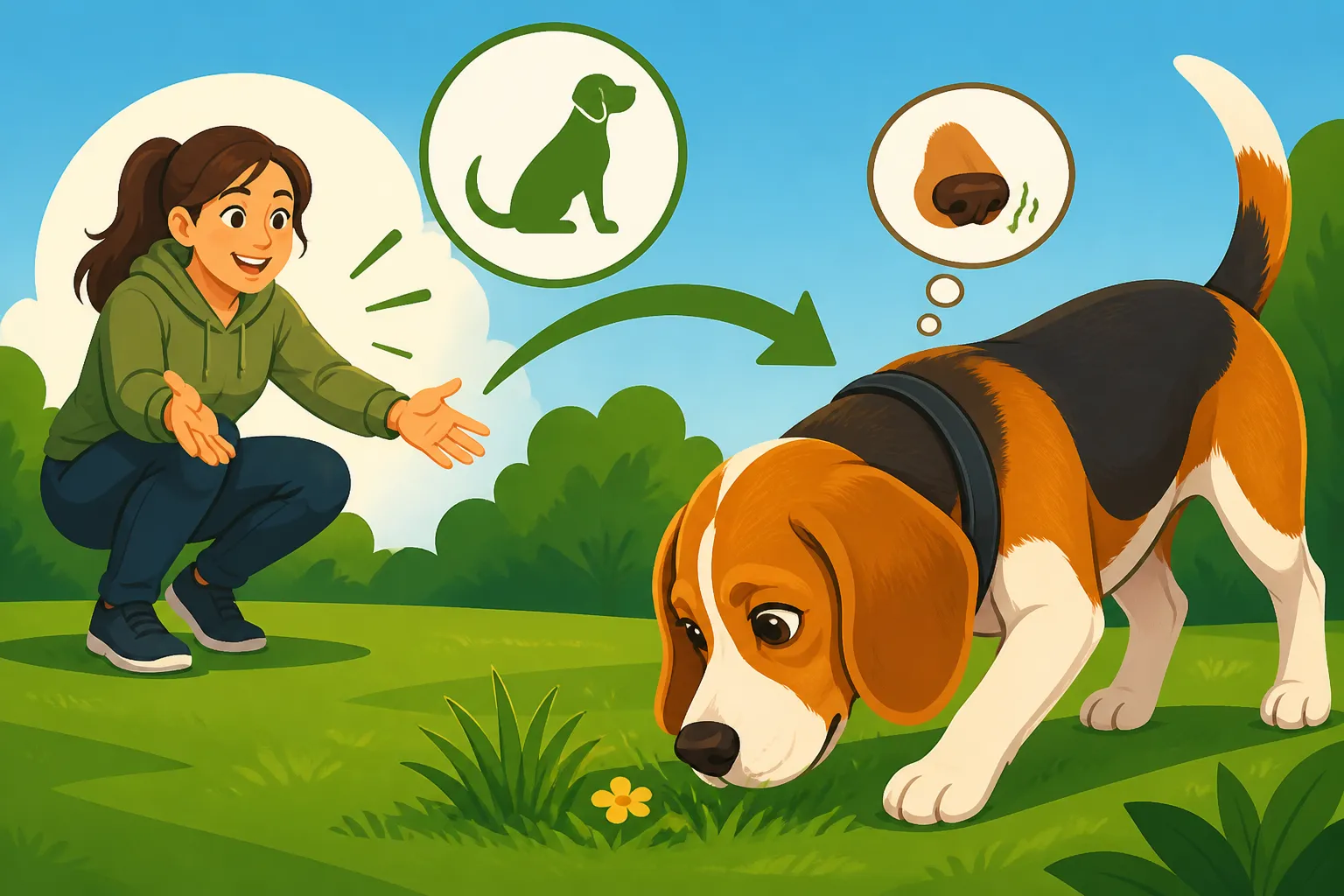
Let's be real, a Beagle's nose isn't just "good"; it's a superpower. We're talking about an olfactory system designed over centuries to track game across vast distances, often without visual cues. For your Beagle, the world isn't just seen and heard, it's profoundly smelled, and that takes precedence over almost everything else.
The Power of 220 Million Receptors
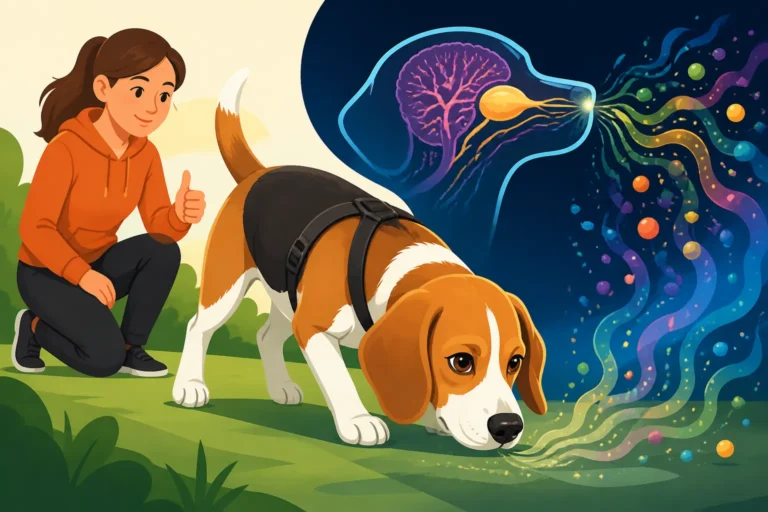
Imagine having 220 million scent receptors. That's what your Beagle is working with, compared to our measly five or six million. This isn't just a quantitative difference; it's a qualitative one. They don't just smell a rabbit; they smell which way it went, how long ago, if it was scared, and what it had for dinner. When their nose hits a fresh trail, it's like a siren going off in their brain, a primal urge that's incredibly difficult for them to ignore. This intense focus is why a simple "come" can feel utterly meaningless in the face of such a compelling sensory experience. It's not defiance; it's pure, unadulterated instinct. You can read more about The 220 Million Receptors Behind a Beagle's Nose to truly appreciate this amazing ability.
This biological imperative means that traditional recall training, which might work perfectly for other breeds, needs a significant Beagle-specific twist. You're not just competing with a squirrel; you're competing with every single molecule of scent in the environment. Their brain is literally rewired for this, creating a vivid, immersive world of odors that we can barely comprehend. A walk for a human is a stroll; for a Beagle, it's a deep dive into an olfactory novel, chapter by chapter, sniff by sniff. The ground-level details are always the most captivating for them, and this is Why a Beagle Walks With Its Nose to the Ground.
The Drive to Follow a Trail
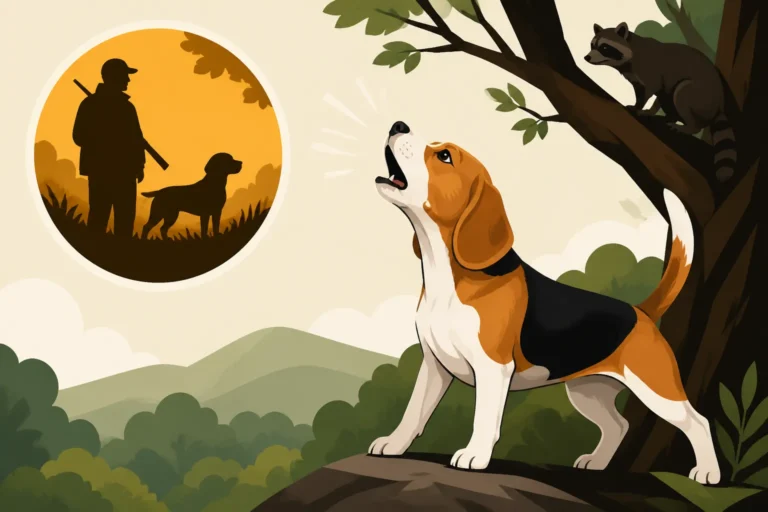
Beagles were bred to hunt in packs, following a scent trail for hours, signaling their location with their distinctive bay. This means they are inherently independent when on a scent, making their own decisions about where the trail leads. They weren't bred to stick close to a handler or respond instantly to commands when engaged in tracking. This deep-seated instinct to follow means that once they lock onto a scent, their brain is in "pursuit mode," and breaking that concentration requires something truly extraordinary from you.
This isn't to say recall is impossible, but it does mean your expectations need to be realistic, and your training methods need to be incredibly consistent and high-value. If your Beagle is on the trail of something exciting, your verbal cue needs to promise something even more exciting, or at the very least, something they absolutely cannot resist. This drive is so powerful that it often overrides any "learned" behavior unless that behavior has been drilled to perfection with massive rewards.
Laying the Foundation: Early Recall Training for Puppies
The best time to start building a rock-solid recall is when your Beagle is just a tiny puppy, before that powerful nose truly takes over their world. Puppyhood is a critical window for learning that you are the most interesting, rewarding thing in their environment.
Starting in a Low-Distraction Environment
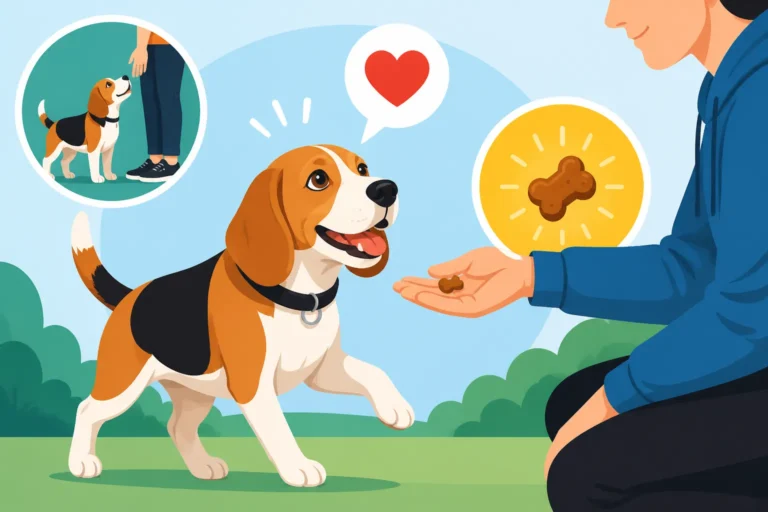
When your Beagle puppy first comes home, their world is small and manageable. This is your golden opportunity to introduce recall. Start indoors, in a quiet room, with no other pets or people to distract them. Get down on their level, use an upbeat, happy voice, and say their name followed by your chosen recall word (e.g., "Buddy, come!"). As soon as they take a step towards you, reward them with the highest value treat imaginable – think tiny pieces of cooked chicken, cheese, or even liverwurst. Make it a party! Repeat this many times a day, keeping sessions short and fun. The goal is to create a positive association: "When I hear 'come,' amazing things happen right next to my human!"
Once they're consistently running to you indoors, gradually introduce slightly more distractions within your home, like another family member in the room or a soft toy on the floor. Always set them up for success, ensuring the distractions aren't so overwhelming that they fail. This careful, incremental approach builds confidence and reinforces the idea that "come" always means something wonderful, no matter what else is going on. Consistency at this stage is absolutely key; every successful recall builds another brick in that foundation. Teaching Beagle Puppy Recall Before Adolescence Hits is crucial, as their teenage years bring new challenges.
Practicing Inside a Fenced Yard
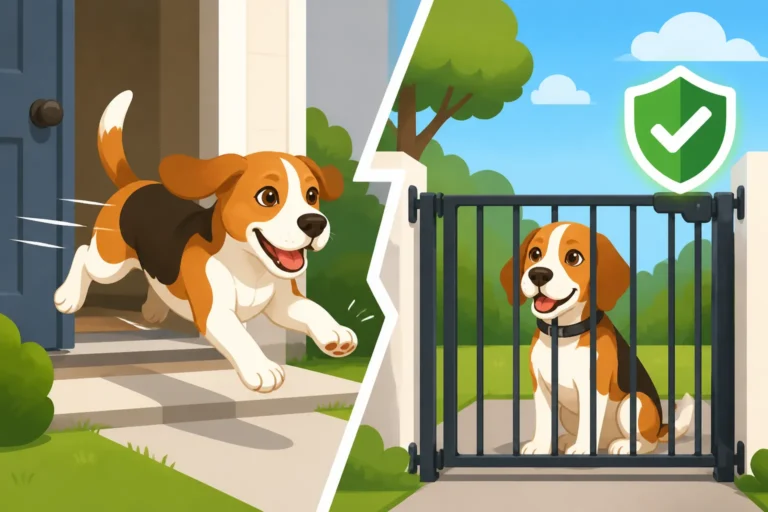
Once your puppy has a reliable indoor recall, it's time to move to a securely fenced outdoor space. This could be your backyard or a friend's yard. The goal here is to introduce natural outdoor scents and sights, but within a contained environment where your Beagle can't simply vanish down a rabbit hole. Start by simply letting them explore for a minute or two, then call them. Again, get down low, make exciting noises, and offer those irresistible treats. If they get distracted by a particularly interesting smell, move closer to them, squat down, and make yourself even more appealing.
Never chase your Beagle if they don't come. That teaches them that running away is a fun game of chase. Instead, try running in the opposite direction, clapping your hands, or making happy noises – anything to pique their curiosity and draw them back to you. The key is to make coming to you their idea, associated with joy and high rewards. Always carry those high-value treats with you. This gradual exposure to outdoor stimuli is essential for strengthening their recall muscles, preparing them for more challenging environments. For more insights, refer to Starting Beagle Recall Inside a Fenced Yard.
Essential Tools and Techniques for Reliable Recall
While a Beagle's nose is powerful, smart training and the right tools can help you establish a reliable recall. It’s about leveraging their instincts, not fighting them.
The Power of High-Value Rewards
For a Beagle, "high-value" isn't just a suggestion; it's a requirement. Dry kibble simply won't cut it when they've got the scent of a fresh bunny trail in their nostrils. You need to use treats that are truly irresistible – think small pieces of cooked chicken breast, hot dogs, cheese, or even specific soft, smelly training treats. These treats should be reserved only for recall practice, making them extra special. The moment your Beagle turns to you after a recall cue, they should be immediately rewarded with this amazing treat, paired with enthusiastic praise.
The timing of the reward is also critical. It needs to happen the instant they reach you, or even better, the moment their nose touches your hand. This immediate gratification helps them connect the action (coming when called) with the reward (delicious treat). Vary your rewards too; sometimes it's food, sometimes it's a quick game of tug with a favorite toy. Keep them guessing, keep them excited, and keep yourself the source of all good things. This consistent, enthusiastic reinforcement is what makes you more appealing than any outdoor distraction. Always be prepared to be Rewarding a Beagle Every Time It Checks In.
Using a Long Line for Safety and Practice
Until your Beagle's recall is 100% bomb-proof in every scenario, they should never be off-leash in an unfenced area. This is where a long line becomes your absolute best friend. A long line (15-30 feet or even longer) allows your Beagle the illusion of freedom while giving you control and the ability to prevent them from practicing "running away." Use a comfortable, well-fitting harness rather than a collar with a long line, to avoid any strain on their neck if they hit the end of the line quickly.
Start in a safe, open area like a park or field. Let your Beagle sniff and explore, then call them. If they ignore you, gently reel them in using the long line, continuing to praise and treat them the moment they reach you. This teaches them that "come" means they will eventually end up back with you, but if they come willingly, the reward is much better. This tool is invaluable for practicing recall in increasingly distracting environments while maintaining safety and preventing the self-rewarding behavior of running off. For a deeper dive, consider using Long Lines Instead of Off-Leash for a Beagle.
| Recall Method/Tool | Description | Best For | Beagle-Specific Tip |
|---|---|---|---|
| High-Value Treats | Small, smelly, irresistible food rewards (chicken, cheese, hot dogs). | Early training, high-distraction environments. | Use only for recall to make them special. |
| Long Line | A long leash (15-30+ ft) attached to a harness. | Outdoor practice in unfenced areas, preventing escapes. | Prevents self-rewarding "running away." |
| Emergency Recall | A distinct, rarely used verbal cue or whistle. | Life-or-death situations, urgent attention needed. | Practice daily, but reserve for true emergencies. |
| Recall Games | Hide-and-seek, "party-here" games, recall races. | Making recall fun, building positive association. | Incorporate scent work to engage their nose. |
| GPS Collar | Device attached to collar for tracking location. | Backup safety for known escape artists or adventurous Beagles. | Not a substitute for training, but a valuable safety net. |
Developing Emergency Recall Cues
Beyond your everyday "come," it's smart to have an emergency recall cue – a word or whistle that means "drop everything and get to me NOW." This cue should be distinct, rarely used, and associated with the highest possible reward. It's for those moments when your Beagle spots something truly irresistible, like a deer across a field, and your usual "come" might not cut it. You might use a specific whistle sound, a unique word like "NOW!" or "JACKPOT!"
Practice this emergency cue in low-distraction environments first, just like regular recall, but with even more enthusiastic praise and an even bigger, better reward. The idea is that this cue bypasses all other thought processes and triggers an immediate, unthinking dash back to you. The key is to keep it special; don't use it casually. If you find yourself having to use it frequently, it's a sign that your regular recall needs more work in less distracting environments. Establishing Emergency Recall Cues That Reach a Beagle can be a lifesaver.
Proofing Recall in Real-World Scenarios
Once your Beagle understands what "come" means in a controlled setting, it's time to generalize that understanding to the messy, distracting reality of the world. This is where many owners falter, expecting instant perfection.
Gradually Increasing Distractions
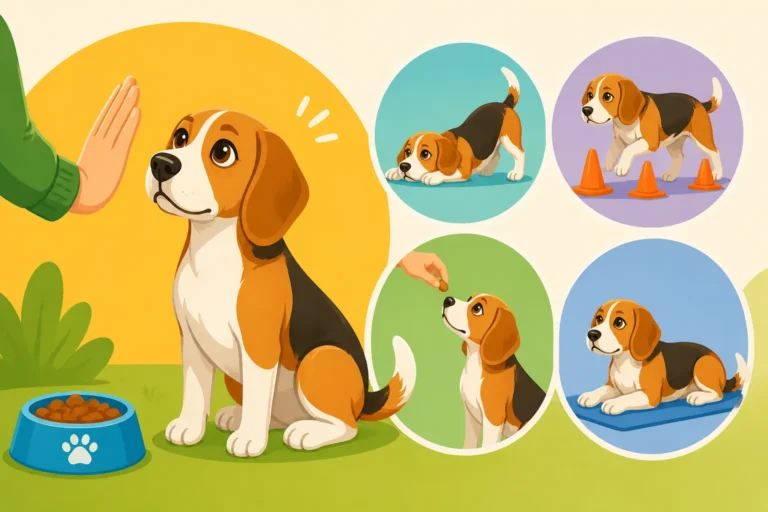
The process of "proofing" recall is all about controlled exposure to distractions. Think of it like a ladder:
- Home, Quiet Room: Easy peasy.
- Home, With Family Members Present: A little harder.
- Fenced Yard, No Other Dogs: Introducing natural smells.
- Fenced Yard, With One Calm Dog in the Distance: Social distraction.
- Quiet Park on a Long Line: New environment, more smells.
- Busier Park on a Long Line, People Walking By: More visual and auditory distractions.
- Dog Park Edge on a Long Line, Dogs Playing: High-level distraction.
At each step, ensure your Beagle is succeeding at least 80% of the time before moving to the next level. If they fail, go back a step. Always start with a long line for safety. The goal is to make "come" such a strong habit that even with a dozen squirrels taunting them, they still default to checking in with you. This systematic approach is vital for Building Beagle Focus in a Distracting Place.
Practicing in Varied Environments
Don't just train in the same park every time. Beagles are smart, and they can learn that "come" only applies to a specific location. Take them to different neighborhoods, different parks, even the occasional pet-friendly store on a leash (and long line, if appropriate for the space). Each new environment presents unique smells and sights, forcing them to generalize the recall command.
These varied environments are crucial for truly solidifying the recall. A recall that works in your backyard but fails at the dog park isn't a reliable recall. Think of it as broadening their understanding. They need to understand that "come" means "come to me, no matter where we are or what exciting thing your nose has found." This requires patience and consistency on your part, as it's a lifelong endeavor to keep that recall sharp. Consider incorporating Impulse Control Exercises That Suit a Beagle into these varied training sessions.
Troubleshooting Common Recall Problems
It's inevitable: your Beagle's recall will falter at some point. The key is to understand why it's happening and how to get back on track without losing your cool (or your Beagle).
When the Nose Overrides All Else
The single biggest reason Beagles "fail" at recall is their nose. They literally get so absorbed in a scent trail that they become temporarily deaf to your calls. This isn't stubbornness; it's instinct overwhelming learned behavior. When this happens, chasing them is the worst thing you can do, as it turns it into a game for them.
Instead, try to interrupt their focus with something unexpected. A sudden, loud clap, a squeaky toy (if they respond to toys), or even running in the opposite direction can sometimes break their trance. If you're on a long line, gently reel them in while continuing to use your happy recall cue and praise. Remember, every time they ignore you and don't come, they are practicing "not coming," which makes the problem worse. This is why a long line is so crucial; it prevents them from self-rewarding the act of ignoring you. If you're facing this regularly, it might be time to take a step back in your training environment, reduce distractions, and rebuild that association.
Beagle Recall Falling Apart in Adolescence
Just like human teenagers, adolescent Beagles (roughly 6-18 months) often go through a phase where they seem to forget everything they ever learned. Their hormones are surging, they're exploring their independence, and their scent drive kicks into overdrive. This can be incredibly frustrating for owners who thought they had a solid recall. This is a common time for Beagle Recall Falling Apart in Adolescence.
During this period, it's essential to revert to earlier training stages. Go back to basics in low-distraction environments, heavily rewarding every single successful recall. Use that long line religiously whenever you're outside of a truly secure area. Don't assume they'll just "grow out of it"; consistent training during adolescence is vital to reinforcing good habits for adulthood. Increase your value as a reward-giver and make yourself the most exciting thing in their world. Keep recall sessions short, fun, and positive, and resist the urge to get angry or frustrated, as that will only make them less likely to come.
The Problem with Repeating Recall Words
"Buddy, come… Buddy, come… BUDDY, COME! COME, BUDDY, COME!" Sound familiar? Repeating your recall cue multiple times before your Beagle actually comes teaches them that the cue only needs to be obeyed after the fifth or sixth repetition. It dilutes the power of the word and makes it less effective.
The rule of thumb is: say your recall cue once. If your Beagle doesn't respond, assume they haven't heard it or are too distracted to process it. Instead of repeating, change your strategy: move closer, make an exciting noise, run away from them, or gently guide them with a long line. Only reward when they respond to that single cue. Consistency here is paramount. You need to ensure they understand that "come" means "come now," not "come eventually when you feel like it." This highlights The Recall Word You Should Never Repeat to a Beagle.
Long-Term Strategies for Maintaining a Strong Recall
Building a recall isn't a one-and-done project; it's a lifelong commitment, especially with a breed like the Beagle. You have to keep it polished.
Daily Practice and Random Check-Ins
Even if your Beagle has a fantastic recall, you need to keep practicing it. Incorporate recall into your daily routine. Call them from another room, call them while they're playing in the yard, call them during walks (even if just for a quick treat and then release them to sniff again). These random check-ins keep the recall fresh in their mind and prevent them from thinking "come" is only for emergencies.
Vary your rewards, too. Sometimes it's a super special treat, sometimes it's a favorite toy, sometimes it's just enthusiastic praise and a vigorous ear rub. The key is to make coming to you a consistently positive experience. Never call your Beagle to you for something they perceive as negative, like going into the crate (unless they love their crate!) or getting their nails trimmed. This can poison the recall cue and make them hesitant to come in the future.
Harnesses and GPS Collars as Backup
Even with the best training, a Beagle's nose can sometimes lead them astray. This is why having reliable equipment is so important. Always use a well-fitting harness rather than a collar for walks, especially if your Beagle is a puller or prone to lunging after scents. A harness distributes pressure across their chest and shoulders, preventing neck injuries and making it harder for them to slip out.
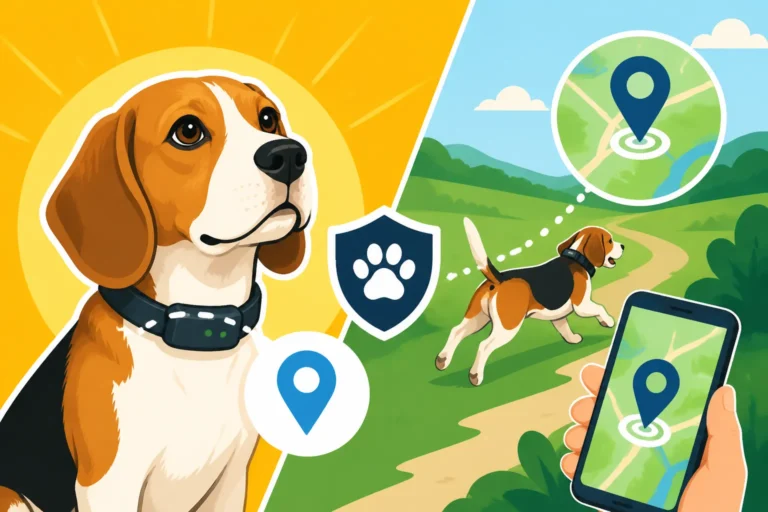
Additionally, a GPS tracking collar can provide invaluable peace of mind. Brands like Tractive or Fi offer devices that attach to your Beagle's collar and allow you to track their location via an app on your phone. While these are never a substitute for training, they are an excellent backup for those heart-stopping moments when your Beagle manages to slip their leash or find a loophole in your fence. Knowing you can quickly locate them can alleviate immense stress. Many owners purchase these devices on platforms like Amazon for convenience. For more information, refer to GPS Collars as a Backup for Beagle Recall.
Continuing Education and Enrichment
A bored Beagle is a mischievous Beagle, and a bored Beagle with a strong scent drive is a Beagle looking for trouble (and a way to follow a scent trail). Keep your Beagle mentally stimulated with plenty of scent work games, puzzle toys, and ongoing training. Enrolling in advanced obedience classes, scent detection courses, or even canine good citizen classes can keep their minds engaged and reinforce their bond with you. Many online platforms like BAXTER & Bella offer virtual training programs that can guide you through various stages of obedience, including recall, providing expert advice right in your home.
A tired Beagle (mentally and physically) is a well-behaved Beagle. Ensure they get enough exercise, including those all-important sniff walks where you let them follow their nose at their own pace. By meeting their instinctual needs, you reduce the likelihood of them feeling the overwhelming urge to "self-employ" by disappearing on a solo scenting adventure. Building a strong recall is as much about understanding and fulfilling your Beagle's needs as it is about drilling commands.
Disclaimer
This article is for general informational purposes only and does not constitute professional advice. Laws, prices and regulations vary by location and change over time. Consult a qualified professional for guidance on your specific situation.