Beagle Puppy Recall Before Adolescence Hits
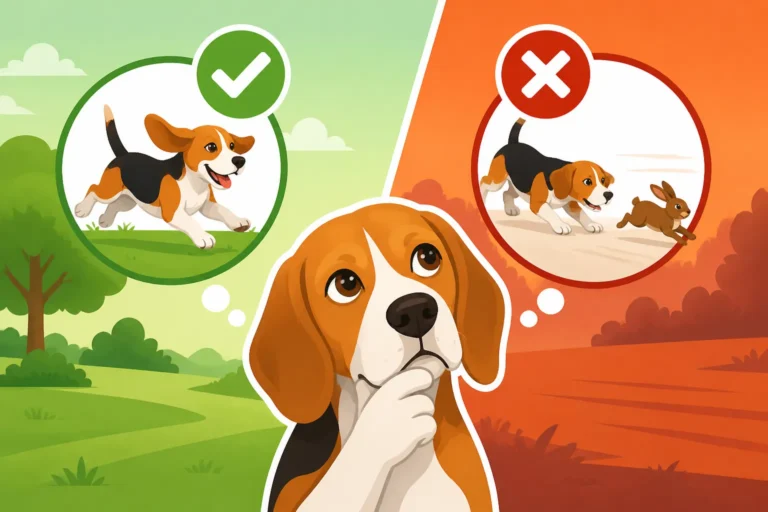
It’s a scene many new Beagle puppy owners know well: your adorable fluffball is zooming around the house, full of energy, and you call their name. They might glance over, maybe even start to come, but then a dust bunny, a stray crumb, or even just an interesting shadow catches their eye, and suddenly your voice vanishes into thin air. Building a rock-solid recall with your Beagle puppy before those adolescent hormones kick in and their nose truly takes over is one of the most important things you can do for their safety and your peace of mind. This guide will walk you through laying that vital foundation, focusing on methods that work with your Beagle's unique drive, not against it.
Understanding the Beagle Puppy Mind and Nose
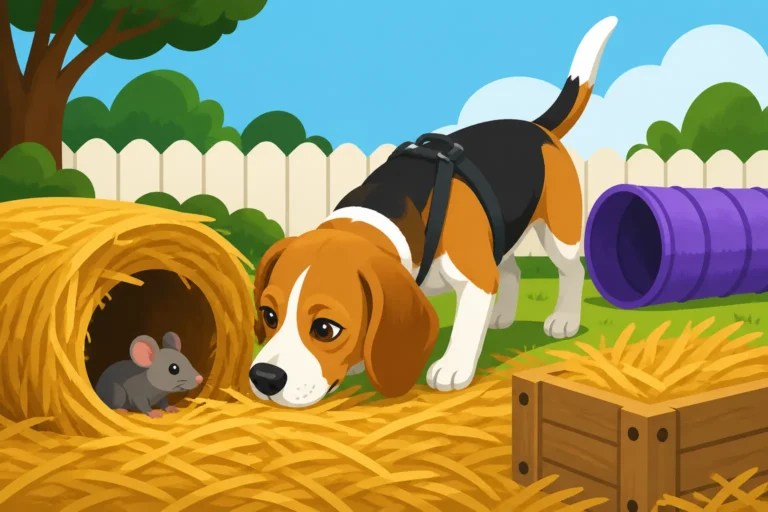
Even as tiny puppies, Beagles are born with an extraordinary sense of smell. It’s not just a cute quirk; it's their entire world, their primary way of understanding and interacting with their environment. While they might be all cuddles and clumsy play at eight weeks, that powerful nose is already beginning its work. Ignoring this fundamental aspect of their breed is like trying to teach a fish to climb a tree – you're fighting an uphill battle.
The Emerging Scent Drive
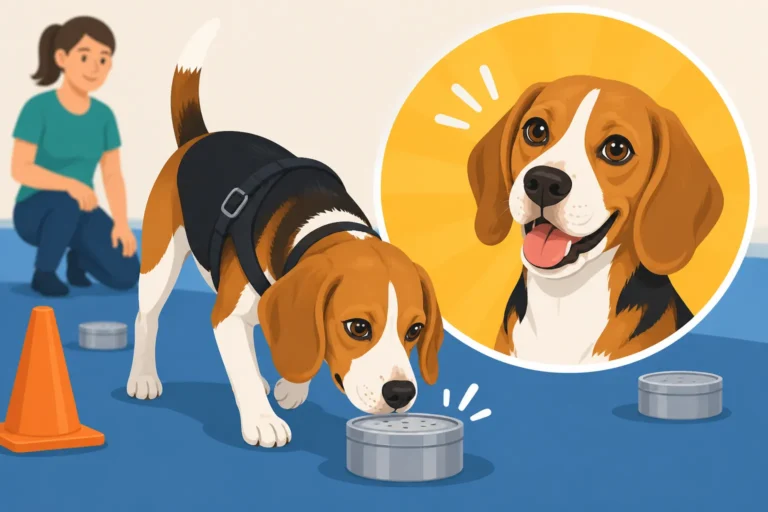
From the moment they arrive home, your Beagle puppy is soaking up information through their nose. Every new smell, every tiny particle of dust, every lingering aroma from your dinner plate, tells a story. This isn't just about food; it's about understanding who's been where, what's happening, and where the most interesting things might be found. When you call your puppy and they seem to "ignore" you, often they're not being stubborn or disobedient; they are genuinely engrossed in a world of scent that we can barely perceive. Their brains are wired to prioritize these olfactory inputs, and your voice, no matter how sweet, often struggles to compete.
Think of it like this: imagine you're watching your favorite movie, completely immersed in the plot, and someone whispers your name. You might not even register it. Now imagine your puppy experiencing the equivalent of an IMAX 3D movie with surround sound, but for scents. That’s what a fascinating smell is to them. Recognizing this helps us approach training with more patience and empathy. We're not dealing with malice, but with instinct. This intense focus on scent is also Why a Beagle Walks With Its Nose to the Ground so often.
Learning While Young and Malleable
The period from eight to sixteen weeks is often called the "critical socialization period," but it's also a golden window for foundational training. While their scent drive is emerging, it hasn't yet reached its full, overwhelming power. Their brains are sponges, eager to learn, and they're still highly dependent on you for comfort, food, and security. This dependence makes them more inclined to respond to your cues. It's much easier to build a strong "come" command when they still think you're the most amazing thing in the world, before the outside world's vast olfactory buffet fully distracts them.
If you wait until they are six months or a year old, when their adolescent independence kicks in and their nose is fully operational, you'll find recall significantly harder to teach. Their focus will be outward, on the environment, rather than inward, on you. Starting early means establishing a habit, a reflex, of returning to you before the allure of a distant squirrel scent becomes an irresistible force. This early investment pays dividends for their entire Beagle Lifespan and the Twelve to Fifteen Year Range.
Laying the Foundation for Recall Indoors
Recall training isn't just about shouting "come!" It's about building a positive association with returning to you, making it the most rewarding choice your puppy can make. This starts in a controlled environment – your home. Here, distractions are minimal, and you can guarantee success, which is crucial for building confidence in your puppy and in yourself.
Making "Come" the Best Game Ever
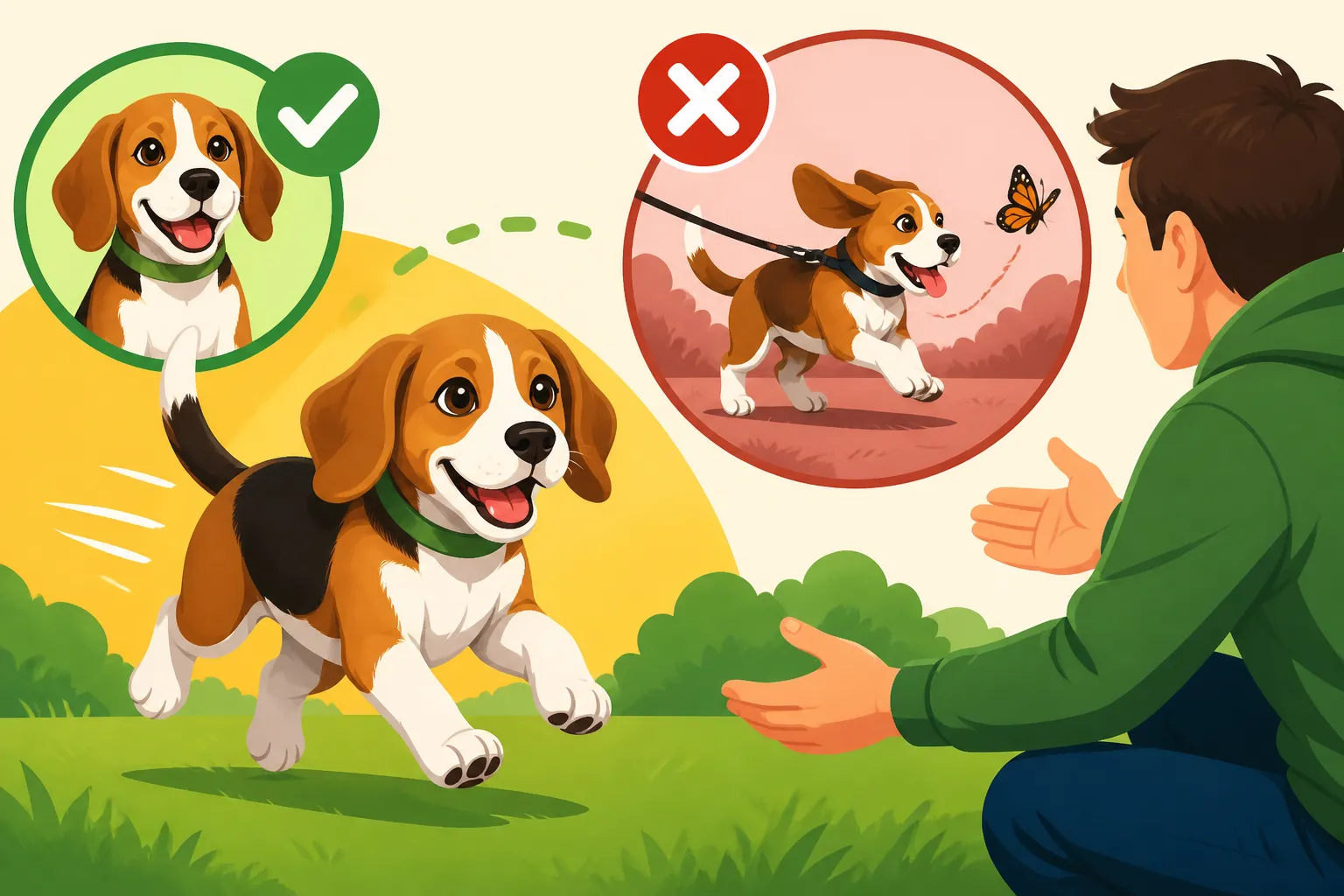
In your living room or a quiet hallway, start by making recall a joyful game. Get down on their level, clap your hands, use an excited voice, and say their name followed by your recall cue (e.g., "Sparky, come!"). When they take even a step towards you, reward them immediately with a high-value treat and enthusiastic praise. Don't wait for them to reach you, reward the intention. Then, as they get closer, keep rewarding and praising.
One fantastic game is "puppy ping-pong." If you have two people, stand a short distance apart, and take turns calling the puppy back and forth. Each time your puppy comes, massive celebration and treats! This makes coming to you a fun, interactive game, not a chore. Keep sessions short and sweet – just a few minutes, several times a day – to maintain high engagement. Always end on a high note. Think about what your puppy absolutely loves. Is it a squeaky toy? A piece of cheese? Use that to make coming to you irresistible. This approach is key to High-Value Food and How Fast a Beagle Learns.
Indoor Games and Rewards
Beyond puppy ping-pong, there are other excellent indoor games to reinforce recall. "Hide and Seek" is a classic: one person holds the puppy while another hides a short distance away (in another room, behind a couch). Call the puppy once, and when they find you, it’s a jackpot of treats and praise. This teaches them to seek you out, which is a vital component of reliable recall.
Vary your rewards! While treats are powerful motivators, also use toys, belly rubs, or a quick game of tug. The goal is for them to associate "come" with pure joy and positive reinforcement. If your Beagle is particularly food-motivated (and most are!), consider using a portion of their regular meal during these training sessions. This ensures they're working for their food, making every bite a reward for a good choice. Many online training platforms, such as BAXTER & Bella, offer structured puppy programs that can help guide you through these initial steps, providing video demonstrations and troubleshooting tips for common issues like Beagle Puppy Nipping and Where It Comes From.
| Recall Training Stage | Environment | Primary Goal | Reward Strategy | Key Takeaway |
|---|---|---|---|---|
| Early Puppyhood | Indoors, low distraction | Build positive association with "come" | High-value treats, enthusiastic praise, short play | Make coming to you the most fun thing ever. |
| Mid Puppyhood | Indoors, varied distraction | Generalize "come" across different rooms/people | Varied rewards, occasional jackpot | Practice in different contexts within the home. |
| Pre-Adolescence | Outdoors (on long line), moderate distraction | Introduce outdoor cues, build reliability | Extremely high-value treats, exciting play | Safety first, always on leash or long line. |
| Adolescence Onward | Outdoors (on long line), increasing distraction | Proofing "come" against real-world temptations | Irresistible rewards, unexpected praise | Consistency, patience, and realistic expectations. |
Taking Recall Training Outdoors Safely
Once your Beagle puppy is reliably coming to you in the house, it's time to introduce the real world. However, this must be done with extreme caution. A Beagle’s nose outdoors is a force of nature, and one misstep can set back your training significantly, or worse, put your puppy in danger. Remember, Why a Beagle Should Never Be Off Leash Unfenced is a mantra, not a suggestion.
The Power of the Long Line
Your best friend for outdoor recall training is a long line. We're talking 15, 20, or even 30 feet of lightweight but sturdy line (available easily on Amazon). This gives your puppy the illusion of freedom while you maintain control and safety. Start in a low-distraction, fenced area if possible, like your backyard, or a quiet park during off-peak hours. Let your puppy explore, sniff, and be a Beagle. Allow them to get a little distance, then, when they’re not completely engrossed but just starting to wander, excitedly call your recall cue.
When they turn towards you, even for a moment, immediately start reeling them in gently while praising and making happy noises. As soon as they reach you, it's a party! High-value treats, enthusiastic praise, and maybe a quick game with a favorite toy. The long line ensures that even if they get momentarily distracted by an irresistible scent, you can gently guide them back, preventing them from "failing" and learning that they can ignore you. This also ensures they get used to the feeling of pressure on the line leading to a reward. Choosing the right line is important, as The Long Line Length a Beagle Actually Needs can vary depending on their confidence and your training space.
Gradual Introduction to Distractions
The key to successful outdoor recall is a slow, methodical increase in distractions. Don't go straight from your quiet backyard to a bustling dog park. Here’s a typical progression:
- Your Fenced Yard: Very low distraction. Practice on the long line, allowing them to explore while you interrupt their sniffing with your recall cue.
- Quiet Park/Field (empty): Still low distraction, but new smells. Keep the long line on. Work on calling them away from interesting patches of grass or distant sounds.
- Park with Mild Activity: A few distant people, perhaps another dog on a leash across the field. This tests their focus while still being manageable.
- More Active Environments: Gradually introduce more sights, sounds, and smells, always keeping them on the long line until their recall is absolutely bomb-proof in that specific environment.
Remember, every time your puppy successfully comes when called, it strengthens the behavior. Every time they ignore you and get away with it, it weakens it. The long line is your safety net, ensuring they can't practice ignoring you when their nose takes over. This progressive training is vital for Beagle Recall That Works Before the Nose Wins.
Troubleshooting Common Puppy Recall Hurdles
Even with the best intentions and consistent training, Beagle puppies can present unique challenges when it comes to recall. Their inherent drives can make consistency feel like an uphill battle. But don't despair – there are strategies to overcome these common hurdles.
Inconsistency and "Selective Hearing"
One of the biggest frustrations for Beagle owners is "selective hearing." Your puppy comes perfectly indoors, but the moment you step outside, it's like you've become invisible. This isn't stubbornness in the human sense; it's often a lack of generalization and overwhelming environmental stimulation. To combat this:
- Be consistent with your cue: Always use the same word or phrase for recall, and ensure everyone in the family uses it.
- Proof the behavior: Practice recall in every room of the house, with different family members, and in various moods (playful, calm). Then gradually introduce outdoor environments as described above.
- Raise the reward value: If your puppy is ignoring you, your reward isn't high enough. A piece of kibble might work inside, but outdoors you'll need something truly irresistible – cooked chicken, cheese, or hot dogs cut into tiny pieces. Sometimes, the reward isn't food at all; it's a fantastic chase game with you, or a favorite squeaky toy.
- Don't "poison" the cue: Only call your puppy when you are certain they will come. If you call them repeatedly and they ignore you, you're teaching them that your recall cue is optional. If they’re too distracted, go to them, pick them up, and bring them back, then reward them. This prevents them from practicing ignoring you.
Overcoming Distraction and Scent Fixation
A Beagle's nose is their superpower, but it can feel like your kryptonite during recall training. When they lock onto a scent trail, their world shrinks to that single, compelling thread.
- Start with engagement: Before you even try a recall cue outdoors, spend a few minutes actively engaging your puppy. Play a quick game, do some simple obedience for treats, get their focus on you. This makes you more interesting than the environment for those crucial first moments.
- The "Look at Me" command: Teach your puppy to make eye contact on cue. Practice this heavily indoors. Once mastered, use it as a pre-recall command outdoors to break their focus on a scent before asking for "come." "Sparky, look at me! (reward) Okay, come! (jackpot reward)."
- Embrace the sniff: Don't forbid sniffing. Instead, integrate it. Allow sniff breaks, then call them away, reward, and let them sniff again. This teaches them that coming to you doesn't mean the end of all fun, but rather a temporary pause with a great payoff. A long line allows for this balance of exploration and recall practice.
- Emergency Recall: Develop a completely separate, unique emergency recall cue (e.g., a whistle, a specific sound, or a word like "NOW!"). This cue is only used for genuine emergencies and is always followed by the absolute highest value reward possible. Never use it for routine recall practice. If your puppy starts experiencing Beagle Adolescence and Sudden Selective Hearing, this emergency cue can be a lifesaver.
The Role of Patience and Realistic Expectations
Training a Beagle, especially for recall, requires a profound amount of patience and a realistic understanding of their breed traits. You are working with thousands of years of selective breeding for scent work. A Beagle's natural inclination is to follow a trail, not to stick by your side off-leash in an unfenced area.
It's tempting to compare your Beagle to other breeds that might have naturally stronger recall, but that's not fair to your hound. Celebrate every tiny success. If they turn their head when you call, that's a win! If they take two steps towards you, that's a win! Every positive reinforcement builds the desired behavior. Never punish your Beagle for not coming, especially if they eventually make it back to you. They will only learn to associate coming to you with unpleasantness, making them less likely to return next time. Instead, focus on making the return the most rewarding event in their day, every single time. Consistent, positive, and realistic training is the best path to a well-recalled Beagle puppy.
Disclaimer
This article is for general informational purposes only and does not constitute professional advice. Laws, prices and regulations vary by location and change over time. Consult a qualified professional for guidance on your specific situation.