Introducing a Beagle Puppy to the Cat
Many Beagle owners dream of a harmonious multi-pet household, but introducing a scent-driven, boisterous Beagle puppy to an established, often territorial cat can feel like navigating a minefield. The sheer energy and vocal nature of a young Beagle, combined with a cat's instinct for personal space and quiet, can create immediate friction. This guide will walk you through a patient, step-by-step process to help ensure your new Beagle puppy and feline friend can coexist peacefully, minimizing stress for everyone involved and building a foundation for a happy shared life.
Understanding Your Beagle and Your Cat: Two Worlds Colliding
Before you even think about letting them meet face-to-face, it's crucial to understand the inherent differences and instincts that each animal brings to the table. A Beagle puppy isn't trying to be malicious when it chases the cat; it's simply following its nose and natural prey drive. Likewise, your cat isn't being "mean" when it hisses or swats; it's communicating its boundaries and fear in the only way it knows how. Ignoring these fundamental differences is where many introductions go awry, leading to chronic stress for both pets and a frustrated owner.
The Beagle's Instincts: Scent, Sound, and Chase
Beagles are hounds, bred for centuries to hunt small game like rabbits. This means they have an incredibly powerful nose – far more sensitive than ours – and a deeply ingrained instinct to follow a scent trail. When a Beagle puppy encounters a cat, that cat's unique scent immediately registers as something interesting, novel, and often, something to chase. The cat's quick movements, whether playful or fearful, can easily trigger this chase instinct, and for a young, exuberant Beagle, it's a game. They don't necessarily want to harm the cat, but their enthusiastic pursuit can be terrifying for a feline.
Beyond their scent drive, Beagles are also known for their vocalizations. They bay, howl, and bark, sometimes quite loudly and persistently. A sudden, loud bay can easily startle a cat, making it feel unsafe and wary of the new puppy. You'll need to learn to manage these vocal tendencies, perhaps by redirecting them with toys or training. Remember, a Beagle's natural exuberance, combined with its strong prey drive and vocal nature, can be a lot for a cat to handle. Understanding these core traits will help you set realistic expectations and implement appropriate management strategies. They are bundles of energy, and channeling that energy appropriately is key to successful introductions.
The Cat's Perspective: Territory, Safety, and Subtle Cues
Cats, on the other hand, are often creatures of habit and territory. They thrive on routine and generally prefer to have control over their environment. The sudden arrival of a rambunctious, noisy, and scent-intensive Beagle puppy can feel like a major invasion of their personal space and established territory. Their primary concerns will be safety and escape routes. A cat that feels threatened or cornered is more likely to react defensively, either by hissing, growling, swatting, or fleeing. These reactions, while natural, can further excite a Beagle puppy, creating a negative feedback loop.
Cats also communicate in much more subtle ways than dogs, often through body language that can be easily missed if you're not paying close attention. A swishing tail, flattened ears, dilated pupils, or a crouched posture are all signs that your cat is feeling stressed or threatened. Ignoring these early warning signals can escalate a situation quickly. Providing your cat with vertical spaces – shelves, cat trees, or even sturdy furniture – is paramount, as it offers them a feeling of security and a literal escape route from the curious puppy. They need to know they can get away if they feel overwhelmed. Their sense of personal space is paramount, and respecting it will be the cornerstone of a peaceful integration.
Laying the Groundwork: Preparing for a Peaceful Introduction
Successful introductions are rarely about throwing two animals together and hoping for the best. They require patience, planning, and a proactive approach to managing their environment. Think of this stage as setting the foundation for a skyscraper – a strong base prevents collapses later on. This is where you create a safe, controlled environment that allows both animals to gradually adjust to each other's presence without direct confrontation or fear. Proper preparation minimizes stress and maximizes the chances of a positive outcome.
Creating Safe Zones and Escape Routes for Your Cat
The absolute first step is to establish a safe, puppy-free sanctuary for your cat. This space should be where your cat eats, sleeps, uses the litter box, and can simply relax without any possibility of interruption from the Beagle puppy. A spare bedroom, a bathroom, or even a section of the house blocked off by a baby gate can work wonders. The baby gate is key here; it allows sound and scent to pass through, but physically separates them. You can find a wide variety of sturdy baby gates on Amazon that are tall enough and secure enough to deter a curious Beagle.
Within this safe zone, ensure your cat has everything it needs: food, water, a clean litter box, and elevated perching spots. Cat trees, shelves, or even the top of a dresser can provide vertical escape routes, allowing your cat to observe the puppy from a safe vantage point. The goal is for your cat to feel secure and in control, knowing it can retreat at any time. This reduces anxiety and prevents defensive aggression. This space isn't just a temporary measure; it might become a permanent fixture, especially in the early months.
The Art of Scent Swapping and Gradual Exposure
Once the safe zones are established, you can begin the process of scent swapping. This is a subtle yet powerful way to introduce the animals to each other's presence without direct physical contact. Start by taking a soft towel or blanket and gently rubbing it on your Beagle puppy, focusing on their cheeks and neck area to pick up their unique scent. Then, place this scent-infused item in your cat's safe zone, near their food bowl or sleeping spot. Do the same in reverse: rub a towel on your cat and place it in the puppy's crate or bed.
Repeat this process daily for several days. Observe your pets' reactions. Is your cat sniffing curiously or hissing at the towel? Is your Beagle puppy interested in the cat's scent, or trying to chew the towel? Positive reactions (curiosity, sniffing) are good signs. Negative reactions (avoidance, aggression) tell you to slow down. This gradual exchange of scent helps both animals become accustomed to the "smell" of the other, making their eventual visual introduction less startling. It desensitizes them to each other's presence in a non-threatening way.
Essential Tools for Controlled Interactions
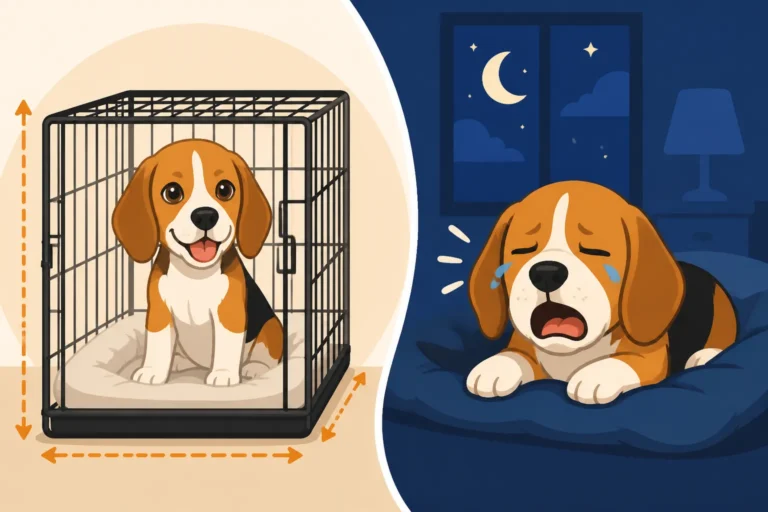
Having the right tools on hand is critical for managing controlled introductions and ensuring everyone's safety. Beyond baby gates, a secure crate is indispensable for your Beagle puppy. It provides a safe den for your puppy and is an excellent tool for supervised separation during initial meetings. Training your Beagle puppy to comfortably use a crate from day one, possibly with the help of a program like BAXTER & Bella, will be invaluable. Crate Training a Beagle Bred to Sleep in a Pack is a great resource here.
A sturdy leash and harness are also absolute necessities for your Beagle puppy. Never attempt direct introductions without your puppy on a leash. This gives you immediate control and allows you to gently guide or remove your puppy if things become too intense. High-value treats are another secret weapon; they allow you to create positive associations during interactions. Every time the puppy sees the cat calmly, reward the puppy. Every time the cat tolerates the puppy's presence, reward the cat. Toys, especially puzzle feeders, can also distract your puppy and provide mental stimulation during moments of supervised separation, keeping their focus away from the cat.
The First Steps: Managing Controlled Meetings
Once your cat has a safe retreat, and both animals are accustomed to each other's scent, you can begin very short, controlled visual introductions. The key here is control and brevity. These initial meetings are about positive associations and ensuring neither animal feels threatened. Rushing this stage almost guarantees a negative experience, which can be incredibly difficult to undo. Take your time, observe their body language closely, and always err on the side of caution.
The Leashed and Monitored Visual Introduction
Choose a time when both animals are relaxed, perhaps after your Beagle puppy has had a good exercise session and a potty break, and your cat is settled. Place your Beagle puppy on a leash and harness, ensuring you have a firm but gentle grip. Have a bowl of high-value treats ready. Bring your leashed puppy into the room where your cat is, but keep a significant distance between them, perhaps across the room. The cat should have an easy escape route to its safe zone if it chooses.
During this first visual exposure, your goal is simply for them to see each other calmly. Do not force interaction. If your Beagle puppy is calm, reward them with a treat. If your cat tolerates the sight of the puppy without hissing or growling, reward them too. Keep these first sessions incredibly short – literally just a minute or two – then calmly remove the puppy. End on a positive note, or at least a neutral one. If either animal shows signs of stress (hissing, growling, intense staring, lunging), immediately increase the distance or separate them and try again later. It's better to do many short, positive sessions than one long, stressful one.
Positive Reinforcement and Reading Body Language
Positive reinforcement is your best friend during these introductions. You want both animals to associate the other's presence with good things. When your Beagle puppy looks at the cat calmly, reward them with a treat. If they start to fixate or pull towards the cat, gently redirect their attention to you with a "leave it" cue or a toy, and reward them for disengaging. The Treats a Beagle Will Work Hardest For can help you find motivating rewards.
For your cat, offering treats, playtime, or gentle petting while the puppy is in the room (at a safe distance) helps build positive associations. Pay extreme attention to both animals' body language. For the cat, look for relaxed ears, slow blinks, a loosely held tail, or curious sniffing. Signs of stress include flattened ears, dilated pupils, a twitching or thumping tail, hissing, or growling. For the puppy, look for loose, relaxed body language. Stiffening, intense staring, whining, or lunging are signs that you need to intervene and create more distance. Never let the puppy chase or harass the cat, even for a second, as this can destroy trust.
When to Press On and When to Retreat
The pace of introduction is entirely dictated by your pets. Some pairs may progress quickly, moving from brief visual encounters to supervised time in the same room over a few days. Others might take weeks or even months to feel comfortable. Do not rush the process. If a session goes well, you can try increasing the duration slightly next time, or reducing the distance by a small amount, always with the puppy on a leash.
If at any point either animal shows significant signs of stress or aggression, immediately retreat. Separate them, allow them to calm down in their individual safe spaces, and then go back a step in your introduction plan. Perhaps the visual meeting was too long, or the distance too close. It's always better to take a step back and reinforce positive associations at a greater distance than to push forward and risk a traumatic encounter. Consistency and patience are paramount. Never leave them unsupervised during these early stages, even for a moment. This stage of careful observation and adjustment is what helps them build trust.
Building a Lasting Friendship: Fostering Harmony Long-Term
Once your Beagle puppy and cat are comfortably tolerating each other's presence during supervised, leashed interactions, you can begin to consider allowing them more freedom. However, "freedom" should always come with ongoing supervision and a continued commitment to managing their environment. A peaceful coexistence is built on consistent boundaries, continued positive experiences, and respect for both animals' needs.
Consistent Supervision and Reinforcing Boundaries
Even when your puppy and cat seem to get along, never leave them unsupervised together until you are absolutely certain they are safe, which may take many months, if ever. Beagles can be incredibly persistent, and their natural chase instinct can resurface even after a period of calm. You are the guardian of their relationship. When you're home, ensure all interactions are positive. If your Beagle puppy starts to get too excited or fixated on the cat, immediately redirect their attention to a toy or a training command, rewarding them for listening. This is where solid obedience training, potentially reinforced with a program like BAXTER & Bella, really pays off.
Continue to use baby gates to separate them when you can't actively supervise. Ensure your cat's safe zones remain inviolable. Don't allow the puppy to bother the cat while it's eating, using the litter box, or sleeping in its designated safe space. This reinforces the cat's sense of security and trust. Consistent enforcement of these boundaries prevents your cat from feeling harassed and your Beagle from developing bad habits like persistent chasing.
Ongoing Enrichment for Both Pets
A happy pet is a well-adjusted pet. Ensure both your Beagle puppy and your cat are receiving ample mental and physical enrichment independently, as well as opportunities for positive interaction with each other. For your Beagle, this means plenty of walks (allowing them to sniff to their heart's content), playtime, and training sessions. Sniffing Walks and Why They Tire a Beagle Out can offer ideas for engaging their powerful nose. A tired Beagle is a good Beagle!
For your cat, continue to provide interactive toys, scratching posts, and vertical spaces. Puzzle feeders can be great for both, keeping them mentally stimulated and preventing boredom, which can sometimes lead to unwanted behaviors. Regular play sessions with you help your cat feel secure and loved, even with a new puppy in the house. The goal is to meet both animals' individual needs so they don't feel deprived or compete for your attention.
Here's a quick reference for common scenarios and responses:
| Scenario | Beagle Puppy Reaction | Cat Reaction | Owner Action |
|---|---|---|---|
| Initial Scent Exchange | Sniffs curiously | Sniffs, rubs towel | Good sign, continue scent swapping |
| Tries to chew/ignore | Hisses, avoids towel | Slow down, reintroduce scent later, smaller items | |
| First Visual (Leashed) | Looks, then looks at you | Looks, then ignores | Reward both, keep distance, short session |
| Stares, whines, pulls | Hisses, crouches, runs | Increase distance, separate, revisit scent swapping | |
| Supervised Playtime | Plays with toys, ignores cat | Observes from distance | Reward both, maintain distance, ensure cat has escape |
| Chases, barks at cat | Swats, runs, hides | Immediately intervene, leash puppy, redirect, enforce "leave it" | |
| Cat Naps in Sunny Spot | Walks past, ignores cat | Sleeps peacefully | Excellent! Reinforce positive behavior, keep an eye out |
| Approaches cat, sniffs intently | Wakes, hisses, swat | Gently redirect puppy, don't allow invasion of cat's personal space | |
| Feeding Time | Eats calmly | Eats calmly | Good, but keep separate; maintain cat's high feeding spot |
| Attempts to get cat's food | Hisses, guards food | Strict separation for meals, Beagle-Proofing a Kitchen Counter is vital |
Recognizing and Addressing Setbacks
Even with the most careful introduction, setbacks can happen. A sudden chase, a missed signal, or an overly enthusiastic puppy can lead to a negative interaction. Don't get discouraged. Review your process, identify where things went wrong, and go back a step or two. If a chase occurred, reinforce leash control and distance during the next few sessions. If the cat seemed particularly stressed, give it more time in its safe zone before the next visual meeting.
If aggression becomes a persistent issue – either from the cat or the puppy – or if you feel overwhelmed, don't hesitate to seek professional help. A certified professional dog trainer or a veterinary behaviorist can observe your specific situation and provide tailored advice and intervention strategies. They can help decode body language you might be missing and offer practical solutions. Remember, creating a peaceful home for everyone is a process, and it's okay to ask for help along the way. Your ultimate goal is a home where both your Beagle and your cat feel secure, loved, and respected.
Disclaimer
This article is for general informational purposes only and does not constitute professional advice. Laws, prices and regulations vary by location and change over time. Consult a qualified professional for guidance on your specific situation.