Beagle Puppies Around Small Children
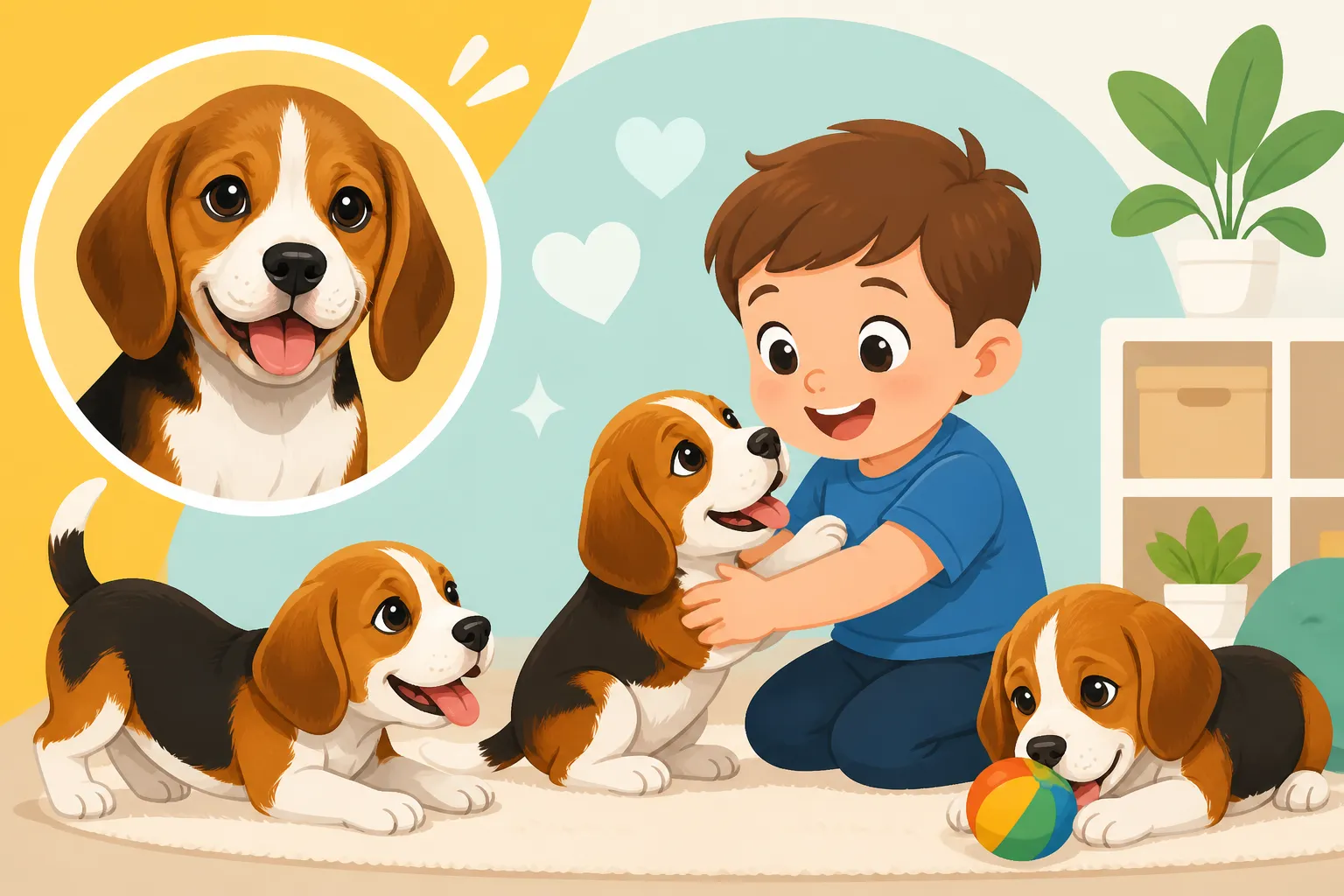
Bringing a new beagle puppy into a home with small children is often a heartwarming dream, a picture-perfect image of companionship. However, the reality can quickly become a juggling act of managing puppy energy, tiny hands, and conflicting instincts. That adorable puppy nip can feel much less cute when it lands on sensitive skin, and a child's playful enthusiasm can easily overwhelm a small, vulnerable pup. This guide aims to prepare you for these delightful, yet often challenging, dynamics, offering practical advice to create a safe and loving environment where both your beagle puppy and young children can thrive together.
Understanding Both Sides: Puppy Instincts vs. Child Behavior
Successfully integrating a beagle puppy with small children requires a deep understanding of what makes each tick. It’s not about blame; it’s about recognizing natural behaviors and setting everyone up for success. Ignoring these inherent traits is where misunderstandings and potential problems often begin.
Puppy Instincts: Play, Mouth, and Explore
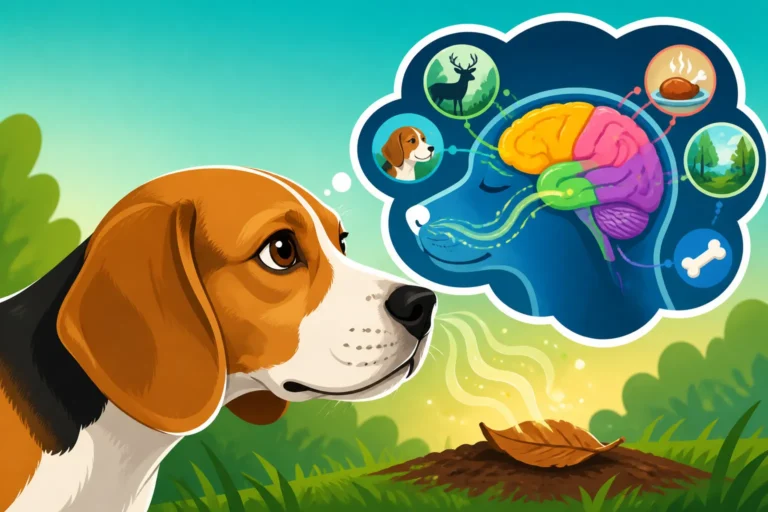
A beagle puppy, like any young dog, is a bundle of instinct-driven behaviors. They explore the world with their mouths, they play rough with their littermates, and they have boundless energy. These aren't malicious acts; they're how a puppy learns and interacts.
When a beagle puppy nips, it's often a form of play or exploration, mirroring how they'd interact with their littermates. They're learning bite inhibition, figuring out how much pressure is too much. To a human child, however, even a gentle nip can be startling or painful, leading to tears and fear. This is particularly relevant as beagle puppies go through their intense teething phase. You might find our guide on Beagle Puppy Nipping and Where It Comes From helpful here. Similarly, a puppy's exuberance – jumping, running, pouncing – is perfectly normal, but a small child can easily be knocked over or intimidated. They're also driven by their incredible noses, making them highly distractible, especially if a child has sticky fingers or drops food.
Child Behavior: Curiosity, Inexperience, and Volume
Children, especially toddlers and preschoolers, are equally driven by their own developmental stages. They are naturally curious, sometimes impulsive, and often lack the fine motor skills or understanding of boundaries that older individuals possess.
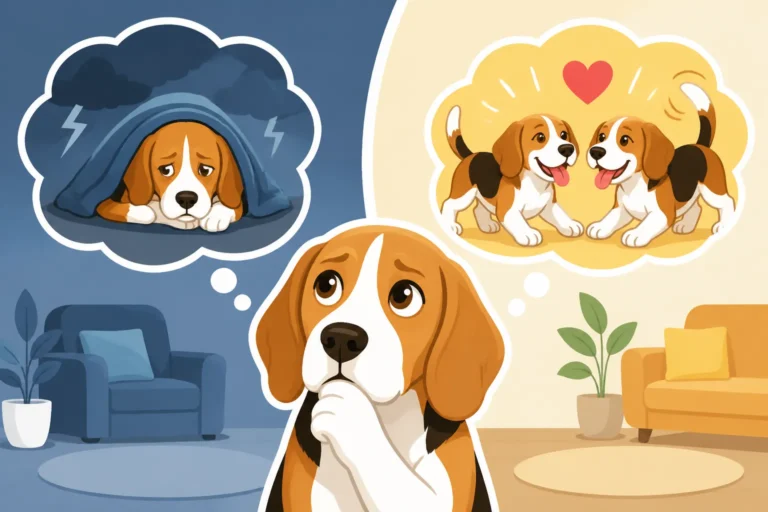
A child's approach to a puppy might involve hugging, pulling tails, poking eyes, or loud squeals of excitement. They don't mean to hurt the puppy; they're simply expressing affection or curiosity in ways that aren't always appropriate for an animal. Their movements can be sudden and unpredictable, which can startle a puppy. And let's not forget the volume! A child’s sudden scream or excited shout can easily overwhelm a sensitive puppy, potentially leading to fear or defensive reactions. It’s a delicate dance where patience and constant vigilance from adults are absolutely crucial.
Setting Up for Success: Management and Supervision
The foundation of a harmonious home with a beagle puppy and small children lies in proactive management and unwavering supervision. You simply cannot expect a puppy and a child to instinctively know how to interact safely.
Creating Safe Zones for Both
One of the most effective strategies is to establish clear "safe zones" where each can retreat without interference. This is not about separating them entirely, but about giving them dedicated spaces.
For your beagle puppy, a sturdy crate or a puppy playpen is invaluable. This is their sanctuary, a place where they can sleep, chew a safe toy, and relax without being bothered. Teach both the puppy and the children that when the puppy is in its crate or pen, it is off-limits. You can find excellent, durable playpens and gates on platforms like Amazon that can create these essential barriers. These tools are crucial for Crate Training a Beagle Bred to Sleep in a Pack and giving them peace. Conversely, ensure your children have their own designated play areas where the puppy isn't allowed unsupervised. Baby gates can be your best friend here, keeping a curious puppy out of a child's room full of small, swallowable toys, or a child away from the puppy's food bowl. This physical management helps prevent unwanted interactions before they happen, reducing stress for everyone involved.
Constant, Active Supervision
There is simply no substitute for active, hands-on supervision when your beagle puppy and small children are in the same room. This isn't passive watching; it's anticipating potential issues and intervening before they escalate.
This means you're always present, always observing their interactions, and ready to step in. If a child approaches the puppy too quickly, you gently guide the child or distract the puppy. If the puppy gets overexcited and starts to mouth, you redirect it to a appropriate chew toy or separate them calmly. Never leave a puppy and a small child alone, even "just for a second." Accidents happen incredibly fast. Think of yourself as a referee, constantly facilitating positive interactions and preventing negative ones. It's a demanding job, especially in the early months, but it's vital for building a foundation of trust and respect between your puppy and your children.
Teaching Respect: Training for Both Puppy and Child
Integration isn't just about managing spaces; it's about teaching appropriate behavior to both species in your home. This dual approach is key to long-term success.
Training Your Beagle Puppy for Gentle Interactions
Your puppy needs to learn how to interact gently with children, and this starts with basic obedience and bite inhibition. Enroll your puppy in a positive reinforcement training class, or consider an online program like those offered by BAXTER & Bella, which often have modules on living with children.
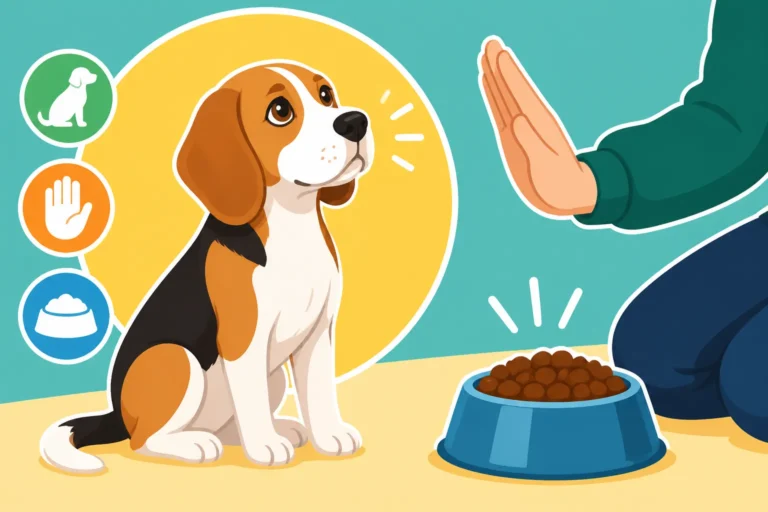
Teach your puppy basic cues like "sit," "stay," and "off." These commands will be invaluable for managing their excitement around children. For instance, if your puppy is prone to jumping, teaching "off" can prevent them from knocking over a child. Crucially, focus on bite inhibition. When your puppy mouths too hard, let out a high-pitched yelp (like a puppy would) and withdraw attention. If they continue, calmly put them in their safe zone for a short "time out." This teaches them that gentle mouths get to stay in the game, while hard mouths end the fun. It’s also important to socialize your puppy extensively, exposing them to a variety of sights, sounds, and gentle people, which helps create a confident and adaptable dog. Don't forget, Beagle Puppy Sound Exposure Before Sixteen Weeks is vital for their development.
Teaching Children How to Interact Safely
Equally important is teaching your children how to interact respectfully and safely with the puppy. This is an ongoing lesson that requires consistent reinforcement from you.
Start by explaining that the puppy is a living creature, not a toy, and has feelings. Teach them the "petting rule": always pet gently on the back or chest, never grab at the tail, ears, or face. Show them how to approach the puppy slowly and calmly, rather than running or making sudden movements. Teach them to speak in soft voices around the puppy and to give the puppy space, especially when it's eating, sleeping, or in its crate. Use clear, simple language and demonstrate appropriate interactions yourself. It can be helpful to have a designated "puppy time" where children are allowed to interact under strict supervision, using a soft voice and gentle hands, and then teach them when to step away. A common mistake is allowing children to constantly chase or harass a puppy, which can lead to fear and reactivity in the dog.
Here's a quick guide to help reinforce these lessons:
| Situation | Child Behavior to Encourage | Child Behavior to Discourage | Why It Matters |
|---|---|---|---|
| Approaching Puppy | Slow, calm movements; speaking softly; asking for permission (if old enough) | Running at puppy; loud shouts; sudden grabs | Prevents startling the puppy, fosters trust, reduces fear-based reactions. |
| Petting Puppy | Gentle strokes on back/side; "two-finger" pets; stopping if puppy moves away | Pulling ears/tail; poking eyes; squeezing; hugging tightly | Prevents pain/discomfort for puppy; teaches respect for boundaries; reduces nipping. |
| Playtime | Using appropriate toys (e.g., rope toys); gentle rolling of balls | Using hands/feet as toys; chasing relentlessly; teasing with toys | Prevents accidental bites; teaches puppy appropriate play; avoids overstimulation. |
| Puppy's Space | Giving space when eating/sleeping; respecting crate/playpen | Disturbing resting puppy; reaching into food bowl; entering crate | Reduces resource guarding; allows puppy rest; prevents defensive reactions. |
| If Puppy Nips | "Be still like a tree"; telling an adult | Yelling; running away screaming; hitting puppy | Running can trigger chase instinct; hitting can make puppy fearful/defensive. |
Positive Reinforcement for Everyone
Both your puppy and your children respond wonderfully to positive reinforcement. Praise your puppy enthusiastically for calm behavior around children. Reward them with a treat or a favorite toy when they lie down quietly while the children play nearby.
Similarly, praise your children when they interact gently and respectfully with the puppy. Tell them specific things they did well, like "I love how softly you petted the puppy!" or "Thank you for letting the puppy sleep in its bed." This positive feedback makes them feel good and encourages them to repeat desirable behaviors. Remember, both puppies and children are learning, and mistakes will happen. Patience, consistency, and a positive attitude from you are the greatest tools you have.
Common Challenges and How to Address Them
Even with the best intentions, integrating a beagle puppy into a home with small children comes with its unique set of challenges. Being prepared for these can make all the difference.
Managing Nipping and Mouthiness
This is perhaps the most common challenge. Beagle puppies are naturally mouthy, and children's quick movements and high-pitched voices can unfortunately trigger this behavior. The key is consistent redirection and teaching bite inhibition.
When your puppy nips a child, immediately but calmly separate them. You can use the "yelp and ignore" method or a brief "time out" in their crate. Then, redirect the puppy to an appropriate chew toy. Keep plenty of engaging chew toys available that are more enticing than little fingers. Tough rubber toys or puzzle feeders from Amazon filled with a treat can be excellent distractions. Ensure children understand that they should never use their hands or feet as toys. This also ties into Beagle Puppy Teething and Hard Mouthing, where having appropriate chew items is essential. If nipping persists or becomes more aggressive, it's crucial to consult a professional positive reinforcement trainer for personalized guidance.
Dealing with Overexcitement and Jumping
Beagles are energetic little dogs, and their excitement can manifest as jumping, pouncing, or running circles, which can be overwhelming or even dangerous for small children.
The best approach here is to manage the environment and train alternative behaviors. Keep a leash on your puppy indoors when children are present, allowing you to gently guide them away or step on the leash to prevent jumping. Teach your puppy to "sit" for attention rather than jumping. When they approach a child, have the child or you ask them to "sit," and then reward them for doing so calmly. Practice this repeatedly. If the puppy gets too excited, calmly remove them from the situation for a few minutes in their safe zone, and then reintroduce them when they've settled. Consistent exercise for your beagle is also paramount; a tired beagle is a well-behaved beagle. Ensure they get plenty of Scent Walks That Wear a Beagle Out and other forms of appropriate activity.
Preventing Resource Guarding
Beagles have a strong food drive, and while not all will resource guard, it's essential to prevent it from developing, especially around children. Resource guarding is when a dog becomes protective of its food, toys, or even resting spots.
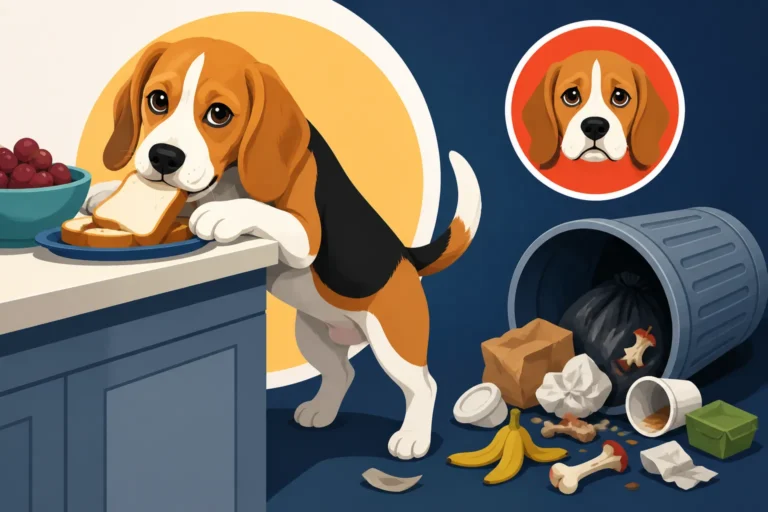
Never allow children to approach a puppy while it's eating, chewing a bone, or sleeping in its crate. This goes back to respecting their safe zones. Feed your puppy in its crate or a separate room where it won't be disturbed. When giving high-value treats or chews, ensure the puppy is in a quiet, undisturbed area. Practice "trade" games with your puppy, where you offer a higher-value treat in exchange for something they're guarding, teaching them that human hands near their resources mean good things, not threats. For specific guidance on this, our article on Beagle Counter Surfing and Trash Raiding touches on similar food-related behaviors. Early intervention and consistent management are critical to prevent this from becoming a serious issue.
Integrating a beagle puppy into a family with young children is a journey, not a destination. There will be good days and challenging days. But with patience, consistent training for both puppy and children, and unwavering supervision, you can foster a beautiful, lifelong bond built on mutual respect and understanding.
Disclaimer
This article is for general informational purposes only and does not constitute professional advice. Laws, prices and regulations vary by location and change over time. Consult a qualified professional for guidance on your specific situation.