The Treats a Beagle Will Work Hardest For
A common frustration for many Beagle owners is finding that perfect motivator during training. You try everything, but your clever hound often seems more interested in the lingering scent of last week's squirrel than your enthusiastic commands. The good news is, Beagles are almost universally food-driven, which can be your biggest asset if you know how to wield it. This comprehensive guide will dive deep into understanding what makes a Beagle tick when it comes to treats, helping you discover the high-value rewards that will transform your training sessions from a struggle into a joyful success.
Understanding the Unique Appetite of a Beagle
Beagles are renowned for their incredible sense of smell and their equally incredible appetite. These two traits are deeply intertwined, shaping their world and, consequently, their trainability. If you've ever tried to walk a Beagle past a dropped french fry, you know exactly what I mean. Their entire being is geared towards finding and consuming things that smell interesting, and often, that means food.
The Beagle's Incredible Sense of Smell and Its Impact on Motivation
Imagine experiencing the world primarily through your nose. That's a Beagle's reality. With up to 220 million scent receptors, their olfactory system is thousands of times more powerful than ours. This isn't just a fun fact; it's fundamental to understanding their motivation. When you offer a treat, it's not just the taste they anticipate; it's the rich, complex aroma that captures their entire attention, often overriding every other stimulus around them. The 220 Million Receptors Behind a Beagle's Nose can draw them to a scent trail for miles, and it can also focus them intensely on a tiny crumb in your hand.
This profound connection to scent means that a treat's smell often dictates its value more than its actual taste. A highly aromatic treat, even a small one, can cut through distractions like nothing else. Think about strong cheeses, pungent meats, or even certain soft, semi-moist commercial treats—their scent signature travels further and registers more powerfully in your Beagle's brain, making them an irresistible proposition during a training session. This is why a bland biscuit might get a polite sniff, but a piece of cooked chicken will elicit immediate, unwavering focus.
Harnessing this super-sense means choosing treats that pack an olfactory punch. If a treat smells good to you, it's likely a thousand times better for your Beagle. This is particularly crucial when working in distracting environments, such as a park filled with tempting smells of other dogs and wildlife. A truly high-value treat, rich in scent, can be the key to breaking through their concentration on external stimuli and getting their attention back on you and the task at hand. It's not about being stubborn; it's about being incredibly engrossed in a world of smells.
Why "Food Motivated" is an Understatement for a Beagle
For many breeds, food is a pleasant reward. For a Beagle, food is life. They were selectively bred for centuries to hunt in packs, following scent trails for hours on end, and when the hunt was over, competing for resources. This historical imperative has cemented an incredibly strong food drive into their very DNA. It's not just about hunger; it's about an innate drive to forage, scavenge, and secure every edible crumb. This deeply ingrained instinct means that "food motivated" barely scratches the surface of a Beagle's relationship with edibles.
This intense drive means that, when it comes to training, food is almost always your best bet as a primary motivator. Verbal praise and toys certainly have their place, but nothing quite compares to the immediate, tangible reward of a delicious morsel for a Beagle. They learn quickly that performing a desired action—like a quick "sit" or a reliable "come"—directly leads to that highly anticipated treat. This direct correlation makes positive reinforcement training incredibly effective, turning even complex commands into achievable goals. High-Value Food and How Fast a Beagle Learns is a testament to this inherent trait.
However, this powerful food drive also presents its challenges. A Beagle's determination to find food can lead to counter surfing, trash raiding, and scavenging on walks. Understanding this isn't about blaming the dog; it's about appreciating their intrinsic nature and designing your training and environment accordingly. By consistently using high-value treats in structured training, you teach your Beagle that you are the source of the best rewards, which can help redirect their scavenging instincts towards earning those treats from you instead of illicit sources. Beagle Counter Surfing and Trash Raiding are common issues rooted in this strong drive.
The Gold Standard: Identifying Truly High-Value Treats
Not all treats are created equal in the eyes (or nose!) of a Beagle. To truly capture their attention and motivate them during training, you need to understand what constitutes a "high-value" treat for these discerning hounds. It's about more than just taste; texture, size, and even how easily they can be consumed play a crucial role.
The Characteristics of an Ideal Training Treat for Beagles
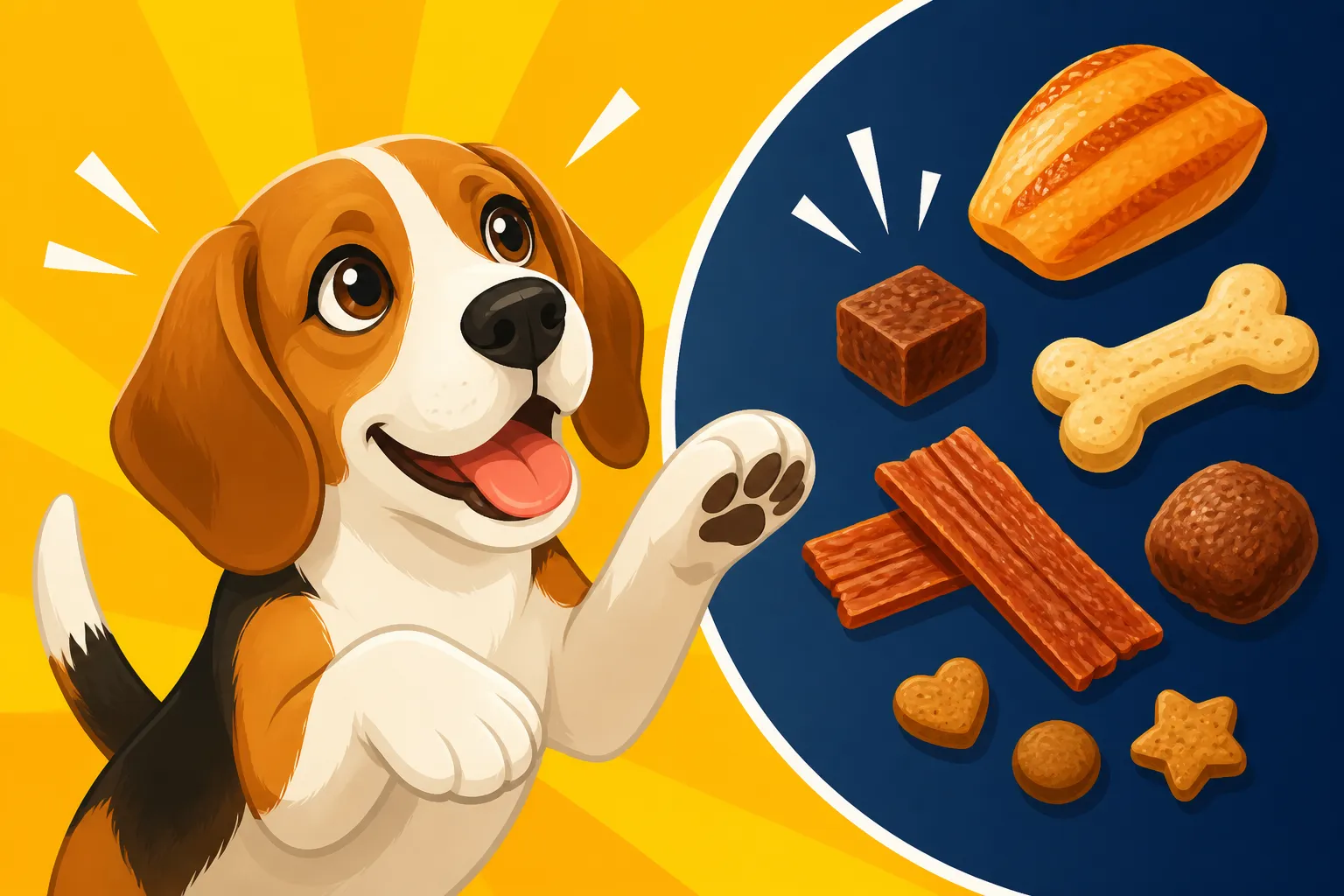
An ideal training treat for a Beagle is small, soft, and extremely palatable. "Small" means bite-sized—something they can gobble down in a second without needing to chew extensively. This is critical because you want to reward instantly and move on to the next repetition without breaking the flow of your training session. If your Beagle has to spend five seconds munching, they've lost focus, and the connection between the action and the reward weakens. Aim for pea-sized or even smaller. Treats Small Enough for a Hundred Beagle Repetitions are perfect for rapid-fire sessions.
"Soft" is equally important. Hard, crunchy biscuits take longer to eat and can distract from the lesson. Soft, chewy treats, whether commercially made or pieces of cooked meat, are far easier for a Beagle to consume quickly. This means less choking risk, especially for a Beagle that might inhale its food without much chewing. A soft treat also typically has a stronger aroma, which, as we discussed, is a huge motivator for their powerful noses.
"Palatable" essentially means it tastes amazing to them. This often translates to treats that are rich in meat or fat content, or simply have a very strong, appealing scent. Every Beagle has its personal favorites, but generally, treats that are moist, savory, and easily digestible will win out over dry, crumbly options. The combination of these three characteristics—small, soft, and palatable—creates the ultimate training currency for your Beagle.
Safe and Irresistible Human Foods Your Beagle Will Love
Many human foods can be fantastic, high-value treats for Beagles, often superior to commercial options in terms of appeal and cost-effectiveness. The key is knowing which foods are safe and preparing them appropriately. Cooked lean meats like chicken breast, turkey, or small bits of roast beef are usually at the top of a Beagle's "most wanted" list. They are packed with protein, highly aromatic, and can be easily cut into tiny, soft pieces. Just ensure they are plain, without seasoning, sauces, or excessive fat.
Beyond meats, some vegetables and fruits can also serve as excellent high-value rewards. Small pieces of boiled sweet potato, steamed green beans, or even tiny apple chunks (seeds removed, as apple seeds contain cyanide) are often well-received. Cottage cheese or plain yogurt in tiny dollops can also be a special, soft treat. The important thing is to introduce new foods in very small quantities to monitor for any digestive upset, and to avoid anything on the "toxic to dogs" list, such as onions, garlic, grapes, raisins, chocolate, and xylitol. What a Beagle Should Never Be Allowed to Eat is a crucial read before experimenting.
When preparing human food for treats, remember the "small and soft" rule. Cooked chicken can be shredded or diced into pea-sized pieces. Sweet potato should be soft enough to mush quickly. If you're using something like string cheese, tear off tiny fragments. These fresh, unadulterated options often have a natural aroma and flavor that commercial treats struggle to replicate, making them incredibly effective for demanding training scenarios or when you need to maintain intense focus from your Beagle.
Top-Tier Commercial Training Treats That Deliver
For convenience and consistency, commercial training treats are invaluable. When selecting them, look for brands that prioritize high-quality, recognizable ingredients and avoid excessive fillers, artificial colors, or preservatives. Many excellent options are available from reputable brands, often found easily on platforms like Amazon or in your local pet supply store. Key things to look for include:
- Meat as the First Ingredient: This indicates a higher protein content and often a stronger, more appealing flavor and scent.
- Soft and Chewy Texture: As discussed, this aids in quick consumption and sustained focus. Many brands offer "soft and chewy" or "semi-moist" formulas specifically designed for training.
- Small Size: Opt for treats labeled "mini" or "training treats" to ensure they're appropriately sized for quick rewards. If they're a bit too large, you can often break or cut them into smaller pieces.
Brands like Zuke's Mini Naturals, Wellness Soft Puppy Bites (even for adult Beagles), or Pet Botanics Training Rewards are often popular choices that meet these criteria. Freeze-dried meats, while sometimes a bit crumbly, can also be incredibly high-value due to their intense natural scent and flavor. Many companies, including those that offer online training programs like BAXTER & Bella, will often recommend specific types of high-value treats to complement their positive reinforcement methods, knowing how crucial the right motivator is. Always check the ingredient list for potential allergens if your Beagle has sensitivities, and consider limited-ingredient options if needed.
| Treat Category | Examples | Value Level | Texture/Size | Pros | Cons |
|---|---|---|---|---|---|
| Human (Meat) | Cooked chicken, turkey, lean beef | Very High | Soft, easily cut | Extremely palatable, strong scent, natural, no additives | Requires preparation, can spoil quickly, risk of unwanted fat/seasoning |
| Human (Veg/Dairy) | Boiled sweet potato, green beans, cottage cheese | High | Soft | Healthy, some aroma, good for allergies (selectively) | Less universal appeal than meat, some prep needed |
| Commercial Soft | Zuke's Mini Naturals, Wellness Soft Bites | High | Soft, small | Convenient, consistent, formulated for dogs, easy to carry | Can contain fillers, may not be as high-value as fresh meat |
| Freeze-Dried | Single-ingredient meat treats | Very High | Crunchy, can be crumbly | Intense flavor, lightweight, good shelf life, limited ingredients (often) | Can be more expensive, can be messy, some Beagles prefer softer |
Smart Treat Strategies for a Healthy Beagle
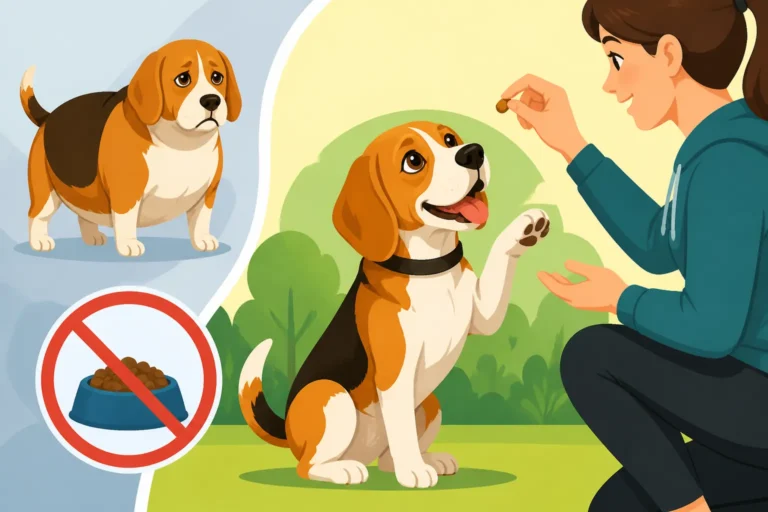
While treats are a powerful training tool, it's easy for Beagles, with their endless appetites, to pack on extra pounds. Maintaining a healthy weight is paramount for their overall well-being and to prevent issues like Beagle Obesity Treated as a Health Problem. Strategic treat usage is key to harnessing their food drive without compromising their health.
Integrating Treats into a Balanced Diet Without Weight Gain
The most critical step in preventing weight gain from treats is to account for them in your Beagle's daily calorie intake. Treats are not "free" food; they contribute to their overall energy consumption. If you're using a lot of high-value treats during a training session, you should be reducing the amount of kibble in their regular meals. This doesn't mean skipping meals, but perhaps shaving off a quarter cup from dinner or distributing that reduction across both meals. Daily Calories for a 13-Inch Against a 15-Inch Beagle vary, so knowing your dog's ideal weight and calorie needs is essential.
Another strategy is to make your Beagle "work" for a portion of their regular meal. Instead of putting all their kibble in a bowl, use a portion of it as training rewards throughout the day. This turns their daily food into a training opportunity, ensuring they're still getting their necessary nutrition without adding extra calories. For instance, before letting your Beagle outside, ask for a sit, then reward with a few pieces of their kibble. This method aligns perfectly with Keeping a Beagle Lean While Training With Treats.
Furthermore, choose low-calorie, high-value treats whenever possible. Small pieces of carrot or cucumber can be surprisingly motivating for some Beagles and add very few calories. If using commercial treats, opt for ones explicitly designed to be low in calories, or those you can break into minuscule fragments. The goal is to provide just enough of the reward to make the connection, not to fill them up. Remember, for a Beagle, even a tiny taste is a powerful incentive.
Addressing Allergies and Sensitivities with the Right Treats
Just like humans, Beagles can develop food allergies or sensitivities, often manifesting as itchy skin, ear infections, or digestive upset. If your Beagle is prone to these issues, careful treat selection becomes even more vital. Common allergens include chicken, beef, dairy, wheat, and soy, though any ingredient can potentially cause a reaction. If you suspect an allergy, your vet might recommend an elimination diet, which will then guide your treat choices.
For Beagles with sensitivities, novel protein treats are often a good starting point. This means proteins your dog hasn't been widely exposed to, such as duck, venison, rabbit, or even kangaroo. These can be found in limited-ingredient commercial treats or prepared at home (e.g., plain, cooked duck breast). Similarly, choosing single-ingredient treats, like freeze-dried salmon or sweet potato chews, minimizes the risk of hidden allergens. Read labels carefully, even on treats that seem simple, as cross-contamination can occur during manufacturing.
Another consideration is the use of grain-free treats if grains are a suspected allergen. However, it's important to discuss grain-free diets with your vet, as current research suggests some potential links between certain grain-free foods and heart conditions. The best approach is always a consultation with your veterinarian to identify specific allergens and then carefully selecting treats and food that avoid those ingredients entirely. Your Beagle deserves to be both well-trained and comfortable in their own skin.
Maximizing the Impact of Treats in Training
Beyond simply choosing the right treats, how you deliver them can significantly amplify their effectiveness in training your Beagle. It’s about timing, consistency, and gradually shifting their motivation from pure food to the joy of working with you.
Precision in Treat Delivery: Timing and Technique
Timing is absolutely everything in treat-based training. For a Beagle to understand what action earned the reward, the treat needs to be delivered within a second—ideally, half a second—of the desired behavior. If you delay, your Beagle might associate the treat with whatever they were doing after the correct action, leading to confusion. This is why many trainers use a clicker, as it precisely marks the moment of success, and the treat then follows immediately after the click. Beagle Clicker Training From the First Day can really help with this precision.
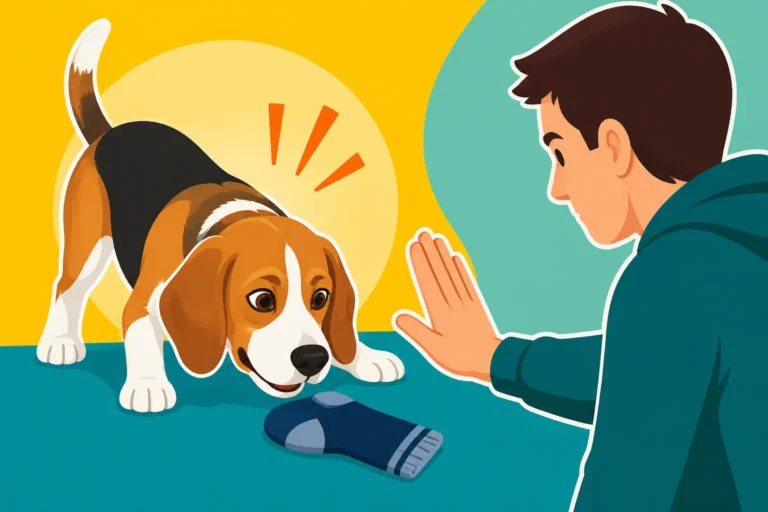
The technique of delivery also matters. Don't just toss the treat on the ground, especially if your Beagle has A Beagle That Swallows Its Food Whole. Instead, gently place it in their mouth or offer it from an open palm. This allows them to focus on you as the source of the reward, strengthening your bond and their attention on you. When practicing, try to keep your treats hidden until the moment of reward, so your Beagle isn't constantly staring at your hand, anticipating the next morsel, rather than focusing on your cues.
Furthermore, vary your treat delivery and location to keep your Beagle engaged. Sometimes offer the treat directly, sometimes a quick toss on the ground (after a solid "ok" cue) for a quick sniff-and-find, which taps into their natural scent drive. For particularly challenging behaviors or distractions, you might even string together a few tiny treats in rapid succession for a "jackpot" reward, letting your Beagle know they hit the big time with that successful action. Keep training sessions short and sweet, perhaps Five-Minute Beagle Sessions Between Sniff Breaks to maintain their enthusiasm and prevent boredom or over-stuffing.
When to Fade Treats and Introduce Other Rewards
While treats are fantastic for initially teaching new behaviors, the goal isn't for your Beagle to rely on them forever. The process of "fading" treats means gradually reducing their frequency and predictability. Once your Beagle reliably performs a command in various settings, you can start treating every other time, then every third time, and so on. This teaches them that the reward isn't guaranteed every single time, but it's always possible, which keeps them motivated without constant food.
As you fade food treats, it's crucial to introduce and emphasize other forms of reward. This is where verbal praise, enthusiastic petting, and favorite toys come into play. Many Beagles love a quick game of fetch, a tug, or even just a happy "Good dog!" delivered with genuine excitement. These are known as "life rewards"—anything your dog naturally enjoys, such as opening the door for a walk, throwing a ball, or getting attention. Make sure to pair these non-food rewards with verbal praise so your Beagle learns to associate those words with positive outcomes.
Think of it like this: treats are the primary currency for learning, but praise and play are the long-term bonds that solidify your relationship. You'll likely always use treats for introducing new, complex behaviors or for high-distraction environments, but for everyday, well-learned commands, a varied reward system keeps your Beagle engaged and happy to work with you, whether you have a treat in hand or not. The more you can show your Beagle that working with you is a rewarding experience in itself, the stronger your partnership will become.
Disclaimer
This article is for general informational purposes only and does not constitute professional advice. Laws, prices and regulations vary by location and change over time. Consult a qualified professional for guidance on your specific situation.