Keeping a Beagle Lean While Training With Treats
It’s a common frustration for Beagle owners: you want to train your intelligent, energetic hound, but their incredible food drive means every treat-based training session feels like a race to obesity. You adore their enthusiasm, but the fear of your beloved Beagle packing on the pounds is a constant worry. This comprehensive guide is here to help you navigate the delightful challenge of training your Beagle effectively with treats, all while keeping them at a healthy, lean weight.
Understanding the Beagle's Powerful Food Drive
If you've ever owned a Beagle, you know their nose is practically attached to the ground and their stomach seems to be a bottomless pit. This isn't just a cute quirk; it's deeply ingrained in their genetics and history, and it profoundly impacts how we approach their training and overall well-being. Understanding this fundamental aspect of their nature is the first step toward successful and healthy training.
Why Beagles are Obsessed with Food
Beagles were originally bred for hunting small game like rabbits and hare. Their entire existence revolved around following a scent trail, often for hours, with an intense focus that made them oblivious to anything else around them. To sustain this high-energy work, they needed to be highly motivated by food, and historically, they would often scavenge for sustenance. This strong drive for food meant they would work tirelessly for a reward, and that instinct is still very much alive in your family pet today. It's not just hunger; it's a deeply rooted survival mechanism and a primary motivator.
This powerful olfactory system, with its 220 million scent receptors, means they are constantly processing information about food, whether it's the crumbs under the couch, a forgotten snack on the counter, or the tantalizing smells wafting from your kitchen. Their world is a smorgasbord of scents, and many of those scents lead to the promise of a tasty morsel. This makes them incredibly receptive to food rewards in training, but also means they are constantly seeking out opportunities to eat, which can quickly lead to an expanding waistline if not managed. It's a double-edged sword: a powerful training tool, but also a significant health risk if misused.
The Link Between Food Motivation and Training Success
The Beagle's intense love for food is, ironically, one of their greatest assets in training. When you find a treat your Beagle truly values, you hold the key to unlocking their focus and drive. This motivation can be channeled into teaching everything from basic obedience commands like "sit" and "stay" to more complex behaviors such as Beagle Recall That Works Before the Nose Wins or advanced scent work. A high-value treat can help your Beagle override their natural distractions, allowing them to concentrate on you and the task at hand, even in stimulating environments.
However, this effectiveness comes with a responsibility. Each treat represents calories. If you're doing multiple short training sessions throughout the day, or even just one long one, those small treats add up very, very quickly. It's easy to fall into the trap of constant treat delivery, especially when you see how quickly your Beagle responds. The trick is to leverage this motivation wisely, ensuring that the quantity and type of treats are carefully considered to maintain a healthy balance. It’s about being smart with your rewards, not eliminating them entirely, so you can achieve both a well-trained and a healthy dog.
Recognizing the Signs of an Overweight Beagle
It can be surprisingly hard to tell if your Beagle is overweight, especially with their dense double coat. Owners often get used to their dog's current size, and the gradual accumulation of pounds can go unnoticed until it becomes a significant health issue. However, keeping your Beagle lean is crucial for their long-term health, helping to prevent problems like Beagle Arthritis That Starts in Middle Age and Beagle Diabetes and Blood Sugar Control. Regular visual and tactile checks are essential to stay ahead of weight creep.
A healthy Beagle should have a noticeable waist when viewed from above, like an hourglass shape behind their ribs. When you feel along their sides, you should be able to easily feel their ribs without pressing hard, almost like feeling the back of your hand. If you have to press firmly to feel them, or if your Beagle looks like a sausage from above, they are likely carrying too much weight. Their belly should also tuck up slightly when viewed from the side, not hang low or appear distended. Ignoring these signs can lead to a host of health problems that will impact their quality of life and significantly increase veterinary costs over time. You can learn more about assessing your dog's build by looking into Body Condition Scoring a Beagle Under a Thick Coat.
Choosing the Right Treats for Training
The type and quality of treats you use for training can make a huge difference, not only in your Beagle's motivation but also in their caloric intake. It's not enough to just grab whatever is convenient; a thoughtful approach to treat selection is paramount for a lean, healthy, and well-trained Beagle.
Low-Calorie, High-Value Options
The key to keeping your Beagle lean while training is to prioritize low-calorie options that your dog still considers high-value. This means moving beyond crunchy biscuits and gravitated to fresh, wholesome alternatives. Small pieces of cooked lean meat, like chicken breast or turkey, are often incredibly motivating for Beagles and can be cut into tiny, pea-sized pieces to stretch them further. Plain, air-popped popcorn (without butter or salt) is another surprisingly low-calorie option that many Beagles adore for its crunch and novelty. Some vegetables and fruits, when cut very small, can also be effective.
Consider options like small bits of carrot, green beans, or even apple (without seeds). Many Beagles also love frozen blueberries as a refreshing and low-calorie treat. The trick is to find what your individual Beagle goes crazy for, then make sure it's prepared safely and in tiny portions. Remember, even healthy foods have calories, so portion control is always important. The goal is to maximize motivation while minimizing caloric impact, ensuring that each reward is a powerful incentive without contributing to unwanted weight gain.
Homemade vs. Commercial Treats
When it comes to training treats, you essentially have two main categories: homemade and commercial. Both have their pros and cons, and a smart strategy often involves using a mix of both. Homemade treats, such as boiled chicken or baked sweet potato, give you complete control over ingredients and portion size. You can ensure there are no unnecessary fillers, sugars, or preservatives, and you can easily cut them into super-small pieces, which is essential for repetitive training. This control allows you to provide fresh, wholesome rewards without hidden calories.
Commercial treats, on the other hand, offer convenience and a wide variety of flavors and textures. Many brands now offer "training treats" that are specifically designed to be small and low in calories. When buying commercial treats, be diligent about reading labels. Look for treats with limited ingredients, low fat content, and clear calorie counts per treat if possible. Brands widely available on platforms like Amazon often provide this information. Avoid treats with artificial colors, flavors, or excessive sugar. Ultimately, the best choice depends on your Beagle's preferences and your lifestyle, but always prioritize quality and low-calorie content.
Treat Size and Frequency: Less is More
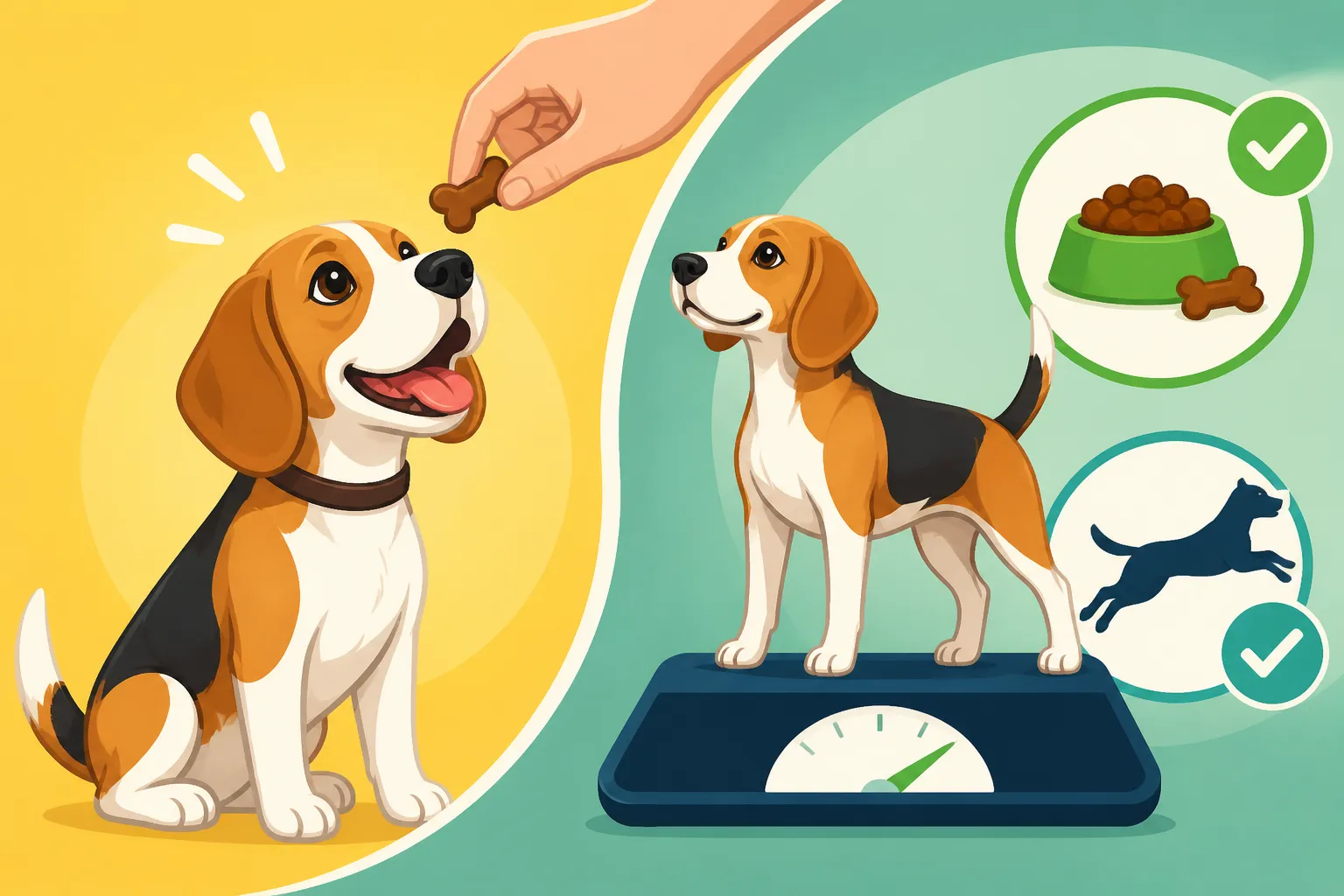
This is perhaps the most critical aspect of keeping your Beagle lean during training: how much treat you give and how often. For a Beagle, even a tiny crumb can be a powerful reward, especially if the value of the treat is high. Instead of giving a whole commercial biscuit, break it into four or six pieces. If you're using chicken, think "pea-sized" or even "lentil-sized" for quick repetitions. The goal is to give just enough to register as a reward and maintain motivation, not to fill their stomach. You'd be amazed how little it takes to make a Beagle happy during a training session.
During a typical training session, you might give dozens of treats. If each treat is substantial, those calories will accumulate rapidly. By reducing the size of each treat, you can still reward frequently, maintaining your Beagle's engagement and accelerating their learning, without overfeeding. This strategy allows for a high rate of reinforcement without the caloric burden. Always remember that for a Beagle, the opportunity to eat a high-value treat is often more important than the volume of that treat. Focus on quick, precise delivery of tiny, delectable morsels. This concept is explored further in Treats Small Enough for a Hundred Beagle Repetitions.
Integrating Treats Into Your Beagle's Daily Calorie Budget
The biggest mistake many owners make is treating training treats as "extra" food. For a Beagle that is constantly seeking food, this mindset is a fast track to weight gain. Instead, every single treat given for training must be accounted for within their total daily caloric intake. This conscious budgeting is vital for maintaining a healthy weight.
Calculating Daily Calorie Needs
Determining your Beagle's ideal daily calorie intake is the cornerstone of responsible feeding, especially when incorporating training treats. This isn't a one-size-fits-all number; it varies significantly based on your Beagle's age, activity level, metabolism, and whether they are spayed/neutered. A young, active Beagle running miles a day will need more calories than a senior Beagle whose main activity is napping. Start by consulting your veterinarian, who can provide a personalized estimate based on your dog's current weight, ideal target weight, and health status. They can help you establish a baseline.
Once you have a general caloric target, you'll need to monitor your Beagle's weight over a few weeks. If they're gaining weight, you're feeding too much; if they're losing too much, you need to increase it slightly. Many dog food brands provide caloric information per cup or gram, which is a great starting point. Remember that calorie calculators online offer estimates, but your vet's advice and your dog's body condition are the most reliable indicators. Understanding their daily needs is the critical first step in then subtracting for training treats. You can find more detailed information on Daily Calories for a 13-Inch Against a 15-Inch Beagle.
Meal Replacement with Training Treats
One of the most effective strategies for incorporating treats without adding excess calories is to use a portion of your Beagle's regular meal as their training rewards. This approach ensures that all calories consumed are accounted for. For instance, if your Beagle eats twice a day, you can set aside a small portion of their breakfast kibble or a tablespoon of their fresh food to use during your morning training session. This becomes their "working meal."
This method is particularly useful for Beagles who are highly food-motivated even by their regular kibble. It allows for extensive training sessions without adding any extra calories to their diet. You can also incorporate puzzle feeders or snuffle mats during their main meal times to stretch out the feeding experience, further reinforcing that food isn't just a free-for-all. This practice not only keeps them lean but also makes them work for their food, which can be mentally stimulating and satisfying for a breed that loves to forage. Training a Beagle With Its Own Meal Instead of Treats is an excellent way to achieve this.
Adjusting Main Meals to Compensate for Treats
When you use higher-value, separate training treats (like cheese, chicken, or commercial options), it becomes even more important to adjust your Beagle's main meals accordingly. Think of it like this: if you've given 100 calories worth of treats during a training session, you need to reduce their dinner or breakfast by roughly 100 calories. This requires a bit of math and consistency, but it's essential for weight management. This is why Measuring Beagle Food Instead of Free Feeding is so important; eyeballing it simply won't cut it with a Beagle's metabolism.
Use a kitchen scale to accurately portion out your Beagle's regular food. This removes any guesswork and ensures you're giving precise amounts. Before a training session, estimate how many treats you expect to give and their caloric value. Then, reduce the subsequent meal by that amount. It might sound tedious, but it quickly becomes second nature. If you find yourself giving a lot of treats throughout the day, consider setting aside a larger portion of their daily kibble specifically for training, rather than using separate, calorically dense items. This method, often referred to as Fitting Beagle Treats Inside a Daily Calorie Budget, keeps their overall intake consistent and prevents weight gain.
Smart Training Strategies to Avoid Weight Gain
Beyond just managing calories, there are smart training strategies you can employ to make your treat usage more impactful and less detrimental to your Beagle's waistline. It’s about being strategic with your rewards and diversifying what motivates your dog.
Using Life Rewards Beyond Food
While Beagles are undeniably food-motivated, solely relying on food misses opportunities to reinforce behavior with other powerful motivators, often called "life rewards." A life reward is anything your Beagle naturally wants to do, experience, or have. For a Beagle, this could be sniffing a particularly interesting patch of grass, getting a favorite toy, or receiving enthusiastic praise and a vigorous ear rub. Imagine you're practicing recall in the park: instead of just a treat, the reward could be being allowed to sniff a specific bush for five seconds before coming back to you.
The key is to observe what your Beagle values most in different situations and use those as rewards. Did they come when called? Great, now they get to chase a thrown ball. Did they sit patiently at the door? Fantastic, the door opens for a walk. Did they hold a stay? Awesome, now they get to play tug for a moment. By pairing these life rewards with occasional, small food treats, you can build a more robust reward system that keeps your Beagle engaged and happy without constantly adding calories. Programs like BAXTER & Bella often emphasize incorporating a wide range of rewards to build strong behaviors.
Making Training Efficient and Engaging
To minimize the number of treats needed, make your training sessions efficient, engaging, and focused. Short, frequent sessions (5-10 minutes) are often more effective than one long, drawn-out session. Beagles, with their sometimes independent nature and incredible distraction threshold, can lose focus quickly. Keeping sessions concise helps maintain their attention and makes each treat count. The more precise your timing, the clearer the communication, and the fewer repetitions (and therefore, treats) you might need to solidify a behavior.
Vary your training locations and distractions to keep things interesting. If you always train in the living room, your Beagle might get bored and require more treats to stay motivated. Take your training outside, to a quiet park, or even a friend's house. Use different types of rewards and mix up the order of commands. The more fun and unpredictable training is, the more your Beagle will be eager to participate, making the learning process smoother and requiring fewer "bribes" to keep them engaged. Remember, a bored Beagle is often a less cooperative Beagle, and that can lead to more treat usage to regain their attention.
Alternative Enrichment Activities
Beagles need more than just physical exercise; they need mental stimulation to truly thrive. This breed was built to problem-solve using their nose, and providing outlets for this natural drive can be incredibly enriching and can help reduce their constant focus on food. Instead of always rewarding with food, consider using their brainpower as a reward in itself. This can dramatically reduce the need for caloric treats.
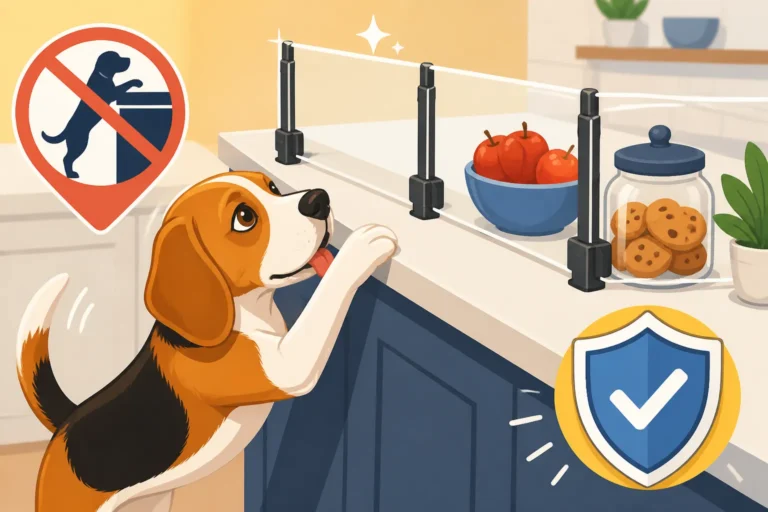
Scent work, nose work games, and tracking are fantastic ways to engage a Beagle's primary sense. You can hide treats around the house (again, using tiny, low-calorie ones or portions of their meal) and let them "hunt" for it, providing mental exercise that tires them out without a huge caloric expenditure. Puzzle feeders and snuffle mats are excellent tools that make them work for their food, slowing down ingestion and making mealtime a mental activity. Even a simple "find it" game with a toy can be highly stimulating. These activities offer a vital outlet for their instincts, diverting their attention from constantly seeking additional food and reducing the likelihood of boredom-driven eating or Beagle Counter Surfing and Trash Raiding.
Monitoring Your Beagle's Weight and Body Condition
Maintaining a healthy weight for your Beagle isn't a one-time achievement; it's an ongoing commitment. Regular monitoring and adjustments are necessary, especially as their age, activity level, and metabolism change over time. Being proactive can prevent small gains from turning into significant health challenges.
Regular Weight Checks at Home
While your vet will weigh your Beagle during annual check-ups, it's incredibly helpful to monitor their weight more frequently at home. Small fluctuations can be caught early, allowing you to make minor adjustments to their food or exercise before a significant problem develops. You can weigh your Beagle by first weighing yourself on a bathroom scale, then picking up your Beagle and weighing both of you together. Subtract your weight from the combined weight to get your Beagle's weight.
Aim to do this once every week or two, and keep a simple log. This data can be invaluable for understanding trends, especially if you're actively working on weight management or incorporating new training methods. If you notice a consistent upward trend, it's a clear signal to reassess their food portions, treat intake, and exercise regimen. This kind of consistent monitoring, combined with regular Weighing a Beagle at Home Between Vet Visits, empowers you to be an active participant in your Beagle's health.
The Importance of Body Condition Scoring
Beyond the number on the scale, understanding your Beagle's body condition score (BCS) is perhaps even more critical. The BCS is a hands-on assessment of fat deposits, allowing you to gauge whether your Beagle is too thin, ideal, or overweight. As mentioned earlier, with a Beagle's dense coat, visual cues alone can be misleading. You need to use your hands.
The standard BCS scale typically ranges from 1 (emaciated) to 9 (obese), with 4 or 5 being ideal. An ideal Beagle should have easily palpable ribs with a slight fat covering, a discernible waist when viewed from above, and an abdominal tuck. If their ribs are difficult to feel, if there's no visible waist, or if their abdomen sags, they are likely overweight. Your veterinarian can teach you how to properly perform a BCS, and many online resources (including veterinary websites) provide charts with visual and descriptive examples. Regularly performing a BCS, as highlighted in Body Condition Scoring a Beagle Under a Thick Coat, ensures you're assessing their fat levels, not just their overall mass.
When to Consult Your Veterinarian
While you are your Beagle's primary caregiver, your veterinarian is your essential partner in maintaining their health and ideal weight. Don't hesitate to reach out to them if you're struggling to manage your Beagle's weight, or if you have concerns about their body condition. They can help you fine-tune calorie calculations, rule out underlying medical conditions (like Beagle Hypothyroidism and Sudden Weight Gain) that might contribute to weight gain, and develop a safe and effective weight loss plan if needed.
Your vet can also recommend specific prescription weight loss diets or refer you to a veterinary nutritionist for more specialized guidance. If your Beagle is on medication, or has other health issues, their weight management plan might need careful adjustment. Never make drastic changes to your Beagle's diet or exercise without professional advice. Your vet is there to support you in ensuring your Beagle lives a long, healthy, and happy life, free from the burdens that excess weight can bring.
| Treat Type | General Calorie Density | Pros | Cons | Training Suitability |
|---|---|---|---|---|
| Boiled Chicken (lean) | Low | High value, easily portioned, pure protein | Requires preparation | Excellent |
| Carrot (small pieces) | Very Low | Crunchy, healthy, widely available | Some Beagles may not find it high value | Good |
| Green Beans | Very Low | Filling, healthy, easily frozen | Lower palatability for some Beagles | Good |
| Plain Air-Popped Popcorn | Very Low | Novel texture, satisfying crunch | No butter/salt, might be messy | Good |
| Commercial Training Treats | Low-Medium | Convenient, consistent, often palatable | Can vary in quality, still add up | Excellent |
| Regular Kibble | Medium | Already part of diet, no extra calories | Lower value than special treats for some | Good |
Disclaimer
This article is for general informational purposes only and does not constitute professional advice. Laws, prices and regulations vary by location and change over time. Consult a qualified professional for guidance on your specific situation.