How Loud a Beagle Bay Actually Measures
The distinct, resonant sound of a Beagle's bay is something that delights some, but often frustrates owners and neighbors alike, especially when it reaches peak volume. It's a hallmark of the breed, a sound ingrained through centuries of hunting, and it's notoriously loud. This guide will delve deep into the Beagle's unique vocalizations, exploring just how loud that iconic bay truly measures, why it's so pervasive, and what you can realistically do to manage it in your home and community.
Understanding the Beagle's Unique Vocal Repertoire
When you live with a Beagle, you quickly learn that they don't just "bark" in the way many other dogs do. Their vocalizations are rich, varied, and often quite dramatic, reflecting their heritage as scent hounds. It’s a full-body expression, often accompanied by a quivering nose and an intense focus on whatever has captured their interest.
The Anatomy of a Beagle's Voice
A Beagle's vocal cords and respiratory system are particularly adapted to produce the loud, sustained sounds necessary for hunting. Think about it: a pack of Beagles needed to communicate effectively over long distances in fields and forests, alerting hunters to the trail. Their lung capacity and the structure of their larynx allow for prolonged exhalations that result in the drawn-out, melodious (to some!) bay. It’s not just a quick "woof"; it’s a deep, resonant cry that seems to come from their very core, designed to project far and wide. This isn't an accident of nature; it's a carefully selected trait cultivated by breeders for generations.
This means that while any dog can make noise, a Beagle’s vocal equipment is optimized for loud noise, specifically the bay. When they hit that deep, throaty note, you can often feel the vibrations, a testament to the power behind their calls. It’s a sound that’s hard to ignore, and for good reason – it was never meant to be ignored. It served a crucial function in the hunt, signaling a discovery or alerting the pack to a change in scent.
Differentiating Bay, Bark, and Howl
Beagles have a fascinating range of sounds, and understanding the difference between their bay, bark, and howl is key to interpreting their communication. A "bark" in a Beagle is often sharper, more abrupt, and typically used for immediate alerts, like someone at the door or a sudden noise. It’s more of a warning or an attention-grabber. You might hear it a few times in succession, but it's usually distinct from their signature sound.
The "bay," on the other hand, is the quintessential Beagle sound. It’s a long, drawn-out, mournful, yet often excited, vocalization, usually starting with a deep "a-woo-woo-WOOOO!" and often trailing off. It's the sound they make when they’re on a scent trail, when they're particularly excited, or sometimes when they’re feeling lonely. If you've ever heard a pack of Beagles at a field trial, you know What a Beagle Bay Actually Sounds Like – it's a cacophony of these resonant calls. Then there's the "howl," which is less common for many pet Beagles, but still within their repertoire. A howl is usually more sustained, higher-pitched, and often signals loneliness or a response to a siren or other high-pitched sounds. Telling a Beagle Bark From a Bay From a Howl can really help you understand what your dog is trying to tell you and manage the situation more effectively.
Measuring the Decibels: How Loud Is That Bay?
When a Beagle opens up and lets out a full-throated bay, it's not just emotionally loud; it's acoustically loud. This isn't merely an observation; it's something that can be measured and quantified, and the numbers often surprise people who haven't lived with one of these vocal hounds. The sheer power of their lungs and vocal cords is truly impressive, even if it sometimes sends shivers down your spine or has the neighbors knocking.
Average Decibel Levels
So, how loud can a Beagle's bay get? Generally, a Beagle's bay can easily reach levels between 90 to 105 decibels (dB). To put that into perspective, the hum of a refrigerator is around 40 dB, normal conversation is about 60 dB, and a vacuum cleaner runs around 70 dB. An alarm clock is usually in the 80 dB range. So, when your Beagle is truly letting loose, they are producing sound levels comparable to a lawnmower (90 dB), a motorcycle (100 dB), or even a rock concert (110 dB).
Sustained exposure to sounds above 85 dB can cause hearing damage over time, which isn't just a concern for humans, but also for the Beagle themselves if they are consistently baying at high volumes in enclosed spaces. It’s a seriously powerful sound output, far beyond what many might imagine for a medium-sized dog. This level of noise is why A Beagle Howl Measured in Decibels can lead to complaints and why owners feel such intense pressure when their dog gets vocal.
Comparing to Other Household Noises
To truly appreciate the intensity of a Beagle's bay, let's look at it next to other common sounds you might encounter daily. Imagine the surprise when your seemingly docile family pet can produce a sound louder than your television set at full volume or even your kitchen blender!
| Sound Source | Average Decibel Level (dB) | Perception | Potential Impact on Hearing |
|---|---|---|---|
| Whispering | 30 | Very faint | No risk |
| Normal Conversation | 60 | Moderate | No risk |
| Vacuum Cleaner | 70 | Loud | Minimal risk with short exposure |
| Alarm Clock | 80 | Very loud, irritating | Risk with prolonged daily exposure |
| Beagle Baying | 90-105 | Extremely loud, piercing, insistent | Risk of damage with sustained exposure |
| Lawnmower | 90 | Very loud | Risk with regular, unprotected exposure |
| Motorcycle | 100 | Extremely loud | Significant risk with short exposure |
| Rock Concert / Chainsaw | 110 | Deafening | High risk of immediate damage |
| Jet Engine at Takeoff | 140 | Painful, immediate damage likely | Immediate, severe damage |
This table really drives home that a Beagle’s bay isn't just "noisy"; it's a significant sound event. It's far above the level of background noise and can quickly become disruptive. This level of noise output is one of the reasons why managing a Beagle's vocalizations is often a top priority for owners, impacting everything from daily routines to neighborly relations.
Factors Influencing Loudness
While the breed standard sets a high bar for vocal intensity, several factors can influence just how loud and persistent your individual Beagle's bay becomes. These aren't just random occurrences; often, there's a trigger or an underlying reason amplifying the volume and frequency.
Firstly, genetics play a huge role. Beagles from strong hunting lines, where vocalization was prized for tracking, might naturally have a louder, more sustained bay than those bred primarily for companionship or the show ring. Their ancestors were quite literally bred to bay as loudly as possible to signal to hunters. Secondly, the environment matters. An enclosed space, like an apartment or even a small room, can amplify sound, making a 95 dB bay feel like 110 dB. Echoes and reverberations make the noise much more intrusive. Conversely, an open field might seem less intense, but the sound will carry much further. Thirdly, a Beagle's emotional state dictates a lot. An excited Beagle, who has just caught a thrilling scent, might bay with more fervor than one simply expressing mild boredom. Anxiety or loneliness can also lead to more frantic and louder vocalizations, as they try to "call" for their pack (you!). Why a Beagle Bay Carries Three Houses Down is often a combination of these inherent vocal abilities and environmental factors.
Impact on Home Life and Neighborly Relations
Living with a highly vocal dog like a Beagle can present unique challenges that go far beyond just a bit of extra noise. The sheer volume and persistence of their baying can genuinely affect the quality of life inside your home and can quickly strain relationships with those living nearby. It’s not just a minor inconvenience; it can be a source of significant stress and conflict.
Inside the Home: The Owner's Experience
For the Beagle owner, the constant baying can be incredibly draining. Imagine trying to work from home, conduct a phone call, or simply enjoy a quiet evening when your dog is letting loose with an enthusiastic bay. It can make concentration impossible, disrupt sleep, and elevate stress levels for everyone in the household. Family members might find themselves constantly trying to "shush" the dog, leading to tension and frustration. It's not uncommon for owners to feel a sense of embarrassment or guilt, worrying about the impact on their own peace and quiet, let alone others.
Furthermore, a baying Beagle often isn't just making noise for noise's sake; they're trying to communicate. Interpreting these vocalizations can become a constant puzzle. Is it boredom? Loneliness? A squirrel outside? A genuine need? This constant decoding, combined with the unrelenting sound, can lead to genuine fatigue. Owners might find themselves avoiding certain activities or even leaving their homes to escape the noise, which is no way to live with a beloved pet.
Outside the Home: Neighborly Relations
This is where the rubber often meets the road, or rather, where the bay meets the shared wall. A Beagle's loud and carrying bay can become a serious point of contention with neighbors, especially in close-knit communities, apartments, or townhouses. What might be an endearing, albeit loud, trait to you, can be a disruptive nuisance to someone trying to sleep, work, or enjoy their own backyard.
Neighbors might not understand why your Beagle is so vocal, and their patience can wear thin quickly. This can lead to complaints, strained relationships, and even official warnings from homeowner associations or local authorities. The distinctive nature of the bay means it's hard to ignore, and its repetitive quality can feel like torture to those not prepared for it. Beagle Noise and the Neighbors Next Door is a common and serious issue for many Beagle owners, sometimes forcing difficult decisions about their pet. Many owners find themselves constantly apologizing, trying to mitigate the noise, or even feeling like they can't leave their Beagle alone for fear of upsetting the peace.
Why Beagles Are So Vocal: An Instinctive Drive
Understanding why Beagles are so vocal isn't about excusing the noise, but about recognizing the deep-seated instincts that drive it. This isn't a behavior they choose to perform out of malice; it's a fundamental part of their genetic makeup, honed over centuries of selective breeding.
The Hunter's Call: Breed History
At its core, the Beagle is a scent hound, bred to hunt rabbits and hares in packs. When a Beagle picks up a scent trail that's particularly strong or exciting, their instinct is to bay. This loud, carrying sound serves a crucial purpose: it alerts the rest of the pack, and the human hunters, that a trail has been found and where it's heading. It's a tracking signal, a call to action for the entire group. Without this vocalization, a hunter might lose their dogs in dense cover or miss the moment the quarry is located.
This deep-rooted instinct means that even if your Beagle has never seen a rabbit in its life, that primal urge to bay at an exciting scent (a squirrel, a distant dog, or even just a particularly interesting patch of grass) remains. Why Hunting Beagles Were Bred to Bay at All goes directly to the heart of this. You can't simply "train out" this instinct because it's so fundamental to what makes a Beagle, well, a Beagle. It's not disobedience; it's deeply ingrained behavior. Trying to suppress it completely can lead to frustration for both you and your dog.
Communication and Emotion
Beyond their hunting heritage, Beagles use their voices to communicate a wide range of emotions and needs. They might bay out of excitement, such as when you come home after a long day or when it's time for a walk. They might also bay out of frustration or boredom if they're not getting enough mental or physical stimulation. And perhaps most commonly for many pet Beagles, they bay out of loneliness or anxiety when left alone, a classic sign of separation anxiety. As a pack animal, being isolated can be genuinely distressing for them, and their bay becomes a cry for their missing pack members. A Beagle Howling the Moment You Leave is a common scenario that speaks volumes about their need for companionship.
It's important to remember that they're not doing it to annoy you; they're expressing themselves in the way that feels most natural and effective for their breed. For them, it's effective communication, even if for us, it's just really, really loud. Understanding the underlying emotion can help you address the root cause, rather than just trying to silence the symptom.
Environmental Triggers
Beagles are highly sensitive to their environment, and numerous external factors can trigger their vocalizations. The most obvious, of course, are scents – the lingering aroma of a squirrel, a rabbit, or even another dog passing by can send them into a baying frenzy. Visual triggers, like seeing another dog, a person, or wildlife through a window, are also common.
Auditory triggers are huge for Beagles. Sirens, distant dog barks, music, or even the sound of another door closing can set them off. They are keen listeners, and their instinct is to react to new or interesting sounds. A change in routine, visitors, or even just a shift in the weather can all be potential triggers. Identifying these specific triggers is a critical first step in managing your Beagle's vocal habits. Sometimes, it's not one big thing, but a combination of small things that cumulatively result in a sustained burst of noise.
Managing the Baying: Practical Strategies for Owners
While you can't realistically "train out" a Beagle's natural inclination to bay entirely – Why You Cannot Train the Bay Out of a Beagle – you absolutely can learn to manage it. The goal isn't silence, which is often an impossible and unfair expectation for this breed, but rather a significant reduction in frequency and intensity, and gaining control over when they vocalize.
Identifying and Reducing Triggers
The first, and arguably most important, step is becoming a detective for your Beagle's triggers. Keep a diary for a week or two, noting every time your Beagle bays: what time of day it was, what was happening immediately before (e.g., mail carrier walked by, saw a squirrel, heard a dog bark, you left the room), how long it lasted, and how intensely they vocalized. This helps you identify patterns. Is it always when you leave for work? Always when the school bus passes? Always after a certain time of day?
Once you know the triggers, you can start to reduce their impact. For visual triggers, consider using privacy film on windows, drawing curtains, or even having a dedicated "quiet zone" away from windows. For auditory triggers, a white noise machine or a radio playing soft music can help mask external sounds. For scent triggers, regular yard checks for animal droppings or signs of wildlife can help, and ensuring your fence is secure against critters digging under it. It’s about creating an environment that minimizes the temptation to bay. Managing the Triggers That Set a Beagle Off is an ongoing process, but a crucial one.
Training for Quieter Moments
Training is essential for managing a Beagle's vocalizations. This isn't about punishment, but about teaching an alternative, desired behavior and rewarding quiet. A "quiet" cue is invaluable. Start by identifying times when your Beagle is naturally quiet. Reward this quiet behavior generously with high-value treats and praise. Then, introduce a controlled trigger (e.g., knock lightly on a door) and when your Beagle barks or bays, wait for a brief moment of silence, then mark it (e.g., with a clicker or a verbal "yes!") and reward. Gradually extend the period of quiet required before the reward.
Another strategy is to teach an incompatible behavior. If your Beagle is baying at the window, teach them to "go to mat" or "settle" in a different part of the room, away from the trigger. Reward heavily for choosing this calm, quiet spot. Consistent, positive reinforcement training is key. Resources from places like BAXTER & Bella, which offer online puppy and dog training programs, can provide structured guidance for teaching these essential commands and managing vocalization issues. They often emphasize positive reinforcement, which is crucial for sensitive breeds like Beagles. Remember, patience is paramount, and consistency across all family members will yield the best results.
Environmental Enrichment and Exercise
A bored Beagle is a vocal Beagle. These dogs were bred for endurance and mental engagement, constantly following a scent trail for hours. If they don't get enough physical exercise and mental stimulation, they will find their own "jobs," and often that job involves baying. Ensure your Beagle gets plenty of physical activity appropriate for their age and health. This doesn't just mean a quick walk around the block; it means engaging their powerful nose.
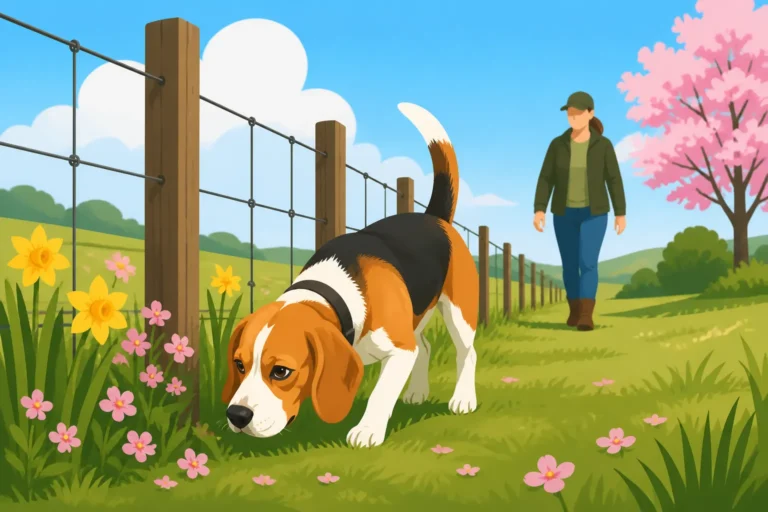
"Scent walks," where you let your Beagle sniff to their heart's content, are incredibly tiring and satisfying for them. Puzzle toys, snuffle mats, and hiding treats around the house (indoor "scent hunts") can provide much-needed mental stimulation. Even simple games of fetch or flirt pole play can burn off energy. A tired Beagle is often a quieter Beagle. If you're struggling to find suitable toys or enrichment tools, online retailers like Amazon offer a vast selection of puzzle feeders, durable chew toys, and snuffle mats that can keep a Beagle's mind and body active, helping to reduce boredom-induced baying. Consider rotating toys to keep things fresh and engaging.
When to Seek Professional Help
Sometimes, despite your best efforts, a Beagle's baying can remain persistent and problematic, severely impacting your household and community. At this point, it's not a sign of failure on your part, but rather an indication that you might need a different level of support.
Signs a Trainer or Behaviorist is Needed
If you've tried consistency with trigger management, increased exercise and enrichment, and focused training, but your Beagle's baying remains excessive, causes significant stress, or results in neighbor complaints, it's time to consider professional help. A certified professional dog trainer or a veterinary behaviorist can provide invaluable insight. They can observe your Beagle's behavior, help pinpoint complex triggers you might have missed, and design a tailored training plan.
They can also help distinguish between normal, albeit loud, Beagle vocalizations and more serious behavioral issues like severe separation anxiety or compulsive barking. A qualified professional will use positive, humane methods and help you understand your dog's motivations, leading to a more effective and sustainable solution. For instance, if your Beagle's baying is accompanied by destructive chewing, pacing, or house-soiling when alone, a behaviorist can address these symptoms of Beagle Separation Anxiety in a Pack Breed. BAXTER & Bella, mentioned earlier, also offers one-on-one coaching sessions that can be incredibly helpful for owners facing specific or persistent behavioral challenges, offering personalized guidance.
Considering Professional Soundproofing
In some extreme cases, or in environments where noise is a critical concern (like apartments with thin walls), exploring professional soundproofing options for certain areas of your home might be a consideration. While it won't stop your Beagle from baying, it can significantly reduce the sound transmission to other rooms or to your neighbors, offering a layer of peace for everyone.
This could involve installing denser insulation, acoustic panels, soundproof windows, or even specialized doors. It's a more significant investment, but for some, it provides the necessary relief to live comfortably with their vocal companion. While a white noise machine can offer some masking, true structural soundproofing is designed to absorb and block sound waves. You can research various soundproofing materials and solutions on platforms like Amazon to get an idea of what's available for DIY or professional installation, from acoustic foam panels to heavy-duty door sweeps designed to block gaps. This might not be the first line of defense, but for specific challenging situations, Soundproofing One Room for a Vocal Beagle can be a practical solution.
Disclaimer
This article is for general informational purposes only and does not constitute professional advice. Laws, prices and regulations vary by location and change over time. Consult a qualified professional for guidance on your specific situation.