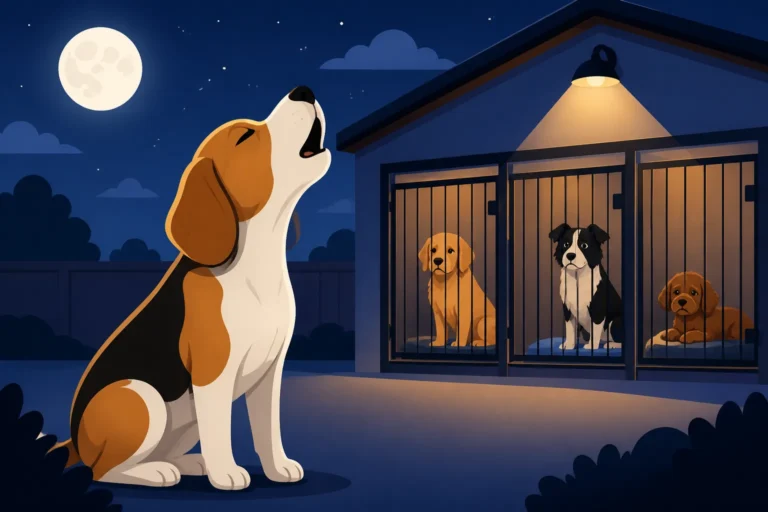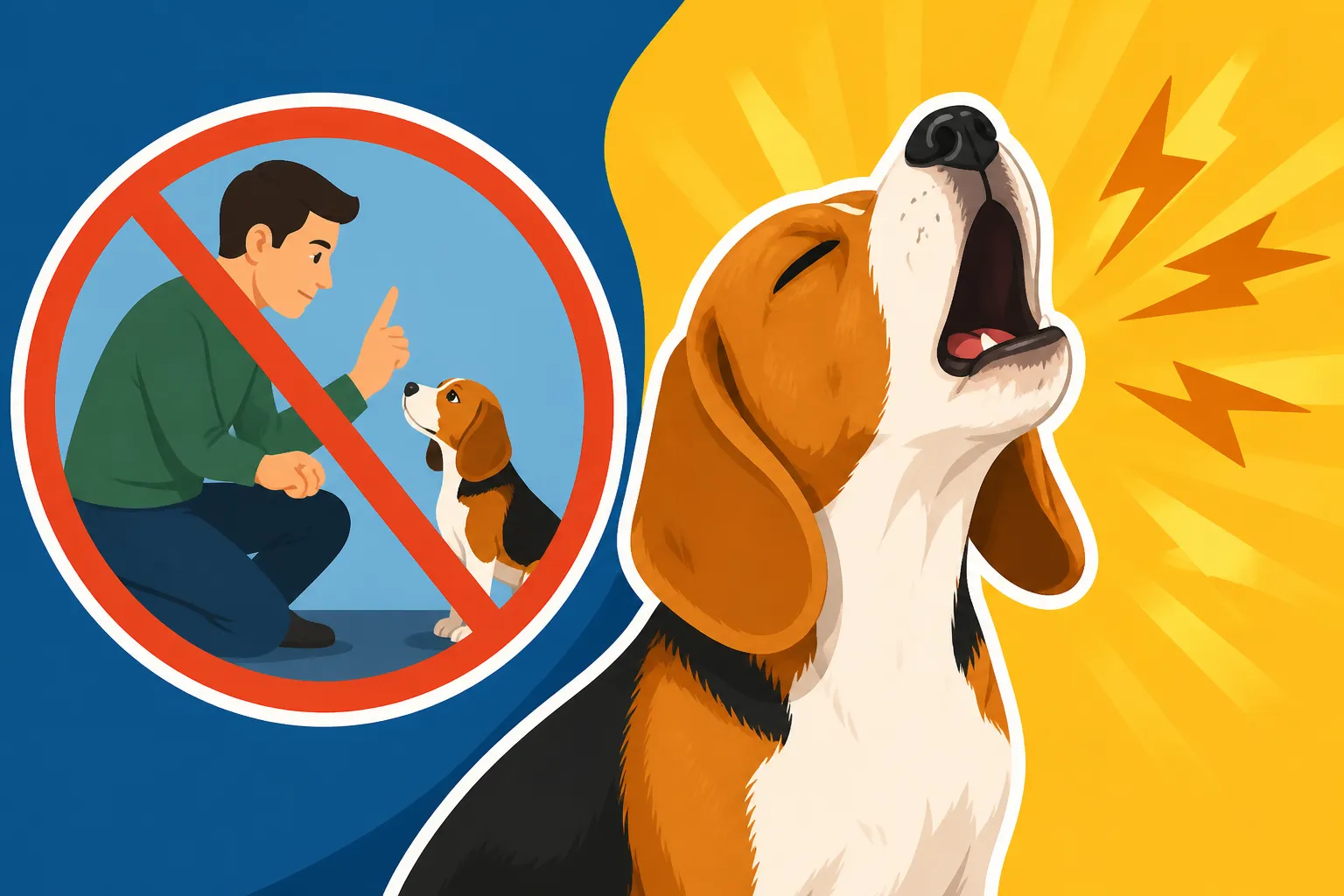
Why You Cannot Train the Bay Out of a Beagle
It’s a sound that’s both iconic and, let’s be honest, sometimes incredibly frustrating: the deep, resonant bay of a Beagle. If you're struggling with a vocal Beagle and feeling like nothing you do can quiet that distinctive "Arroooo!", you're not alone. Many Beagle owners mistakenly believe their furry friend is being stubborn or disobedient when they refuse to stop baying, leading to endless frustration. This guide is here to shed light on why the Beagle’s bay is so ingrained in their very being, why trying to "train it out" is often a losing battle, and, more importantly, how you can realistically manage and live harmoniously with your vocal hound.
Understanding the Beagle's Voice: A Deep Dive into Hound Communication
To truly grasp why your Beagle bays, we need to take a step back in time and understand the very essence of what makes a Beagle, a Beagle. Their voice isn't just a random noise; it's a finely tuned instrument developed over centuries for a very specific purpose.
The Historical Roots of the Beagle Bay
Imagine a crisp English morning, a pack of hounds hot on the trail of a rabbit or hare. In those days, hunters followed on foot, and it was crucial for them to know exactly where their dogs were and what they were doing. This is where the Beagle's bay came in. The bay wasn't just a sound; it was a form of communication, a GPS signal long before technology existed. Each hound's unique voice would blend into a chorus that told the hunters, "We're on the scent!", "The rabbit's gone this way!", or "We've got it!"
Beagles were selectively bred not just for their incredible noses and stamina, but for their vocalizations. A silent hound was a useless hound in the field. Generations of breeding reinforced the instinct to open up with that booming bay when a strong scent was detected, when the quarry was sighted, or when they wanted to alert their packmates and human companions to their progress. It was a shared language of the hunt, vital for coordination and success. So, when your modern-day Beagle bays at a squirrel in the backyard, they're not necessarily trying to annoy you; they're simply performing a deeply ingrained behavior that once served a crucial function. They're "telling" their modern "pack"—you, your family, maybe even the cat—all about the fascinating scent they've just discovered.
Distinguishing Between a Bark, Howl, and Bay
Many people lump all dog vocalizations together, but a Beagle owner quickly learns there's a distinct difference between a bark, a howl, and that unmistakable bay. Understanding these nuances is key to understanding your Beagle. A bark is typically shorter, sharper, and often used for general alarms, greetings, or demands. Your Beagle might bark at the doorbell, at a stranger walking by, or when they want attention. It's usually a more immediate, direct form of communication.
A howl, on the other hand, is a prolonged, mournful sound, often triggered by high-pitched sirens, other distant howls, or feelings of loneliness. It's a primal call, meant to carry over long distances, connecting with distant pack members. When your Beagle howls, it might be an attempt to join a perceived distant pack or express a deep sense of separation. A Beagle Howl Measured in Decibels can be quite impressive, especially if they hit just the right note.
Then there's the bay. The bay is unique. It's a deep, drawn-out vocalization that often starts with a "yip" or "aroo" and swells into a sustained, resonant, almost musical cry. It's often described as a long, mournful, yet excited sound. It's specifically tied to scent work and tracking. When a Beagle is "baying on a trail," they are actively working, using their voice to mark their progress and communicate their findings. What a Beagle Bay Actually Sounds Like is a sound that, once heard, is never forgotten. It’s a sound of purpose, of pure hound joy in following a scent. It's not necessarily aggressive or fearful, but rather a declaration of "Eureka! I've found it!" or "Follow me, everyone!"
The Biological Imperative: Why Beagles Are Wired to Bay
It’s easy to feel frustrated when your Beagle’s bay echoes through the neighborhood, but it’s crucial to remember that this isn't a behavior they choose to engage in purely for mischief. It’s deeply rooted in their biology and the very genetic code that makes them Beagles.
The Olfactory Connection to Vocalization
Beagles possess one of the most incredible noses in the animal kingdom, boasting an estimated The 220 Million Receptors Behind a Beagle's Nose. This extraordinary sense of smell isn't just for sniffing out dinner; it's intrinsically linked to their very being, including their vocalizations. For a Beagle, detecting a compelling scent isn't merely noticing an odor; it's like a symphony playing in their brain, demanding a response. That response, often, is the bay.
When a Beagle catches a strong scent – whether it's a rabbit that just darted across the lawn, the faint trace of a deer from hours ago, or even just the lingering smell of a neighbor's barbecue – it triggers an instinctual drive to follow that scent and announce its presence. The bay isn't a conscious decision; it's an automatic, involuntary release of excitement and focus that comes from their incredible olfactory ability. Picture your Beagle out on a walk, nose to the ground, pulling you along. Suddenly, their tail goes up, their head comes up for a split second, and then they let out a booming "Arroooo!" This isn't them being stubborn about ignoring your "leave it" command; it’s the purest expression of their hound nature, an immediate, uncontainable reaction to the fascinating world of scent they've just entered. They are not just smelling; they are experiencing and reporting.
The Pack Mentality and Communicating with the "Pack"
Beagles were originally bred to hunt in packs, a social structure that required constant communication. When a Beagle in a hunting pack found a trail, its bay served to alert the other dogs to join in the chase. It kept the pack cohesive and informed, ensuring everyone knew the status of the hunt. This deep-seated pack mentality means that Beagles have a strong innate need to communicate with their "pack." In a domestic setting, you and your family are their pack.
This explains why some Beagles will bay extensively when left alone. They're not just making noise; they're attempting to communicate with their absent pack members. They're saying, "Where are you? I'm here! Are we still together?" This is a core reason behind Beagle Separation Anxiety in a Pack Breed. The bay becomes a distressed call for reunion, a way to try and re-establish contact with the humans they consider their family. Similarly, a Beagle might bay excitedly when family members return home, or when another pet in the house vocalizes. It's their way of joining the conversation, of reaffirming their place within the social unit. This intrinsic need to vocalize as part of a group is a powerful motivator for their baying, and it's a behavior that’s incredibly difficult to suppress because it taps into such fundamental social instincts.
The Harsh Reality: Why Training the Bay Out Is Nearly Impossible
Once you understand the deep historical and biological roots of the Beagle's bay, it becomes clear why completely eliminating it is an unrealistic goal. It's not a flaw in your training; it's simply a testament to the power of breed-specific instincts.
It's Not "Stubbornness," It's Instinct
One of the biggest frustrations for Beagle owners is feeling like their dog is deliberately ignoring them or being stubborn when they continue to bay. You might shout "Quiet!" or try to redirect them, only for the bay to continue, often with even more gusto. It’s easy to get angry or feel ineffective, but it’s crucial to reframe this behavior. Your Beagle isn't being stubborn; they are responding to an instinct that is thousands of years in the making. Why Beagle Stubbornness Is Really Absorption on a scent trail is a concept that applies directly here. When a Beagle is focused on a scent or is feeling the urge to communicate, their brain is literally wired to prioritize that sensory input and the subsequent vocalization.
Their hearing, at that moment, becomes secondary to their olfactory and instinctual drives. It's like trying to tell a human not to blink when something flies at their eye – it’s an automatic, protective response. For a Beagle, the bay is an automatic, communicative response. It’s not about defiance; it’s about their fundamental nature as a scent hound. Expecting them to completely suppress this innate drive is akin to asking a bird not to sing. While you can influence the frequency and intensity, you cannot erase the instinct itself. This understanding can help alleviate some of your own frustration, shifting your focus from "how do I stop this?" to "how do I manage this natural behavior?"
The Limits of Punishment and Aversive Methods
Given the deeply ingrained nature of the bay, it stands to reason that punishment and aversive methods are not only ineffective but potentially harmful. Trying to "correct" a bay with shouting, physical deterrents, or tools like Beagle Bark Collars and What They Do Not Fix usually backfires spectacularly. When a Beagle bays due to instinct, anxiety, or excitement, punishment doesn't teach them not to bay; it teaches them to fear the consequences of a natural behavior. This can lead to several negative outcomes:
Firstly, it can damage the trust and bond you share with your Beagle. If they associate vocalization with pain or fear, they might become withdrawn, anxious, or even aggressive. Secondly, it often doesn't stop the behavior. A Beagle driven by a powerful scent or overwhelming separation anxiety might continue to bay despite discomfort, because the internal drive is stronger than the external deterrent. Or, they might simply learn to suppress the bay when you are present, only to erupt with vocalizations the moment you leave or aren't looking. Thirdly, it doesn't address the underlying cause. If your Beagle is baying due to boredom, anxiety, or an unfulfilled need to scent, punishment does nothing to resolve those issues. Instead, it can exacerbate them, leading to other behavioral problems like destructive chewing, house soiling, or fear-based aggression. The goal isn't to silence your Beagle through fear, but to understand their communication and guide them towards more appropriate expressions.
Realistic Management Strategies for a Vocal Beagle
Since "training the bay out" isn't a viable option, the focus shifts to smart, realistic management. This means understanding why your Beagle is baying and then implementing strategies to reduce the frequency and intensity of the vocalization, or redirecting it to more acceptable outlets.
Identifying and Managing Triggers
The first step in managing your Beagle’s baying is to become a detective. What sets them off? Is it the sight of another dog or a person walking by the window? Is it the sound of a distant siren or the mail carrier's truck? Is it when you leave the house? Or is it purely related to scent, like a rabbit running through the yard? Common triggers for Beagle vocalization include:
- Sight Triggers: People, dogs, squirrels, or cars passing by windows.
- Sound Triggers: Doorbells, knocking, sirens, other dogs barking, children playing loudly.
- Scent Triggers: Strong smells from outside, residual animal scents in the yard or on walks.
- Emotional Triggers: Boredom, frustration, anxiety (especially separation anxiety), excitement.
Once you’ve identified the triggers, you can start to manage them. For sight triggers, consider using window film, privacy screens, or simply closing curtains or blinds during peak activity times. This reduces the visual stimuli that prompt a reaction. For sound triggers, white noise machines or calm music can help mask external noises. For scent triggers, regular yard clean-up to remove potential animal droppings can help, as can ensuring your Beagle has plenty of appropriate outlets for their nose. Managing the Triggers That Set a Beagle Off often involves a combination of environmental adjustments and positive training. If your Beagle bays when you leave, slowly increasing the time they are alone, combined with positive associations (like a special puzzle toy filled with treats), can help.
Redirection and Positive Reinforcement for Quieter Behaviors
Instead of punishing the bay, we want to teach an alternative, quieter behavior and reward that. This is the core of positive reinforcement. When your Beagle is about to bay, or even just after a short bay, quickly redirect their attention and reward them for being quiet. For example, if they start to bay at the mailman, call their name, ask for a "sit," and immediately reward them with a high-value treat or praise for complying quietly. The key is timing – reward the absence of baying, or the interruption of it.
You can also proactively teach a "quiet" cue. Start in a low-distraction environment. When your Beagle barks or bays once, let them, then immediately hold a treat to their nose, say "Quiet," and as soon as they stop vocalizing to sniff the treat, give it to them. Repeat this many times. Slowly increase the duration of silence required before the reward. Over time, they'll associate the word "Quiet" with the action of ceasing vocalization and receiving a reward. The goal is to Quieting a Beagle Without Punishing the Bay by making silence more rewarding than noise. Consistency is crucial here. Everyone in the household needs to be on board with the same cues and rewards. Websites like BAXTER & Bella often have online resources and courses specifically designed to help owners implement these positive reinforcement techniques for various behavioral challenges, offering structured guidance.
Enriching a Beagle's Life to Reduce Excess Vocalization
A bored Beagle is often a vocal Beagle. Beagles are intelligent, active hounds who need a job to do. Without sufficient physical exercise and mental stimulation, they will find their own "entertainment," and that often involves using their voice.
- Physical Exercise: Daily walks are essential, but for a Beagle, simply walking on a leash isn't always enough to burn off their boundless energy. Incorporate varied routes, allow for plenty of sniffing opportunities, and consider longer hikes if possible. Remember, Why a Scent Walk Tires a Beagle Faster Than Running. Allowing them to fully engage their nose on walks is as mentally stimulating as physical exercise.
- Mental Stimulation: This is where Beagles truly thrive. Puzzle feeders, snuffle mats, and hiding treats around the house (scent games!) are excellent ways to engage their powerful noses and minds. Brands on Amazon offer a wide variety of interactive toys and puzzle feeders specifically designed to challenge a dog's problem-solving skills, which can significantly reduce boredom-induced baying. Consider structured activities like Scent Work as the Job a Beagle Was Built For. These classes tap into their natural abilities, giving them a constructive outlet for their drives and reducing the likelihood of them inventing their own (noisy) games. Even simple training sessions, teaching new tricks, or practicing obedience cues can provide valuable mental engagement. A tired, mentally stimulated Beagle is a much quieter Beagle.
| Vocalization Type | Primary Trigger(s) | Traditional Purpose | Management Strategy |
|---|---|---|---|
| Bark | Alarm, attention, greeting, demand | Alert pack/humans to immediate presence/threat | Redirect, "quiet" cue, manage visual/auditory stimuli |
| Howl | Sirens, distant sounds, loneliness, distress | Long-distance communication, pack reunification | White noise, counter-conditioning for separation |
| Bay | Strong scent, tracking, excitement, frustration | Announce scent discovery, communicate trail progress | Scent work, increased exercise, manage triggers, redirection |
Living Peacefully with a Baying Beagle
Embracing a Beagle's vocal nature means accepting that a completely silent Beagle is an anomaly, not the standard. The goal is to foster a relationship where their voice is understood, managed, and sometimes, even celebrated.
Soundproofing and Neighborly Relations
While you can work on managing your Beagle's baying, you also need to consider the impact on your household and, importantly, your neighbors. A Beagle's bay can carry quite far, and persistent noise can understandably lead to friction with those living nearby. Beagle Noise and the Neighbors Next Door is a common challenge.
Internally, consider basic soundproofing measures. Heavy curtains or blinds can not only block visual triggers but also absorb some sound. Rugs and carpets help dampen echoes, as do strategically placed furniture and even bookshelves filled with books. If your Beagle bays primarily when you're away, consider leaving a radio or TV on at a moderate volume to mask external sounds and provide some background noise. This can make them feel less alone and reduce their perceived need to "call out."
For your neighbors, proactive communication is key. A simple, friendly conversation explaining that you're working on managing your Beagle's natural vocalizations can go a long way. Let them know you understand their concerns and are taking steps. Exchange contact information so they can reach you if the baying becomes excessive, rather than making a formal complaint. Offering a small gesture, like a batch of cookies or a gift card, as a "thank you for your patience" can also help build goodwill. Many times, neighbors are more understanding when they know you're actively addressing the issue and not ignoring it.
Embracing the Beagle's Unique Voice
Ultimately, learning to live with a vocal Beagle involves a shift in perspective. Instead of viewing the bay as a problem to be eradicated, try to see it as an inherent, charming, albeit sometimes loud, characteristic of the breed. It is, after all, part of what makes a Beagle so unique. Their bay connects them directly to their ancestral roots, to those fields where they followed scent trails with unwavering determination.
When your Beagle lets out a joyful "Arroooo!" after finding a forgotten toy under the couch, or an excited bay when you grab the leash for a walk, try to appreciate it as their way of expressing pure, unadulterated Beagle happiness and enthusiasm. It's a sign of their engagement with the world, their passion for scent, and their deep connection to their family. While consistent management and redirection are vital for harmony, especially in residential areas, a complete suppression of their voice is neither possible nor, arguably, desirable for the well-being of the dog. By understanding, managing, and, yes, even occasionally appreciating their unique vocalizations, you can foster a deeper bond with your merry, baying Beagle, celebrating the very traits that make them such beloved companions.
Disclaimer
This article is for general informational purposes only and does not constitute professional advice. Laws, prices and regulations vary by location and change over time. Consult a qualified professional for guidance on your specific situation.