Quieting a Beagle Without Punishing the Bay
Anyone who has ever shared their life with a Beagle knows that while their merry personalities and endless curiosity are utterly charming, their vocalizations can be a real test of patience. That distinctive bay, that mournful howl, that excited bark – it's all part of their genetic makeup, and trying to silence it completely often feels like an impossible, and frankly, unfair task. This guide is here to help you navigate the world of Beagle vocalizations, offering realistic strategies to manage the noise without stripping your beloved hound of its innate "voice."
Understanding the Beagle's Vocal Repertoire
It’s easy to lump all dog noises together, but with a Beagle, it's really important to understand that they have a rich, varied vocabulary. Their vocalizations aren't just random sounds; they are deeply ingrained communication methods, honed over centuries of working in packs.
The Difference Between a Bark, Howl, and Bay
When your Beagle opens its mouth, what sound comes out and why it comes out are two very different things. Understanding the distinction is the first step toward managing the noise.
A bark from a Beagle is often what you'd expect from any dog: a sharp, sudden sound, typically used for alarm, attention-seeking, or excitement. Your Beagle might bark when someone knocks on the door, when they see a squirrel scamper across the yard, or when they’re trying to tell you it's dinnertime. It’s usually a short, repetitive sound, meant to get an immediate reaction. It's their "hey, look!" or "I need something!" sound.
Then there's the howl, which is usually more elongated, mournful, and carries a distinct rising and falling pitch. Beagles often howl in response to high-pitched sounds like sirens, certain musical notes, or even other dogs howling in the distance. This is a pack communication tool, an ancient call to gather or to signal their location. It's less about alarm and more about connection, a primal urge to "sing" with their ancestors or their current pack.
And finally, the signature sound that truly sets Beagles apart: the bay. This is a deep, guttural, prolonged sound, almost like a cross between a bark and a howl, but with its own unique timbre. It's designed to carry over long distances, to let other hounds and hunters know they’ve picked up a scent trail and are actively pursuing it. When your Beagle is baying, they are in their element, following their nose. It's not usually a sign of distress, but pure, unadulterated scent-driven focus. If you've ever heard What a Beagle Bay Actually Sounds Like, you know it's a sound that's hard to ignore, and impossible to mistake for anything else. This is often the vocalization that causes the most consternation among owners and neighbors, because it is so distinct and so persistent once a good scent is found.
Why You Cannot Train the Bay Out of a Beagle
Let's get this clear right from the start: you cannot, and frankly, should not, try to train the bay out of a Beagle. This isn't stubbornness; it's genetics. Beagles were specifically bred for centuries to hunt small game, primarily rabbits and hare, by following scent trails. Their bay was a critical part of this job. It told the hunter exactly where the dog was, and that it had found and was actively pursuing a trail. Without that vocalization, their purpose as a hunting hound would have been greatly diminished.
Think of it like trying to train a retriever not to retrieve, or a border collie not to herd. It's so deeply woven into their DNA that attempting to suppress it entirely is not only frustrating for you but genuinely confusing and detrimental to your Beagle. You’re asking them to deny a fundamental part of who they are. Instead of aiming for silence, which is an unrealistic goal for most Beagles, our aim should be thoughtful management and redirection. We want to teach them when it's appropriate to be vocal and when it's not, and to provide them with outlets for their natural instincts. Punishing them for baying simply teaches them to fear your reaction, not to stop baying, which can lead to anxiety and other behavioral issues.
Identifying Triggers and Managing the Environment
Managing Beagle vocalizations is less about "silencing" and more about understanding the "why" and then adjusting the world around them. Often, their vocal outbursts aren't random; they're direct reactions to specific stimuli.
Common Triggers for Beagle Vocalizations
Beagles are incredibly sensitive to their environment, especially anything that stimulates their powerful sense of smell or their innate instinct to alert. Here are some of the most common things that can set off their vocal cords:
- Scent Trails: This is probably the biggest one. A faint whiff of a rabbit that passed through your yard hours ago, the lingering scent of another dog on a lamppost, or even something as subtle as a change in the wind carrying a new smell can send a Beagle into a baying frenzy. They will follow that scent with singular focus, using their voice to declare their discovery. This isn't just a casual sniff; it's a deep dive into an olfactory world we can barely comprehend.
- Sight Triggers: Squirrels darting across the fence, the mail carrier approaching, another dog walking past the window, or even a leaf blowing just right can trigger an alert bark. Beagles are watchful, and anything new or moving in their perceived territory often warrants a vocal announcement.
- Sounds: High-pitched noises like sirens, certain phone ringtones, distant howls from other dogs, or even specific songs on the radio can set off a Beagle's howling instinct. They're often "singing along" or responding to what they perceive as another pack member's call.
- Boredom and Under-stimulation: A Beagle with nothing to do is a Beagle looking for a job. If they aren't getting enough physical exercise or mental enrichment, they might resort to barking, baying, or howling simply out of boredom or frustration. This is particularly common if they're left alone for long periods without adequate activity.
- Attention Seeking: Beagles are intelligent and quickly learn that certain vocalizations get a reaction from you, even if that reaction is negative. If they bark or whine, and you come running to tell them to stop, they've still achieved their goal of getting your attention.
- Anxiety or Fear: While less common than scent or sight triggers, fear or anxiety can also manifest as excessive vocalization. This might be a timid bark at an unfamiliar person, or prolonged howling if they're feeling insecure or experiencing separation distress. Beagle Howling the Moment You Leave is often a classic sign of separation anxiety.
Environmental Adjustments to Reduce Noise
Since many vocalizations are triggered by environmental factors, making a few strategic adjustments to your home and yard can significantly reduce the amount of noise.
- Manage Sightlines: For Beagles that bark at everything they see outside, limiting their visual access can be incredibly effective. Consider applying opaque window film to lower panes of windows that face busy areas, or installing privacy screens on fences. Drawing curtains or closing blinds during peak trigger times (like school dismissal or mail delivery) can also help. For Beagles in apartments, a frosted window film can be a game-changer, allowing light in but obscuring the view. Living With a Beagle in an Apartment Building can be especially challenging, so managing windows is key.
- Sound Masking: White noise machines, fans, or even classical music can help mask external sounds that might trigger howling or barking. This is particularly useful if your Beagle is reactive to distant sirens or neighborhood dog sounds. You can find many calming dog music playlists on streaming services, or simply use a basic box fan for consistent background noise.
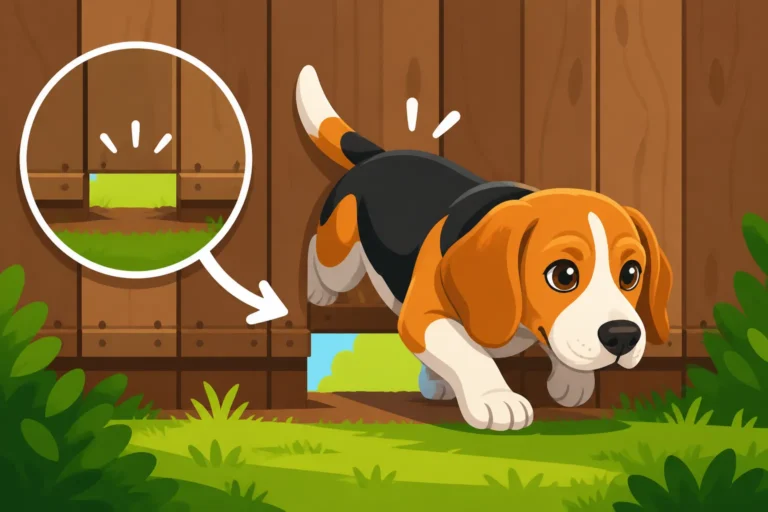
- Secure Fencing and Yard Management: A Beagle’s nose is always on. If your yard isn’t securely fenced, they might be constantly alerting to every creature that passes by or that has left a scent. Solid fencing (often higher than you’d expect for their size, as they can be surprisingly agile climbers or diggers) can reduce the number of visual and olfactory triggers. Regularly inspect your fence for escape routes and clear away any tempting debris or vegetation that might attract small wildlife. Burying a wire skirt along the fence line can deter digging under.
- Create a "Safe Space": A comfortable crate or a designated quiet room can serve as a sanctuary where your Beagle can retreat from overstimulating environments. If they're in their crate, cover it with a blanket to reduce visual stimuli and play calming music. This helps them feel secure and reduces the need to "alert" to every perceived threat.
- Strategic Placement: If your Beagle barks incessantly from a specific window or area, try to redirect their attention or block access to that spot. Sometimes simply moving their favorite resting spot away from the front window can make a difference.
- Use Contextual Brands for Enrichment: For managing environmental triggers, having a variety of toys and chew items readily available can help redirect their attention. Think about puzzle feeders or durable chews available from places like Amazon to keep them occupied when you know a trigger (like the mail truck) is due.
By proactively managing these environmental factors, you're not punishing the bay, but rather minimizing the situations that trigger it, leading to a calmer household for everyone.
Positive Reinforcement for Quiet Behavior
Instead of focusing on stopping the noise, shift your mindset to rewarding the silence. This positive reinforcement approach is far more effective and builds a stronger bond with your Beagle. You want to teach them that quiet pays off!
Rewarding Calm and Silence
Teaching your Beagle to be quiet on cue, or simply rewarding moments of calm, is a powerful strategy. It requires patience and consistency, but it works wonders.
Here’s how to do it:
- Capture the Quiet: This is the easiest place to start. Pay attention to moments when your Beagle is naturally quiet, especially after a period of activity or when a potential trigger has passed. The instant they are quiet and settled, mark that behavior with a soft "yes!" or a clicker, and then immediately give them a high-value treat. The key is immediacy. They need to associate the treat directly with the silence.
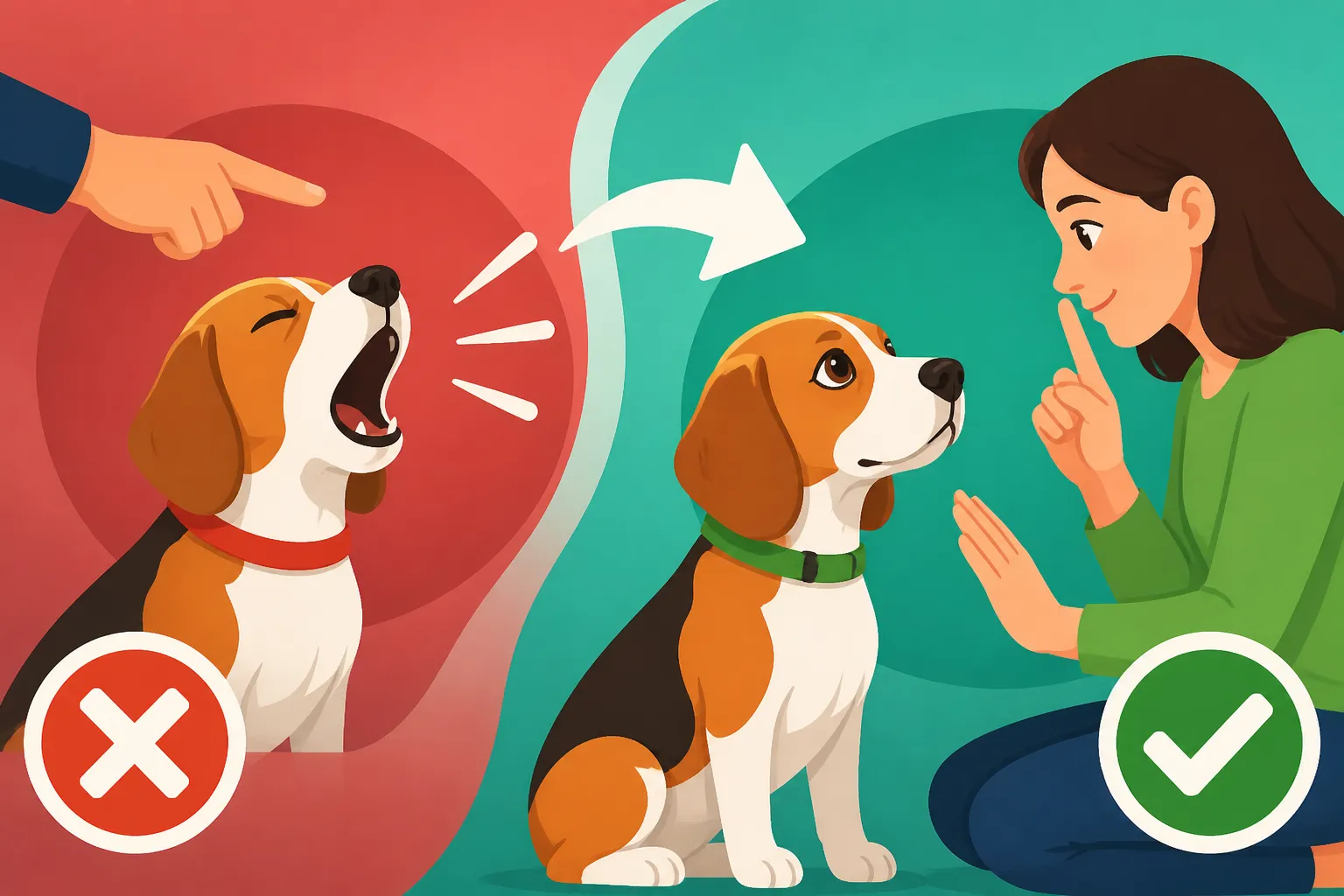
- Teach a "Quiet" Cue: Once you're consistently capturing quiet, you can introduce a verbal cue. Wait until your Beagle barks a few times (at a knock at the door, for example). Let them bark, then gently interrupt the barking with a "shhh" sound or your chosen "quiet" cue. The moment they pause or stop barking, even for a second, mark and reward. Repeat this many, many times. Gradually, they'll learn that the "quiet" cue means "stop barking for a moment and get a treat." Teaching a Beagle a Quiet Cue That Holds is a fantastic skill to develop.
- Build Duration: As your Beagle gets better at quieting down for a second, start to extend the duration of silence before you reward. Wait two seconds, then three, then five. This teaches them to hold their quiet for longer periods. If they start vocalizing before you reward, simply reset and try again. Don't punish the renewed vocalization; just wait for the next moment of quiet.
- Practice in Different Environments: Start this training in a low-distraction environment, like your quiet living room. Once your Beagle is consistently responding, gradually introduce more distractions. Practice when the mail carrier comes, when a friend arrives, or during a walk. The more contexts you practice in, the stronger the behavior will become.
- Use High-Value Rewards: Beagles are famously food-motivated. Use small, soft, incredibly tasty treats that they don't get at any other time. Think tiny pieces of cooked chicken, cheese, or specialized training treats. The higher the value, the more motivated your Beagle will be to offer the desired behavior.
Redirecting Excessive Vocalization
Sometimes your Beagle gets into a vocalization loop, and you need a way to break it without getting frustrated. Redirection is about giving them an alternative, acceptable behavior to perform instead of barking or baying.
- "Find It" Games: If your Beagle starts barking at something outside, toss a handful of small, high-value treats onto the floor, scattering them slightly. Say "Find it!" This immediately engages their powerful nose in a constructive way, shifting their focus from the trigger to hunting for treats. This is especially effective for Beagles, who love to use their noses.
- Puzzle Toys and Chews: When you anticipate a vocal trigger (e.g., you know the delivery truck is due, or you're leaving the house), give your Beagle a long-lasting chew or a puzzle toy stuffed with treats. This occupies their mouth and mind, making it harder for them to bark or howl. Many fantastic puzzle toys are available from retailers like Amazon that can keep a Beagle engaged for a good chunk of time.
- "Go to Mat" or "Place" Training: Teach your Beagle to go to a specific mat or bed on cue and stay there. This provides them with a designated calm spot. When they start to vocalize, you can cue them to their mat, and reward them for settling there quietly. This gives them a clear directive for an appropriate behavior.
- Engage in a Known Trick: If your Beagle is barking for attention, ask them to perform a series of known tricks – sit, stay, shake a paw – and reward them for these quiet behaviors. This redirects their energy into something positive and reinforces that calm attention-seeking is what works.
- Manage Triggers Actively: While not a redirection in itself, actively managing triggers makes redirection easier. For example, if your Beagle always barks at the window, call them away from the window before they even start to bark, and redirect them with a game or a chew. Managing the Triggers That Set a Beagle Off is a proactive approach that minimizes the need for reactive redirection.
| Strategy Type | Focus | Example Action | Benefits | Considerations |
|---|---|---|---|---|
| Proactive | Preventing vocalizations | Using window film; daily scent walks | Reduces frequency of triggers; addresses underlying needs; builds a calmer dog | Requires planning and consistency; may not prevent all vocalizations |
| Reactive | Managing current vocalizations | "Quiet" cue; "Find it!" game | Teaches alternative behaviors; creates a communication system | Must be used consistently and without anger; timing is crucial for effectiveness |
Addressing Underlying Causes Beyond Breed Tendencies
While a certain level of vocalization is inherent in Beagles, sometimes excessive noise points to deeper issues beyond just their breed's natural tendencies. It's crucial to look beyond the immediate sound and consider your Beagle's overall well-being.
Exercise and Mental Stimulation Deficiencies
A tired Beagle is often a quiet Beagle. But "tired" for a Beagle doesn't just mean a quick stroll around the block. These are working hounds, bred for stamina and an insatiable drive to follow their noses. If their physical and mental needs aren't met, they will find their own ways to release that pent-up energy and boredom, and often, that comes out as excessive barking, baying, or howling.
Imagine being stuck in a small room all day with nothing to do. You'd probably start pacing, maybe humming, or talking to yourself. It's similar for a Beagle. If they're not getting enough:
- Physical Exercise: Aim for at least 60-90 minutes of active exercise daily, broken into several sessions. This could be brisk walks, running in a securely fenced area, or playing vigorous fetch. However, remember that for a Beagle, simply running around isn't always enough; they need to use their nose!
- Mental Stimulation: This is where Beagles truly shine and where many owners fall short without realizing it. Their brains are built for problem-solving, scent detection, and tracking. Without outlets for this, they get bored. Scent work is an absolute game-changer for Beagles. Scent Walks That Wear a Beagle Out are incredibly tiring for them, much more so than just a physical run. Hide treats around the house, play "find it" games, or enroll in Beagle scent work classes. Puzzle toys, snuffle mats, and engaging chew toys (many of which you can find on Amazon) can also keep their minds busy indoors, especially on those rainy days. Check out resources like BAXTER & Bella for structured online training programs that incorporate mental enrichment. Indoor Games for a Beagle on a Rainy Day are invaluable for preventing boredom.
A Beagle that is physically and mentally satisfied is less likely to feel the need to create their own "entertainment" through incessant vocalizations. They'll be too busy being wonderfully tired and content.
Anxiety and Stress as Vocal Triggers
Sometimes, barking or howling isn't about fun or boredom, but a manifestation of anxiety or stress. Beagles are pack animals, and many can struggle when left alone, developing separation anxiety. This often expresses itself through prolonged howling or barking, along with other behaviors like destructive chewing, pacing, or house soiling.
Signs your Beagle's vocalization might be stress-related:
- Timing: Vocalizations start almost immediately after you leave and continue for long periods.
- Context: The vocalizations are accompanied by other anxious behaviors like panting, drooling, destructive chewing (especially around exits), or inappropriate urination/defecation.
- Intensity: The vocalizations seem distressed, frantic, or mournful rather than simply excited or alert.
If you suspect anxiety, particularly separation anxiety, here are some initial steps:
- Build Independence: Practice short departures and returns, gradually increasing the time you're away. Don't make a big fuss when you leave or return.
- Create a Safe Space: Ensure your Beagle has a comfortable, quiet den (like a crate or a designated room) where they feel secure when alone.
- Provide Distractions: Leave them with high-value puzzle toys or long-lasting chews when you depart.
- Routine and Predictability: A consistent daily routine can reduce anxiety by making the world feel more predictable.
- Professional Help: For severe cases of Beagle Separation Anxiety in a Breed Bred for Packs, consult with a certified professional dog trainer or a veterinary behaviorist. They can help develop a comprehensive behavior modification plan, and in some cases, medication might be considered as part of a holistic approach.
Health Issues That Cause Vocalization
Finally, it's vital not to overlook the possibility that a sudden or unusual increase in vocalizations could be a sign of pain or underlying health issues. Dogs, including Beagles, can't tell us in words that they're hurting, so they often communicate discomfort through behavioral changes.
Consider a veterinary check-up if your Beagle:
- Suddenly becomes much more vocal than usual, especially if it seems to be without a clear trigger.
- Starts vocalizing while moving, eating, or trying to lie down, which could indicate pain.
- Exhibits other new symptoms like lethargy, changes in appetite, limping, or aggression.
- Is an older Beagle and starts to howl or bark more, as this could be a sign of cognitive decline, hearing or vision loss, or discomfort from arthritis. Beagle Arthritis Arriving in Middle Age can cause significant pain.
- Has an untreated or chronic issue like Beagle Dental Disease and Tartar Buildup or even Beagle Bad Breath Coming From the Tooth Roots, which can be very painful and cause changes in behavior.
A vet can rule out medical causes for increased vocalization, ensuring that you're addressing the root problem and not just the symptom. Don't ever hesitate to seek veterinary advice if you have concerns about your Beagle's health.
Tools and Resources to Aid in Management
Navigating the world of Beagle vocalizations means choosing the right tools and knowing when to seek expert guidance. The goal is always to support your Beagle, not suppress them.
Effective Training Tools (and What to Avoid)
When it comes to managing vocalizations, the tools you use can make all the difference. Always prioritize positive, force-free methods.
Effective Tools to Embrace:
- High-Value Treats: As discussed, these are your best friends for positive reinforcement. Small, soft, and irresistible treats will motivate your Beagle to offer the desired quiet behavior.
- Clicker: A clicker acts as a precise marker for good behavior. The instant your Beagle is quiet, click, then treat. This clarity helps them understand exactly what they're being rewarded for.
- Puzzle Feeders and Enrichment Toys: These are fantastic for mental stimulation and redirection. Brands found on Amazon offer a huge variety, from slow-feeder bowls that make mealtime a challenge, to interactive toys that dispense treats, to durable chew toys that can keep a busy Beagle occupied for hours. Look for options like Kongs (stuff them with peanut butter and freeze them for extra longevity) or snuffle mats.
- Harnesses and Long Lines: While primarily for walks, these can indirectly help vocalizations by allowing for safer, more enriching outings. A front-clip harness can help manage a pulling Beagle, allowing for more controlled sniffing walks. Long Lines Instead of Off-Leash for a Beagle allow your hound to explore scents safely in open areas, fulfilling their innate drive without the risk of them running off and baying miles away.
- White Noise Machines/Calming Music: These create a buffer against external sounds, helping to keep your Beagle calm and less prone to reacting to every distant siren or dog bark.
Tools and Methods to Avoid:
- Bark Collars (Shock, Spray, or Vibration): While seemingly a quick fix, these collars work by causing discomfort or startling your dog when they vocalize. They don't teach your Beagle what to do instead, only what not to do. This can lead to increased anxiety, fear of vocalizing even appropriately, and a breakdown in trust. In some cases, dogs learn to bark through the discomfort, or become reactive to anything that resembles the collar. Beagle Bark Collars and What They Do Not Fix highlights their ineffectiveness and potential harm. Punishing a natural behavior like baying is particularly detrimental to a hound.
- Punishment-Based Training: Yelling, hitting, or using harsh corrections when your Beagle barks or bays can damage your relationship and create fear. It might suppress the vocalization in your presence, but it doesn't address the underlying reason for the noise and can lead to new behavioral problems.
- Ignoring Excessive Barking for Attention: While ignoring mild attention-seeking barks can sometimes work, ignoring genuinely distressed howling from separation anxiety, or alert barking at a real threat, is not helpful. It's about discerning the why behind the noise.
Professional Help and Online Courses
Sometimes, despite your best efforts, you might feel like you're not making progress, or the vocalizations are too intense to manage on your own. That's when it's time to call in the cavalry.
- Certified Professional Dog Trainers (CPDT-KA): A good dog trainer can observe your Beagle's behavior in your home environment, identify specific triggers, and develop a personalized training plan. They can teach you effective positive reinforcement techniques and help you implement them consistently. Look for trainers who use positive, force-free methods and have experience with Beagles or scent hounds.
- Veterinary Behaviorists: For complex cases, especially those involving severe anxiety, aggression, or if you suspect a significant behavioral disorder, a veterinary behaviorist (a DVM who has completed a residency in animal behavior) is the most qualified professional. They can combine behavioral modification with medical expertise, including prescribing medication if necessary.
- Online Training Platforms: For those who prefer a structured, self-paced approach, many reputable online training platforms exist. For example, BAXTER & Bella offers comprehensive online puppy and dog training programs that can provide excellent guidance on foundational behaviors, impulse control, and managing common issues, often including sections on vocalization. These can be a great starting point or supplement to in-person training, offering flexibility and a wealth of resources at your fingertips.
- Local Beagle Rescues or Clubs: These organizations are often treasure troves of breed-specific advice. They deal with Beagles daily and can offer unique insights into their quirks and how to manage them.
Remember, seeking help is a sign of a responsible and dedicated owner. It shows you're committed to finding the best solution for your Beagle, ensuring a harmonious home for everyone.
Disclaimer
This article is for general informational purposes only and does not constitute professional advice. Laws, prices and regulations vary by location and change over time. Consult a qualified professional for guidance on your specific situation.