Beagle Separation Anxiety in a Breed Bred for Packs
It's heartbreaking to come home to a shredded couch, a chewed-up doorframe, or perhaps even a less-than-pleasant "surprise" on the carpet, all while knowing your beloved Beagle spent hours stressed and unhappy. The constant worry about neighbor complaints over incessant howling, or the sheer guilt of leaving your furry best friend alone, can be an immense burden. This guide is here to shed light on why Beagles, with their deep-seated pack instincts, are particularly susceptible to separation anxiety and, more importantly, to offer realistic, empathetic strategies to help both you and your hound find peace.
Why Beagles Are So Prone to Separation Anxiety
Understanding why your Beagle struggles when left alone is the first step toward helping them. It's not about being "naughty" or "spiteful;" it's usually a genuine distress response rooted in their very nature.
The Deep-Rooted Pack Instinct
Beagles, unlike many other breeds, were literally bred over centuries to live, work, and sleep in packs. Think about it: a group of Beagles out in the field, noses to the ground, relying on each other for safety, communication, and companionship. This isn't just a preference; it's deeply ingrained in their genetic makeup. When a Beagle is left alone in a house, especially if it's the only dog, that primal pack instinct kicks in. To them, being alone can feel like being abandoned by their "pack"—you.
This deep-seated need for companionship can manifest as genuine panic and fear. They might not understand why their most important resource (you, their leader, their pack member) has suddenly vanished. It's confusing, disorienting, and can trigger a fight-or-flight response, which often comes out as frantic attempts to escape or vocalize their distress. This isn't just loneliness; it's a fundamental misunderstanding of their environment in the absence of their perceived pack. It’s a core part of their history, tracing back to when The Beagle From English Rabbit Packs to American Homes truly cemented their identity as a communal hound.
A Nose That Never Rests
Your Beagle lives in a world of scent that we can barely imagine. With around 220 million scent receptors, their nose is their primary way of understanding the world. When you leave, the familiar comfort of your scent starts to fade, and the dynamic, ever-changing scentscape of the household becomes static and, perhaps, alarming. They can't follow your trail, they can't investigate the new squirrel scent outside the window, and they're left in a sensory void that can be incredibly frustrating.
This constant drive to sniff, track, and interpret odors means that when left alone without an outlet, their highly active minds can quickly turn to anxiety. The internal struggle between their powerful instinct to investigate and their confinement can contribute to their overall stress levels. It's not just about missing you visually; it's about the profound absence of vital scent information and stimulation that their brains are hardwired to crave. Think about The 220 Million Receptors Behind a Beagle's Nose and how that impacts their entire perception of their surroundings.
High Energy, High Boredom Potential
Beagles are not couch potatoes by design. They were bred for endurance, to follow a scent trail for hours. This means they have a significant amount of physical energy that needs to be burned off, alongside an equally active mind that requires mental stimulation. If a Beagle isn't adequately exercised and mentally engaged before being left alone, that pent-up energy and boredom can easily escalate into anxiety-driven behaviors.
Imagine being stuck in a room with too much energy and nothing to do; you'd probably start pacing, fidgeting, or looking for something, anything, to occupy yourself. For a Beagle, this might translate into destructive chewing, incessant vocalization, or attempts to dig out of their confinement. The energy that would normally be spent on a long sniff walk or a rousing game of fetch now becomes internal stress, making them feel even more agitated and desperate for an outlet. It's crucial to understand Beagle Exercise Needs at Every Age to set them up for success when alone.
Recognizing the Signs of Beagle Separation Anxiety
Sometimes, owners confuse separation anxiety with simple "bad behavior" or a lack of training. While some behaviors can overlap, true separation anxiety stems from genuine distress. Learning to distinguish these signs is vital for offering the right kind of help.
The Tell-Tale Vocalizations
One of the most common and often reported signs of Beagle separation anxiety is their distinctive vocalizations. It goes beyond a few barks when someone walks past the window. We're talking about prolonged, mournful howling, the characteristic Beagle baying, and persistent whining that can start the moment you leave and continue for hours. Neighbors are usually the first to report this, and their feedback is incredibly important.
This isn't just your Beagle "missing you" in a cute way; it's a deep expression of distress and a desperate attempt to call their absent pack members back. Their baying, designed to carry over long distances in the field, can be incredibly loud and sustained indoors. If your Beagle is vocalizing like this, especially when you're truly gone and not just in another room, it's a strong indicator of anxiety. Many owners find themselves asking Hours Alone Before a Beagle Starts Howling, only to realize the problem begins almost immediately.
Destructive Chewing and Digging
Another hallmark of separation anxiety is destructive behavior, particularly targeting exit points. This isn't typical puppy chewing on a toy; it's often frantic, sometimes bloody, damage to doorways, window sills, baseboards, or even the bars of their crate. Your Beagle isn't trying to redecorate; they are trying to escape. They might chew through a door frame because they perceive it as the barrier between them and their "pack."
Beyond chewing, Beagles with separation anxiety might also dig furiously at carpets, linoleum, or their crate bedding. This digging can be another attempt to escape, or it can be a self-soothing behavior, a way to channel their immense stress and nervous energy. If you return to find signs of damage that consistently appear when you've been gone, especially around potential exit points, it's a red flag for anxiety. It’s why topics like Beagle Crate Escapes and Failing Latches become urgent considerations for owners.
Inappropriate Urination and Defecation
For a house-trained Beagle, having accidents indoors is almost always a sign of distress, not a lapse in training or a "protest." When a dog is experiencing severe anxiety, their body can react by losing bladder or bowel control, much like a human might feel sick to their stomach when extremely stressed. These accidents often occur in prominent locations, such as right by the front door, on your bed, or near your dirty laundry—places where your scent is strongest, or where they associate your departure.
It's crucial not to punish your Beagle for these accidents, as that will only increase their anxiety and make the problem worse. They aren't doing it out of spite. They are genuinely unable to control their bodily functions due to overwhelming stress. If your adult, reliably house-trained Beagle suddenly starts having accidents exclusively when left alone, separation anxiety is a very strong possibility.
Strategies to Help Your Anxious Beagle
Addressing separation anxiety requires patience, consistency, and often a multi-faceted approach. There's no quick fix, but with dedication, you can significantly improve your Beagle's well-being.
Pre-Departure Routine Adjustments
One of the most impactful changes you can make involves your departure routine. Many of us, understandably, make a big fuss when we leave, saying elaborate goodbyes or cuddling our dogs excessively. While this comes from a place of love, it actually heightens their awareness of your impending departure and can ramp up their anxiety. The goal is to make departures as uneventful and low-key as possible.
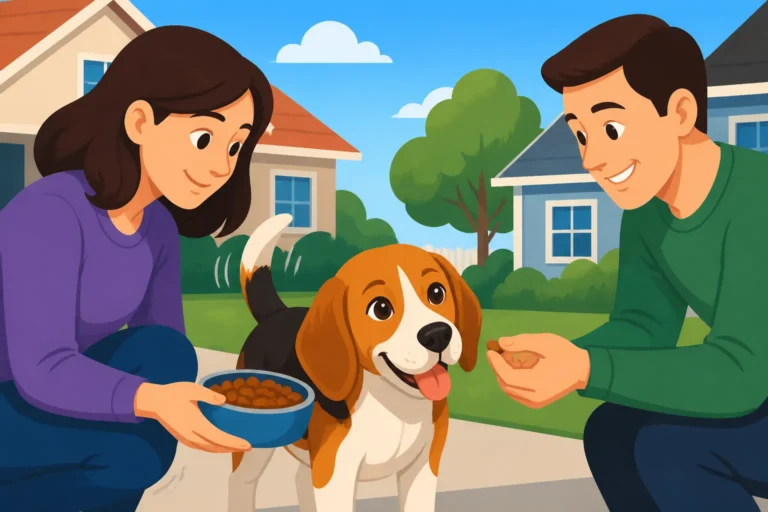
Start by gradually desensitizing your Beagle to your departure cues. Pick up your keys, put on your coat, or grab your bag multiple times a day without actually leaving. This breaks the association between these actions and your exit. When you do leave, do so quietly. No drawn-out goodbyes. Before you walk out the door, offer a high-value, long-lasting chew or a puzzle toy stuffed with something irresistible. Something from Amazon's wide selection of slow feeders or durable chews can be really helpful here. This distracts them and creates a positive association with your departure. Practice very short absences, literally seconds at first, then gradually increase the duration as your Beagle shows comfort. Puzzle Feeders That Genuinely Slow a Beagle are fantastic tools for this.
Enrichment and Exercise Before You Go
A tired Beagle is often a calmer Beagle, but "tired" doesn't just mean physically exhausted. Mental stimulation is just as, if not more, important for Beagles. Before you leave for the day, ensure your Beagle has had ample opportunity to burn off energy and engage their powerful nose. A long sniff walk, where they are allowed to follow interesting scents at their own pace, can be incredibly enriching and tiring. It’s far more effective than just a quick run around the block.
Consider interactive play sessions or a short training session using positive reinforcement. Engaging their minds with simple obedience commands or even some basic trick training can provide valuable mental exercise. Some owners find online programs, like those offered by BAXTER & Bella, useful for consistent, structured training that also helps build confidence. The key is to fulfill their natural instincts before they're left alone. Remember, Sniffing Walks and Why They Tire a Beagle Out because they're working their brain intensely.
Creating a Safe and Soothing Space
The environment you leave your Beagle in can make a huge difference. For some Beagles, a properly introduced and positive crate can become a safe, den-like space where they feel secure. However, for others, especially those with severe separation anxiety, a crate can intensify their panic and lead to self-injury as they try to escape. For these Beagles, a small, safe room (like a laundry room or a spare bathroom) that has been thoroughly puppy-proofed might be a better option.
Within this chosen space, consider using aids to promote calm. Classical music or white noise machines can help mask external sounds that might trigger anxiety. Some owners find pheromone diffusers or calming sprays helpful, though their effectiveness can vary. The goal is to create an environment that feels predictable, secure, and comforting. Ensuring Beagle Crate Anxiety Against Crate Comfort is addressed is crucial here; it must be a positive place.
Professional Help and Medication
While these home-based strategies are important, sometimes separation anxiety is severe enough that you need to call in the cavalry. Don't feel ashamed or like a failure if you reach out for professional help; it's a sign of a responsible and caring owner. A certified professional dog trainer specializing in separation anxiety, or a veterinary behaviorist, can assess your Beagle's specific situation and develop a tailored treatment plan.
In some cases, especially with severe anxiety, your veterinarian might recommend anti-anxiety medication. This isn't a "cure-all" but can be an incredibly valuable tool. Medication can help lower your Beagle's overall anxiety levels, making them more receptive to behavioral modification techniques. It acts as a bridge, reducing their panic enough for them to learn that being alone isn't terrifying. Combine this with the behavioral work, and you're giving your Beagle the best chance at success. Sometimes, an emergency vet visit, discussed in What a Beagle Emergency Vet Visit Runs, is where these conversations begin.
Long-Term Management and Patience
Managing Beagle separation anxiety is a journey, not a destination. It requires consistent effort and a realistic understanding that progress might not always be linear.
Consistency is Key
For any behavioral modification, consistency is paramount, especially with a Beagle's intelligent but sometimes stubborn nature. Every member of the household needs to be on the same page regarding departure routines, exercise, enrichment, and how to react to anxious behaviors. Inconsistency can confuse your Beagle and undermine the progress you've made. For instance, if one person makes a big fuss upon leaving while another slips out quietly, your Beagle won't learn the desired calm departure behavior.
It means sticking to the plan even on days when you're tired or running late. It means rewarding calm behavior consistently and ignoring (when safe) anxious vocalizations or frantic greetings. Just like managing a chronic health condition, as explored in Living Day to Day With an Epileptic Beagle, success often hinges on a consistent, structured routine that your dog can rely on.
Considering Another Canine Companion
Given their strong pack drive, it's natural to wonder if bringing a second dog into the home would help alleviate your Beagle's separation anxiety. For some Beagles, having a canine companion can indeed make a significant difference, providing the social contact and perceived "pack" presence they crave. They might feel less alone and more secure with another dog around.
However, this is not a guaranteed fix and requires careful consideration. Introducing a second dog is a big commitment, and it's essential to understand that you could end up with two anxious dogs if the dynamic isn't right, or if the new dog simply learns the anxious behaviors from the first. It's crucial to evaluate your current Beagle's personality, introduce dogs carefully, and be prepared for the possibility that it might not solve the problem entirely. While a second dog might help, it's also true that Whether a Second Beagle Doubles the Baying is a real concern for owners. Similarly, considering options like Beagle Daycare and Whether It Actually Helps can offer temporary relief and socialization without the long-term commitment of another pet.
Understanding Progress Isn't Linear
Working through separation anxiety with a Beagle can be incredibly rewarding, but it's also a process filled with ups and downs. There will be days when your Beagle seems to make leaps and bounds, and then there might be a regression where they seem to forget everything they've learned. This is normal. Progress in behavioral modification is rarely a straight line.
Celebrate the small victories: a longer calm period before you leave, a less frantic greeting upon your return, or even just a shorter duration of vocalization. Don't get discouraged by setbacks. Re-evaluate your strategies, consult with your professional support team, and remember to be patient and kind to both yourself and your Beagle. Your consistent efforts, even when challenging, will gradually build their confidence and help them understand that your departures are always followed by your return.
| Behavior Symptom | What It Looks Like | Potential Solution Strategy |
|---|---|---|
| Excessive Vocalization | Prolonged howling, baying, whining when alone | Desensitization to departure cues, white noise, calming music, long-lasting chews. |
| Destructive Chewing/Digging | Damage to doors, windows, crate, personal items. | Increased pre-departure exercise & mental enrichment, safe chew toys, secure confinement. |
| Inappropriate Elimination | House-trained Beagle having accidents only when alone. | Rule out medical issues, reduce stress with above strategies, avoid punishment. |
| Pacing/Restlessness | Constant movement, inability to settle. | Sufficient pre-departure exercise, designated safe space, calming aids. |
| Escaping/Attempted Escape | Trying to get out of crate, room, or house. | Secure, comfortable containment, professional behavioral help, medication if needed. |
| Excessive Salivation | Drooling heavily when alone. | Reduce anxiety through behavioral modification, professional guidance. |
Disclaimer
This article is for general informational purposes only and does not constitute professional advice. Laws, prices and regulations vary by location and change over time. Consult a qualified professional for guidance on your specific situation.