Why a Beagle Ignores You Halfway Down a Trail
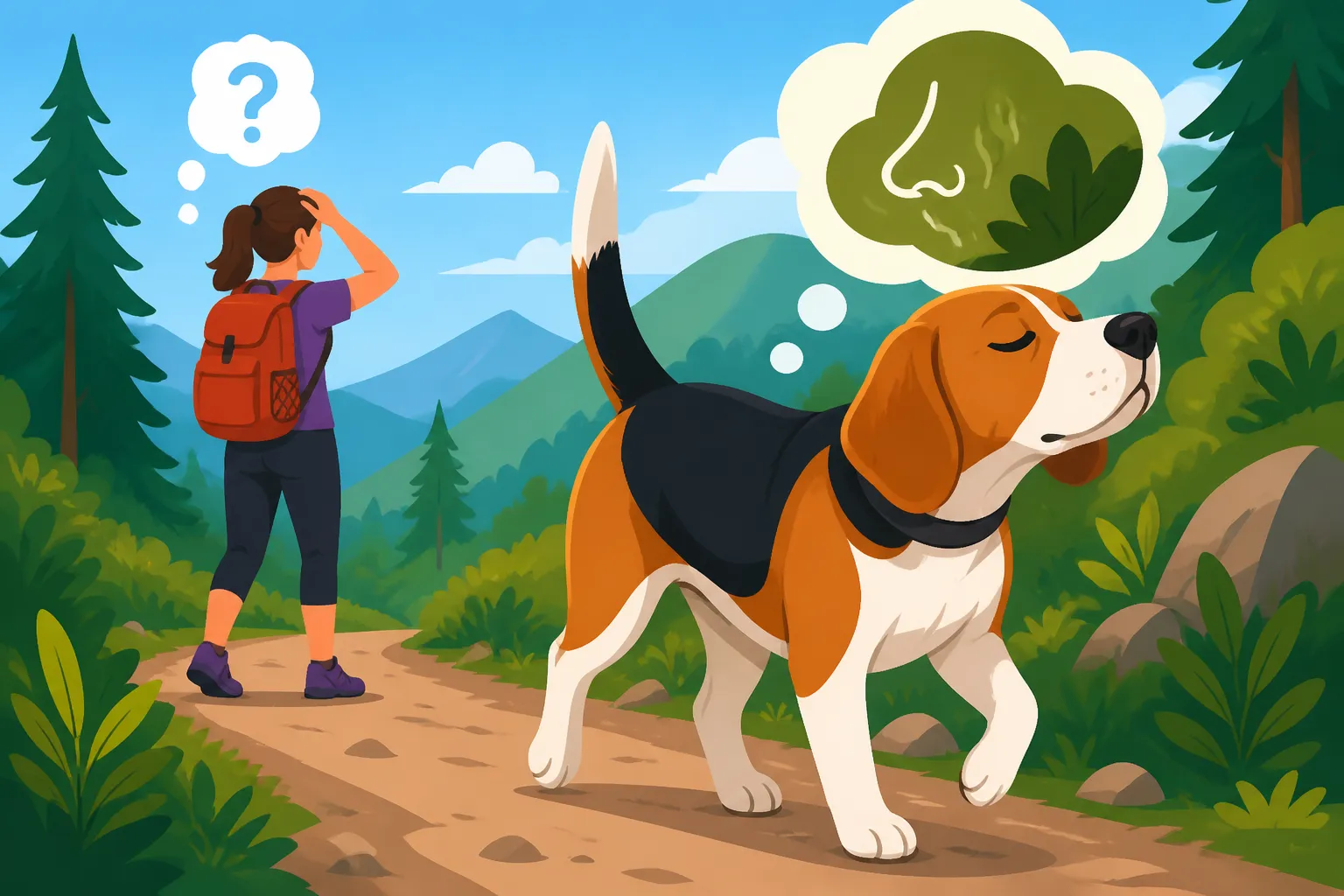
It's one of the most common, and frankly, most frustrating moments for any Beagle owner: you're out on a beautiful trail, enjoying the fresh air with your beloved hound, when suddenly, their nose hits the ground, and your voice, your presence, everything else just ceases to exist. They're gone, mentally, if not physically, completely absorbed in a scent, leaving you feeling utterly invisible. This guide is here to shed light on why your Beagle becomes a scent-seeking missile outdoors and, more importantly, how you can work with their incredible instincts rather than constantly fighting against them.
The Irresistible Call of the Wild: A Beagle's Nose
If you've ever owned a Beagle, you know their nose isn't just a part of their face; it's their entire world. It's their primary way of interacting with the environment, and it operates on a level we humans can barely comprehend. When your Beagle "ignores" you on a trail, it's not an act of defiance; it's an overwhelming biological imperative taking over. They aren't trying to be rude; they're simply being the incredible scent hounds they were born to be.
The Olfactory Powerhouse: More Than Just a Sniff
Imagine having a sense of smell that's tens of thousands of times more powerful than your own. That's what your Beagle is working with. They possess an astounding 220 million olfactory receptors, compared to our paltry 5-6 million. This isn't just about detecting a smell; it's about dissecting it, understanding its history, its direction, and its intensity. They can tell you exactly which squirrel ran which way, how long ago, and probably what it had for breakfast.
When your Beagle's nose locks onto a particularly tantalizing scent – perhaps a deer that passed by hours ago, or a rabbit that darted across the path just moments before – it's like a siren call that drowns out all other input. Their ears might still be working, but the information from their nose is so much louder, so much more compelling, that their brain prioritizes it above all else. This isn't "selective hearing"; it's a sensory overload where the dominant sense is scent. It’s why you might feel ignored, but your Beagle is actually just completely absorbed. It's truly mind-boggling when you consider Why a Beagle Nose Beats Ours Ten Thousand Times Over.
What Happens in a Beagle's Brain on a Scent Trail
When a Beagle catches a strong scent, their brain literally transforms. The part of their brain dedicated to processing smells, the olfactory bulb, is significantly larger than in other breeds, and certainly larger than in humans. Once that scent pathway is activated, it triggers a cascade of neurological events that essentially put them into a trance-like state. They enter what's often called a "scent-induced tunnel vision," where the world shrinks to just that one, captivating odor.
This intense focus isn't just passive detection; it’s an active, dopamine-driven pursuit. Every new piece of information gathered from the scent trail – every slight turn, every faint whiff – provides a little reward, reinforcing the drive to continue. It’s a primal instinct, honed over centuries of breeding, to follow a trail until its conclusion. This means that while you're standing there calling their name, they're experiencing an entire, rich narrative unfold through their nose, a story that is infinitely more interesting and rewarding to them in that moment than whatever you're trying to communicate. Understanding this can help you grasp What a Beagle Experiences on a Scent Trail and why their attention becomes so singularly devoted.
Training Challenges in a Scent-Driven World
Knowing why your Beagle behaves this way is the first step, but it doesn't always make walks less stressful. The unique way Beagles are wired presents distinct challenges for traditional obedience training, especially when it comes to recall in an exciting outdoor environment. It's not about them being unintelligent; it's about their intelligence being channeled differently than what we often expect.
Why Your Voice Stops Registering
It feels personal, doesn't it? You're calling "Buddy! Come!" with increasing urgency, perhaps even a bit of desperation, and your Beagle acts as if you're speaking a foreign language, or worse, not speaking at all. The truth is, once your Beagle's nose has latched onto a scent, your voice simply gets relegated to background noise. It's like trying to have a conversation with someone who has noise-canceling headphones on while they're deeply immersed in a fascinating documentary. They might hear sounds, but they're not processing your specific words.
This isn't malicious disobedience. It's a testament to the sheer power of their olfactory system. Often, owners make the mistake of repeating the command, getting louder, or becoming frustrated. Unfortunately, this can teach your Beagle that your "come" command is either unimportant or signals impending negativity, further eroding the reliability of their recall. Your voice loses its positive association and becomes just another environmental distraction. This is a common pitfall that highlights Beagle Recall and Why Your Voice Stops Registering.
The Limitations of Traditional Recall Methods
Many standard recall methods, effective for breeds less driven by scent, often fall flat with a Beagle. A quick "come" might work perfectly in your living room, or even in a quiet, fenced backyard. But the moment you introduce the intoxicating symphony of outdoor smells – rabbit scat, deer urine, squirrel tracks, or even just the faint scent of another dog that passed by an hour ago – that perfect indoor recall can vanish into thin air.
The challenge lies in making your presence and your command more rewarding than the immediate thrill of the chase or the profound satisfaction of following a scent. If "come" only means returning to boring you, or worse, being put back on the leash to end the fun, why would a Beagle choose that over the adventure their nose is promising? This is why building intrinsic value for recall, through consistent positive reinforcement and high-value rewards, is paramount. You need to make coming back to you the absolute best thing that could possibly happen, every single time. It's a different game than teaching a 'sit' or 'stay', requiring a deeper understanding of motivation. It really clarifies why Beagle Recall That Works Before the Nose Wins needs to be a primary focus in their early training.
Strategies to Reconnect on the Trail
So, how do you bridge the gap between your Beagle's innate drive and your need for them to respond? It's all about understanding their world, managing their environment, and making sure that choosing you is always the most rewarding option. It takes patience, consistency, and often, a little bit of creativity, but it's absolutely achievable.
Building an Emergency Recall
An emergency recall is different from your everyday "come." It's a special, high-stakes command that you only use when you absolutely need your Beagle to return immediately, and it should always be associated with the most phenomenal reward possible. Think of it as your nuclear option, reserved for critical situations like approaching traffic, an aggressive dog, or a disappearing act into dense woods.
To build an emergency recall, choose a unique word or sound (like a whistle) that you never use otherwise. Start practicing in a low-distraction environment, like your quiet backyard. Say the word/blow the whistle, and immediately follow it with an irresistible, high-value treat – something they rarely get, like boiled chicken, cheese, or hot dogs. No asking for a sit, no hesitation; just the sound, then the treat. Repeat this many times over several short sessions. As your Beagle consistently responds, gradually introduce minor distractions, always ensuring success and massive rewards. Remember, this command should never be associated with anything negative, or you'll quickly dilute its power. Consistency is key, and resources like BAXTER & Bella's online training programs can offer structured guidance on developing such a critical cue. The goal is that when you use that specific sound, your Beagle's brain immediately thinks "jackpot!" regardless of the competing scents. This specialized training is crucial for knowing Training a Beagle to an Emergency Recall Whistle.
The Power of the Long Line and GPS Tracking
While the dream of off-leash freedom might seem elusive with a Beagle, a long line offers a fantastic compromise. A long line is a lightweight leash, often 15, 30, or even 50 feet long, that allows your Beagle to explore scents and move with relative freedom while still being physically attached to you. This means they can follow a trail for a bit, but you can always gently guide them back to you if they get too absorbed, or if danger approaches.
When choosing a long line, opt for durable, lightweight materials that won't tangle easily. Nylon or biothane are popular choices, and you can find a wide variety of lengths and thicknesses on platforms like Amazon. Always ensure your Beagle is wearing a well-fitting harness, not just a collar, when on a long line, to prevent neck injuries if they hit the end of the line unexpectedly. Pair this with a reliable GPS tracking collar, which offers an invaluable layer of security. Even the most vigilant owner can have a long line slip, or a gate accidentally left ajar. A GPS tracker, also readily available from retailers like Amazon, allows you to pinpoint your Beagle's location quickly, providing immense peace of mind. For an escape-prone breed, knowing The Long Line Length a Beagle Actually Needs and using a tracker can be a game-changer. It’s also wise to research Beagle GPS Collars and Tracking Tags to choose the best fit for your dog.
Engaging the Brain with Scent Work and Check-ins
Instead of fighting their natural inclination, lean into it! Structured scent work or nose work classes can provide an incredible outlet for your Beagle's talents, fulfilling their instincts in a controlled environment. These activities engage their brain and tire them out mentally far more effectively than a simple walk. Imagine them using their nose for you, searching for hidden treats or specific scents, and being rewarded for it. This shifts their focus from independently following trails to working with you as a team.
Another powerful technique is training "check-ins." On walks, especially in moderately distracting areas, reward your Beagle every single time they voluntarily look back at you. Don't call their name; just wait for them to glance your way, then immediately offer praise and a high-value treat. This teaches them that you are a source of good things, even when there are exciting smells around. Over time, they'll learn that checking in with you is a rewarding habit. The BAXTER & Bella online puppy school and other similar programs often incorporate these types of positive reinforcement techniques, helping owners build a stronger bond and more reliable communication with their scent-driven dogs. By making yourself central to their "scent adventure," you become more relevant than the invisible rabbit. This consistent rewarding of attention is key to Rewarding a Beagle Every Time It Checks In.
Realistic Expectations and Management
Ultimately, owning a Beagle means accepting and embracing their unique qualities. While you can certainly improve their recall and manage their environment, you can't fundamentally change who they are. Their nose will always be their compass, and their drive to follow a scent will always be powerful.
Accepting the Beagle's Nature
The first step to a happier, less frustrating life with your Beagle is to truly accept their inherent nature. You cannot "train out" their scent drive; it's as much a part of them as their floppy ears or their joyful bay. Trying to suppress it entirely will likely lead to frustration for both of you. Instead, focus on channeling it, managing it, and providing appropriate outlets.
This means adjusting your expectations for what an "off-leash" walk might look like. For most Beagles, true off-leash reliability in an unfenced, stimulating outdoor environment is a rare feat. Even if your Beagle has a fantastic recall 99% of the time, that 1% when they catch the scent of a lifetime could lead them miles away. Prioritizing their safety and understanding that their "stubbornness" is actually deeply rooted absorption in their sensory world is key. It's less about disobedience and more about intense focus. For many owners, it boils down to understanding Whether Any Beagle Can Be Trusted Off Leash.
Creating a Safe and Enriched Environment
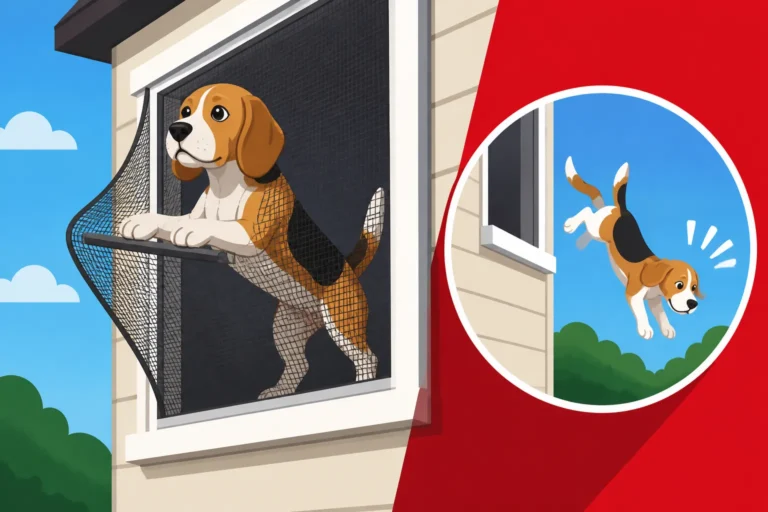
Given their propensity to follow their nose to the ends of the earth, creating a secure environment is paramount. This means investing in a truly Beagle-proof fence for your yard – they are notorious diggers and climbers, so consider fence height, buried wire skirts, and secure latches. Invisible fences, relying solely on pain compliance, are often ineffective for a Beagle once a strong scent takes over. The allure of the trail will almost always outweigh the discomfort of the shock.
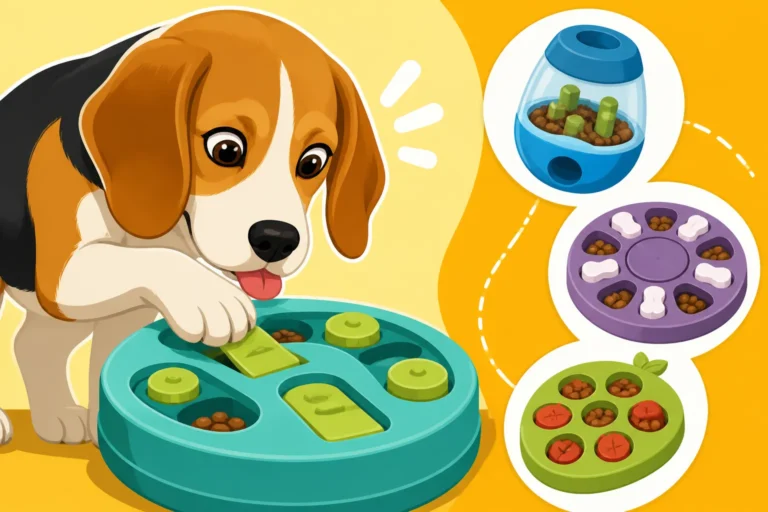
Indoors, provide plenty of enrichment that engages their nose. Puzzle toys, snuffle mats, and hidden treat games can help fulfill their scenting instincts in a safe, contained way. Regular "sniffing walks" where you allow them ample time to explore scents at their own pace (on a long line or leash, of course!) are also crucial. These aren't just walks; they're mental workouts that can leave your Beagle far more tired and content than a brisk, forced jog. By meeting their instinctual needs, you reduce the likelihood of them becoming overly fixated on external stimuli during structured walks. These focused scenting opportunities are a huge part of Sniffing Walks and Why They Tire a Beagle Out.
Here’s a quick overview of how to interpret your Beagle's trail behavior:
| Beagle Trail Behavior | Owner's Interpretation | Recommended Owner Response |
|---|---|---|
| Nose to ground, ears back | Deeply engaged in a scent trail | Use emergency recall if needed, otherwise give space to sniff (on leash) |
| Sudden darting, pulling hard | Caught a fresh, exciting scent or saw prey | Anchor firmly, use long line to redirect, high-value treat for focus |
| Ignoring verbal commands | Scent input is overriding auditory processing | Move closer, use visual cues, or emergency recall command once only |
| Wandering off path consistently | Exploring new scent possibilities, not intentionally leaving you | Keep on long line, redirect with treats, or guide back with line |
| Brief glance back at owner | Momentary break in scent focus | Immediately reward with praise and high-value treat to reinforce check-in |
Conclusion
Living with a Beagle means embracing their extraordinary nose and understanding that their world is primarily olfactory. When your Beagle seems to ignore you halfway down a trail, it’s not an affront; it’s simply their incredible instincts taking over. By understanding the power of their scent drive, employing smart training strategies like an emergency recall, utilizing management tools like long lines and GPS trackers, and providing ample scent enrichment, you can build a deeper bond and enjoy safer, more harmonious adventures together. It's about learning to speak "Beagle" and making sure that, even with a world of fascinating smells, you remain the most rewarding part of their journey.
Disclaimer
This article is for general informational purposes only and does not constitute professional advice. Laws, prices and regulations vary by location and change over time. Consult a qualified professional for guidance on your specific situation.