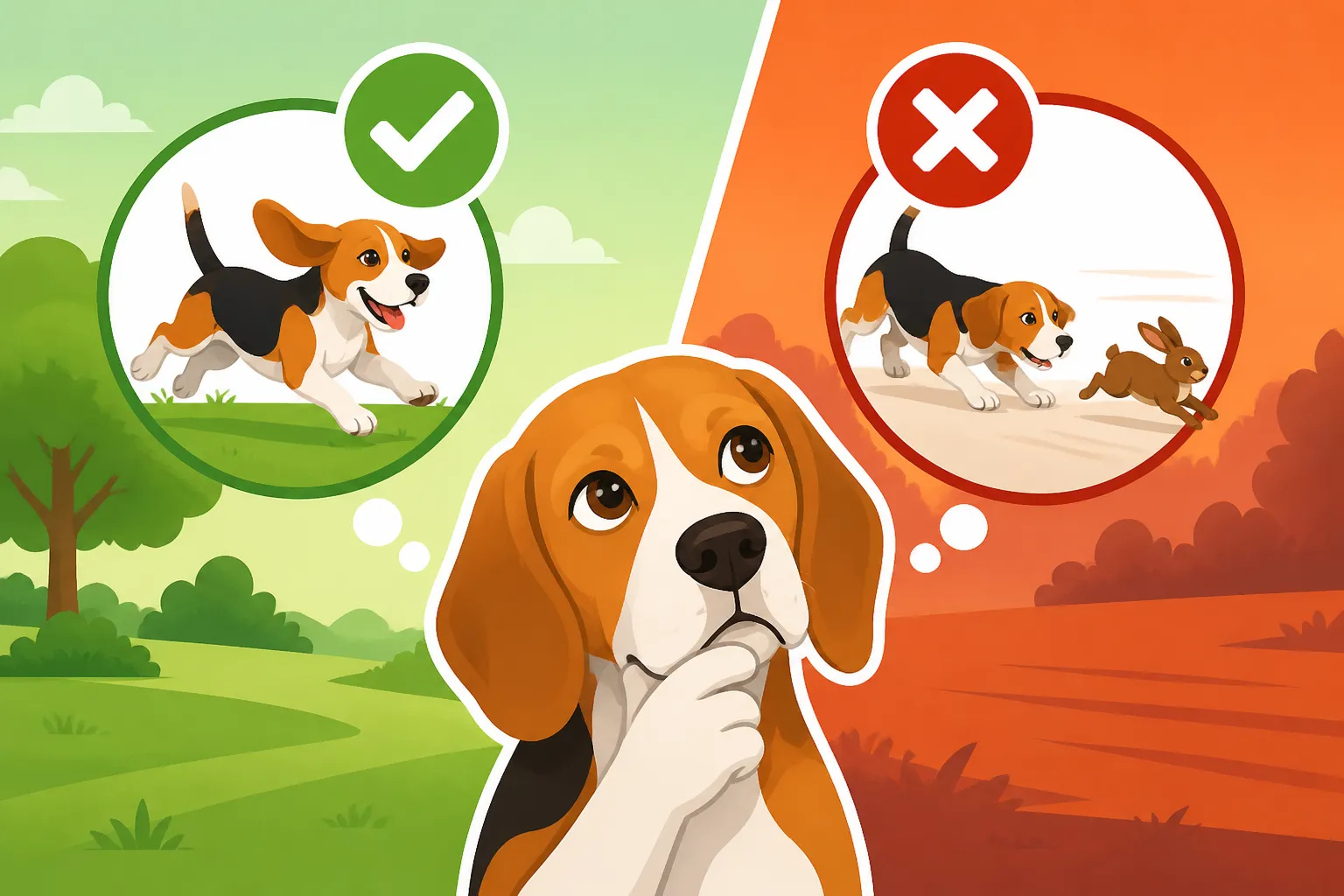
Whether Any Beagle Can Be Trusted Off Leash
It's a dream many Beagle owners share: strolling through a beautiful park, your beloved hound trotting happily by your side, completely off-leash and responsive to your every command. But for anyone who has lived with the powerful, instinct-driven nose of a Beagle, that dream often feels more like a fantasy, fraught with the very real fear of your dog vanishing in pursuit of an invisible scent. This guide will dive deep into the unique challenges Beagles present when it comes to off-leash freedom, explore the inherent risks, and offer practical strategies for managing their incredible instincts safely and realistically.
The Beagle's Unstoppable Nose: Understanding Their Scent Drive
The single biggest factor dictating whether a Beagle can be trusted off-leash isn't obedience training, but rather their genetic blueprint. Beagles were quite literally bred over centuries to follow a scent trail relentlessly, often for miles, with a single-minded focus that overrides almost everything else. This isn't stubbornness; it's instinct.
Why the Scent Trail Dominates Everything Else
Imagine having a superpower, but that superpower is only activated by the faintest whiff of something incredibly exciting, and once it's on, your brain reorients completely to that one goal. That's a Beagle's nose. They possess an olfactory bulb that is significantly larger than many other breeds, packed with around 220 million scent receptors. When a Beagle catches a compelling scent – perhaps a rabbit that passed by hours ago, or a deer that left a faint trail – their world narrows. The sound of your voice, the sight of you, even the promise of a favorite treat can become secondary, if not completely irrelevant.
This isn't them being disobedient; it's their brain doing exactly what it was designed to do. Their ancestors were prized for their ability to stick to a trail without deviation, often out of sight of their human hunting companions, baying loudly to signal their progress. That deep-seated drive is still very much alive in our modern Beagles, even if their "quarry" is just a discarded sandwich crust or an interesting patch of grass. Their entire being becomes absorbed in deciphering the invisible map of odors beneath their nose, and pulling them away from that mental pursuit is like asking a human to ignore a screaming fire alarm. It simply doesn't compute. You can learn more about this by reading Why a Beagle Nose Beats Ours Ten Thousand Times Over.
The Evolutionary Roots of a Beagle's Drive
To truly understand why off-leash reliability is such a monumental task for a Beagle, we have to look back at their history. Beagles were developed primarily for "beagling," a sport where hunters followed on foot as a pack of Beagles tracked rabbits or hares. The dogs were expected to work independently, following complex scent patterns across varying terrain, often through thick brush or over hills where the hunters couldn't see them. Their distinctive baying wasn't just charming; it was a critical communication tool, telling the hunters exactly where the trail led.
This means that centuries of selective breeding ingrained the very traits that make off-leash control so difficult today: an unshakeable focus on scent, an independent problem-solving nature when on a trail, and a powerful drive to keep moving until the scent is either caught or lost. These aren't just cute quirks; they are highly refined survival and hunting tools. Expecting a Beagle to override these deeply embedded instincts for the sake of a casual off-leash walk is asking them to betray their very nature.
The Real-World Impact on Recall
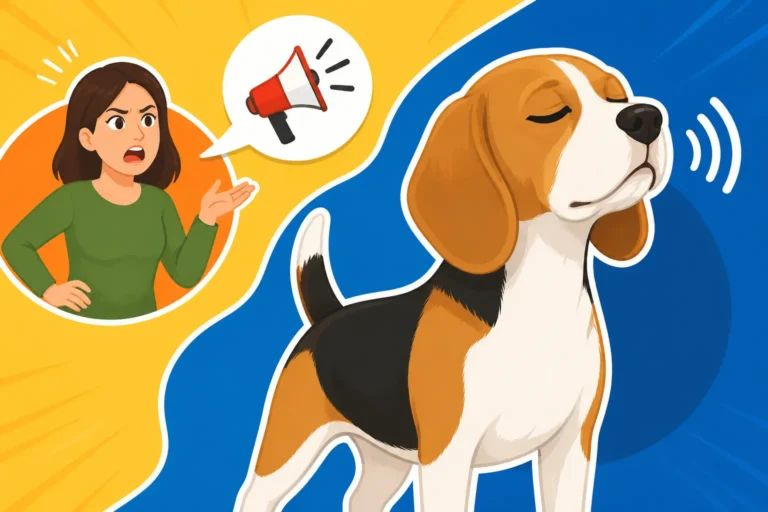
So, what does this mean for recall? It means that even the most meticulously trained Beagle, one that has a fantastic recall in your living room or a perfectly enclosed backyard, can have that recall completely evaporate the moment a high-value scent hits their nose in an open environment. The sound of your voice, which typically signals a reward or interaction, simply cannot compete with the sheer sensory overload and primal satisfaction of following a potent trail. Owners often report that their Beagle acts as if they literally cannot hear them, even when calling from just a few feet away.
This isn't about disrespect or malice; it's about pure, unadulterated instinct taking over the reins. You might stand there, heart pounding, shouting their name while they become a tiny, sniffing speck disappearing over the horizon, completely oblivious to your distress. The frustration is immense, and it’s a feeling many Beagle owners know well. This phenomenon is extensively covered in Beagle Recall and Why Your Voice Stops Registering.
The Risks of Trusting a Beagle Off Leash
Given their powerful instincts, the risks associated with letting a Beagle off-leash in an uncontrolled environment are significant and far-reaching. It’s not just about losing your dog; it's about the very real dangers they can encounter, and the trouble they can cause.
Danger Zones: Roads, Wildlife, and Disappearing Acts
The most immediate and terrifying risk is your Beagle darting into traffic. A Beagle with its nose to the ground is not looking for cars, bikes, or pedestrians. They are single-mindedly following a scent, and a busy road might as well be an open field to them once that scent takes hold. It only takes a second for a tragic accident to occur. Beyond roads, there are other environmental dangers: encountering aggressive wildlife, stumbling into poisonous plants, or falling into bodies of water they can't get out of. A Beagle on a scent trail is not being careful; they are being driven.
Then there's the simple fact that they can truly get lost. Their range, when driven by scent, is astonishing. They can cover miles in a surprisingly short amount of time, winding through neighborhoods, across fields, and into areas completely unfamiliar to them. What starts as a quick sniff could turn into an hours-long search and a terrifying ordeal for you. Why a Beagle Will Follow a Scent for Miles illustrates just how far they can go.
Legal and Community Implications of a Wandering Beagle
A lost Beagle isn't just a personal tragedy; it can also lead to legal and community issues. Many municipalities have leash laws, and a Beagle running at large can result in fines, impoundment fees, and even potential legal liability if they cause an accident or disturbance. Imagine your Beagle, deep in scent work, trotting into a neighbor's yard, digging up flowerbeds, or perhaps even startling someone or another pet. While Beagles are generally friendly, a frightened person or an aggressive dog might not see it that way.
Furthermore, a dog that frequently escapes can become a nuisance in the community. Neighbors might complain about incessant baying as your Beagle tracks a scent or about them leaving "deposits" on private property. Responsible pet ownership includes ensuring your dog is safely contained, and for a Beagle, this often means a leash or a truly secure fence, as discussed in Why a Beagle Should Never Be Off Leash Unfenced. Ignoring this can strain relationships with those around you and lead to a negative perception of your beloved breed.
False Confidence: When Good Recall Goes Bad
Many owners feel a sense of false confidence after a few successful off-leash experiences in a seemingly safe area. Perhaps you've walked the same quiet trail many times, and your Beagle has always come back when called. But a Beagle's recall is not a guaranteed constant; it's highly dependent on the level of distraction. One day, a particularly compelling scent, perhaps from a deer or a fox, will cross that path, and your "reliable" recall will vanish in a puff of scent-driven glory.
It's the one time you really need them to come back – the approaching jogger, the distant sound of a car, the unexpected appearance of another dog – that their nose will betray you. This is why many experienced Beagle owners adopt the mantra: "A Beagle off-leash is a lost Beagle." It's not a pessimistic view; it's a realistic understanding of their powerful, ingrained drives. It's not a question of if it will happen, but when the right scent will prove too much for even the best-trained Beagle.
Strategies for Safe Off-Leash Experiences (with realistic expectations)
While fully trusting a Beagle off-leash in an uncontrolled environment is generally ill-advised, there are certainly ways to give your Beagle a sense of freedom and allow them to indulge their magnificent nose safely. It's all about managing the environment and equipping yourself with the right tools and training.
Controlled Environments: Fenced Parks and Private Land
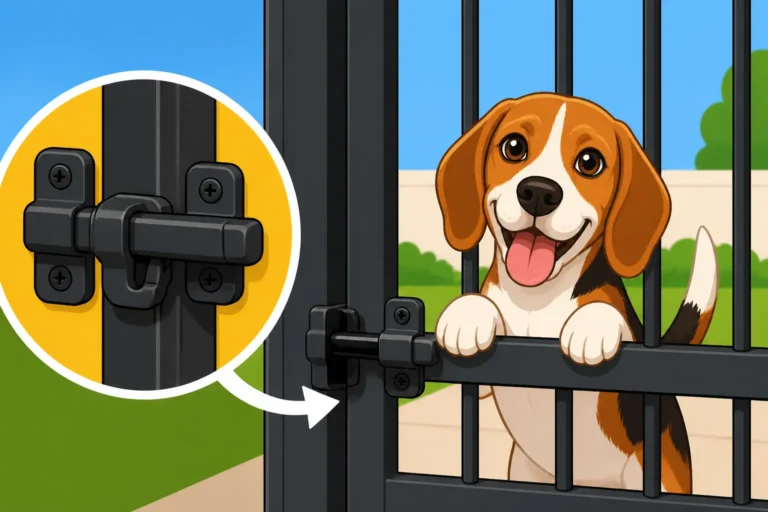
The safest way for a Beagle to experience off-leash freedom is in a truly secure, private, or designated fenced area. This means tall fences (Beagles can be surprisingly good jumpers and climbers) that extend to the ground, with no gaps or weak spots they can exploit. Some owners are lucky enough to have friends or family with large, securely fenced properties where their Beagle can roam and sniff to their heart's content. Dog parks can also offer this, but always be mindful of other dogs and their temperaments, as a scent-driven Beagle can sometimes inadvertently annoy other park-goers.
Even in a fenced area, it's wise to remain vigilant. Check the fence line regularly for new digging spots or weaknesses. Remember, a determined Beagle can be an escape artist if given the opportunity. The joy of watching them explore safely, however, is immense and makes the effort worthwhile. Always make sure you're aware of the exit points and potential hazards, and never assume that "fenced" means "foolproof" when a Beagle's nose is involved.
The Indispensable Long Line as Your Best Friend
For times when a securely fenced area isn't available, but you still want to give your Beagle more room to explore than a standard leash allows, a long line is your absolute best friend. These are typically 15 to 50 feet of lightweight, durable rope or webbing that allow your Beagle to roam a significant distance while still being physically connected to you. It gives them the illusion of freedom and the joy of sniffing extensively, while you retain the crucial control needed for safety.
Using a long line effectively means investing in a good quality one (you can find many options on Amazon) and practicing with it. Let your Beagle explore, but keep an eye on where they're heading. If they start to get too focused on a scent in a risky direction, you can gently guide them back or simply stop them with the line. Always attach the long line to a well-fitting harness, not a collar, to prevent neck injuries if they hit the end of the line at a run. This tool is invaluable for practicing recall in more open spaces with a safety net, as detailed in The Long Line Length a Beagle Actually Needs.
Building a Rock-Solid Emergency Recall (and still not trusting it 100%)
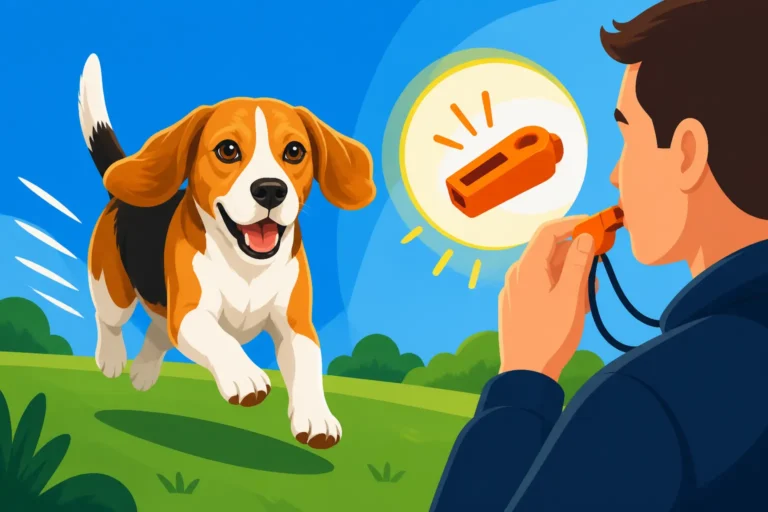
Even with the understanding that a Beagle's scent drive can override everything, it is still absolutely critical to train an emergency recall. This is a special, high-value command that you only use in true emergencies and pair with the most delicious, irresistible treats your Beagle can imagine (like bits of cooked chicken or cheese). The goal is for this command to be so deeply ingrained and associated with such an incredible reward that it has the best possible chance of cutting through the scent fog.
Practice this recall frequently in low-distraction environments, making it a fun, positive game. Slowly introduce more distractions, always ensuring success before moving on. However, here's the realistic part: never trust it 100%. An emergency recall is a vital tool, but it's a last resort, not a primary off-leash strategy. Beagles are individuals, and some might develop an amazingly reliable emergency recall, but for many, that ultimate reliability is fleeting in the face of true scent temptation. Services like BAXTER & Bella offer comprehensive online training programs that can help build these foundational skills from puppyhood, giving you the best possible chance at a strong recall, even if it's primarily used on a long line.
Investing in GPS Tracking for Peace of Mind
Despite all precautions, Beagles can be incredibly resourceful escape artists. For any Beagle owner, especially one who desires to give their dog any semblance of off-leash time or lives in an area with escape risks, a GPS tracking collar is an invaluable investment. These devices attach to your Beagle's collar and allow you to track their location via a smartphone app, often in real-time.
While a GPS tracker won't prevent an escape, it dramatically increases your chances of a quick and safe recovery. Imagine the relief of seeing your Beagle's location on a map after they've slipped past an open gate or chased a squirrel into the woods. There are many brands available on Amazon, offering various features like geofencing (alerting you if your dog leaves a predefined area) and activity monitoring. It's not a substitute for proper containment and training, but it's a powerful tool for peace of mind. Consider it an essential backup, much like a microchip, which is crucial for identification once they are found, as covered in Beagle Microchips and Getting a Lost Dog Back.
When to Never Attempt Off-Leash with a Beagle
Understanding when not to even consider taking your Beagle off-leash is just as important, if not more so, than knowing when you might attempt it. Certain situations pose unacceptable risks that no amount of training or optimism can overcome.
High-Traffic Areas and Unfamiliar Territory
Any area with vehicular traffic, whether it's a city street, a suburban road, or even a country lane where cars might travel at speed, is an absolute no-go for off-leash Beagles. The risk of them bolting into traffic, completely oblivious, is too high to ever justify. Similarly, unfamiliar territory presents a massive challenge. In new places, every scent is novel and exciting, amplifying their natural drive to explore and follow. They don't know the local hazards, the layout, or how to get back to you, making them far more prone to getting lost.
Even in seemingly quiet, rural settings, you can never assume safety. There could be hidden dangers like barbed wire, livestock, or open wells, not to mention the risk of encountering hunters or other dogs. An off-leash Beagle is a liability, not just to themselves, but potentially to others and their property. This applies even if you're just "popping out for a quick pee" in an unfamiliar area. Keep them leashed.
Puppies and Adolescent Beagles: A Recipe for Disaster
Beagle puppies and adolescents are bundles of energy, curiosity, and often, very little impulse control. While you should absolutely begin recall training early and consistently (as discussed in Beagle Puppy Recall Before Adolescence Hits), it's irresponsible to rely on it in an off-leash situation during these developmental stages. Puppies are still learning about the world and lack the experience to navigate potential dangers. Adolescents, famously, go through a phase of "selective hearing" where their previously good training seems to vanish overnight, often coinciding with a surge in their prey drive and wanderlust.
Allowing a young Beagle off-leash is essentially setting them up for failure and putting them in harm's way. Focus on building strong foundational skills on a long line in a secure environment. This is the time to build habits, not to test their limits against their powerful instincts. Patience during these crucial development periods will pay dividends in their overall safety and your peace of mind later on.
Beagles with a History of Escaping
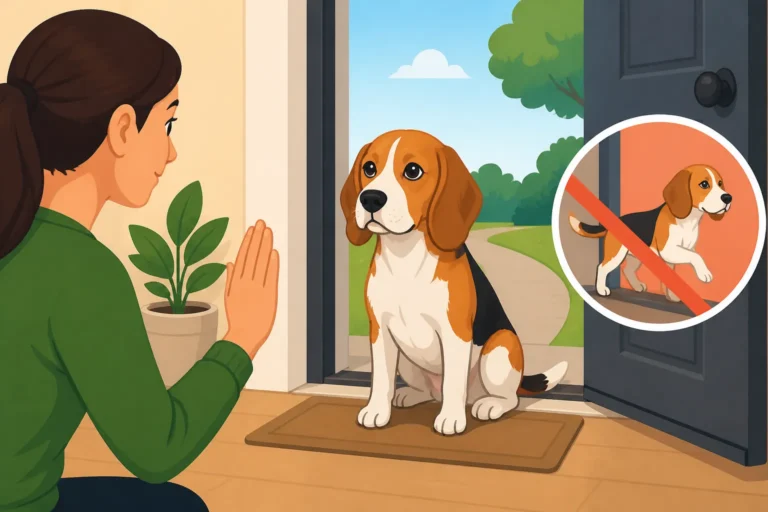
If your Beagle has a known history of escaping, whether by digging under fences, scaling them, or darting out open doors, then off-leash privileges should be severely restricted, if not eliminated entirely, outside of the most controlled, double-gated, supervised environments. An escape artist Beagle has proven they have the drive and ingenuity to get out, and giving them the opportunity to roam freely only reinforces that behavior and increases the risk of them going missing again.
For these Beagles, management is key. This means ensuring your home and yard are as Beagle-proof as possible, always using a leash and harness on walks, and employing tools like long lines or secure outdoor runs for supervised exercise. Understanding The First Hour After a Beagle Goes Missing can highlight the sheer terror and urgency involved, reinforcing why preventing escapes is paramount. It’s not about punishing your Beagle, but about protecting them from themselves and the dangers of the outside world.
| Scenario for Off-Leash | Risk Level | Recommendation |
|---|---|---|
| Securely Fenced Private Yard | Low | Supervised only; double-check fence integrity. |
| Designated Off-Leash Dog Park (Fenced) | Medium | Supervised; be aware of other dogs, park rules, and potential fence gaps. |
| Open Field/Woods (Unfenced) | High | Only with a long line attached to a harness. |
| Near Roads or Traffic | Extreme | Never. Always on a leash. |
| Unfamiliar Territory | High | Never. Always on a leash or long line. |
| During Adolescence | High | Avoid true off-leash. Focus on long line training. |
| Known Escape Artist | Extreme | Never off-leash. Focus on secure containment and leashed walks. |
Disclaimer
This article is for general informational purposes only and does not constitute professional advice. Laws, prices and regulations vary by location and change over time. Consult a qualified professional for guidance on your specific situation.