Beagle Microchips and Getting a Lost Dog Back
There’s almost nothing more terrifying for a Beagle owner than the moment you realize your mischievous hound has vanished. One second they’re there, nose to the ground, utterly absorbed in some fascinating scent, and the next they’ve simply… disappeared. It’s a gut-wrenching feeling that can send even the calmest person into a panic. This guide is here to walk you through how microchips are a vital tool in bringing your lost Beagle home and what immediate actions you need to take if your beloved companion ever goes missing.
Why Beagles Are So Prone to Going Missing
Let's face it, Beagles are unique. Their endearing qualities, like that merry temperament and their incredible noses, are also precisely what makes them masters of escape and disappearance. Understanding these tendencies is the first step in prevention, but also crucial for knowing why your search efforts might need to be extra diligent.
The Irresistible Pull of a Scent
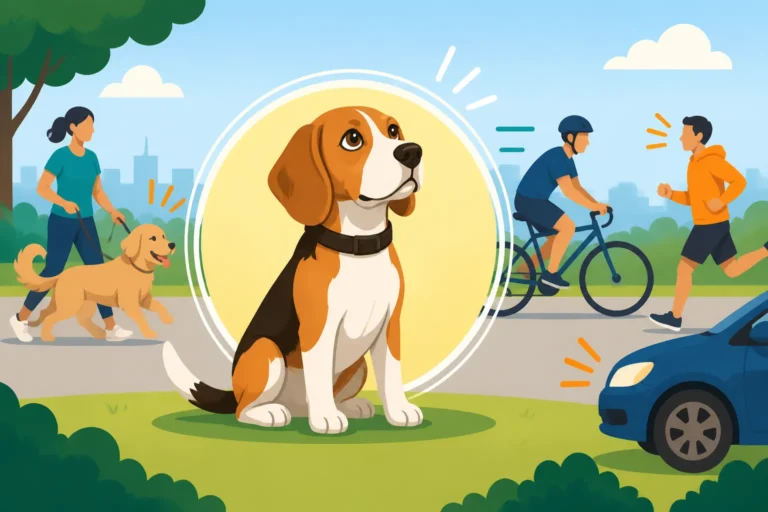
If you own a Beagle, you already know their nose is their superpower – and sometimes, their greatest downfall. A Beagle's entire world revolves around scent, and if a captivating aroma crosses their path, everything else, including your desperate calls, fades into the background. Imagine a master chef suddenly getting a whiff of the most exquisite truffle he’s ever smelled; he’s not going to stop to check his phone. That's your Beagle, ten thousand times over. They are hardwired to follow a trail, and once they lock onto it, their ears might as well be painted on. This single-minded pursuit means they can wander miles from home in a surprisingly short amount of time, completely oblivious to their surroundings. This is Why a Beagle Will Follow a Scent for Miles, and it’s why even the most well-trained Beagle can suddenly develop selective hearing when a rabbit trail is involved.
Beagle Escape Artistry
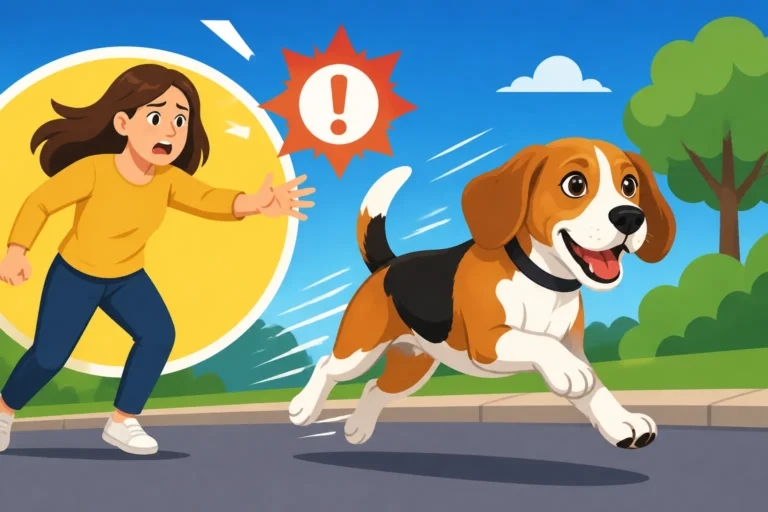
Beyond the lure of a scent, Beagles are incredibly clever and persistent when they want to get somewhere. They are known for their Beagle Escape Artistry and How to Contain It, a skill honed over centuries of hunting where they had to navigate tough terrain. A small gap in the fence, a gate left ajar for just a moment, or even a flimsy window screen can become an open invitation to adventure. They are often proficient diggers, capable of undermining a fence line with surprising speed. They might not be champion jumpers like some breeds, but their determination to squeeze through, over, or under obstacles is legendary. This means even a securely fenced yard isn't always foolproof, and a quick dash through an open door is a common scenario. A Beagle That Bolts Out the Front Door is a common problem, and it only takes a second for them to be out of sight, driven by that powerful nose.
The Microchip: Your Beagle's Invisible Lifeline
When the worst happens and your Beagle goes missing, a microchip can be the single most important tool in getting them back to you. It's not a GPS tracker, but it's a permanent form of identification that can speak volumes when your dog cannot.
What a Microchip Is and How It Works
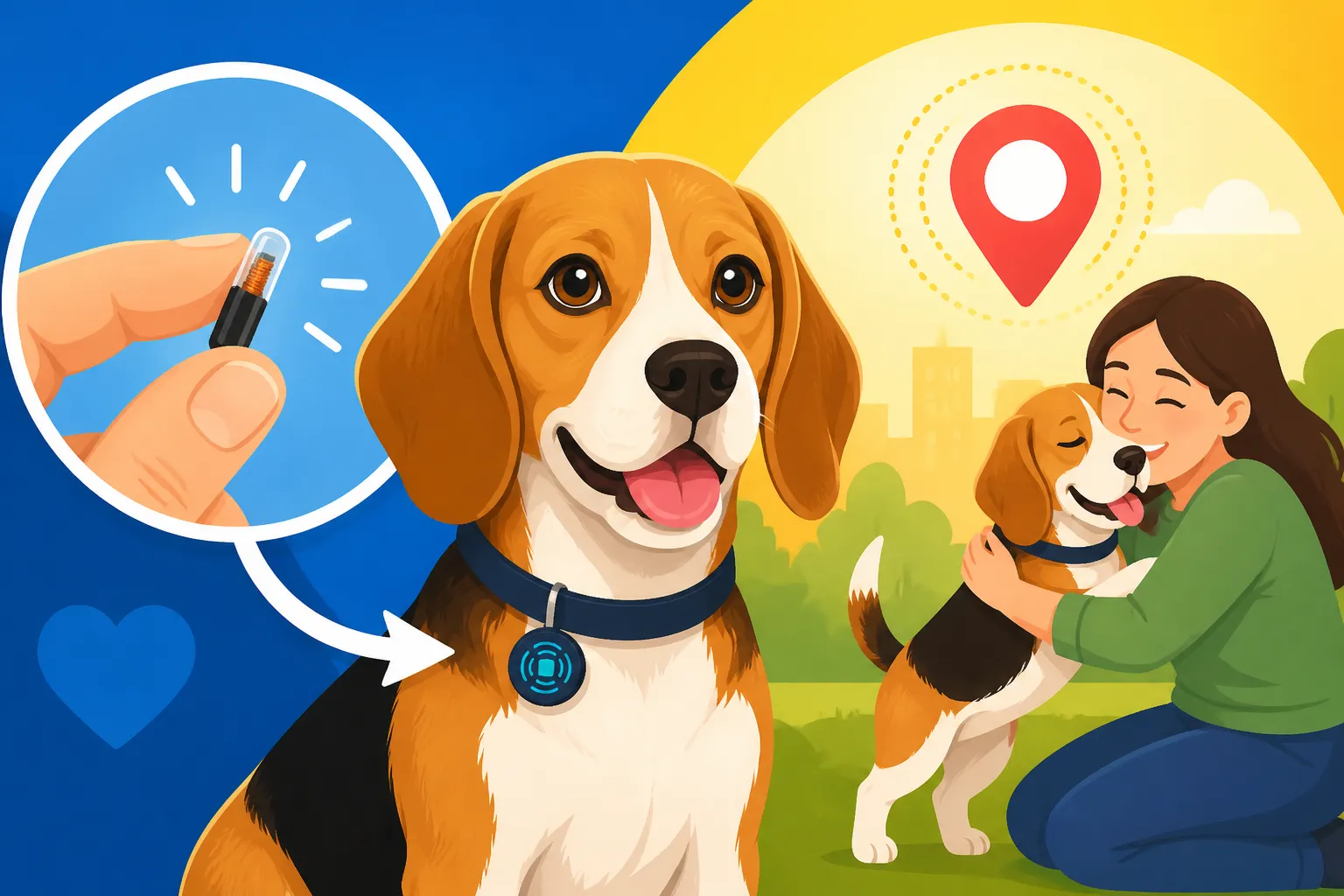
A microchip is a tiny, rice-sized transponder, about the size of a grain of rice, that’s implanted just under your Beagle’s skin, usually between the shoulder blades. It’s a simple, quick procedure, much like a routine vaccination, that causes minimal discomfort. This chip contains a unique identification number – a serial number, essentially – that is linked to your contact information in a national registry database. It doesn't store any personal data directly on the chip itself, nor does it require a power source. When a lost pet is found and brought to a vet clinic or shelter, they use a special handheld scanner to read the chip's ID number. Once that number is obtained, they contact the microchip registry, and the registry then provides your contact details, allowing them to reunite you with your Beagle.
This system relies entirely on you keeping your contact information up-to-date with the registry. Moving to a new house, changing your phone number, or even switching email addresses requires an update to the microchip company. Neglecting this crucial step makes the microchip practically useless, turning that invisible lifeline into a dead end. Many people get their puppies microchipped, like those from reputable breeders or through BAXTER & Bella's recommended practices, but then forget about the registration aspect. It's a common oversight, but a critical one.
Why Every Beagle Needs a Microchip
Beyond the obvious benefit of returning a lost pet, a microchip offers a layer of permanent security that traditional ID tags simply can’t. Collars can break, tags can fall off, or information can become illegible over time. A microchip, however, is safely tucked away, unremovable and unchanging, for your Beagle's entire life. Even if your Beagle manages to ditch their collar during an escape, that microchip remains.
Consider this scenario: your Beagle, caught by a powerful scent, slips through a loose gate while you’re gardening. They follow the trail, winding up several neighborhoods away, and eventually, a kind stranger finds them wandering. This person, unable to find an ID tag, takes them to the local animal shelter. The first thing the shelter will do is scan for a microchip. If your Beagle has one, and your information is current, that shelter can immediately contact you, turning what could have been a prolonged, agonizing search into a quick reunion. This is why a microchip is so widely recommended by veterinarians and rescue organizations as a fundamental safety measure for all dogs, especially scent hounds like Beagles who are known to wander.
When Your Microchipped Beagle Goes Missing: Immediate Actions
The moments after you realize your Beagle is gone are crucial. Panic is a natural reaction, but taking swift, organized action can significantly increase your chances of a quick reunion.
The First Steps: Act Fast and Systematically
The very first thing you need to do is confirm your Beagle is truly gone, then launch into action. Don't waste time panicking. Implement the plan you hopefully already have for What to Do the Moment a Beagle Gets Loose.
Here’s a step-by-step approach:
- Search Your Immediate Area Thoroughly: Beagles, even when following a scent, can sometimes circle back or get momentarily confused. Call their name loudly, use their favorite squeaky toy, or rattle a treat bag. Check all possible hiding spots in your yard and immediate surroundings. Expand your search outward, focusing on the direction they might have gone, especially if you saw them head off.
- Contact Your Microchip Registry IMMEDIATELY: This is paramount. Call the microchip company and report your Beagle missing. They will flag your pet as lost in their system, which is crucial if someone scans your dog. Confirm that all your contact information (phone numbers, address, email) is absolutely correct and up-to-date. If you've moved or changed numbers, update it without delay.
- Alert Local Shelters, Animal Control, and Vet Clinics: Provide them with a clear, recent photo of your Beagle, along with their microchip number, a detailed description, and your contact information. Beagles are a distinct breed, but specific markings or a unique collar can help. If your Beagle has any medical conditions, like Beagle Hypothyroidism and Sudden Weight Gain or Idiopathic Epilepsy in Beagles From Six Months to Six Years, mention these so they know if special care might be needed. Cast a wide net, calling every facility within a 20-30 mile radius, or even further if your area is rural or near major roads.
- Create "Lost Dog" Posters: Include a large, clear photo, your Beagle's name, their microchip number (optional, but can help deter false claims), and your phone number. State "REWARD" but don't specify an amount initially. Post these widely in your neighborhood, at local businesses, vet clinics, and shelters. Consider local community boards or even places like Amazon grocery stores if they have a community board.
Leveraging Community and Online Resources
In today's connected world, social media and community networks are powerful allies in finding a lost pet.
- Facebook Groups and Nextdoor: Join and post in local lost and found pet groups, community pages, and neighborhood apps like Nextdoor. Share your Beagle's picture, description, last known location, and microchip number. Ask people to share widely. Many success stories come from these platforms.
- Pet-Finding Websites: Register your lost Beagle on national pet-finding databases. These often cross-reference with shelter intake data and can send alerts to nearby users.
- Ask Neighbors: Talk to everyone. Give children flyers to hand out to their parents. Beagles are friendly and might approach people, so someone may have seen or even temporarily taken in your dog.
Beyond the Chip: Comprehensive Prevention and Recovery Tools
While a microchip is essential, it’s just one piece of the puzzle. A multi-pronged approach combining robust prevention with additional recovery tools gives your Beagle the best chance of staying safe and returning home.
ID Tags and GPS Collars
Think of ID tags as your Beagle’s immediate calling card. A visible tag with your current phone number and address is often the quickest way for a finder to contact you, bypassing the need for a scanner. This is why even a microchipped Beagle should always wear a collar with an ID tag. For an extra layer of security, consider a tag that also states "Microchipped" or "Needs Meds." Many options are available on Amazon, from engraved metal tags to silent silicone ones.
For the ultimate real-time tracking, a GPS collar is an incredible tool, especially for a breed like the Beagle known for its adventurous spirit and selective hearing. While they have a subscription cost, they offer peace of mind by allowing you to track your dog's location via an app on your phone. This can be a game-changer if your Beagle bolts during a walk or if you have an open property. When considering GPS Collars as a Backup for Beagle Recall, remember they are a backup, not a replacement for training. However, they are invaluable for pinpointing where your dog might be in The First Hour After a Beagle Goes Missing.
Training and Secure Containment
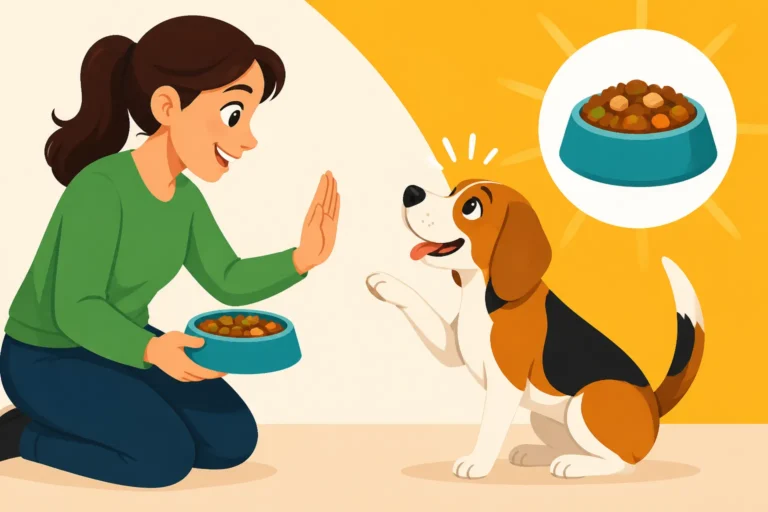
Prevention is always better than cure. Invest in solid training, especially a reliable recall. While a Beagle's nose is powerful, consistent, high-value reward-based training can help build a stronger connection and make your voice more appealing than a distant scent. Programs like those offered by BAXTER & Bella can help lay a strong foundation for a Beagle puppy, focusing on engagement before the scent drive fully kicks in. Understanding Beagle Recall and Why Your Voice Stops Registering is key to training effectively.
Physical containment is equally important. Regularly inspect your fences for weak spots or potential digging areas. Many Beagle owners find they need to reinforce their fences with buried wire or a "L-footer" to prevent digging escapes. The Fence Height That Actually Holds a Beagle is a common question, and for Beagles, it's often more about preventing digging under than jumping over. Double-checking gate latches and ensuring everyone in the household understands the importance of door safety will also go a long way.
Finally, having an Beagle Emergency Funds Worth Building isn't just for unexpected vet bills. It can cover costs associated with extensive lost dog searches, higher rewards, or even travel if your Beagle is found far from home. Preparing for the worst, even while hoping for the best, is part of responsible Beagle ownership.
Lost Dog Recovery Checklist
Having a clear plan of action when your Beagle goes missing can save precious time and reduce panic. This table outlines the critical steps to take.
| Action Item | Priority | Details |
|---|---|---|
| Confirm Missing & Immediate Area Search | High | Check all indoor/outdoor hiding spots. Call name, use favorite toy/treats. Look under bushes, in sheds, under decks. |
| Contact Microchip Registry | High | Call the company ASAP. Report lost pet. VERIFY your contact information is 100% current. Update if needed. |
| Alert Local Shelters/Animal Control | High | Call every shelter/animal control within a 20-30 mile radius. Provide photo, description, microchip number. Follow up daily. |
| Alert Local Vet Clinics | High | Beagles are often picked up by caring individuals who take them to the nearest vet. Provide photo, description, microchip number. |
| Create & Distribute Lost Dog Posters | High | Use clear photo. Include "LOST DOG," your phone number, and "REWARD." Post in your neighborhood, local businesses, community boards, and high-traffic areas. |
| Post on Social Media | High | Share on local lost & found pet groups, neighborhood apps (Nextdoor). Ask friends/family to share. Include photo, description, last known location, and microchip number. |
| Physical Search (Wider Area) | Medium | Drive or walk logical routes your Beagle might have taken. Focus on areas with strong scents (parks, fields, trash cans). Bring a familiar blanket or their bed. |
| Check Online Pet-Finding Databases | Medium | Register your Beagle on sites like Petfinder, PawBoost, etc. Monitor "found pet" listings. |
| Set up Traps (if advised by Animal Control) | Low | For shy or scared Beagles, sometimes humane traps with familiar-smelling items can be effective, but always consult local animal control first. |
| Update Neighbors | Low | Keep neighbors informed of your ongoing search. They might spot your Beagle wandering or get a tip from someone else. |
Losing a Beagle is a terrifying experience, but having a microchip is like having a secret weapon in your arsenal for reunion. Couple that with strong preventative measures like secure fencing, consistent training, and visible ID tags, and you're doing everything possible to ensure your beloved scent hound stays safe and sound, right where they belong – with you.
Disclaimer
This article is for general informational purposes only and does not constitute professional advice. Laws, prices and regulations vary by location and change over time. Consult a qualified professional for guidance on your specific situation.