A Beagle That Bolts Out the Front Door
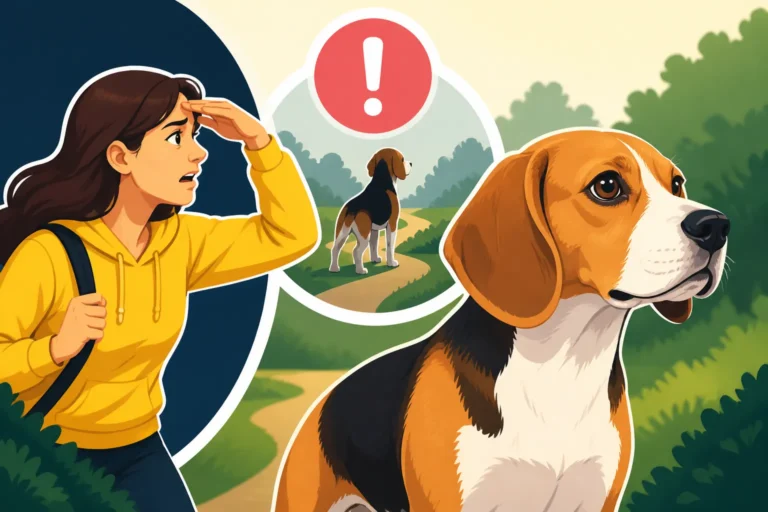
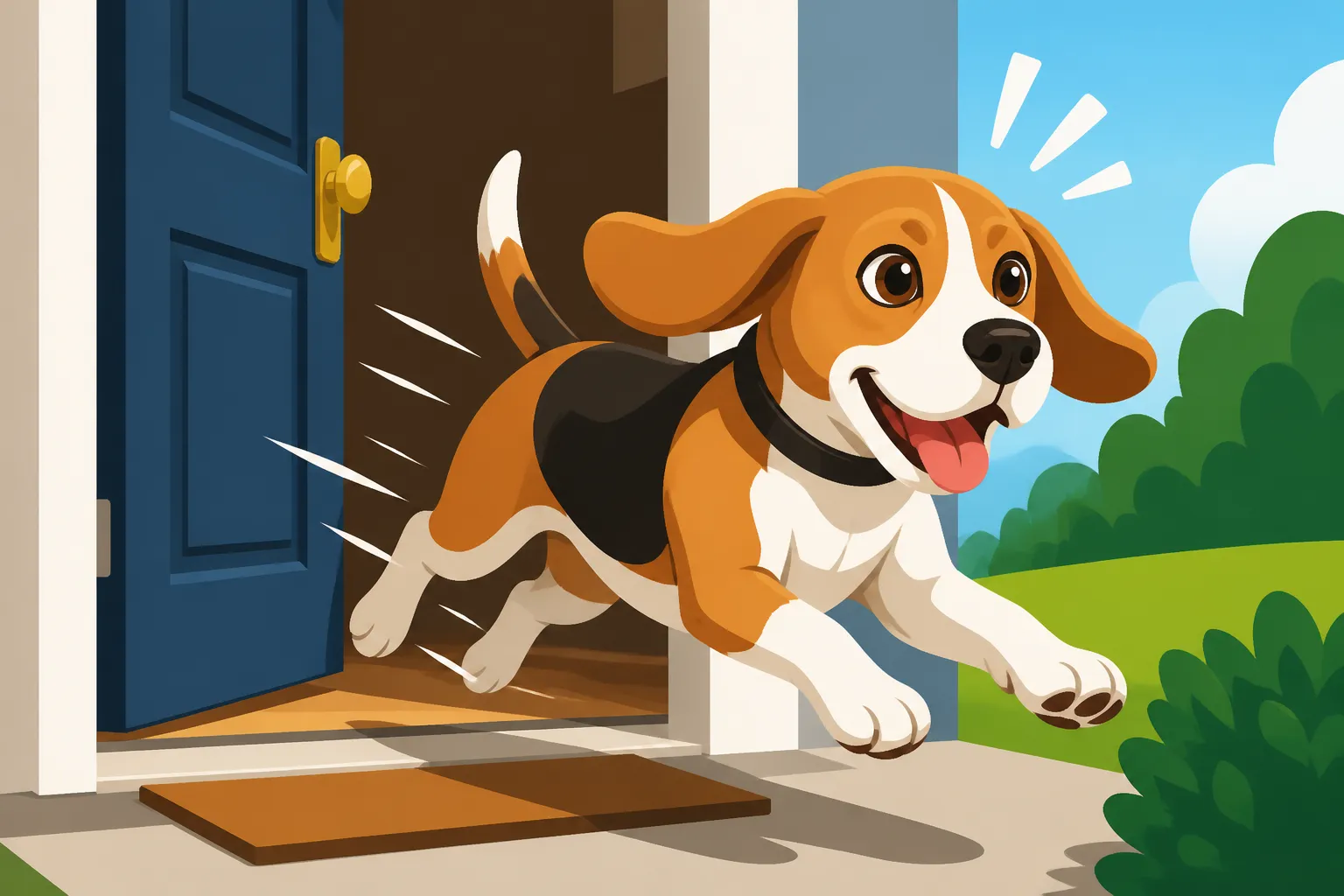
Few things strike fear into a Beagle owner's heart quite like the sight of their beloved hound bolting out the front door, nose to the ground, utterly deaf to their frantic calls. It's a sudden, heart-stopping moment that many of us have experienced, leaving us breathless with worry as our determined, scent-driven companion disappears down the street. This guide is here to help you understand why your Beagle has such an intense urge to make a break for it, and more importantly, how you can implement practical strategies to prevent these terrifying escapes and keep your Beagle safe and sound.
Why Your Beagle Turns into a Door-Dashing Rocket
Let's be honest, Beagles are not born with an innate respect for open doors. They are a breed purpose-bred for centuries to follow scent, to hunt, and to be independent in their pursuit of a trail. That little gap when the front door opens isn't just an inconvenience; it's an irresistible portal to an entire world of smells and adventures. Understanding the deep-seated instincts driving this behavior is the first step in addressing it effectively.
The Irresistible Call of the Wild Scent
Imagine being a Beagle. Your nose is, quite literally, your primary way of experiencing the world. It’s an organ of incredible power, packed with about The 220 Million Receptors Behind a Beagle's Nose. When that front door opens, it's like a symphony of scents hitting them all at once – the squirrel that ran across the lawn this morning, the faint whiff of a neighbor's dog that passed by, even the ghost of a bunny from last night. These aren't just background odors; they are urgent messages demanding investigation. For a Beagle, ignoring such a potent scent trail is almost a biological impossibility. This makes them incredibly focused on whatever fascinating smell is just beyond the threshold, often rendering them completely oblivious to your presence or commands. They truly follow their noses, and that impulse is far stronger than any "stay" cue they might know. It’s Why a Beagle Will Follow a Scent for Miles without a second thought for where you are.
The Thrill of the Chase and Freedom
Beyond the scent, there’s the sheer thrill of it all. Beagles are energetic, curious, and often have a strong prey drive. An open door isn't just a scent portal; it's an opportunity for freedom, for a run, for a self-directed hunt. They don't see the dangers of cars or getting lost; they see the exhilarating prospect of exploring. For a breed that historically worked in packs, often ahead of their human companions during a hunt, this independent streak is hardwired. When they burst out that door, they're not being disobedient out of spite; they're simply acting on their deepest instincts for exploration and pursuit. The adrenaline rush of a spontaneous dash can be incredibly self-reinforcing, making it even harder to break the habit once it starts.
Lack of Impulse Control at the Threshold
Many Beagles, especially younger ones, haven't fully developed the impulse control needed to resist the urge to bolt. They might know "sit" or "stay" in a calm, distraction-free environment, but the high-stakes, high-distraction scenario of an open door completely overwhelms their nascent training. The excitement of visitors arriving, the urgency of you needing to get out the door, or even just the brief moment of a door being ajar can be too much for them to handle politely. This isn't a sign of a "bad" dog, but rather a normal Beagle trait that requires diligent, consistent training and proactive management from you. Building up their ability to pause, think, and choose a desired behavior over an impulsive one takes time, repetition, and a lot of patience, particularly when dealing with such a potent trigger.
Immediate Strategies to Prevent Door Dashing
While long-term training is crucial, there are immediate, actionable steps you can take today to add layers of security and reduce the risk of your Beagle bolting. These strategies focus on management and establishing new routines around the doorway.
Building a Multi-Layered Defense System
Think of your doorway as a fortress that needs multiple lines of defense. The first and most critical step is to never rely on a single barrier. A sturdy baby gate, strategically placed a few feet inside your front door, can act as a fantastic secondary barrier. This creates an "airlock" system, meaning your Beagle can't simply rush past your legs the moment the main door opens. You can find robust options on platforms like Amazon that are tall enough to deter even the most determined jumper. Another layer could involve a closed-door policy for certain rooms, or even a second interior door if your home layout allows for it. The idea is that even if one barrier fails, there's another one to stop your Beagle from getting outside. This system provides peace of mind, knowing that a momentary lapse on your part won't automatically result in a runaway hound.
Leash Up Before the Latch Unlocks
This might sound obvious, but in the rush of daily life, it's easily forgotten. Make it an iron-clad rule: your Beagle is always on a leash before the front door opens, even if it's just to grab a package or check the mail. A well-fitting harness, rather than just a collar, is highly recommended for Beagles, as it distributes pressure evenly across their chest and prevents strain on their neck if they lunge. A harness also makes it much harder for them to slip out compared to a traditional collar. Consider having a leash and harness hanging right by the door, ready to go. Even if you're not planning a walk, clipping that leash on, even if it’s just a short one, physically controls their access to the outside world. This habit removes the opportunity for an unplanned dash, as they are tethered to you the moment the door opens. This is also a great opportunity to make sure your Why a Harness Protects a Beagle's Neck properly.
"Wait" as a Life-Saving Command
Teaching a solid "wait" or "stay" command at the door is paramount. This isn't just about politeness; it's about safety. Start practicing this in a low-distraction environment, then gradually introduce more challenges. With your Beagle on a leash, ask them to "wait" as you reach for the doorknob. If they hold, reward them. Slowly increase the duration, then the action: opening the door a crack, then wider, always with the leash on and ready to stop them if they break the "wait." The goal is for them to understand that the door opening is your signal, not theirs. It needs to be proofed to the point where they remain calm and still, even with the door fully open and an exciting world calling to them. This training is essential for Teaching a Beagle to Wait at Every Doorway reliably, and resources like BAXTER & Bella’s online training library often provide structured lessons on mastering this crucial skill.
| Door Dashing Prevention Strategy | Description | Key Benefit |
|---|---|---|
| Airlock System (Gates) | Install a baby gate a few feet inside the front door to create a buffer. | Provides a physical barrier even if the main door is opened. |
| Leash Before Latch | Always attach a leash and harness before opening the main door. | Ensures immediate physical control, prevents spontaneous dashes. |
| "Wait" Command | Train your Beagle to patiently wait at the door until released. | Teaches impulse control, makes them wait for your signal. |
| High-Value Rewards | Use irresistible treats to reinforce desired door behavior. | Motivates cooperation and makes training more effective. |
| Designated "Door Duty" | Assign one person to manage the dog while another handles the door/guests. | Reduces chaos and ensures consistent management. |
What to Do the Moment Your Beagle Bolts
Despite all your best efforts, accidents can happen. A visitor might leave the door ajar, or your Beagle might be quicker than you on a rare occasion. When your Beagle makes a break for it, your reaction in the first few moments can make all the difference between a quick retrieval and a frantic search.
Resist the Urge to Chase
This is probably the hardest advice to follow, but it's crucial: do not chase your Beagle. Beagles are born to run, and if you start running after them, they'll likely perceive it as a game of chase, or worse, they'll become frightened and run even faster and further. Their natural instinct when feeling pursued is often to put more distance between themselves and the "predator." Instead, try to remain calm. Drop to their level, clap your hands, or make a sudden, high-pitched noise to get their attention. Your goal is to interrupt their focus on the scent trail and redirect it back to you. Panicking and screaming their name will likely only make them more excited or fearful. Remember, you want to be the calm, rewarding presence, not the scary, chasing one.
Enticing Them Back with High-Value Rewards
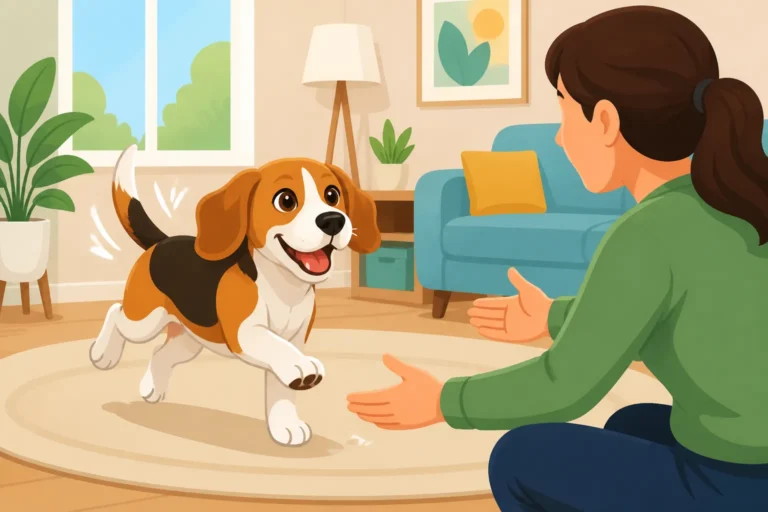
Once you have their attention, the next step is to entice them back. This is where those truly irresistible, high-value treats come into play. Think cooked chicken, hot dogs, cheese – something they rarely get and absolutely adore. Kneel down, open your arms wide, and use a happy, excited voice to call their name. Shake the treat bag. Make yourself inviting and exciting, not threatening. If they hesitate, try running away from them for a few steps, often Beagles will instinctively follow you. The moment they approach, reward them lavishly and praise them calmly. Avoid scolding them once they're back, as this can create a negative association with returning to you in the future. The entire experience of coming back to you needs to be positive. If you regularly use a specific squeaky toy or game they love, try that as well. For tips on what truly motivates them, check out The Treats a Beagle Will Work Hardest For.
Prioritizing Safety in a Panic
While you're trying to coax your Beagle back, also be acutely aware of their surroundings. Is there a busy road nearby? Are there other dogs or people who might pose a threat? If you have another person with you, one person can focus on calling the dog while the other keeps an eye on traffic or potential hazards. If your Beagle is heading towards danger, and you absolutely must intervene physically, do so carefully to avoid startling them further into traffic. Once they are safely back, ensure their ID tags are current and consider investing in a GPS Collars as a Backup for Beagle Recall. These devices, often available through retailers like Amazon, can provide real-time tracking, which can be invaluable in those terrifying moments after an escape. Always remember the importance of Beagle Microchips and Getting a Lost Dog Back as a permanent form of identification. Knowing what to do in these situations can alleviate some of the stress, but ultimately, prevention is always the best strategy. For a deeper dive into preparing for such an event, read The First Hour After a Beagle Goes Missing.
Long-Term Training to Proof Your Doorway Manners
Preventing door dashing isn't a one-time fix; it's an ongoing commitment to training and management. Building a strong foundation of impulse control and reliable recall will significantly reduce the risk and give you peace of mind.
Consistent Practice with Doorway Drills
Once your Beagle reliably waits at the door on a leash, start practicing without the leash, but always in a controlled environment. Use a long line or a safety tether initially. Practice opening the door, stepping outside yourself, and then returning, all while your Beagle holds their "wait." Gradually introduce distractions: another family member walking past the door, the sound of a doorbell, or even a friend standing outside. Every time they hold their position, reward them generously. This isn't about teaching them not to go outside, but rather to teach them that the door is only for exiting when you give the signal. The goal is to build such strong muscle memory and impulse control that the sight of an open door doesn't trigger an automatic bolt. Beagle Impulse Control Exercises That Suit a Beagle extend beyond the doorway, but they are particularly vital here. Consistency is absolutely key; every family member must adhere to the same rules every single time the door is approached.
Strengthening Your Beagle's Recall
A reliable recall is your ultimate safety net. Even with the best door manners, a mistake can happen. If your Beagle does bolt, a strong "come" command can bring them back to safety. Start recall training indoors, in a quiet area, using those super high-value treats. Practice often, making coming to you the most rewarding thing they can do. Gradually move to a fenced yard, then to less distracting outdoor environments while on a long line. Use a unique, exciting recall word or whistle that they only hear when you genuinely need them to come. Never use your recall word to scold them, or they'll learn to associate it with punishment. For a Beagle, whose nose is always overriding their ears, this takes immense effort and proofing. Focus on making recall a joyful game where they always win a fantastic prize. This dedicated training is critical for Beagle Recall That Works Before the Nose Wins even when a captivating scent trail calls. Consider enrolling in an online puppy school like BAXTER & Bella, which often includes comprehensive modules on recall and door manners, offering structured lessons and support.
Understanding the "Why" Behind Their Behavior
Finally, it’s important to remember that your Beagle isn't trying to be naughty; they're simply being a Beagle. Their powerful scent drive, historical independence, and natural curiosity make them predisposed to exploring the world beyond your front door. Punishing them for this instinct won't solve the problem; it will only make them fearful or less likely to trust you. Instead, channel their natural desires. Engage them in scent work games indoors. Take them on long, meandering sniff walks where they can explore at their leisure. Provide plenty of physical and mental enrichment to satisfy their active minds and bodies. A tired and fulfilled Beagle is much less likely to seek unauthorized adventures. By understanding and addressing the root causes of their bolting behavior, you can create a safer, happier environment for both of you, transforming a source of anxiety into an opportunity for deeper bonding and training.
Disclaimer
This article is for general informational purposes only and does not constitute professional advice. Laws, prices and regulations vary by location and change over time. Consult a qualified professional for guidance on your specific situation.