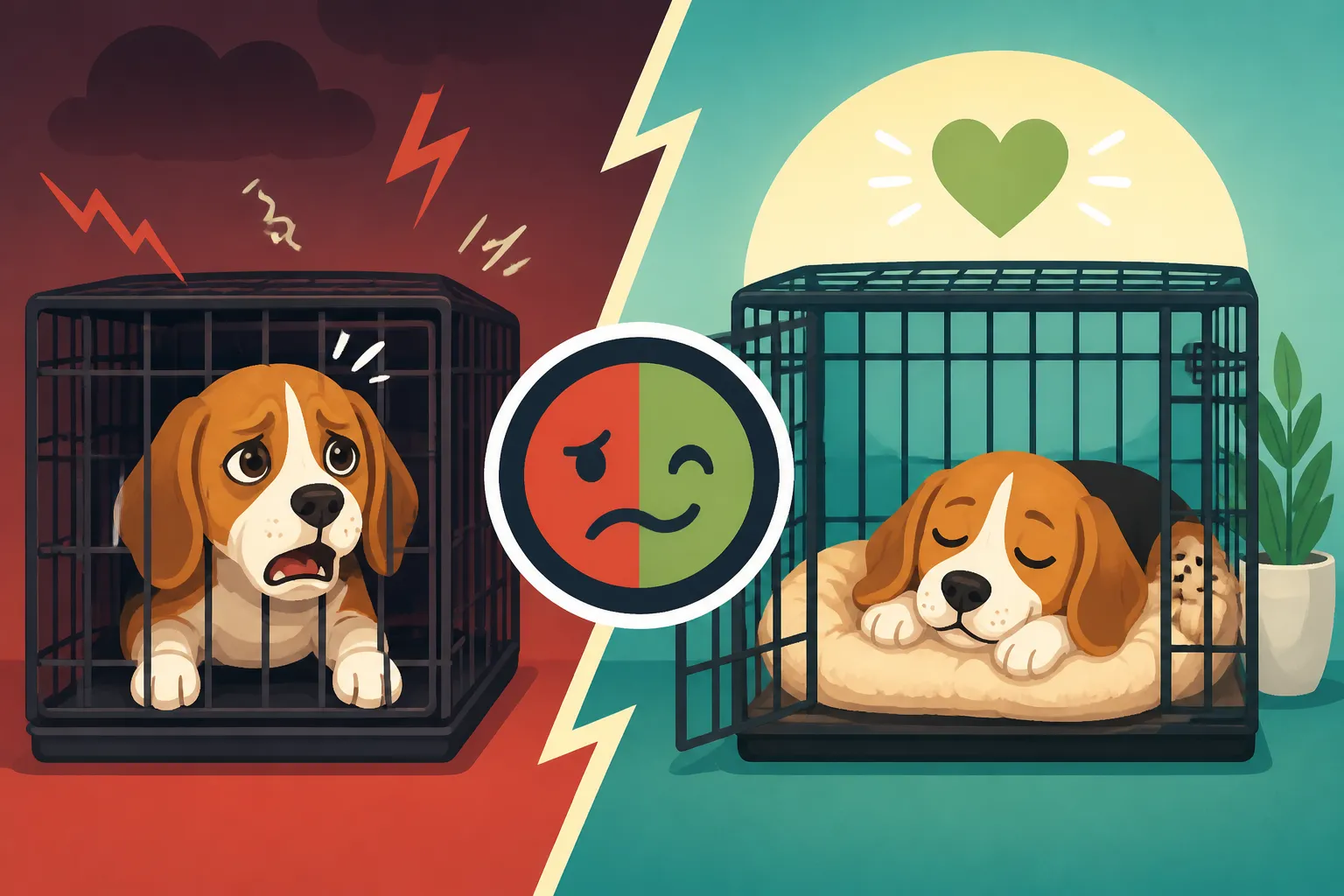
Beagle Crate Anxiety Against Crate Comfort
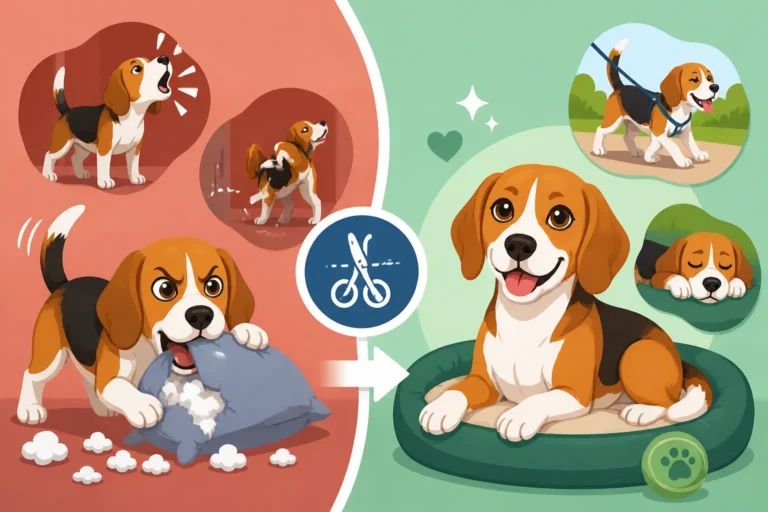
Many Beagle owners find themselves in a tough spot when it comes to crating. You want the crate to be a safe, comfortable haven for your hound, a place they happily retreat to, a true den of their own. But sometimes, what you get instead is a symphony of unhappy barks, frantic scratching, or even destructive attempts to escape, leaving you wondering if you've done something wrong or if your Beagle just despises the very idea of a crate. This guide aims to demystify the world of Beagle crating, helping you differentiate between simple fussiness and genuine anxiety, and providing actionable steps to transform that metal box into your Beagle's favorite retreat.
Understanding the "Why" Behind Crate Reactions
Beagles and Their Instinctual Need for Den vs. Pack
Beagles, like all dogs, have an innate denning instinct. In the wild, canids seek out small, secure spaces—burrows, caves, thickets—to rest, raise young, and feel safe from predators. This is the positive instinct we try to tap into with a crate, providing them with a secure, private room of their own within your home. They can curl up, feel protected, and retreat from the hustle and bustle when they need quiet time.
However, Beagles are also deeply social creatures, bred for centuries to work and live in packs. Their ancestors were always part of a group, whether hunting or resting. This strong pack drive means they thrive on companionship and can struggle immensely when isolated, even if that isolation is within a seemingly safe den. This dual nature—the desire for a den and the need for pack proximity—is often at the heart of the crate comfort versus crate anxiety conundrum. When they feel truly secure and connected to the "pack" even when separated by a short distance, the den instinct wins. When they feel abandoned, truly alone, or cut off from their most important resource (you!), the pack instinct kicks in, often leading to distress.
Think about it from your Beagle's perspective. One moment they're romping around, sniffing every corner of your home, with you close by. The next, they're confined to a small space, perhaps behind a closed door, and you've vanished. For a breed so attuned to its environment and its social bonds, this can be incredibly disorienting and even frightening. It's not always about hating the crate itself, but rather the feeling of being cut off from their most important resource – you and the rest of their human pack. This is why some Beagles will settle fairly quickly if they can still hear and smell you, while others panic the moment they are truly alone. Understanding this instinctual tug-of-war is crucial. It’s not about your Beagle being "bad" or "stubborn"; it's about their deep-seated evolutionary programming. We're asking them to embrace an artificial den while simultaneously going against their strong desire for constant social connection. The key to success often lies in finding a balance that honors both aspects of their nature, making the crate feel less like a prison and more like a private, secure bedroom that still feels connected to the family.
The Difference Between Mild Discomfort and True Anxiety
It's easy to mistake a little bit of protest for full-blown anxiety, but there's a world of difference, and recognizing it is vital for effective training. Mild discomfort might manifest as whining for a few minutes when first crated, a bit of pacing, or perhaps a sigh before they settle down. They might try a few tactics to get your attention, but generally, they calm down relatively quickly once they realize their efforts aren't working and that nothing truly bad is happening. This is normal, especially for a young Beagle puppy still adjusting to their new routine and learning impulse control. They might simply be bored, or just wishing they were out sniffing something exciting in the house.
True crate anxiety, however, is far more intense and distressing. A Beagle experiencing anxiety will often exhibit escalating behaviors: frantic, sustained barking or howling (and you know how loud A Beagle Howl Measured in Decibels can be!), relentless scratching or biting at the crate bars, excessive drooling, urination or defecation in the crate even if they are reliably house-trained, or even self-mutilation as they try desperately to escape. Their eyes might appear wide and panicked, their body language tense, and they might tremble. This isn't just "being stubborn" or "testing boundaries"; this is genuine fear and panic, and it requires a different approach than simple behavioral correction.
Observing your Beagle closely during and after crating is essential. Does their heart rate stay elevated? Do they ignore high-value treats in the crate because they're too stressed to eat? Do they emerge panting, agitated, or clearly exhausted from their efforts? These are all strong indicators of true anxiety. If you see these signs, know that your Beagle isn't trying to be difficult; they are genuinely distressed and need your compassionate intervention, not just more time to "cry it out." This level of stress is unhealthy and counterproductive to making the crate a positive experience.
Common Triggers for Crate Stress in Beagles
Several factors can contribute to a Beagle's stress or anxiety around their crate. One of the most common is being introduced to the crate too abruptly or for too long, too soon. If the first experience your Beagle has with a crate is being locked in it for eight hours while you're at work, it's very likely to associate the crate with abandonment and fear rather than safety. Negative experiences, such as being crated as punishment for an accident or misbehavior, can also create a strong aversion. The crate should never, ever be a place of discipline or "time out" for bad behavior.
Changes in routine or environment can also trigger crate stress. Moving to a new home, a new person joining or leaving the household, or even just relocating the crate to a different room can disrupt a Beagle's sense of security. Beagle Separation Anxiety in a Pack Breed is a huge factor here; if your Beagle struggles with being alone in general, the crate can intensely amplify that feeling of isolation and panic. Loud noises outside the home, like construction, thunderstorms, or fireworks, can also cause panic if they are trapped in a crate and can't escape the perceived threat. Their inability to flee can heighten their fear significantly.
Sometimes, underlying health issues can contribute. A Beagle experiencing pain, discomfort from an injury, or even an undiagnosed medical condition might suddenly develop an aversion to the crate. If a previously crate-trained Beagle suddenly starts exhibiting anxiety, a vet check-up to rule out physical causes is always a good idea. Lastly, simply having too much pent-up energy or not enough mental stimulation can lead to a Beagle being restless, vocal, and generally unhappy in the crate. While this is usually more discomfort than true anxiety, it can escalate if ignored. Ensuring your Beagle gets How Much Daily Exercise a Beagle Really Needs and plenty of mentally stimulating activities like Sniffing Walks and Why They Tire a Beagle Out can make a huge difference in their ability to settle down.
Building a Foundation for Crate Comfort
Choosing the Right Crate Size and Location
The journey to crate comfort starts long before your Beagle ever steps inside. The right crate is foundational. It needs to be large enough for your Beagle to stand up, turn around comfortably, and lie down in various positions, but not so large that they can comfortably relieve themselves in one corner and then sleep in another. For a puppy, you might start with a larger crate with a divider to gradually expand the space as they grow. This is especially important for avoiding accidents while they are learning Beagle Puppy Sleep and Waking at Three in the night. Wire crates are popular for their excellent ventilation and visibility, while solid-sided plastic crates can offer more of a den-like, private feel for some Beagles. Consider what type your individual dog responds best to, and what climate you live in. You can find a wide variety of options on Amazon, from basic wire crates to more travel-friendly, airline-approved carriers.
Location is just as important, if not more so, for a social breed like the Beagle. Placing the crate in a central area where they can still feel part of the family, even when crated, is often best. The living room or a busy hallway during the day, or your bedroom at night, allows them to hear and smell you, fulfilling some of that critical pack instinct. Avoid isolated basements or noisy, high-traffic areas that might make them feel forgotten or overwhelmed. The crate should be in a quiet, temperature-controlled spot away from direct sunlight or drafts. Make it cozy! Line it with a soft bed or blankets, perhaps a familiar item with your scent, or a calming dog bed. This immediately makes it more inviting and less intimidating, turning it into a welcoming retreat rather than a sterile cage.
Remember, the goal is to make it a retreat, not a punishment cell. A comfortable, correctly-sized crate in a reassuring location can set your Beagle up for success from the very first introduction. It's their personal space, their bedroom, and it should feel safe, inviting, and connected, not like solitary confinement. If you have a puppy, refer to resources on Beagle Puppy Crate Size and Crying Through the Night to ensure you're providing appropriate space and comfort.
Positive Association: Making the Crate a Happy Place
This is where the magic happens! We want your Beagle to view the crate as a source of all good things, a place where wonderful things happen. Never force your Beagle into the crate. Instead, entice them. Start by simply having the crate open and available. Toss high-value treats inside, just beyond the door, letting your Beagle go in and out freely to retrieve them. Don't close the door yet. The goal is to build a positive mental picture of the crate as a place of rewards and comfort.
Once your Beagle is comfortable walking in and out voluntarily, start feeding meals inside the crate. Place the food bowl just inside the door, then gradually move it further back into the crate as they become more comfortable. While they're eating, gently close the door for a few seconds, then open it before they finish. Gradually increase the time the door is closed while they eat. Each positive experience, whether it's a special chew toy they only get in the crate or a delicious meal, reinforces the idea that the crate is a great place to be. You can find many interactive puzzle feeders that keep them engaged longer on Amazon, which are perfect for crating sessions and turning mealtime into a positive, enriching experience.
Always associate the crate with positive experiences. Throw in a favorite toy or a long-lasting chew when they go in. Play calm, soothing music or use a white noise machine if the environment outside is noisy or unsettling. Avoid using the crate when you're frustrated or as a "time-out." This association of negativity can quickly undo weeks of positive training and create an aversion. Every interaction with the crate should be neutral or positive, building a strong mental connection between the crate and feelings of safety and contentment.
Structured Crate Training Steps
Building true crate comfort takes patience, consistency, and a step-by-step approach. Rushing this process almost guarantees setbacks and can lead to anxiety.
- Introduction (No Door): As mentioned, let your Beagle explore the open crate at their leisure. Toss treats, toys. Let them go in and out at will. Don't pressure them. This might take a few days or even a week, depending on your Beagle's personality and prior experiences.
- Short Stays (Door Closed, You Present): Once they're willingly entering and spending a moment inside, gently close the door for very short periods (5-10 seconds) while you're still right there, visible and calm. Immediately open it and offer praise and a treat. Gradually increase the duration by small increments (e.g., 15 seconds, 30 seconds, a minute), always staying nearby. If your Beagle whines or protests, wait for a momentary pause in the vocalization before opening the door, so you don't accidentally reward the protest.
- Short Stays (You Leave Briefly): When they're comfortable with you nearby and the door closed for a few minutes, start closing the door and stepping out of sight for a few seconds (e.g., behind a corner, into another room). Return, praise, and treat if they remained calm. Again, increase duration slowly, always returning before they get distressed. Don't make a big fuss when you leave or return; keep it low-key to avoid creating drama around your departures. This stage is crucial for building independence.
- Longer Stays & Overnight: Build up to 30 minutes, an hour, and then longer during the day. For overnight, place the crate in your bedroom. This fulfills their pack instinct and often prevents them from feeling isolated. Take them out for a potty break right before bed, and immediately upon waking. If they whine in the middle of the night, assess if it's a true potty signal (e.g., they haven't gone for many hours) or just protest. A quick, quiet trip outside, then immediately back into the crate, teaches them the difference.
- Consistency is Key: Stick to a routine. Crate them at regular, predictable times, even if just for short periods, to reinforce the comfort and normalcy. Always give them a chance to relieve themselves thoroughly before crating, and ensure they have access to water, or at least a drink, right before and after. Never use the crate as punishment, and never force them in. Remember, the goal is for the crate to be a calm, quiet space, their own personal sanctuary. For more structured guidance, resources like BAXTER & Bella's online training programs can offer detailed steps and support for each stage of crate training.
Addressing and Managing Crate Anxiety
Recognizing the Signs of Crate Anxiety
If your Beagle is struggling, it's crucial to distinguish between a bit of initial fuss and genuine anxiety. A mildly uncomfortable Beagle might whine or bark for a few minutes and then settle down. They might paw at the door a couple of times, but without real desperation. A truly anxious Beagle, however, will display much more intense and persistent behaviors. These can include incessant, high-pitched vocalization – think frantic barking, baying, or howling that doesn't let up for Hours Alone Before a Beagle Starts Howling. You might see them pacing relentlessly, digging at the crate floor, or trying to chew and bite at the bars or bedding, sometimes to the point of self-injury or damaging their teeth.
Physical signs are also telling: excessive drooling, panting even when not hot, trembling, or even defecating or urinating in the crate despite being fully house-trained. This is not a defiance issue; it's a panic response, a loss of control due to extreme fear. Their eyes might appear wide and unfocused, and they might seem oblivious to anything else happening around them, completely focused on escape. If they have Beagle Separation Anxiety in a Pack Breed, these behaviors might mirror what they do when left alone outside the crate. Coming back to find the crate damaged, or your Beagle exhausted and wet from drooling, are clear indicators that this isn't just a minor complaint – it's a serious emotional distress. It's heartbreaking to witness, and it means your approach needs to shift from simple training to compassionate management and support. Also, watch out for signs of Beagle Crate Escapes and Failing Latches, as a desperate Beagle can be incredibly resourceful.
To help you distinguish, here's a quick comparison:
| Behavior / Sign | Crate Comfort | Crate Anxiety |
|---|---|---|
| Vocalization | Minimal, brief whine/bark, quickly settles | Persistent, frantic barking, howling, distressed |
| Body Language | Relaxed, lies down, soft eyes, may nap | Pacing, shaking, wide/panicked eyes, tense body |
| Interaction with Crate | Enters willingly, may investigate toys | Scratches, bites bars, attempts escape |
| Elimination | Holds bladder/bowel, clean crate | Urination/defecation, even if house-trained |
| Drooling/Panting | Minimal, normal for temperature | Excessive drooling, heavy panting unrelated to heat |
| Response to Treats | Eagerly takes, may chew calmly | Ignores high-value treats, too stressed to eat |
| Post-Crate Behavior | Calm, happy to see you, ready for activity | Exhausted, agitated, anxious to leave quickly |
Strategies for Calming an Anxious Beagle in the Crate
When anxiety sets in, our priority shifts from 'training' to 'comfort and reassurance.' First and foremost, never punish an anxious Beagle for its crate behavior. This will only increase their fear, making the problem worse. Instead, re-evaluate your current approach. Go back to basics:
- Re-introduce Positives: Make the crate a "treat delivery system." Toss high-value treats (like small pieces of cheese or cooked chicken) into the open crate many times throughout the day, without closing the door. Let them associate the crate with delightful, effortless surprises. Only close the door once they are comfortable with this.
- Gradual Desensitization: If your Beagle is panicking, you've likely moved too fast or asked too much too soon. Reduce the duration of crating sessions dramatically. Start by just closing the door for literally one second, then opening it and treating. Gradually build up by tiny increments, always staying below their anxiety threshold. If they start to show even subtle signs of anxiety, you've gone too far; go back to a point where they were comfortable and work up more slowly.
- Enrichment in the Crate: Provide long-lasting, safe chew items or puzzle toys stuffed with tasty food that can keep them occupied for a while. A Kong filled with frozen peanut butter or cream cheese, or a high-quality dental chew, can be a wonderful distraction. Always ensure the item is appropriate and safe for unsupervised chewing. Engaging their strong sense of smell with a snuffle mat or a gentle scent game can also be a form of Indoor Enrichment for a Rainy Beagle Week.
- Scent and Sound: Place an old t-shirt or blanket with your scent in the crate. Familiar scents can be incredibly comforting and reassuring, making them feel less alone. Calming music (there are many compilations specifically for dogs) or a white noise machine can also help mask unsettling external noises and create a more serene, predictable environment.
- Pre-Crate Exercise: A tired Beagle is often a calmer Beagle. Ensure your dog has had plenty of physical and mental exercise before a crating session. A good long walk with plenty of sniffing time, perhaps a game of fetch in a secure yard, or even a short training session to engage their mind, can help them feel more ready to relax and settle down. Remember, for a Beagle, focused mental activity can be just as tiring as physical exertion.
For some Beagles, a soft, breathable cover over the wire crate can provide a greater sense of security, mimicking a true den by reducing visual stimulation. Just make sure there's still good ventilation. Remember, every Beagle is an individual, so what works for one might not work for another. Be patient, be consistent, and observe your dog's cues.
When to Seek Professional Help and Medication
There are times when even the most dedicated owner, employing all the positive reinforcement techniques in the book, will find their Beagle's crate anxiety just won't improve. If your Beagle is still exhibiting severe distress – relentless vocalization, self-injury attempts, destruction of the crate, or excessive urination/defecation – despite consistent, gentle training, it's a clear sign that you need to bring in the professionals. This is not a failure on your part; it's recognizing that some anxiety is beyond home remedies and requires expert intervention.
Your first stop should always be your veterinarian. They can rule out any underlying medical conditions that might be contributing to the anxiety. Sometimes, pain, discomfort from an injury (especially if the crate feels restrictive), or an undiagnosed medical condition can manifest as sudden or escalating behavioral issues. If no physical cause is found, your vet might discuss anti-anxiety medications or supplements. These aren't a "magic bullet" or a permanent solution on their own, but they can significantly lower your Beagle's anxiety levels, making them more receptive and able to learn from behavior modification training. Medications are often a temporary bridge to help your dog learn coping mechanisms and build positive associations.
Beyond your vet, consider consulting a certified professional dog trainer, particularly one specializing in fear and anxiety, or a veterinary behaviorist. These experts can assess your Beagle's specific situation, identify triggers you might have missed, and develop a tailored, humane behavior modification plan. They can guide you through advanced desensitization and counter-conditioning protocols that are crucial for overcoming severe anxiety. A good trainer will never recommend punishment or force, which would only exacerbate the problem. Organizations like BAXTER & Bella often have resources or can recommend qualified professionals in your area. Remember, you're not alone in this, and seeking help is a sign of a responsible and caring owner dedicated to their Beagle's emotional health and comfort.
Disclaimer
This article is for general informational purposes only and does not constitute professional advice. Laws, prices and regulations vary by location and change over time. Consult a qualified professional for guidance on your specific situation.