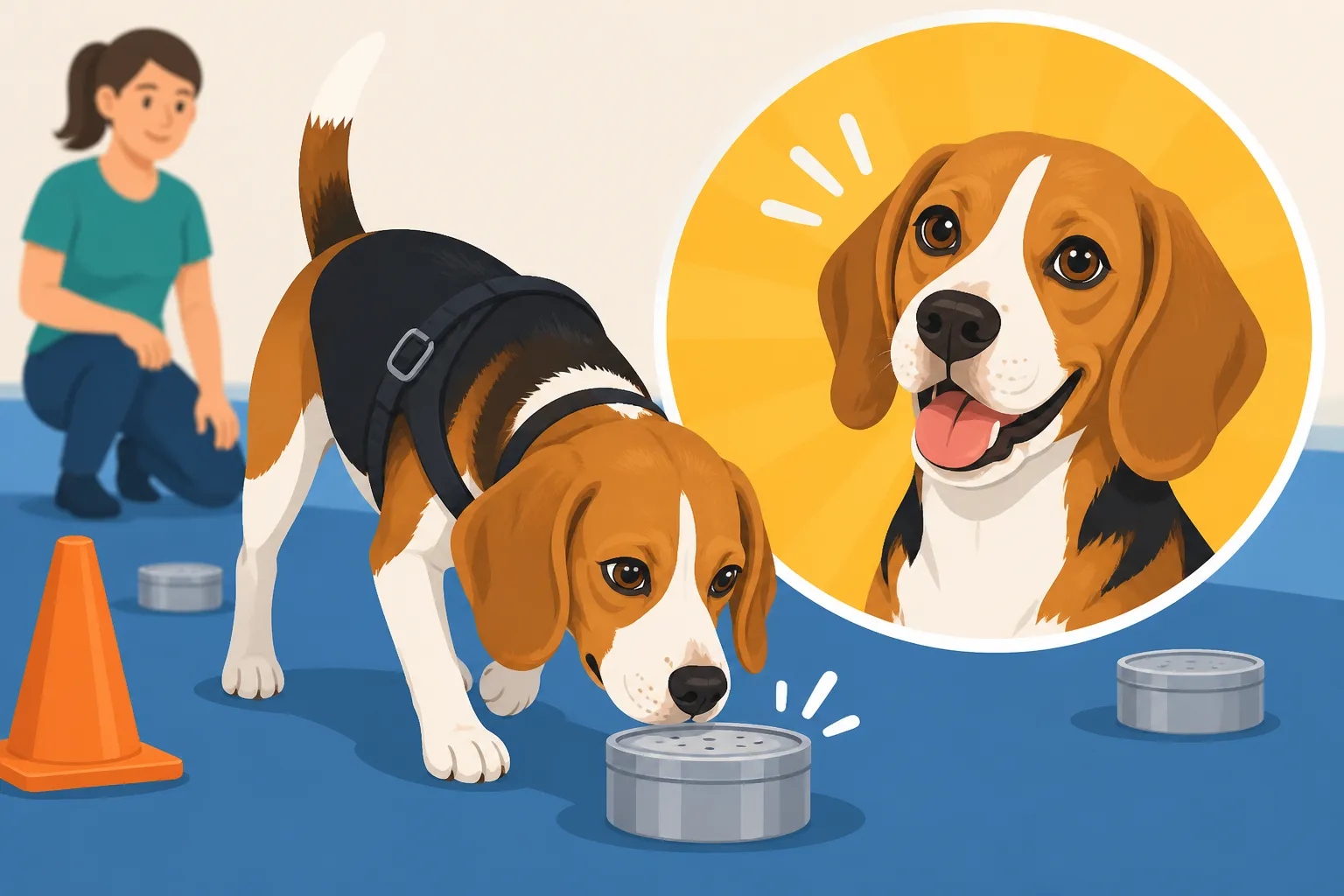
Getting a Beagle Started in Nose Work Classes
Every Beagle owner knows the profound power of that nose. It's not just a cute twitch; it's a finely tuned instrument, constantly processing a world of scent that we can barely imagine. For many of us, regular walks, no matter how long, still leave our Beagles with a restless energy and an unfulfilled glint in their eyes. This guide is here to walk you through how to channel that incredible natural talent into something truly engaging and rewarding for both you and your furry companion: nose work classes. We'll explore why nose work is the perfect activity for a Beagle, how to get started, and what to expect as your hound becomes a scent-detecting superstar.
Understanding Your Beagle's Superpower: The Nose
It's easy to say Beagles have a good nose, but truly understanding the depth of their olfactory capabilities helps us appreciate why activities like nose work are so vital for their well-being. This isn't just about smelling a treat from across the room; it's about perceiving an entirely different dimension of reality.
Why a Beagle's Sense of Smell is Unmatched
Let's talk numbers, or rather, receptors. Humans have around 5 million scent receptors in their noses. A Beagle? They boast an astonishing 220 million. That's a staggering difference, and it means they don't just smell more things, they smell them with an incredible level of detail and differentiation. Their olfactory bulb, the part of the brain dedicated to processing smells, is disproportionately large compared to their overall brain size, indicating just how central scent is to their existence.
Imagine walking into a bakery. You might smell bread, coffee, and maybe some pastries. A Beagle, on the other hand, could probably tell you exactly how many types of flour were used in the bread, precisely where the coffee beans were roasted, and even which specific spices went into each pastry, differentiating between faint traces of cinnamon and nutmeg. They don't just detect an odor; they dissect it, analyze its components, and track its origin with precision. This innate ability is why they instinctively keep Why a Beagle Walks With Its Nose to the Ground, gathering every available molecule of information from the environment.
The Instinct to Hunt and Trail
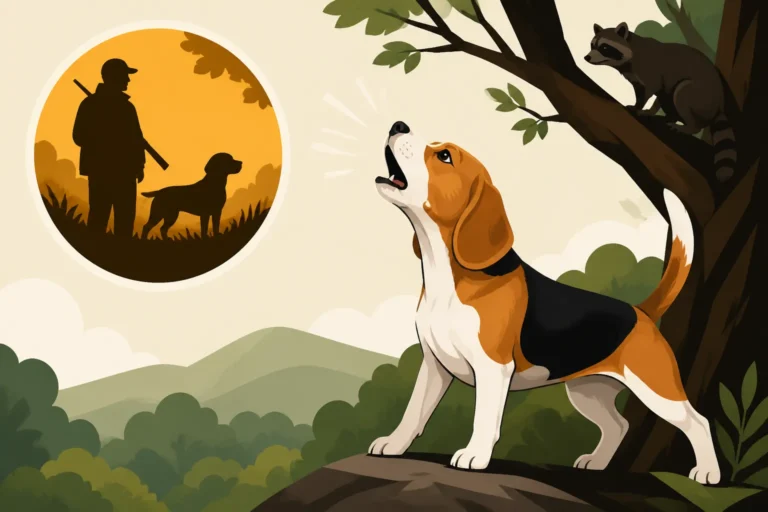
Beagles were purpose-bred for centuries to follow a scent trail. Originating as English rabbit and hare hounds, their entire design—from their long, low-set ears that help scoop and trap scent to their compact, sturdy bodies built for endurance—is geared towards tracking. This isn't a learned behavior; it's deeply ingrained, a primal urge that comes alive the moment their nose hits an interesting trace.
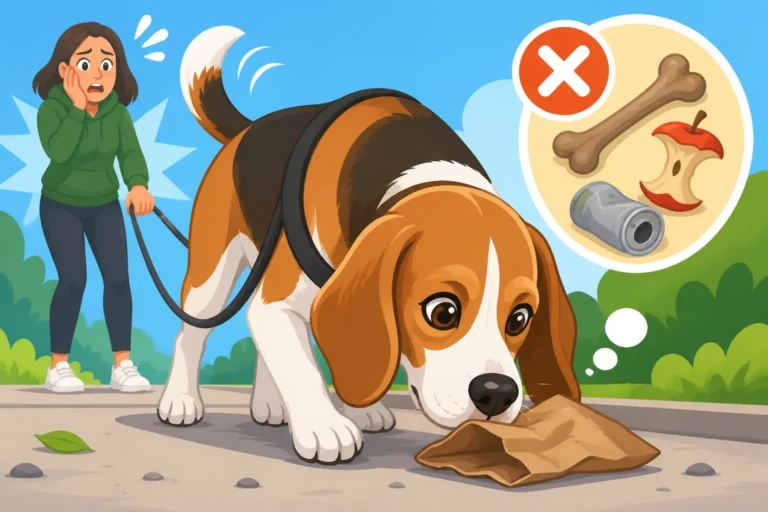
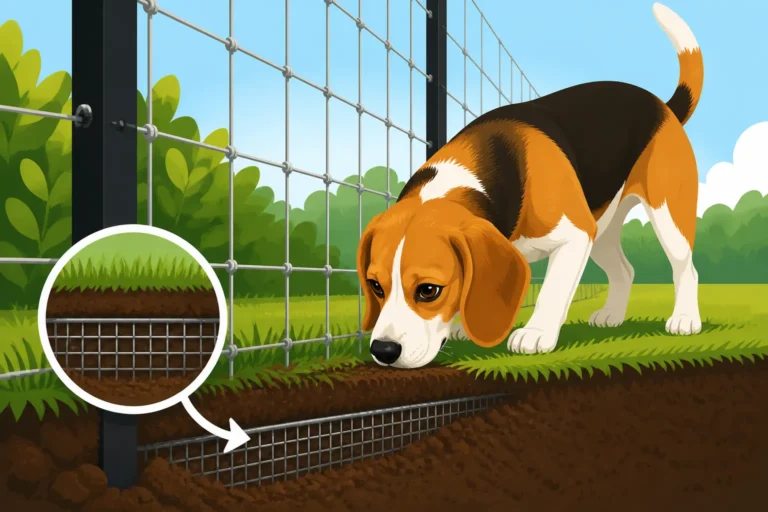
When a Beagle catches a scent, particularly a compelling one, it's as if the rest of the world fades away. Their focus becomes absolute, their determination unwavering. This isn't stubbornness, as it's often mistaken for in other contexts; it's a complete absorption in their primary function. Providing an outlet for this powerful instinct is not just fun; it's crucial for their mental health. Without a constructive channel, this drive can manifest as unwanted behaviors, such as incessant counter-surfing, trash-raiding, or even Beagle Escape Artistry and How to Contain It in pursuit of a tantalizing smell. Nose work, in essence, gives them a "job" that aligns perfectly with their genetic blueprint.
What Exactly is Nose Work?
Nose work, sometimes called scent work or K9 Nose Work, is a dog sport inspired by the training of professional detection dogs, like those who sniff out drugs, bombs, or even bed bugs. The beauty of it is that it's accessible to virtually any dog, regardless of age, breed, or physical ability, making it an ideal activity for your scent-driven Beagle.
The Basics: Finding Hidden Scents
At its core, nose work involves teaching your dog to find a specific target odor hidden in various environments and then to communicate that discovery to you. It starts incredibly simply, often with just food. The dog learns that searching for a hidden treat is a rewarding game. As they progress, the food is gradually paired with, and then eventually replaced by, essential oils (like birch, anise, or clove) that mimic the target odors used by professional detection dogs.
The "search areas" become more complex:
- Container Searches: Odor is hidden in one of several identical boxes or containers.
- Interior Searches: Odor is hidden within a room, on furniture, or in various objects.
- Exterior Searches: Odor is hidden outside, on natural terrain, or on vehicles.
- Vehicle Searches: Odor is hidden on the exterior of cars or trucks.
Your Beagle isn't just looking for the object; they're learning to identify and locate the source of the scent itself. The goal is for your dog to clearly indicate when they've found the odor, usually by freezing, pawing, or staring intensely at the source. This is their moment to shine, and it's exhilarating to watch them work.
Benefits Beyond the Sniff
The advantages of engaging your Beagle in nose work extend far beyond simply having a well-exercised nose. It's a holistic activity that nourishes their entire being.
First and foremost, it offers unparalleled mental stimulation. While a long walk might tire their legs, a 20-minute nose work session can exhaust their brain in a way physical exercise often can't. Dogs think and solve problems through their noses during these searches, which taps into a different kind of energy expenditure. This mental workout is often far more effective at settling a restless Beagle than an extra mile of walking. Think of how Sniffing Walks and Why They Tire a Beagle Out can be more profound than just a quick trot around the block; nose work amplifies that effect exponentially.
Secondly, it builds confidence, especially for shy or insecure Beagles. The dog is entirely in charge of the search; the handler's role is simply to provide encouragement and reward. There's no pressure, no correction, just pure positive reinforcement for a job well done. This empowerment can transform a timid dog into a more self-assured companion.
Thirdly, it strengthens the bond between you and your Beagle. You become their teammate, learning to read their subtle cues and celebrate their successes. It’s a shared activity that builds trust and understanding.
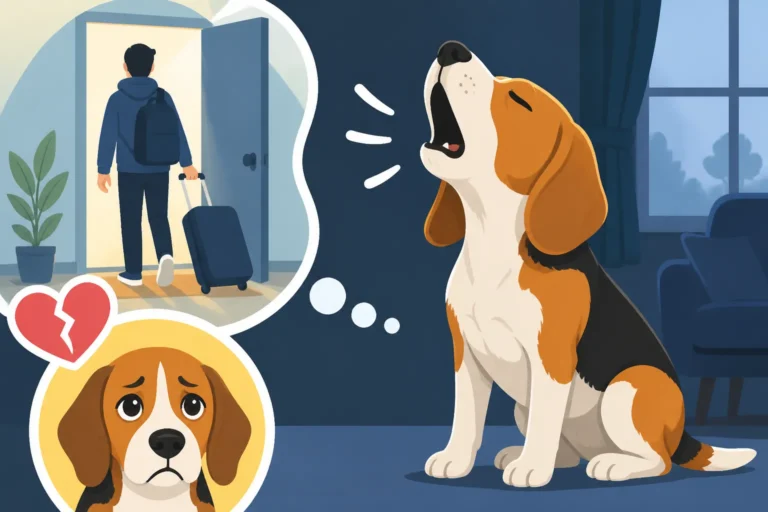
Finally, it's an incredible outlet for burning energy in a controlled, safe environment. For Beagles prone to Beagle Separation Anxiety in a Pack Breed or those who can't always get extensive outdoor exercise due to weather or physical limitations, nose work provides a fantastic alternative. It channels their high drive into a constructive activity, often leading to a much calmer, happier dog at home.
Preparing for Nose Work Classes at Home
You don't need fancy equipment or a professional trainer to start building a foundation for nose work at home. In fact, many of the best detection dogs begin their journey with simple games. The key is to make it fun, rewarding, and all about your Beagle's natural abilities.
Starting with "Find It" Games
The easiest way to introduce your Beagle to the concept of searching is through basic "Find It" games using high-value treats. Beagles are notoriously food-motivated, which makes this initial training phase incredibly effective. Remember, the stronger the motivation, the faster a Beagle learns, so reach for High-Value Food and How Fast a Beagle Learns.
- The Visible Treat: Start by showing your Beagle a treat and then placing it just a foot or two away while they watch. Say "Find it!" enthusiastically as you place it. When they eat it, praise them lavishly. Repeat this a few times.
- The Hidden Treat (Easy): Next, place the treat slightly out of sight. Maybe under a towel, behind a single cushion, or just around a corner where they can still see you put it there. Again, say "Find it!" and let their nose do the work.
- The Box Game: Get a few cardboard boxes (you can find multi-packs on Amazon for this!). With your Beagle watching, place a treat under one box. Shuffle the boxes slightly or place them a few feet apart. Say "Find it!" and let them sniff out the right one.
- Increasing Difficulty: Gradually make the hides harder. Use more boxes, hide treats in different rooms, or use a combination of containers and environmental hiding spots. Always start easy, ensure success, and then slowly increase the challenge. Use different textures or heights, like hiding a treat under a plant pot (dog-safe, of course!) or behind a curtain.
- Puzzle Feeders: Incorporating Puzzle Feeders That Genuinely Slow a Beagle into their meal routine can also reinforce the idea of working for food and using their brain. Snuffle mats are fantastic for this, as they require nose work to find scattered kibble.
The goal here isn't perfection; it's to build enthusiasm for the search and to help your Beagle understand that their nose leads to great rewards. Keep the vibe light and fun!
Building Focus and Reinforcement
Once your Beagle understands the basic "Find It" concept, the next step is to refine their focus and reinforce their searching behavior. Beagles, with their intense drive, can sometimes get distracted, especially when there are many interesting smells around.
- Short, Sweet Sessions: Keep home practice sessions short—5 to 10 minutes at most. End on a high note, before your Beagle gets bored or tired. This keeps the game exciting and prevents them from getting frustrated.
- High-Value Rewards Are Key: Always use the absolute best treats your Beagle loves. Think small pieces of cheese, cooked chicken, or even specialized training treats. The reward needs to be worth the effort of the search.
- Praise and Celebration: When your Beagle finds the treat, make a big deal out of it! Use a happy, excited voice. This positive reinforcement reinforces the behavior and makes them eager to play again.
- Consistency: Try to do a short "Find It" game a few times a week. Consistency helps solidify the association between searching and reward.
- Introduce a Scent: Once your Beagle is a pro at finding food, you can subtly introduce a novel scent to pair with the food. Place a cotton swab with a tiny dab of essential oil (birch is a common starting scent for nose work) next to the hidden treat. Over time, you'll fade out the food, and they'll be searching purely for the oil. Always use essential oils specifically diluted and designated for dog scent work and apply them to an inert object like a cotton swab, never directly on your dog.
By practicing these simple games at home, you're not just having fun; you're developing critical foundational skills that will make the transition to formal nose work classes much smoother and more enjoyable for your Beagle.
Choosing and Starting a Nose Work Class
So, you've decided to embrace your Beagle's inner detective and dive into formal nose work classes. This is where the real fun begins, as you and your hound learn to work as a team to uncover hidden scents in a structured environment.
What to Look For in a Program
Finding the right class and instructor is crucial for a positive and successful experience. Not all training facilities are created equal, so do your homework.
- Experienced and Certified Instructors: Look for instructors who are certified in nose work (e.g., through NACSW, AKC Scent Work, or similar reputable organizations). They should have a deep understanding of scent theory, dog behavior, and positive reinforcement methods. An experienced instructor will be able to read your Beagle's subtle cues and guide you both effectively.
- Positive Reinforcement Methods: Nose work is inherently a positive, force-free sport. Avoid any programs that use punishment, harsh corrections, or intimidation. The goal is to build your Beagle's confidence and enthusiasm for the search, not to instill fear.
- Small Class Sizes: Smaller classes mean more individualized attention for you and your Beagle. This is particularly important in the beginning when both of you are learning the ropes. You want an environment where your Beagle feels comfortable and isn't overwhelmed by too many other dogs or people.
- Progression and Levels: A good program will have a clear progression of classes, starting from an introductory "Foundations" or "Beginner" level and moving up through more advanced stages. This allows you and your Beagle to build skills gradually.
- Trial Opportunities (Optional): If you think you might eventually want to compete, look for a program that teaches according to the rules and expectations of recognized organizations like the National Association of Canine Scent Work (NACSW) or the American Kennel Club (AKC) Scent Work. Even if competition isn't your goal, these structured curricula provide excellent training.
- Facility Suitability: The training space should be safe, clean, and offer varied environments for searches as you progress. Some facilities might offer indoor and outdoor search areas, simulating real-world conditions.
- References and Reviews: Don't hesitate to ask for testimonials or observe a class before signing up. Hearing from other Beagle owners about their experiences can be incredibly helpful. Websites like BAXTER & Bella often provide excellent online training resources that can complement in-person classes, offering insights into dog training philosophies and preparation tips for various activities.
Remember that Beagle Training Class Fees can vary widely, so consider the value you're getting for the cost. A slightly more expensive class with a highly recommended instructor and small class sizes is often a much better investment than a cheap, overcrowded one.
What to Expect in Your First Class
Stepping into your first nose work class can feel a little intimidating, but it's usually a very welcoming and supportive environment. Here’s a general idea of what you and your Beagle can expect:
- Focus on Foundational Skills: The very first classes will likely concentrate on building your Beagle's understanding of the game. This might involve container searches with food, similar to what you practiced at home, but in a more structured setting. The instructor will teach you how to motivate your dog, how to effectively reward them, and how to start reading their "alerts" or changes in behavior when they hit on a scent.
- Introducing the Target Odor: Once your Beagle is proficient with food searches, the instructor will introduce the first target odor (often birch essential oil). This is typically done by pairing the scent with food, slowly helping your Beagle associate the specific smell with the high-value reward. The scent is usually on a cotton swab, hidden in a secure container.
- The "Search Area": You'll learn about different types of search areas (containers, interiors, exteriors) and how to manage your Beagle within them. Most early classes focus on one dog searching at a time, allowing each dog to work without distraction and giving the handler ample opportunity to learn.
- Handler Skills: A significant part of nose work class is actually teaching you, the handler. You'll learn how to interpret your Beagle's subtle body language, how to present search areas, when to reward, and how to effectively "run" your dog through a search. It's an exercise in silent communication and trust, where your Beagle is the expert, and you're their support crew.
- Patience and Celebration: Beagles love to work, but learning new skills takes time. Be patient with both yourself and your Beagle. Celebrate every success, no matter how small. Your Beagle will thrive on your encouragement and excitement. As you progress, you might even find your Beagle earning Beagle Tracking Titles and How to Earn Them, showcasing their natural talent.
Nose work is one of the most natural and enriching activities you can do with your Beagle. It taps directly into their deepest instincts, providing immense satisfaction for a breed so driven by their nose. So, grab some high-value treats, embrace that incredible Beagle sniffer, and embark on this wonderful scent-filled adventure together!
Nose Work Search Types and Levels
Nose work offers a variety of search types and levels, progressively increasing the challenge for both dog and handler. Understanding these different aspects can help you visualize your Beagle's journey in the sport.
| Search Type | Description | Example Challenge | Primary Skill Tested |
|---|---|---|---|
| Container Search | Odor is hidden within one of many identical containers (boxes, buckets). | Identifying the correct box among 10-20 decoys, possibly in an unfamiliar pattern. | Discriminating odor from non-odor, methodical searching. |
| Interior Search | Odor is hidden within an indoor room or building, on various objects. | Finding odor on a table leg, inside a drawer, or high up on a shelf in a cluttered office. | Searching complex environments, vertical hides. |
| Exterior Search | Odor is hidden outdoors, in natural elements (plants, fences, ground). | Locating odor taped to a tree branch, under a rock, or on a gate in windy conditions. | Dealing with environmental factors (wind, terrain, weather). |
| Vehicle Search | Odor is hidden on the exterior of one or more vehicles (cars, trucks). | Pinpointing odor on a tire, under a bumper, or within a wheel well of a parked car. | High-value exterior searching, navigating complex objects. |
Disclaimer
This article is for general informational purposes only and does not constitute professional advice. Laws, prices and regulations vary by location and change over time. Consult a qualified professional for guidance on your specific situation.