The Howling That Means Beagle Separation Anxiety
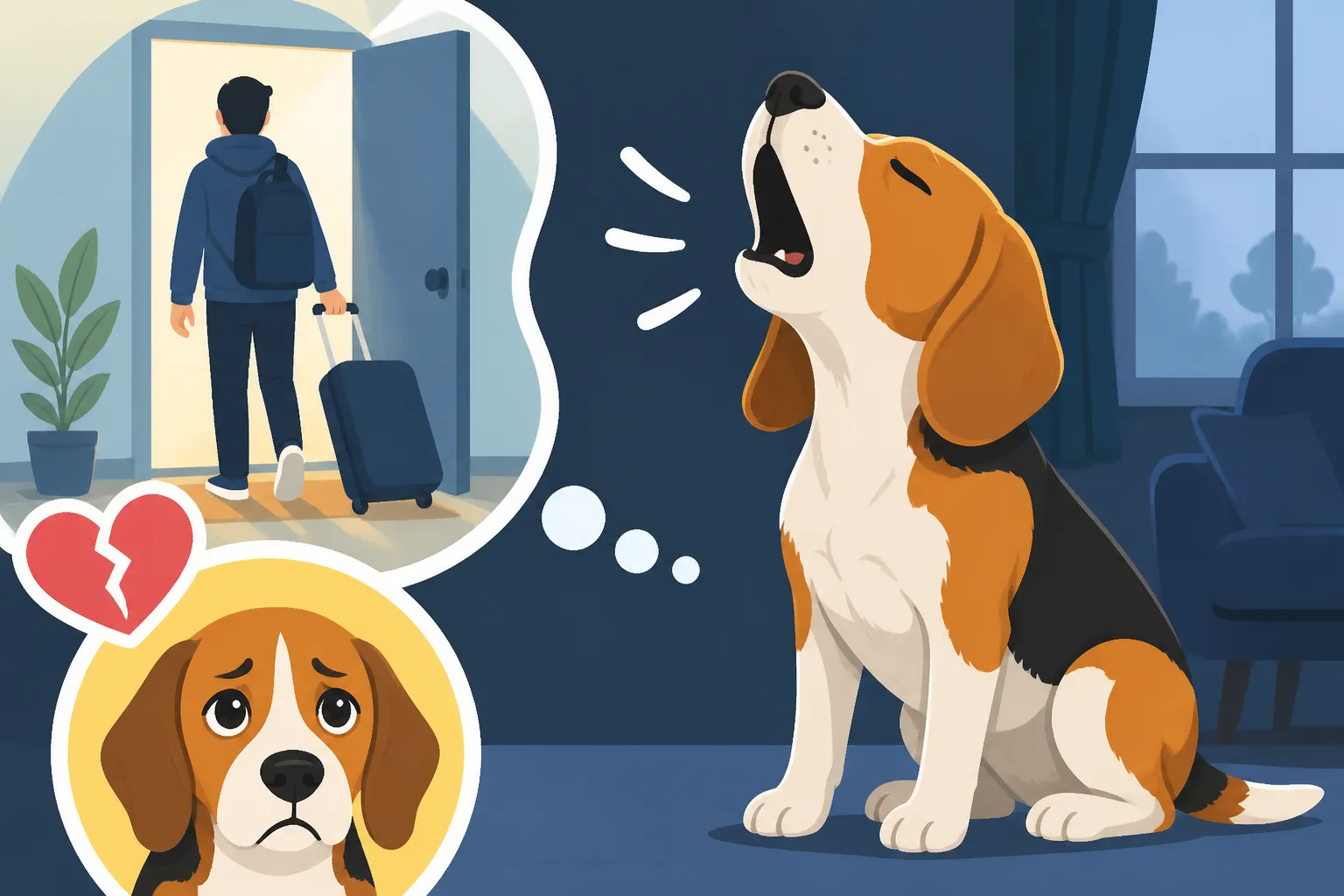
The sound of a Beagle in distress when left alone can be absolutely heartbreaking, and for many owners, it's more than just a nuisance – it's a profound source of guilt and frustration. Your sweet, loving companion turns into a howling, destructive mess the moment you walk out the door, leaving you wondering if you'll ever be able to leave the house without worrying. This guide is here to help you understand the core reasons behind that mournful baying, the frantic pacing, and the destructive chewing, offering realistic strategies to address and manage Beagle separation anxiety so you and your furry friend can find peace.
Understanding the Roots of Beagle Separation Anxiety
Beagles are inherently social creatures, bred for centuries to work and live in packs. They thrive on companionship and routine, and when that structure or presence is abruptly removed, it can trigger intense feelings of anxiety. It's not about being "naughty" or "vindictive"; it's a genuine panic response that your dog can't control on their own.
The Pack Animal Instinct
Imagine being part of a close-knit family your entire life, constantly surrounded by your kin, working together, sleeping together, living together. Then, suddenly, for hours on end, you're left completely alone, with no idea when your family will return. That's a simplified version of what your Beagle experiences. Their DNA is hardwired for constant companionship, so isolation isn't just unpleasant; it feels unnatural and inherently unsafe. This deep-seated instinct often manifests as distress when left to their own devices, which can be particularly challenging for owners of a single Beagle. This is a topic often discussed in greater detail when considering Beagle Separation Anxiety in a Breed Bred for Packs.
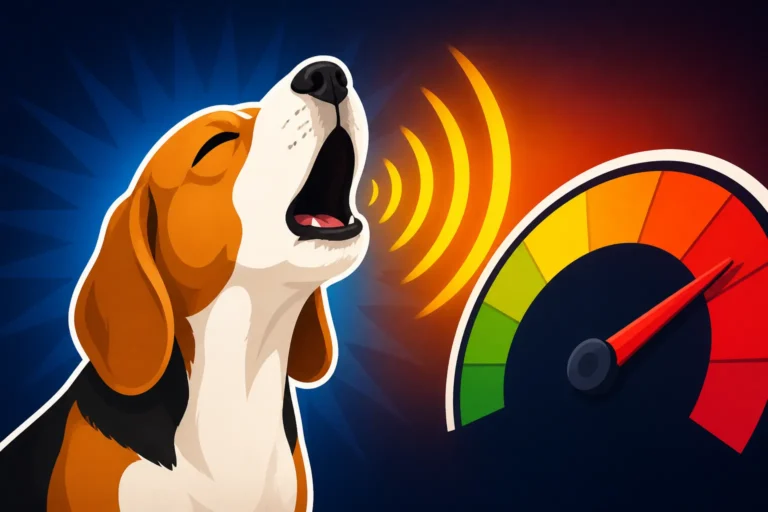
When a Beagle is left alone, their primal urge is to call out to their "pack" – you – hoping you'll return. This is why the howling or baying can be so persistent and loud. It's not a conscious decision to make noise; it's an automatic, emotional plea. They might try to dig their way out of their confinement or chew through items that smell like you, not to be destructive, but in a desperate attempt to reunite with their perceived pack. This level of panic can escalate quickly, especially if they haven't learned to cope with solitude from a young age.
Common Triggers for Anxiety Development
Separation anxiety isn't always present from puppyhood; it can develop or worsen due to various life changes or traumatic experiences. A sudden shift in your work schedule, moving to a new home, the loss of another pet, or even a particularly scary experience while alone (like a loud thunderstorm) can all contribute to the onset or exacerbation of separation anxiety.
For instance, if your Beagle was accustomed to someone being home all day and then you transition to a full-time office job, the sudden isolation can be a profound shock to their system. We often see this when people adopt Beagles who've come from a background where they were rarely alone, such as a large litter at a breeder's kennel, or even a rescue situation where they were always surrounded by other dogs. They simply haven't had the chance to develop the coping mechanisms necessary for solitude. Owners should be mindful of these potential triggers and introduce alone time gradually and positively from an early age to build resilience.
Decoding Beagle Vocalizations: Anxiety vs. Normal Beagle Talk
One of the biggest challenges for Beagle owners is differentiating between a Beagle's characteristic vocalizations and cries of genuine distress. Beagles are known for their melodious baying, excited barks, and mournful howls. So, how do you tell if it's just "being a Beagle" or if it's a true sign of separation anxiety?
The Distinctive Howl, Bay, and Bark
Beagles communicate vocally in several ways. Their famous "bay" is a deep, drawn-out sound, historically used to alert hunters to a scent trail. It's often thrilling to hear in the right context, but less so when it's reverberating through your home or apartment building when you're gone. A regular bark is sharper, more insistent, and often used for attention, greeting, or warning of something new in their environment. Howling can be more akin to a wolf's call, sometimes in response to sirens or other high-pitched noises, or as a general form of communication among a pack. You might hear more about this in our guide on Beagle Howling, Baying and Barking Explained.
It's important to recognize that a Beagle's vocal tendencies are part of their charm and heritage. A Beagle might let out an excited bark when you grab their leash, or bay happily when they catch a strong scent on a walk. These are normal, healthy expressions of their breed characteristics. The key is to observe when and why these sounds are happening, and what other behaviors accompany them, to determine if it's just their inherent vocality or something more concerning.
Identifying the Cues of Anxiety-Driven Howling
Anxiety-driven vocalizations typically occur specifically when you leave or when your Beagle anticipates your departure. This isn't just a brief bark; it's often prolonged, incessant, and carries a tone of genuine distress. It might start the moment you pick up your keys or put on your shoes, escalating as you walk out the door and continuing for extended periods. This is often described in our article Hours Alone Before a Beagle Starts Howling.
Beyond the sound itself, look for a cluster of other behaviors that point to anxiety:
- Destructive Chewing: Chewing on door frames, furniture, or your personal belongings, especially items that carry your scent (like shoes or clothing). This is often an attempt to cope with stress or a desperate effort to escape.
- Pacing and Restlessness: Your Beagle can't settle, constantly moving around the house, perhaps circling or trying to look out windows.
- Elimination Issues: Urinating or defecating indoors, even if they are perfectly house-trained, which is a common sign of extreme stress, not spite.
- Drooling and Panting: Excessive drooling and panting, even when not hot or exercising, indicates physiological stress.
- Escape Attempts: Trying to break out of crates, rooms, or the yard, potentially injuring themselves in the process.
If these behaviors accompany the vocalizations, especially only when left alone, it's a strong indicator that you're dealing with separation anxiety rather than just a chatty Beagle.
Practical Strategies for Managing Beagle Separation Anxiety
Addressing separation anxiety requires patience, consistency, and often a multi-faceted approach. There's no magic bullet, but by systematically desensitizing your Beagle to your absence and enriching their environment, you can make significant progress.
Desensitization and Counter-Conditioning Techniques
The goal here is to gradually expose your Beagle to alone time in a way that doesn't trigger panic, and to create positive associations with your departure. Start small:
- Practice short departures: Begin by leaving for literally seconds. Walk out the door, wait a moment, then come back in before your Beagle shows signs of distress. Don't make a fuss when you leave or return. The idea is to make your coming and going a non-event.
- Increase duration slowly: Over days and weeks, gradually increase the time you're gone by mere seconds or a minute at a time. This could mean leaving for 30 seconds, then a minute, then two, then five. The key is to stay below their panic threshold. If they start to get anxious, you've gone too long; next time, shorten the duration.
- Mimic departure cues: Practice your "leaving routine" without actually leaving. Grab your keys, put on your coat, then sit back down. Repeat this multiple times a day so these cues no longer predict your immediate departure.
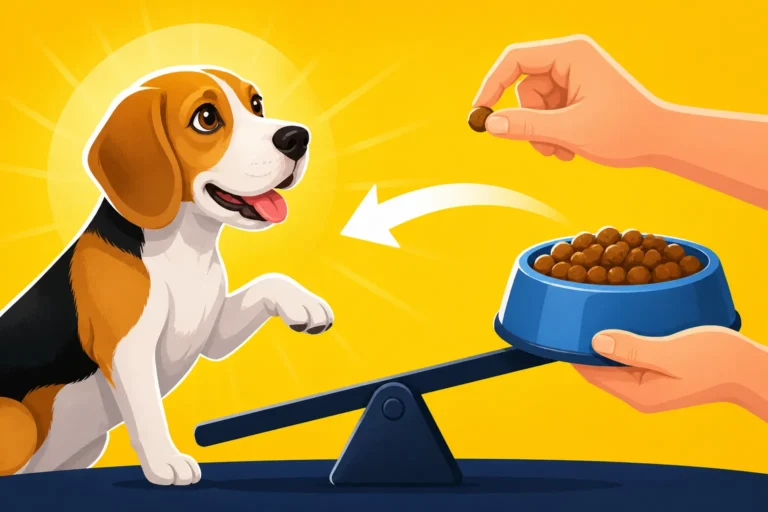
- Positive Association: Before you leave, give your Beagle a high-value, long-lasting treat or a puzzle toy filled with something irresistible like peanut butter or frozen wet food. This helps create a positive association with your departure. Brands like Kong or other puzzle feeders available on Amazon can be excellent for this. The mental stimulation can also help distract them.
This process can take weeks or even months, but rushing it will only set you back. Consistency is paramount.
Environmental Enrichment and Calming Aids
Creating a calming, engaging environment can make a huge difference in your Beagle's ability to cope alone.
- Interactive Toys: Provide plenty of interactive toys that require mental effort. Puzzle feeders, snuffle mats, and durable chew toys can keep their minds occupied.
- White Noise or Calming Music: Leaving on a radio, TV, or a white noise machine can block out startling outdoor sounds and provide a sense of presence. There are even specific calming music playlists designed for dogs.
- Scent Gland Diffusers: Products like Adaptil diffusers release synthetic pheromones that mimic the calming pheromone mother dogs produce, which can help some Beagles feel more secure. These are widely available.
- Secure Crate Training: For some Beagles, a properly crate-trained space can be a den of security. However, if your Beagle already associates the crate with panic, it might worsen anxiety. If you are exploring this, consider resources on Beagle Crate Anxiety Against Crate Comfort. Make sure the crate is the right size – not too big, not too small – and filled with comfortable bedding. More on this can be found in Beagle Crate Size and Crying Through the Night.
- Exercise Before Departure: A tired Beagle is a calmer Beagle. Ensure they get a good, long walk or a vigorous play session before you leave. A sniff-heavy walk where they can truly engage their powerful nose is often more tiring than just a quick trot around the block.
Consider a Dog Walker or Daycare
If your schedule means long hours away from home, these options can provide crucial breaks and companionship:
- Mid-day Dog Walker: A dog walker can break up the long stretch of alone time, providing a potty break, some exercise, and human interaction. This can significantly reduce the build-up of anxiety throughout the day.
- Doggy Daycare: For social Beagles, a few days a week at a reputable doggy daycare can be a game-changer. It provides constant supervision, mental stimulation, and plenty of opportunities to interact with other dogs and people, fulfilling their pack needs. However, not all Beagles thrive in this environment; some might find it overstimulating. Explore if Beagle Daycare and Whether It Actually Helps is right for your dog.
It's about finding what works best for your individual Beagle and ensuring they are not left to suffer in isolation for extended periods.
When to Seek Professional Help and Support
While the strategies above are incredibly helpful, some Beagles have such severe separation anxiety that they need more intensive intervention. Don't hesitate to reach out to professionals if you feel overwhelmed or if your Beagle's anxiety isn't improving.
Consulting Your Veterinarian
Your first stop should always be your veterinarian. They can:
- Rule out underlying medical conditions: Sometimes, behaviors that look like separation anxiety might be caused by a medical issue, such as pain, an upset stomach, or cognitive dysfunction in older dogs.
- Discuss anti-anxiety medication: For severe cases, medication can be a temporary tool to help your Beagle relax enough for behavioral modification techniques to be effective. It's not a cure but can lower their anxiety levels, allowing them to learn new coping mechanisms. Your vet can advise on suitable options.
It's crucial to understand that medication is typically used in conjunction with behavioral training, not as a standalone solution. It helps to take the edge off the panic, making your dog more receptive to learning.
Working with a Certified Professional Dog Trainer or Behaviorist
A professional specializing in canine behavior can provide an individualized plan tailored to your Beagle's specific needs and the severity of their anxiety.
- Veterinary Behaviorist: These are veterinarians with advanced training in animal behavior. They can diagnose complex behavioral issues and prescribe medication if necessary.
- Certified Professional Dog Trainer (CPDT) or Certified Applied Animal Behaviorist (CAAB): These professionals can guide you through the desensitization and counter-conditioning process, helping you recognize subtle cues and troubleshoot challenges. They can often do in-home consultations or virtual sessions, observing your Beagle's environment and behaviors directly. Online training platforms, like those offered by BAXTER & Bella, can also provide structured guidance and support from certified trainers, giving you access to resources and one-on-one coaching to implement anxiety management techniques effectively.
A good trainer will help you understand the nuances of your Beagle's body language and reactions, ensuring you progress at a pace that is safe and effective for your dog. They can also help you identify specific triggers you might be missing and refine your approach.
Utilizing Technology for Monitoring and Support
Modern technology offers several tools to help you understand and manage your Beagle's anxiety when you're not home.
- Pet Cameras: A pet camera with two-way audio allows you to observe your Beagle's behavior in real-time, helping you pinpoint when anxiety starts and how long it lasts. Some even allow you to speak to your dog, though for severe anxiety, this can sometimes heighten their distress rather than calm them, as it provides a tease of your presence without actual return. You can find many options on Amazon that offer features like treat dispensers or night vision.
- Recording Devices: Simple audio or video recorders can capture your Beagle's behavior and vocalizations while you're out. This objective data is invaluable for tracking progress and for sharing with your vet or trainer. It helps you accurately assess how long your Beagle is truly distressed, rather than just guessing.
- Smartphone Apps: Some apps are designed to help you track your dog's anxiety symptoms, log training sessions, and connect with online communities for support. These can be helpful for maintaining consistency and motivation over the long haul.
Using these tools can provide much-needed insight into your Beagle's struggles and help you measure the effectiveness of your interventions.
Living Day-to-Day with an Anxious Beagle
Managing separation anxiety isn't just about training sessions; it's about integrating supportive practices into your daily life and understanding that progress isn't always linear.
Building a Strong, Secure Bond
A strong, positive bond between you and your Beagle is the foundation for overcoming anxiety. Spend quality time together, engaging in activities your Beagle enjoys, like scent games, long walks where they can sniff to their heart's content, or simply cuddling on the couch. This builds trust and confidence, reassuring them that you are a reliable presence in their life.
However, be careful not to create too much intensity around your presence. Avoid making every departure or arrival a huge event. While it's natural to want to greet your dog enthusiastically, a calm, low-key reunion can help them understand that your coming and going are normal parts of life, not dramatic events. Focus on quiet interactions and consistent affection rather than bursts of high-energy attention that might inadvertently feed into their need for constant presence.
Managing Expectations and Celebrating Small Victories
Separation anxiety can be a tough battle, and it's easy to get discouraged when setbacks occur. Remember that progress isn't a straight line; there will be good days and bad days. It's crucial to manage your own expectations and celebrate every small victory, no matter how minor. Did your Beagle stay calm for an extra minute today? Did they engage with their puzzle toy for longer than usual? These are all signs of progress.
Don't compare your Beagle's journey to others; every dog is an individual. What works for one might not work for another. Be patient with yourself and your dog, and understand that consistency over time is far more effective than sporadic, intense efforts. For deeper insights into living with an anxious dog, you might find valuable information in our article Living Day to Day With an Epileptic Beagle, which, while focused on epilepsy, shares similar principles of consistent care and adaptation for a dog with a chronic condition.
Long-Term Prevention and Maintenance
Once your Beagle is showing improvement, the work isn't over. Maintaining their comfort with alone time requires ongoing effort:
- Continue Short Departures: Even when your Beagle is doing well, occasionally practice very short departures to reinforce their comfort.
- Regular Enrichment: Keep providing stimulating toys and activities to ensure their mental and physical needs are met, reducing boredom that can lead to anxious behaviors.
- Consistent Routine: Beagles thrive on routine. Try to keep meal times, exercise schedules, and alone times as consistent as possible.
- Be Aware of Changes: If there are upcoming changes in your life (e.g., a new job, a vacation), prepare your Beagle gradually by adjusting their routine or increasing alone time practice in advance.
- Review your home environment: Is your home truly "Beagle-proofed" against anxious destruction? Secure trash cans, put away tempting items, and ensure their designated safe space is truly safe and comfortable.
| Anxiety-Driven Vocalization | Normal Beagle Vocalization |
|---|---|
| Timing | Timing |
| Starts before you leave or immediately upon departure. | Occurs when you approach the door, greet guests, or hear something outside. |
| Prolonged, often continuous for minutes or hours after you're gone. | Shorter bursts, often followed by quiet once the trigger is addressed. |
| Tone | Tone |
| High-pitched, frantic, mournful, distressed, sounds like crying or intense panic. | Excited, happy, alerting, conversational, often a distinctive bay or sharp bark. |
| Accompanying Behaviors | Accompanying Behaviors |
| Destructive chewing, pacing, drooling, panting, inappropriate urination/defecation, escape attempts, shaking. | Wagging tail, relaxed body language, bringing toys, jumping excitedly, sniffing. |
| Context | Context |
| Only occurs when left completely alone, regardless of their needs (e.g., just been walked, fed). | Occurs in response to specific stimuli (doorbell, new person, scent trail, play invitation). |
| Resolution | Resolution |
| Does not stop until you return, or after a long period of exhaustion. | Stops when the stimulus is gone, or when needs are met (e.g., after being let out). |
Living with a Beagle who suffers from separation anxiety is undoubtedly challenging, but with understanding, consistent effort, and the right support, you can help your beloved companion feel secure and happy, even when you're not right by their side. Their well-being, and your peace of mind, are absolutely worth the journey.
Disclaimer
This article is for general informational purposes only and does not constitute professional advice. Laws, prices and regulations vary by location and change over time. Consult a qualified professional for guidance on your specific situation.