Wire Skirts Buried Along a Beagle Fence
Few things strike fear into a Beagle owner's heart quite like stepping outside to an empty yard, realizing your beloved hound has once again found a way under the fence. The sheer ingenuity of a Beagle determined to follow a scent trail can be baffling, leaving many of us wondering if true containment is even possible. This comprehensive guide will walk you through implementing a wire skirt, a robust and often overlooked defense against canine escape artists, to finally give you peace of mind.
Understanding the Beagle's Digging Instinct
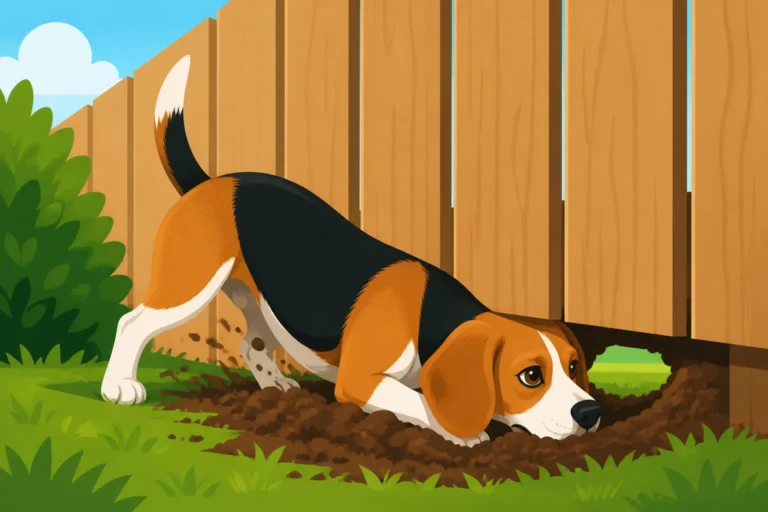
When your Beagle starts digging under the fence, it's not usually out of spite or boredom, though boredom can certainly exacerbate the behavior. It's deeply rooted in their nature, a throwback to centuries of selective breeding. Beagles were originally bred to hunt rabbits and hares, and part of that job often involved following scents into burrows or digging to flush out prey. That intense prey drive and incredible nose mean that if there's a fascinating scent on the other side of your fence—a rabbit, a squirrel, or even just the lingering aroma of another dog—your Beagle will be powerfully compelled to investigate.
Imagine a world where every waft of air tells a story, where invisible lines of scent crisscross your yard, each one a tantalizing mystery. That's your Beagle's reality. Their olfactory bulb is significantly larger than ours, and they possess an estimated 220 million scent receptors, giving them an unparalleled ability to track. When a promising scent leads right up to the fence line and seems to disappear on the other side, a Beagle’s natural instinct kicks in: if they can't go over, they'll go under. This isn't just a casual scratch; it's a focused, determined excavation, often performed with surprising speed and efficiency. They are not easily deterred once their mind is set on a particular underground journey.
Beyond the lure of a scent, Beagles can also dig due to anxiety, especially Beagle Separation Anxiety in a Pack Breed. If they're left alone for long periods and feel isolated, they might try to dig out to find their "pack" or simply to relieve stress. Some Beagles, particularly those not getting enough physical or mental exercise, may also dig out of sheer boredom. While the wire skirt addresses the physical act of digging, understanding the underlying motivation can help you combine solutions for a truly contained and happy hound. Recognizing The Seizure Triggers Beagle Owners Report Most can also help reduce stress-related digging if a Beagle associates certain events with anxiety.
The Wire Skirt Solution: Design and Materials
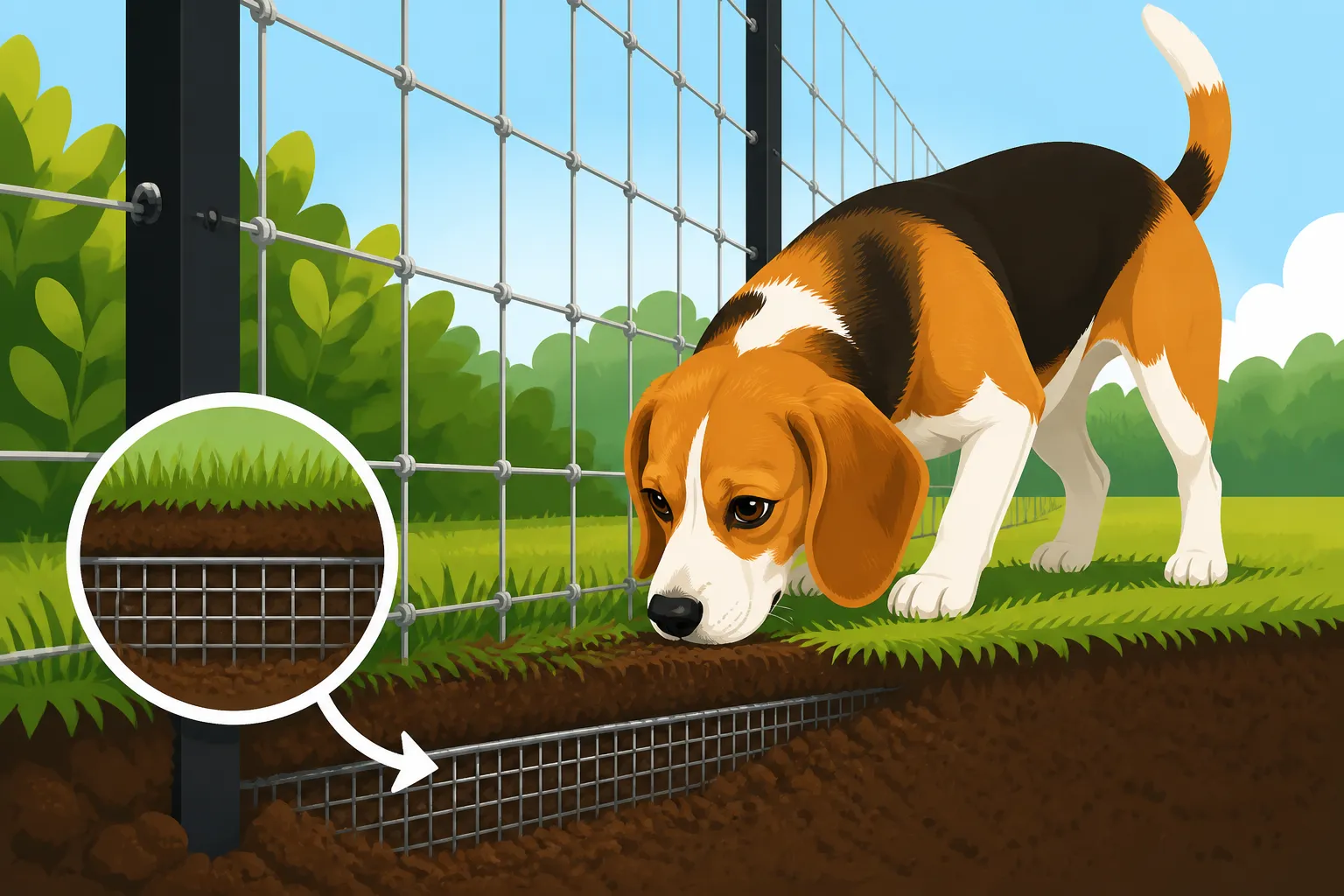
A wire skirt, also commonly known as a L-footer or an anti-dig barrier, is essentially an extension of your existing fence that runs horizontally along the ground, either buried or secured at the surface. The principle is simple: when your Beagle starts to dig at the fence line, they immediately encounter the buried wire instead of soft earth, which discourages them from continuing their excavation. This makes the fence line appear impenetrable from their perspective, frustrating their digging efforts and encouraging them to give up. It’s a physical deterrent that works with their natural inclination to follow the path of least resistance—or, in this case, least resistance underground.
There are a couple of main materials you'll want to consider for your wire skirt, each with its own advantages. Hardware cloth is usually the top recommendation for Beagles. It’s a galvanized wire mesh that comes in various gauges (thicknesses) and opening sizes. For a Beagle, you'll want something sturdy, ideally 19-gauge or 16-gauge, with openings no larger than 1/2 inch by 1 inch. This prevents them from pushing through or getting their nose caught. Chicken wire, while cheaper, is generally too flimsy and can be easily bent or chewed through by a determined Beagle, so it's not recommended for our clever digging hounds. You can find rolls of hardware cloth easily on platforms like Amazon, making it convenient to source your materials.
When planning your wire skirt, think about the dimensions. The wire should extend at least 18-24 inches out from the fence line, parallel to the ground, and be buried to a depth of at least 6-12 inches. Some owners even angle the wire slightly outwards and downwards from the fence base, creating an even more frustrating angle for a digging dog. The idea is to make sure that wherever your Beagle tries to dig along the fence, they hit an insurmountable barrier. This horizontal barrier is critical because Beagles, like most dogs, tend to dig down first, then out. When they encounter this horizontal plane of wire, their natural digging motion becomes ineffective, and they quickly learn it's a dead end.
Here’s a comparison of common wire types for digging barriers:
| Feature | Hardware Cloth (Recommended) | Chicken Wire (Not Recommended) | Welded Wire (Good Alternative) |
|---|---|---|---|
| Material | Galvanized steel wire | Thin, twisted steel wire | Galvanized or PVC-coated steel wire |
| Gauge (Thickness) | 16-19 gauge (thicker is better for Beagles) | 20-22 gauge (very thin) | 14-16 gauge (strong) |
| Mesh Size | 1/2" x 1", 1/4" x 1/4" (tight weave is best) | 1" or 2" hexagonal openings (large, easily bent) | 2" x 4", 2" x 2" (good range) |
| Durability | Very strong, resists bending and chewing, rust-resistant | Weak, easily bent, chewed through, prone to rust | Strong, good resistance to bending and chewing, rust-resistant |
| Installation Ease | Moderately stiff, requires wire cutters for clean cuts | Very flexible, easy to cut | Stiff, can be harder to manipulate into tight corners |
| Cost | Moderate to higher | Low | Moderate |
| Beagle Proofing | Excellent – highly effective dig deterrent | Poor – not strong enough to stop a determined Beagle | Very Good – effective dig deterrent, durable |
Step-by-Step Installation of a Beagle-Proof Wire Skirt
Installing a wire skirt is a manageable DIY project, but it does require some physical effort and attention to detail. Before you begin, gather all your supplies. You'll need rolls of hardware cloth, sturdy wire cutters, a digging shovel or trenching tool, zip ties or hog rings (and a hog ring plier if using), work gloves, and potentially some tent stakes or landscape staples. Consider surveying your fence line first, identifying any areas where your Beagle has already shown a particular interest in digging. These "hot spots" might need extra reinforcement or a slightly deeper burial.
First, you'll need to prepare the fence line. Clear away any debris, rocks, or overgrown vegetation that might get in the way. Then, dig a trench along the base of your existing fence. The trench should be at least 6-12 inches deep and about 18-24 inches wide. This depth is crucial because a Beagle's powerful legs can dig quite deep in a short amount of time. If your soil is particularly loose or sandy, consider going a bit deeper, perhaps 10-14 inches, to provide extra security. It might feel like a lot of digging, but it's an investment in your Beagle's safety and your sanity.
Once your trench is ready, it's time to lay the hardware cloth. Unroll the wire mesh and fit it into the trench. You want one edge of the wire to run vertically down into the trench, flush against the existing fence posts or panels, and the rest to extend horizontally outward, flat along the bottom of the trench. Secure the vertical edge of the hardware cloth to your existing fence using heavy-duty zip ties or hog rings, spaced every 6-12 inches. Make sure the attachment is very secure and leaves no gaps. For wood fences, you might also use fence staples. For metal fences, zip ties from a reputable brand on Amazon work wonderfully. The goal is to create a seamless extension so there's no way for a clever Beagle to push through the gap between the fence and the new wire.
After securing the wire, backfill the trench with the soil you removed earlier. Pack the soil down firmly over the horizontal section of the hardware cloth. You can even add a layer of rocks or heavy gravel on top of the buried wire before backfilling the final layer of soil for an extra deterrent. The weight of the soil, combined with the impenetrable mesh, will stop your Beagle in its tracks. Finish by checking the entire fence line for any exposed edges or loose spots in the wire skirt. A dedicated Beagle will exploit any weakness, so be thorough. This barrier gives you a solid foundation, allowing you to focus on Beagle Recall Games to Play in the Backyard without the constant fear of an escape.
Complementary Strategies for Total Beagle Containment
While a wire skirt is an incredibly effective physical barrier against digging, it's just one piece of the puzzle when it comes to containing a Beagle. These intelligent, scent-driven hounds thrive on mental and physical stimulation, and addressing these needs can significantly reduce escape attempts. Remember, a bored Beagle is often a mischievous Beagle. Incorporating regular, engaging exercise is paramount. This isn't just about a quick walk around the block; it means giving them opportunities to use that incredible nose. Scent walks, where you allow your Beagle to meander and sniff to their heart's content, can be far more tiring and satisfying than a fast-paced jog. Sniffing Walks and Why They Tire a Beagle Out can become a cornerstone of their routine.
Beyond physical exercise, mental enrichment is key. Puzzle feeders, snuffle mats, and engaging toys that dispense treats can keep their minds occupied when you can't actively supervise them. Consider enrolling in online training programs, such as those offered by BAXTER & Bella. Their comprehensive approach often includes exercises that build focus and impulse control, which are vital for a breed so easily distracted by scent. Working on skills like "leave it" and a strong recall, even within the confines of your newly secured yard, reinforces good behavior and strengthens your bond. A well-trained Beagle is often a more content Beagle, less likely to feel the urge to escape. It's a great investment in their overall well-being and your peace of mind.
Finally, consistent supervision and setting clear boundaries are essential. Even with the best physical barriers, vigilance is always important. Never leave your Beagle unattended in the yard for extended periods, especially when they are young and still testing boundaries. Regularly check your fence line for any new weaknesses, as wear and tear can occur over time. If your Beagle still shows signs of excessive digging in other areas of the yard, consider creating a designated digging pit filled with sand or loose soil. Bury some toys or treats there to encourage them to dig in an approved spot. This can be a great outlet for their natural instincts without compromising your fence line. Remember that Beagle Escape Artistry and How to Contain It often requires a multi-faceted approach, combining smart physical barriers with engaging mental and physical activities and consistent training.
Disclaimer
This article is for general informational purposes only and does not constitute professional advice. Laws, prices and regulations vary by location and change over time. Consult a qualified professional for guidance on your specific situation.