Beagle Behavior Changes After Neutering
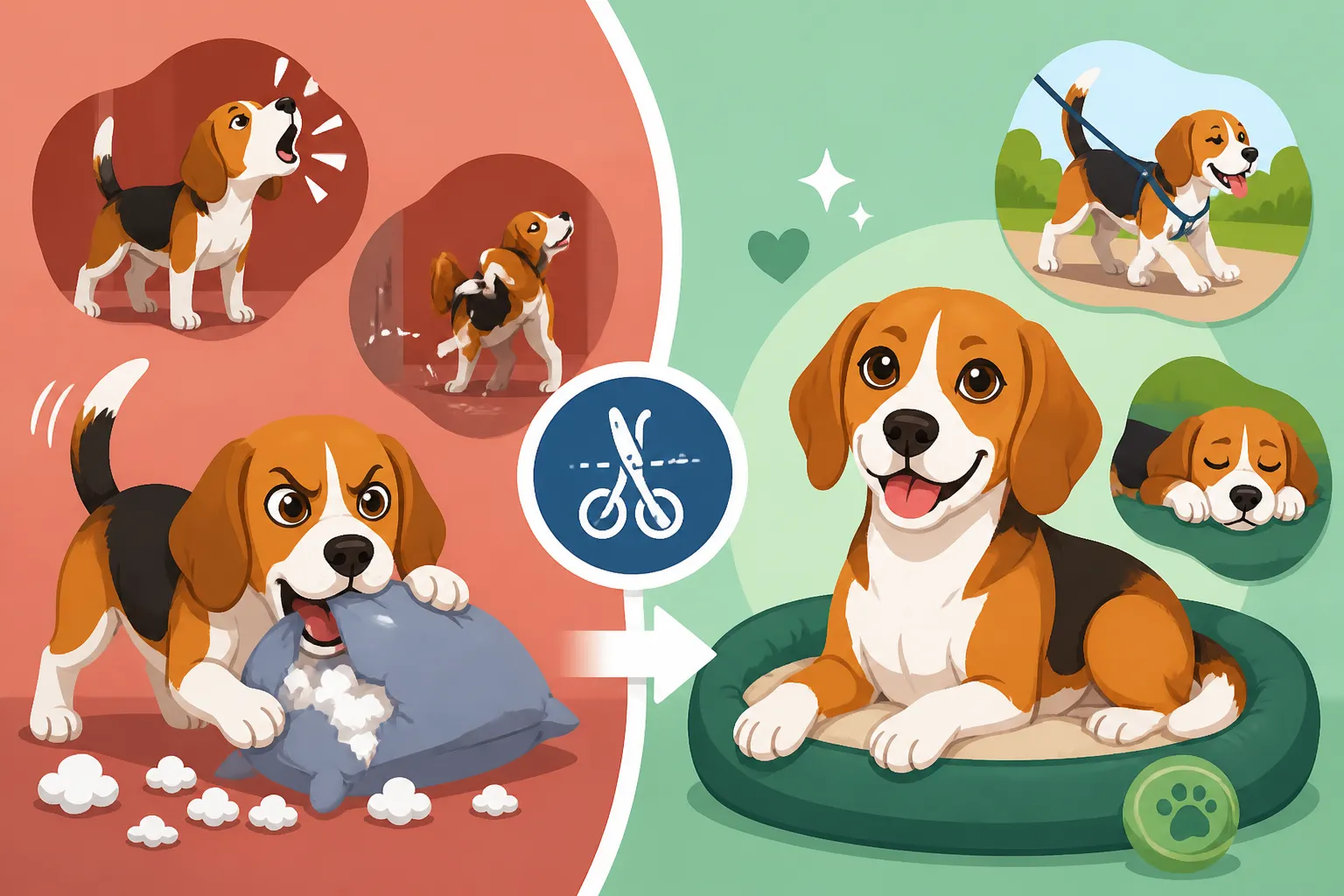
It's incredibly common for Beagle owners to wonder how neutering might change their furry friend's behavior, often hoping it will magically resolve some of those notorious Beagle quirks. But the reality isn't always a simple flick of a switch. This guide will delve into the actual behavioral shifts you can expect after neutering your Beagle, dispelling common myths, and emphasizing the ongoing importance of training and consistent management.
Understanding the Hormonal Shift and Its Impact
When a male Beagle is neutered, the testicles are removed, which means the primary source of testosterone is gone. Testosterone plays a significant role in many male-specific behaviors, particularly those related to reproduction and competition. However, understanding the timeline and the extent of these changes is crucial for realistic expectations.
The Gradual Decline of Testosterone
Neutering isn't like hitting an immediate "off" button for hormones. While the source of testosterone is removed, the existing hormones in the body take time to metabolize and clear out. This means you won't see an instant transformation the moment your Beagle wakes up from surgery. Behavioral changes, if they occur, usually manifest gradually over several weeks to a few months as the hormone levels steadily decline. It's a physiological process that unfolds over time, not an overnight switch.
Many owners, understandably, anticipate a rapid shift, but patience is key. During this period, your Beagle might still exhibit some hormone-driven behaviors as his body adjusts. It's important to continue with your regular training and management strategies, as habits are often more ingrained than mere hormonal impulses. Think of it less as a cure and more as reducing a powerful biological influence that contributes to certain behaviors.
Age at Neutering Matters
The age at which a Beagle is neutered significantly influences the likelihood and degree of behavioral changes. If a Beagle is neutered very young, before he has fully matured and established strong hormone-driven habits, the impact can be more profound on certain behaviors. For instance, a puppy neutered before puberty might never develop the strong urge to roam or urine mark as an adult.
Conversely, if a Beagle is neutered later in life, particularly after two or three years of age, many behaviors might already be deeply ingrained patterns, reinforced over years of hormonal influence. While the drive behind some behaviors might lessen, the habit itself can be much harder to break. For example, a senior Beagle who has been marking territory for years might continue to do so out of habit, even with reduced testosterone. This isn't to say changes won't happen, but rather that the older the dog, the more established the neural pathways for those behaviors become, requiring more consistent training and management to alter.
Behavioral Changes You Can Realistically Expect Post-Neutering
While neutering isn't a cure-all, it can certainly mitigate or reduce the intensity of several common male Beagle behaviors that are primarily driven by hormones. These are the areas where you are most likely to see a noticeable difference.
Reduction in Roaming and Escaping Drive
One of the most significant changes many owners report after neutering is a decrease in their Beagle's intense desire to roam or escape. Intact male Beagles have an incredibly strong instinct to find females in heat, and their phenomenal noses will lead them miles away if given the opportunity. This drive is so powerful that even the most secure fence can seem like a mere suggestion. After neutering, while a Beagle's natural curiosity and scent-driven nature will still be present, the overwhelming hormonal imperative to seek out a mate is removed.
This reduction in reproductive drive often translates to less insistent fence-testing, gate-dashing, and overall wandering when a female in season is nearby. It doesn't mean your Beagle will never try to escape again – after all, a good scent trail is always tempting – but the primal urge is significantly diminished. This can make walks a little less frantic and your yard a bit more secure, though vigilance is always needed with a Beagle. For more on keeping your persistent hound safe, check out Beagle Escape Artistry and How to Contain It.
Decreased Urine Marking
Urine marking is another behavior heavily influenced by male hormones. Intact male Beagles use urine to communicate their presence, status, and availability to other dogs, especially females. They'll lift a leg on vertical surfaces, leaving their scent calling card, both indoors and outdoors. This can be particularly frustrating when it happens inside your home, despite your Beagle being otherwise house-trained.
Post-neutering, the hormonal motivation to "advertise" through urine marking usually decreases. Many owners observe a significant reduction, or even cessation, of indoor marking. Outdoor marking might also become less frequent or less intense, though some Beagles, especially those neutered later in life, may continue to lift a leg out of habit or as a response to perceived territorial intrusions, like a new dog in the neighborhood. For tips on dealing with this frustrating habit, read Beagle Marking Indoors After Months of Being Clean.
Potential Decrease in Male-on-Male Aggression
Aggression between intact male dogs can often stem from competition for mates or dominance displays. When two unneutered males meet, particularly if there's a female in heat nearby, tensions can escalate quickly. This type of aggression is often rooted in natural, hormone-driven rivalry. Neutering can often reduce the intensity or frequency of these male-on-male aggressive behaviors.
However, it's crucial to understand that neutering doesn't eliminate all forms of aggression. Aggression can also be caused by fear, poor socialization, pain, or resource guarding, none of which are directly controlled by testosterone. If your Beagle displays aggression that isn't solely tied to interactions with other intact males, neutering alone may not be the answer, and a professional behaviorist should be consulted. While the hormonal edge of competitive aggression might soften, underlying behavioral issues will still need dedicated training and management.
Lessened Mounting Behavior
Mounting, or "humping," is another behavior commonly associated with intact male dogs. While it can be a sexual behavior, it's also often a display of excitement, play, or even stress. In intact males, the sexual component is undeniably a strong driver, especially when around females or during aroused play.
After neutering, the purely sexual motivation for mounting will typically diminish or disappear. You might find your Beagle is less inclined to mount objects, other dogs, or people out of a sexual urge. However, if mounting was also a comfort behavior, a way to release excess energy, or a learned response to excitement, those instances might persist. It's a good time to redirect such energy into appropriate play or training. Providing plenty of engaging toys, easily found on platforms like Amazon, can help redirect these impulses constructively.
Common Behavioral Misconceptions and What Neutering Won't Fix
It's easy to fall into the trap of thinking neutering is a magical solution for all behavioral woes. However, many common Beagle behaviors are deeply ingrained in their breed characteristics, personality, or learning, and are not primarily driven by hormones. Understanding these misconceptions is vital for setting realistic expectations.
Barking, Howling, and Vocalizations
One of the biggest misconceptions is that neutering will quiet a vocal Beagle. Beagles are hounds, and they were bred to use their voices – specifically their distinctive baying and howling – to alert hunters to a scent trail or to communicate with their pack. This is a fundamental part of their genetic makeup, not a behavior dictated by testosterone levels. An intact male Beagle will bay at a rabbit scent just as loudly as a neutered one.
Therefore, expecting neutering to stop your Beagle's barking, howling, or general vocalizations is often an exercise in frustration. These are breed-specific traits and learned behaviors. If your Beagle is vocal due to boredom, anxiety, excitement, or because it's simply his way of "talking," you'll need to address those root causes through training and management, not surgery. For a deep dive into your Beagle's communication style, read Beagle Howling, Baying and Barking Explained.
Separation Anxiety and General Anxiety
Many owners hope that neutering will calm an anxious or hyperactive Beagle, particularly one suffering from separation anxiety. However, separation anxiety, generalized anxiety, and hyperactivity are complex emotional and neurological conditions that are not primarily caused or cured by the removal of reproductive hormones. These issues stem from a Beagle's individual temperament, past experiences, inadequate socialization, or an insecure attachment style.
While some studies suggest a slight correlation between neutering and a potential increase in certain anxieties in some individual dogs, it's far from a definitive cause-and-effect relationship, and many other factors are at play. If your Beagle is struggling with separation anxiety, for instance, you'll need a comprehensive approach involving counter-conditioning, desensitization, and potentially medication, not just neutering. For comprehensive strategies on managing an anxious hound, explore Beagle Separation Anxiety in a Pack Breed.
Counter Surfing, Food Stealing, and Resource Guarding
If you're dealing with a Beagle who consistently counter surfs, raids the trash, or steals food off plates, don't expect neutering to solve these issues. These behaviors are deeply rooted in the Beagle's powerful food drive and their scavenging instincts, honed over centuries of evolution. A Beagle's nose is a powerful tool, and their desire for food is almost insatiable. This isn't about hormones; it's about pure, unadulterated Beagle nature.
Even after neutering, that incredible nose will still lead your Beagle to forgotten crumbs or unattended snacks, and that food drive will still compel them to try and acquire anything edible. These are behaviors that require diligent management, consistent training (like a solid "leave it"), and Beagle-proofing your home. Investing in high-quality puzzle feeders and engaging chew toys can help channel this food drive constructively. Understanding this instinct is key to managing it effectively, as discussed in Beagle Food Drive That Empties Your Counters.
Overall Energy Levels or "Calmness"
It's a common desire for owners to want a calmer, less energetic dog, and some believe neutering will achieve this. While a small subset of Beagles might seem marginally less boisterous if pre-existing hormone-driven excitement is removed, neutering generally has little to no impact on a Beagle's overall energy levels or their inherent "calmness." A Beagle's energy is primarily determined by its breed, individual temperament, age, genetics, and how much mental and physical exercise it receives.
Beagles are naturally active, curious, and often boisterous dogs, especially in their younger years. They require significant exercise and mental stimulation to be well-behaved and content. If your Beagle is bouncing off the walls, it's far more likely due to a lack of appropriate outlets for its energy than an abundance of testosterone. Consistent exercise, engaging sniff walks, and training are far more effective ways to help a Beagle find its inner calm. Read Beagle Exercise Needs at Every Age for more on meeting their activity requirements.
The Indispensable Role of Training and Management
Given that neutering isn't a magic wand, it becomes even more apparent that dedicated training and consistent management are non-negotiable for a well-adjusted Beagle. These efforts become the backbone of shaping your dog's behavior, regardless of his hormonal status.
Continued Reinforcement and Skill Building
Neutering might remove a strong underlying drive for certain behaviors, but it doesn't automatically install good manners or obedience. If your Beagle has learned certain undesirable behaviors, like pulling on the leash, ignoring recall, or jumping on guests, these are learned habits that require continued positive reinforcement training to change. The absence of testosterone simply makes your training more effective by removing a powerful biological distraction, rather than doing the training for you.
Think of it this way: if your Beagle was a puller before neutering because he was frantically searching for a scent or a potential mate, neutering might reduce some of that frantic energy. But you still need to actively teach him loose-leash walking. This is where consistent practice, patience, and rewarding desired behaviors come in. Enrolling in advanced obedience or specialty classes, which you can find through resources like BAXTER & Bella, can provide structure and new skills. For more information on finding the right guidance, check out Beagle Training Class Fees.
Environmental Management and Routine
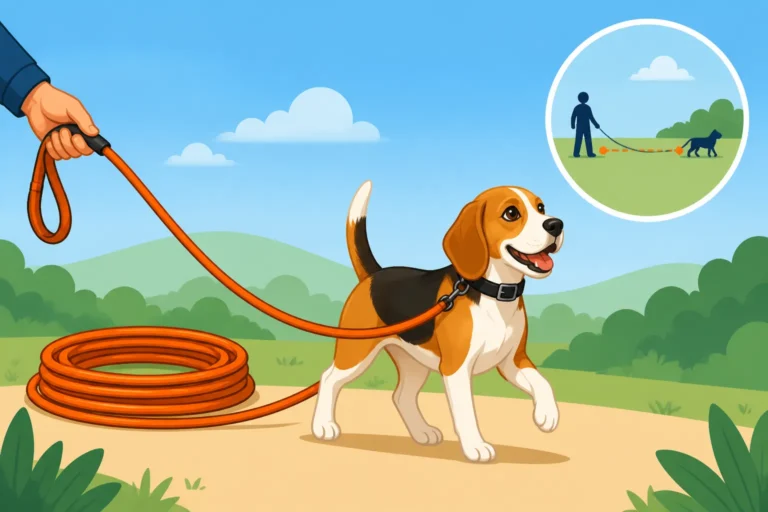
Effective behavior management extends beyond formal training sessions. It's about setting up your Beagle's environment for success and establishing a predictable routine. This includes everything from how you secure your yard to how you manage household items. For example, even if your Beagle's roaming drive lessens, maintaining a secure fence and supervising outdoor time is still crucial, as a fascinating scent can still override good intentions. Using a long line during walks in unfenced areas, as detailed in Why a Beagle Should Never Be Off Leash Unfenced, remains critical.
Similarly, managing access to food (keeping counters clear, using secure trash cans) remains vital for a food-driven breed. Providing a consistent schedule for feeding, exercise, and potty breaks helps create a sense of security and reduces anxiety. A comfortable crate can also be an invaluable tool for both safety and routine, especially if you've worked on Crate Training a Beagle Bred to Sleep in a Pack. Environmental management means you're proactively preventing undesirable behaviors while reinforcing desirable ones.
Seeking Professional Guidance
Sometimes, despite your best efforts, certain behaviors persist or are too challenging to manage on your own. This is where a certified professional dog trainer or a veterinary behaviorist can be an invaluable resource. They can assess your Beagle's individual situation, identify the root causes of problem behaviors (which might not be hormone-related at all), and develop a tailored training and modification plan.
Don't hesitate to reach out for help. Behavior issues can be stressful for both you and your Beagle, and an expert can provide objective insights and effective strategies. They can guide you through complex issues like persistent marking or reactivity, helping you understand how best to communicate with and support your Beagle. Remember, a professional's goal is to empower you with the tools to build a stronger, happier relationship with your dog.
Here's a quick overview of what you might expect versus what's less likely:
| Behavior Category | Likely to Change Post-Neutering | Unlikely to Change Post-Neutering |
|---|---|---|
| Reproductive/Sexual | Roaming/Escaping in search of mates, urine marking, mounting (sexual) | General play mounting, marking due to habit/anxiety |
| Aggression | Male-on-male aggression due to competition for mates | Fear-based aggression, resource guarding aggression, pain-induced aggression |
| Vocalizations | None directly related to hormones | Barking at sounds, howling, baying at scents, attention-seeking barking |
| Anxiety | Slight reduction in stress related to sexual frustration | Separation anxiety, generalized anxiety, noise phobias |
| Drive/Energy | None directly related to hormones | Overall energy levels, food drive, prey drive, sniffing obsession |
| Trainability | May be easier to train certain behaviors due to fewer distractions | Does not replace the need for training or modify learned behaviors |
This table provides a general guide, but every Beagle is an individual, and their response to neutering can vary.
Disclaimer
This article is for general informational purposes only and does not constitute professional advice. Laws, prices and regulations vary by location and change over time. Consult a qualified professional for guidance on your specific situation.