Beagle Howling Through a Night at Boarding
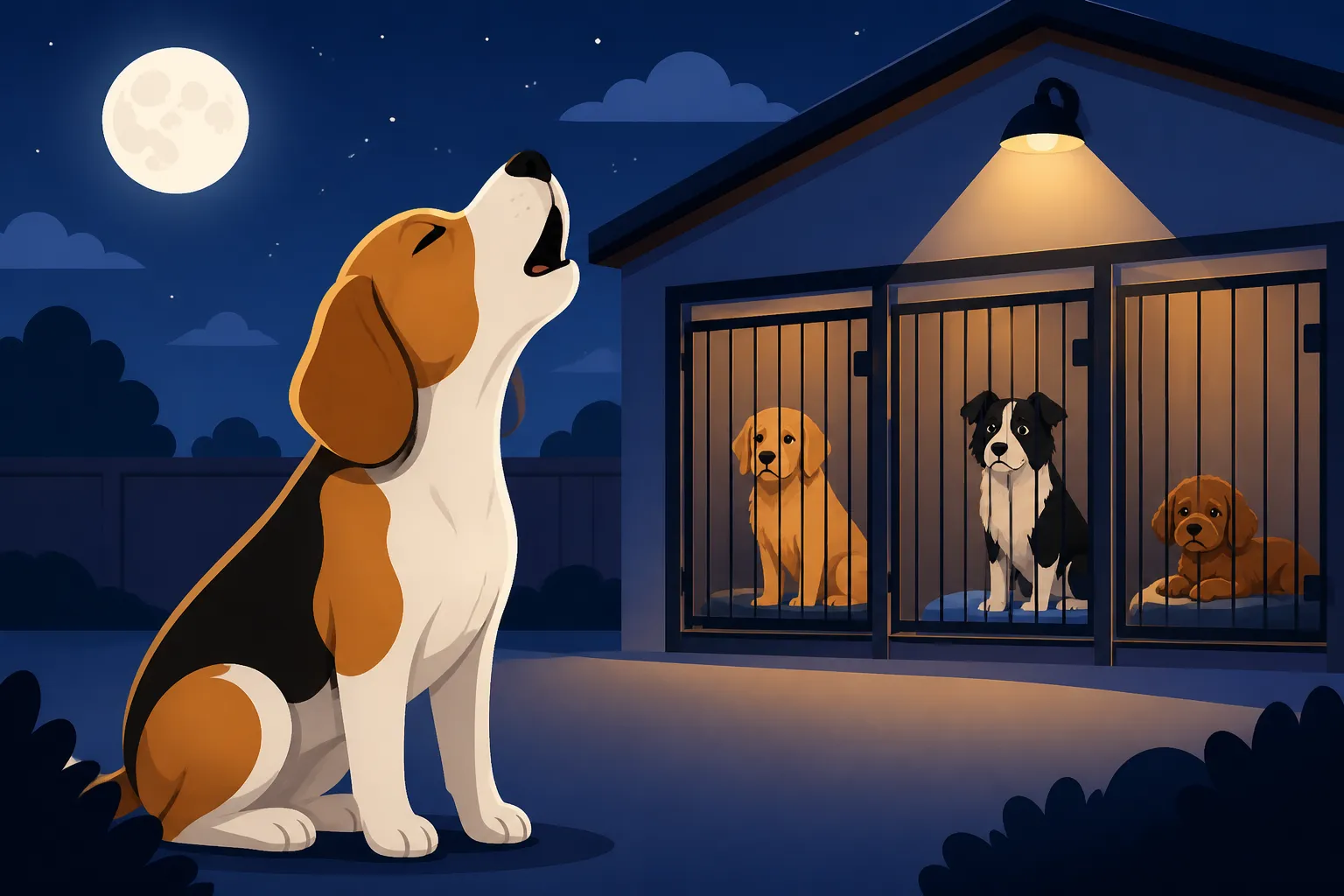
It’s a truly heartbreaking scenario, isn't it? You drop off your beloved Beagle at a boarding facility, probably feeling a little guilty already, only to get that call – or worse, a stern note at pick-up – that your sweet hound howled the night away, disturbing everyone. Your heart sinks. You wanted them to be safe and happy, not distressed and causing a ruckus. This guide is here to unravel the mystery of why Beagles often struggle with overnight stays and offer practical strategies to help your furry friend (and the boarding staff!) get some peace.
Understanding Why Beagles Howl at Boarding
Beagles are incredible creatures, full of life, scent-driven, and deeply connected to their families. What makes them so charming in our homes can, unfortunately, make boarding a challenge. Their vocalizations aren't typically out of spite; they're expressions of their core nature reacting to an unfamiliar and often overwhelming situation.
The Deep-Seated Pack Instinct
Beagles, by their very history, are pack animals. They were bred for centuries to hunt in groups, relying on each other for safety, communication, and companionship. This innate desire to be part of a group means they form incredibly strong bonds with their human families, viewing you as their primary pack. When that pack suddenly disappears, even for a night, it triggers a primal sense of alarm.
Think about it from their perspective: one minute they're snuggled up with you, surrounded by familiar sights, sounds, and most importantly, smells. The next, they're in a strange kennel, perhaps surrounded by other dogs they don't know, and their pack is gone. This isn't just a preference for company; it's a deeply ingrained instinct screaming that they've been separated from their source of security. This intense feeling of abandonment, even if temporary, can manifest as persistent vocalizations. For more on this, you might find Beagle Separation Anxiety in a Pack Breed quite insightful.
Novelty and Sensory Overload
A boarding facility, no matter how well-intentioned, is a foreign world to your Beagle. Imagine suddenly being dropped into a crowded, noisy airport where everyone speaks a different language, and you can't understand anything. That's a bit like what a boarding kennel can be for a sensitive hound. They have an astounding sense of smell – we're talking millions more scent receptors than humans – and a boarding facility is a cacophony of new, often anxiety-inducing odors from countless other dogs.
Beyond the smells, there are unfamiliar sounds: other dogs barking, staff moving around, cleaning equipment, and the general hum of a busy environment. Their schedule is disrupted, their personal space is different, and the comfort of their own bed might be replaced by a new cot. This constant influx of new stimuli, combined with the absence of their familiar routine and family, can be incredibly stressful. For a Beagle already prone to vocalizing, this sensory overload can quickly tip them over the edge into sustained howling or baying as they try to communicate their distress to anyone who will listen.
Separation Anxiety vs. General Distress
It’s easy to label all distressed barking at boarding as "separation anxiety," but it's important to understand there's a spectrum. True The Howling That Means Beagle Separation Anxiety is a clinical condition characterized by extreme panic when separated from an attachment figure, often accompanied by destructive behavior, house-soiling, and intense vocalization even at home. This is often triggered the moment you walk out the door, regardless of location.
However, many Beagles experience general distress or acute anxiety specifically related to the novel, often isolating, environment of a boarding kennel. They might be perfectly fine when left alone at home for a few hours, but the combination of unfamiliarity, the presence of many other strange dogs, and the absence of their family is just too much. Understanding the difference can help you and your vet tailor strategies. If your Beagle shows severe distress even when you're just stepping out for errands, it might be true separation anxiety needing dedicated training before boarding is even considered. But if it's primarily an issue only at boarding, it's more likely environmental distress and a strong pack drive needing gentle preparation.
Preparing Your Beagle for a Boarding Stay
The key to a calmer boarding experience often lies in proactive preparation. You can't just expect a Beagle to magically adapt to a new environment without any groundwork. Just like you wouldn't send a child to overnight camp without talking about it and doing some practice runs, your Beagle needs a similar approach.
Acclimation Visits and Short Stays
One of the most effective strategies is to introduce your Beagle to the boarding facility gradually. Don't let their first visit be an overnight stay. Instead, start with short "daycare" visits or even just a quick tour with you present. Many reputable boarding kennels offer these services precisely for this reason.
Begin with an hour-long visit, then a half-day, then a full day. This allows your Beagle to get used to the smells, sounds, and staff while knowing you'll return. Eventually, try a single overnight stay before committing to a longer vacation. This slow immersion helps build positive associations with the place, making it less of a shock when you eventually leave them for an extended period. During these visits, the staff can observe your Beagle's behavior, identify potential triggers, and get to know their personality, making their eventual longer stay much smoother. Think of it as building their "boarding resume" with positive experiences.
Familiar Scents and Items
Bringing a piece of home with your Beagle can offer immense comfort. Their sense of smell is their primary way of understanding the world, and familiar scents are incredibly reassuring. Pack an old, unwashed t-shirt or blanket that smells strongly of you and your home. This familiar scent can be a powerful anchor in a sea of new smells, helping to reduce anxiety.
Also, consider their favorite chew toy or a comfort item, provided the boarding facility allows it and it's not a choking hazard. While you might be tempted to bring their entire bed, check with the facility first, as some prefer to use their own bedding for hygiene reasons. If you do bring a toy, make sure it’s something durable and distinguishable. For Beagles, who are often very food motivated, a puzzle toy that can be filled with a treat can also provide a comforting distraction; you can find many great options on Amazon. However, avoid introducing entirely new toys right before boarding, as the novelty might add to their stress rather than reduce it.
Training for Independence
Building your Beagle's confidence and ability to cope with being alone at home is foundational to successful boarding. If your Beagle suffers from Beagle Howling the Moment You Leave even in your own home, addressing this first is crucial. Start by gradually increasing the time they spend alone. This means not just leaving them in a crate, but teaching them that alone time can be calm and rewarding.
Crate training, if done positively, can be incredibly beneficial. A well-crated Beagle views their crate as a safe den, a personal space where they feel secure. This can translate well to a boarding kennel where they'll likely be in a kennel run. Work on Crate Training a Beagle Bred to Sleep in a Pack by making the crate a positive place with treats and comfortable bedding. Programs like BAXTER & Bella offer comprehensive online puppy training that focuses on building confidence and independence, which can be invaluable for preparing your Beagle for various life situations, including boarding. This type of training helps them understand that your absence isn't a permanent disappearance, but a temporary one you always return from.
Strategies Boarding Facilities Can Employ (and What to Look For)
The responsibility isn't solely on you. A good boarding facility understands the unique needs of different breeds and has strategies in place to minimize stress and howling. When choosing a facility, asking about these specific approaches can make all the difference.
Enrichment and Engagement
A bored Beagle is a loud Beagle. Their minds are constantly seeking out scent and stimulation. A facility that simply houses dogs in kennels without any mental or physical exercise is a recipe for disaster with a Beagle. Look for places that offer dedicated playtime, either individually or in carefully supervised groups, if your Beagle enjoys other dogs. More importantly, ask about mental enrichment.
Activities like puzzle feeders, scent games, or even just regular one-on-one attention from staff can make a huge difference. A Beagle that has spent time working its nose or engaging in some form of mental activity is far more likely to settle down and rest. Some facilities even offer "sniffing walks" or specialized play areas designed to engage their powerful olfactory senses. A facility that understands the importance of "a job for their nose" will be better equipped to handle a Beagle's need for stimulation and prevent them from resorting to excessive vocalization out of sheer boredom and anxiety.
Sound Management and Comfort
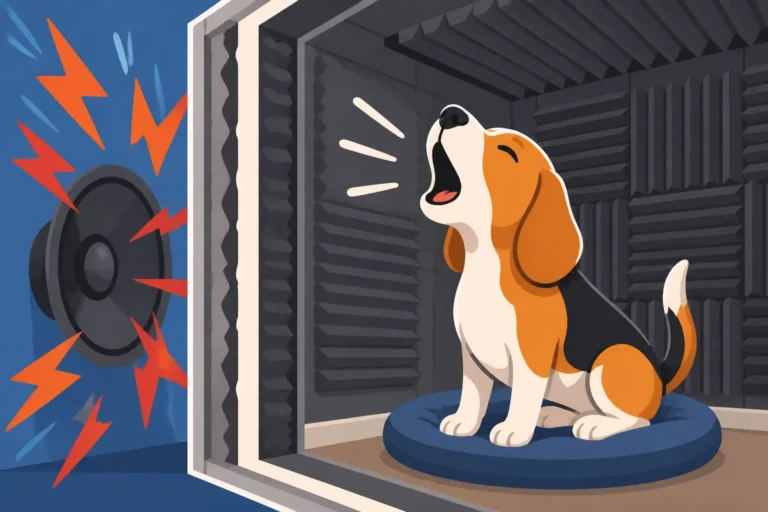
Noise is a major trigger for Beagles, especially in a new environment. While you can't eliminate all noise in a boarding kennel, good facilities employ various strategies to manage it. This might include using sound-dampening materials in walls, playing calming music, or having separate areas for different types of dogs (e.g., quiet seniors away from rambunctious puppies).
Ask about their sleeping arrangements. Do they offer individual kennel runs with solid walls, which can provide more visual and sound privacy than chain-link? Are there quiet times enforced, allowing dogs to genuinely rest without constant barking from their neighbors? Some facilities even use calming pheromone diffusers, which can subtly reduce stress. A clean, comfortable, and relatively quiet resting space can significantly contribute to your Beagle's ability to relax and sleep through the night without feeling the need to "sing their sad song."
Staff Interaction and One-on-One Attention
Ultimately, people are part of the pack. The quality of the staff and their willingness to engage with individual dogs is paramount. A facility where dogs are just "processed" through their stay is unlikely to meet a Beagle's emotional needs. Look for staff who seem genuinely passionate about animals, are experienced with hound breeds, and are willing to provide comfort.
Ask about how often staff check on the dogs overnight. Do they spend individual time with each dog, offering a gentle petting session or a quiet moment of reassurance? For a Beagle, even a few minutes of calm human interaction can be incredibly grounding. Discuss your Beagle's specific personality and any anxieties they have. A good boarding team will listen and try to accommodate, perhaps ensuring your Beagle gets extra cuddle time before lights out or placing them in a quieter section of the facility. The human touch and consistent reassurance from caregivers can be the most powerful antidote to a Beagle howling due to loneliness or fear.
Supporting Your Beagle's Mental Well-being
Even with the best preparation and a fantastic boarding facility, some Beagles will still struggle. This isn't a reflection on your training or the facility; it's simply a testament to their sensitive, pack-oriented nature. In these cases, additional support for their mental well-being might be necessary.
Calming Aids and Supplements
For Beagles prone to high anxiety, especially around boarding, your veterinarian can be an invaluable resource. There are various calming aids and supplements available, from over-the-counter options to prescription medications. Herbal supplements like chamomile, L-theanine, or tryptophan can sometimes offer mild calming effects for general stress. Pheromone diffusers, like those you might find on Amazon, release synthetic canine appeasing pheromones that mimic those secreted by a mother dog, creating a sense of security.
For more severe cases, your vet might suggest prescription anti-anxiety medication. This isn't a magic bullet, but it can significantly lower your Beagle's anxiety threshold, making them more receptive to coping mechanisms and less prone to intense howling. It's crucial to consult your vet before giving any calming aid or medication, as dosages and suitability vary widely. Often, a trial run at home a few weeks before boarding is recommended to ensure there are no adverse reactions and to gauge effectiveness. Never administer anything without professional veterinary guidance.
Maintaining Routine
Beagles thrive on routine. Predictability reduces anxiety. While a boarding facility will have its own schedule, you can help by maintaining your Beagle's routine as much as possible leading up to the stay. Stick to regular feeding times, walk schedules, and bedtime rituals. This consistency helps your Beagle feel more secure and less thrown off balance by the upcoming change.
When you're at the facility, clearly communicate your Beagle's typical schedule to the staff. This includes their feeding times, how often they need to go out, and any specific quirks like needing a potty break right before bed. While they can't replicate your home life exactly, knowing their usual rhythms can help them minimize disruptions and provide a sense of continuity. For example, if your Beagle always gets a calming chew at bedtime, asking the facility to provide one can help establish a similar wind-down routine.
Post-Boarding Decompression
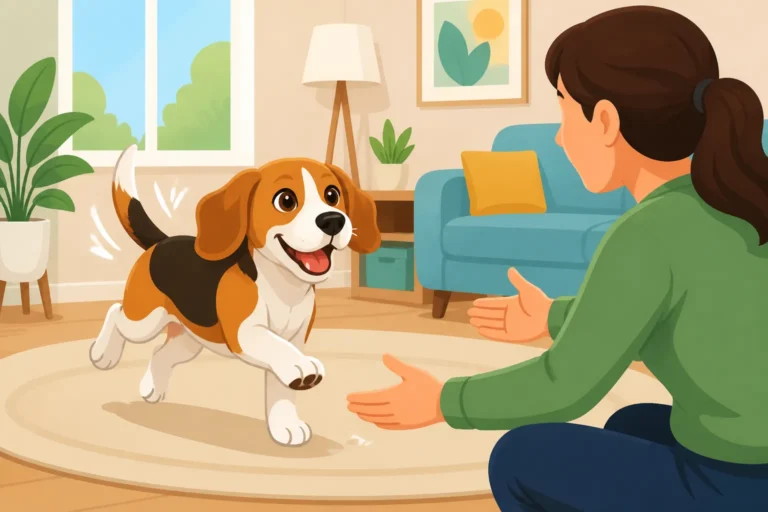
The howling might stop when they get home, but the effects of a stressful boarding stay can linger. When you pick up your Beagle, resist the urge to immediately jump into a huge, exciting welcome party. While joyous, this can sometimes overwhelm an already overstimulated dog. Instead, aim for a calm reunion.
Take them home, let them sniff around their familiar territory, and offer a quiet walk to decompress and use their nose in a comfortable environment. Don't be surprised if they're extra clingy, sleep more, or even seem a bit "off" for a day or two. This is normal post-boarding fatigue and adjustment. Offer plenty of quiet cuddle time, reinforce their normal routine, and let them settle back into the rhythm of home. Consider a long, leisurely sniff walk where they can process all the new scents and information they've gathered. Sometimes, it helps to review articles like Beagle Daycare and Whether It Actually Helps if you're considering alternatives for future stays or looking for ways to ease their social transitions.
Taking the time to understand your Beagle's needs, prepare them for new experiences, and partner with a thoughtful boarding facility can transform their stays from a howling nightmare into a more peaceful (and quieter!) experience for everyone involved.
Disclaimer
This article is for general informational purposes only and does not constitute professional advice. Laws, prices and regulations vary by location and change over time. Consult a qualified professional for guidance on your specific situation.