Whether Beagles Get Quieter as They Age
It’s a question many Beagle owners find themselves whispering as they navigate puppyhood or the boisterous adolescent years: Will my Beagle ever get quieter? We love their merry bay, their characteristic howl, and even their persistent barks, but let’s be honest, the sheer volume can be a lot. This guide aims to tackle that very common hope and frustration, delving into whether age truly brings a sense of calm and quiet to our beloved Beagles, and what you can realistically expect as they transition through different life stages.
Understanding the Beagle Voice: Why They're So Vocal to Begin With
Before we even consider if a Beagle gets quieter with age, we need to understand why they're so vocal in the first place. It’s not just a random trait; it’s deeply ingrained in their DNA, a hallmark of their breed purpose. These aren't dogs bred for quiet contemplation; they're hounds through and through, designed to communicate loudly and clearly.
The Ancestral Roots of the Bay
Imagine a pack of Beagles, decades or even centuries ago, hot on the trail of a rabbit or hare. They’re working as a team, noses to the ground, trying to pick up every subtle shift in scent. When one dog hits a particularly strong line, or sights their quarry, they don’t just nudge their buddy with an elbow. Oh no, they bay. This deep, resonant, almost operatic sound serves a crucial purpose: it tells the rest of the pack, and the hunters following on foot, exactly where they are and what they've found. It's a tracking signal, an excited announcement, and a way to coordinate the hunt. This instinct is still very much alive in your family pet today. It's a powerful, hardwired drive that manifests whenever they pick up an interesting scent, hear something new, or simply feel the urge to express themselves. You simply cannot train this out of a Beagle, as their very nature is to communicate what their incredible noses are finding. For a deeper dive, check out Beagle Howling, Baying and Barking Explained.
The Different Sounds Beagles Make
It’s easy to lump all Beagle vocalizations into one noisy category, but there's actually a rich tapestry of sounds they produce, each with its own meaning and intensity. Your Beagle isn't just "barking" all the time; they're communicating.
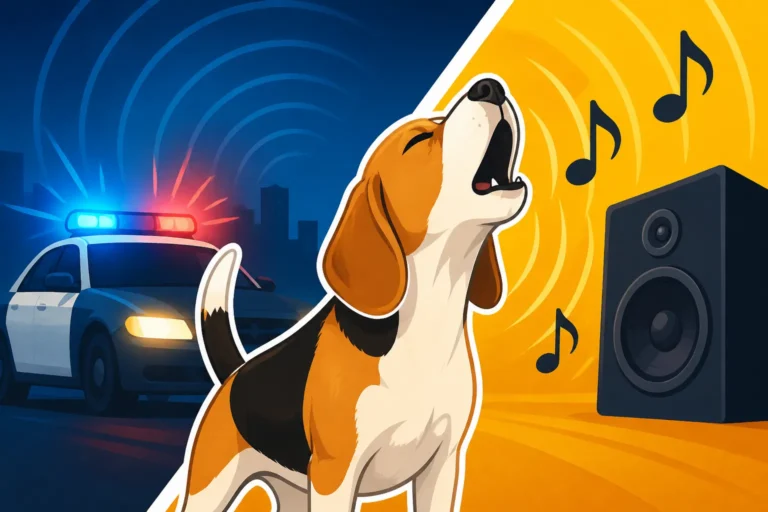
- The Bay: This is the quintessential Beagle sound, a long, drawn-out, mournful, yet often thrilling howl. It’s the sound of the hunt, the "I found it!" cry. When your Beagle bays, they're often responding to a strong scent outside, or perhaps to other distant sirens or howls. It's the most distinctive of their vocalizations, and one of the hardest to quiet, precisely because it's so fundamental to their breed. You might notice it when a squirrel crosses the yard or when they catch a whiff of a delicious dinner cooking.
- The Bark: Like most dogs, Beagles bark to get attention, warn of perceived threats, or express excitement. This can be sharp and rapid, especially when someone comes to the door, or a continuous "demand bark" when they want something from you. They might bark at a passing stranger, at the mail carrier, or simply because they're bored and looking for engagement.
- The Howl: Similar to a bay but often more sustained and less "hunting-focused," a howl can be a response to loneliness, the sound of other dogs, or simply a way to express strong emotions. Beagles can howl along with music, sirens, or even just because they're feeling particularly vocal.
- The Grumble/Whine: These softer sounds are usually closer-proximity communications. A grumble might be a sign of contentment during a belly rub, while a whine often signals a need: "I need to go out," "I'm hungry," or "I want that toy."
Understanding these different vocalizations can help you discern why your Beagle is making noise, which is the first step in managing it, regardless of their age. You might be surprised at the nuances in their communication once you start listening. Telling a Beagle Bark From a Bay From a Howl offers more insights into distinguishing these unique sounds.
Age and the Evolution of Vocalization
So, with all that natural vocal enthusiasm, does age really bring a change? The answer, like with many things canine, is nuanced. It’s not a simple switch that flips from "loud" to "quiet" at a certain birthday, but rather a gradual evolution influenced by health, experience, and sometimes, a little bit of slowdown.
Puppyhood Chatter and Adolescent Howls
Beagle puppies are, by and large, bundles of energy and noise. They yip, whine, and bark to communicate their needs, to play, and to explore their world. This early chatter is often adorable and easily managed. As they transition into adolescence, typically between 6 months and 2 years, things can get a bit more intense. This is often when their full "Beagle voice" really starts to emerge. The bays become more pronounced, the howls more frequent, and their confidence in expressing themselves grows. Adolescent Beagles are often testing boundaries, full of unchecked energy, and highly driven by their developing noses. This can lead to increased vocalization as they react to every new scent, sound, and sight. Many owners report that A Beagle Howl Measured in Decibels can be quite a shock during this stage! This period is when many owners feel their Beagle is at their noisiest peak. They're trying to figure out their place in the world, and often, that involves making a lot of noise.
Middle Age and Established Habits
As Beagles move into their adult years (roughly 2 to 7 years old), their vocal patterns tend to become more established. The frantic, sometimes chaotic, noise of adolescence often settles into more predictable patterns. This doesn't necessarily mean they get "quieter" overall, but their vocalizations might become more purposeful. For instance, instead of incessant barking at nothing, they might bark specifically at the mail carrier, or bay when a deer crosses the yard. Their habits are set, and if vocalization has been a regular part of their routine – whether it's barking for attention, baying at specific outdoor triggers, or howling when left alone – those behaviors will likely continue unless actively managed.
For some Beagles, a general mellowing that comes with maturity might lead to a slight decrease in unnecessary noise. They might not react to every single leaf blowing by, or demand attention quite as relentlessly. However, the core instinct to use their voice will remain. If a Beagle has learned that barking gets them what they want, or if they are prone to separation anxiety, those behaviors won't simply vanish with age; they've become ingrained habits.
Factors Influencing a Senior Beagle's Noise Levels
When a Beagle enters their senior years – typically around age 8 to 10 and beyond – you might see another shift in their vocal behavior. This phase is less about an inherent "quieting" of the breed, and more about how age-related changes impact their physical and mental state. Sometimes, this results in a calmer, quieter dog, but often, it can manifest in new or increased vocalizations.
Health Changes and Discomfort
One of the primary reasons a senior Beagle might become more vocal, rather than less, is due to underlying health issues. As our Beagles age, they become more susceptible to a range of ailments that can cause discomfort, pain, or distress, all of which can lead to increased vocalization.
- Pain and Arthritis: Aches and pains from arthritis or other joint issues can make movement difficult and uncomfortable. A senior Beagle might whine or whimper when trying to get up, lie down, or navigate stairs. They might also vocalize more if touched in a sensitive spot. Regular vet check-ups become even more crucial in these years to catch and manage such pain.
- Dental Disease: Chronic dental issues can be incredibly painful. If your senior Beagle is experiencing toothaches, gum inflammation, or abscesses, they might express their discomfort through whining, grumbling, or even a sudden yelp when eating or yawning.
- Vision or Hearing Loss: Losing sight or hearing can be disorienting and frightening for a dog. A Beagle with declining vision might bark or howl more if they're startled, or if they can't easily find you or navigate their familiar environment. Similarly, a deaf Beagle might bark louder or more frequently because they can't hear their own voice, or they might vocalize out of frustration or confusion. Senior Beagle Vision and Hearing Loss explores these changes further.
- Internal Organ Issues: Conditions like kidney disease, heart problems, or even cancer can cause general malaise, nausea, or internal pain, all of which can be expressed through increased vocalizations, restlessness, or altered behavior.
It's vital to consider that any sudden increase in vocalization in a senior Beagle warrants a visit to the veterinarian to rule out medical causes. Don't just assume it's "old age"; it could be a call for help.
Cognitive Decline and Anxiety
Just like humans, dogs can experience cognitive decline as they age, sometimes referred to as Canine Cognitive Dysfunction (CCD). This can dramatically impact their behavior, including vocalization.
- Disorientation: Senior Beagles with CCD might become disoriented, especially at night. They might wander aimlessly, get "stuck" in corners, or simply seem confused about where they are. This disorientation often leads to increased howling, whining, or barking, sometimes referred to as "sundowning," as they feel lost and anxious. Beagle Cognitive Decline in a Senior Beagle provides more detail on these symptoms.
- Increased Anxiety: As their senses diminish and their environment seems less predictable, senior Beagles can become more anxious. They might develop separation anxiety even if they never had it before, leading to excessive howling or barking when left alone. Changes in routine, new people, or even subtle shifts in the home environment can trigger anxiety and, subsequently, vocalizations. This is a common issue, and addressing The Howling That Means Beagle Separation Anxiety might involve different strategies for older dogs.
- Altered Sleep-Wake Cycles: CCD can disrupt a dog’s internal clock, leading to wakefulness and vocalization at night, disturbing not just their rest but yours too.
For dogs experiencing cognitive decline, creating a consistent routine, providing a calm environment, and discussing medication options with your vet can be helpful in managing these symptoms. Brands like BAXTER & Bella, while focused on puppy training, offer resources on positive reinforcement that can be adapted for older dogs needing reassurance and structure.
Environmental Shifts and Routine
Even without specific health or cognitive issues, a senior Beagle can react to changes in their environment or routine with increased vocalization. They thrive on predictability, and as they age, their tolerance for change can decrease.
- Changes in Household: A new pet, a new baby, a family member moving in or out, or even rearranging furniture can be unsettling for an older Beagle. They might express their unease through more barking or whining.
- Reduced Exercise or Mental Stimulation: While senior Beagles might not need the same intense physical exercise as their younger counterparts, they still need mental engagement. If their walks become shorter, or their puzzle toys are put away, boredom or frustration can lead to vocalization. Even short, gentle Sniffing Walks and Why They Tire a Beagle Out can be incredibly enriching.
- Attention-Seeking: If a senior Beagle realizes that vocalizing brings them attention – whether it's being picked up, talked to, or given a treat – they will likely continue the behavior. It’s a learned response that often becomes more ingrained with age if inadvertently rewarded.
Establishing a consistent, predictable routine with plenty of appropriate mental stimulation and comfortable, safe spaces can go a long way in keeping a senior Beagle content and, by extension, less likely to vocalize excessively out of confusion or boredom.
Strategies for Managing Vocalization at Any Age
Whether your Beagle is a boisterous pup, a vocal adolescent, or a chatty senior, managing their vocalizations is an ongoing process. There's no magic bullet that will silence a Beagle entirely – nor would you want to, as their voice is part of their charm! However, there are many proactive steps you can take to foster a calmer, quieter home.
Addressing Underlying Causes First
Before you even think about "training" a senior Beagle to be quieter, it is absolutely essential to rule out medical or cognitive issues. As discussed, pain, discomfort, vision or hearing loss, and cognitive decline are huge drivers of increased vocalization in older dogs.
- Vet Check-Up: Schedule a comprehensive veterinary examination. Be thorough in describing all new or increased vocalizations, noting when they occur, how long they last, and what, if anything, seems to trigger them. Your vet can check for conditions like arthritis, dental pain, ear infections (especially common in Beagles with their long, droopy ears), or other systemic illnesses. They can also assess for signs of Canine Cognitive Dysfunction and discuss potential treatments or supplements. Beagle Vet Visit Frequency After the Age of Ten is critical for this age group.
- Pain Management: If pain is identified, working with your vet on a pain management plan is paramount. This might involve anti-inflammatory medications, joint supplements, or physical therapy. Alleviating physical discomfort can dramatically reduce distress-related vocalization.
- Sensory Aids: For Beagles with vision or hearing loss, adapt your home environment. Use consistent verbal cues and hand signals for those with hearing loss, and ensure clear pathways and consistent furniture placement for those with vision impairment. Nightlights can help a disoriented senior Beagle.
- Cognitive Support: If CCD is diagnosed, your vet might suggest dietary changes, supplements (like omega-3 fatty acids or antioxidants), or medications to help manage symptoms and improve brain health. A predictable routine and gentle mental stimulation are also key.
Never assume a change in vocalization is "just old age." It's often a sign that something is amiss, and addressing the root cause is the kindest and most effective approach.
Training and Enrichment Tailored for Seniors
Even senior Beagles can learn new tricks, or, more accurately, reinforce good habits and benefit from appropriate mental and physical enrichment. The key is tailoring your approach to their age and abilities.
- Maintain Routine and Predictability: Beagles thrive on routine. For senior dogs, this is even more crucial. Predictable meal times, walk times, and potty breaks reduce anxiety and the need to vocalize out of uncertainty.
- Gentle, Consistent Training: While high-energy training might be out, gentle, positive reinforcement methods are always in. If your Beagle is barking for attention, teach them an alternative, quieter behavior like sitting patiently. Reward calm, quiet behavior generously. Even if they are slower to learn, consistency pays off. You can find excellent quality training treats on Amazon that are small and low calorie, perfect for repeated rewards.
- Appropriate Exercise: While an older Beagle won't need to run for miles, they still need physical activity. Short, frequent walks, especially Sniffing Walks and Why They Tire a Beagle Out, are fantastic. Letting them sniff to their heart's content is immensely satisfying and mentally fatiguing, often leading to a quieter, more relaxed dog at home.
- Mental Stimulation: Don't let their minds idle! Puzzle toys, snuffle mats, and scent games are excellent for senior Beagles. They can engage their powerful noses and brains without putting strain on their aging bodies. You can hide treats around the house for them to sniff out, which mimics their natural hunting instincts in a safe, controlled way. BAXTER & Bella offers wonderful tips and resources for engaging your dog's mind, and many of their principles can be modified for senior dogs.
- Manage Triggers: Identify what sets off your Beagle's vocalizations. Is it the doorbell? People walking by the window? Other dogs?
- Doorbell: Desensitize them by having someone ring the bell while you calmly reward your Beagle for not barking.
- Window Watching: Limit their view by closing curtains or using window film.
- External Sounds: Use white noise machines or calm music to mask triggering sounds.
- Managing the Triggers That Set a Beagle Off is a lifelong skill for Beagle owners.
- Consider a Companion (Carefully): While a second dog can sometimes alleviate separation anxiety in younger Beagles, introducing a new puppy or even an adult dog to a senior Beagle can be incredibly stressful and counterproductive. If you're considering this, consult with a professional behaviorist first.
- Provide a Safe Den: A comfortable crate or a designated quiet space where your senior Beagle can retreat without disturbance can be incredibly beneficial. This is their safe haven from household commotion, reducing stress and the need to vocalize. Ensure it's easily accessible and inviting.
Remember, a Beagle's voice is part of their identity. While some may naturally mellow with age and require less active management, others might become more vocal due to age-related changes. The goal isn't silence, but rather understanding, managing, and creating an environment where your Beagle feels secure and doesn’t feel the overwhelming need to use their voice excessively.
Disclaimer
This article is for general informational purposes only and does not constitute professional advice. Laws, prices and regulations vary by location and change over time. Consult a qualified professional for guidance on your specific situation.