Measuring Beagle Food Instead of Free Feeding
Oh, the joy (and sometimes, the absolute headache!) of feeding a Beagle. If you're a Beagle parent, you know the struggle: that perpetually empty-looking bowl, those pleading eyes, the way they act like they haven't eaten in a week, even if you just refilled their dish five minutes ago. It's a tale as old as time, and it often leads well-meaning owners down the path of "free feeding," leaving food out all day. But this seemingly convenient method can pave the way for a whole host of health issues. This guide is here to walk you through why measured feeding is not just a recommendation, but a crucial step for your Beagle's long-term health and happiness, helping you confidently manage their meals and keep that adorable hound in prime condition.
The Perils of Free Feeding a Beagle (And Why It's So Tempting!)
Let's be honest, it's easy to fall into the trap of free feeding. Life gets busy, and the idea of just topping up a bowl once a day and letting your furry friend graze seems perfectly sensible, especially when they look at you with those deep, soulful eyes. You might think, "They'll eat when they're hungry, right?" With most breeds, perhaps. But a Beagle isn't most breeds. Their unique history and powerful drives make free feeding a recipe for disaster.
Why Beagles Are Naturally Food-Obsessed
To understand why free feeding is such an issue for Beagles, we need to go back to their roots. Beagles were bred for hunting in packs, and in a pack, competition for food is fierce. They learned to eat quickly and opportunistically, never knowing when their next meal might come. This isn't just a learned behavior; it's hardwired into their DNA. Their incredible sense of smell, with all those millions of scent receptors, isn't just for tracking rabbits; it's also for finding any crumb, any dropped morsel, anywhere in their environment.
This means your Beagle isn't being "naughty" when they're relentlessly searching for food or acting ravenous; they're simply following instincts that have been honed over centuries. Their brains are wired to prioritize food acquisition, making them incredibly driven by hunger cues, even when their nutritional needs have been met. It's a charming trait when they're focused on a puzzle toy, but a challenging one when it comes to regulating their own food intake from a constantly available bowl.
The Hidden Dangers of Constant Access to Food
When a Beagle has unlimited access to food, the consequences are almost inevitable and often severe. The most immediate and common danger is obesity. Unlike many breeds that might self-regulate, a Beagle often sees an endless bowl as an endless opportunity to eat. Those extra pounds aren't just cosmetic; they bring with them a cascade of serious health problems. Think about the strain on their joints, especially their hips and knees, which can accelerate conditions like arthritis or exacerbate existing issues like Beagle Hip Dysplasia and Everyday Joint Wear.
Beyond joint problems, obesity significantly increases the risk of other debilitating conditions. We're talking about Beagle Diabetes and Blood Sugar Control, heart disease, breathing difficulties, and even certain types of cancer. An overweight Beagle has less stamina for walks, is less agile, and simply can't enjoy life to its fullest. It's a sad reality that those extra treats and free-fed meals can genuinely shorten a Beagle's active lifespan and lead to a lower quality of life.
The "But They're Always Hungry!" Myth
This is perhaps the biggest hurdle for many Beagle owners: the unwavering belief that their dog is constantly starving. Your Beagle might whine by the food bowl, stare intently while you eat, or even try to counter-surf for anything edible. These behaviors are powerful motivators for us, as humans, to "feed the poor hungry dog." However, it's crucial to understand that these aren't always true signs of hunger in a physiological sense.
Often, what you're seeing is a combination of instinct, learned behavior, and pure opportunism. They've learned that acting hungry often gets them food. They also truly enjoy eating, and the sensation of food is highly rewarding for them. It's similar to how many humans might want to eat a delicious dessert even after a filling meal. Their brains are hardwired for that food drive, and it overrides the body's actual satiety signals. Recognizing this distinction is the first step in breaking the free-feeding cycle and implementing a healthier, measured approach.
Understanding Your Beagle's Unique Nutritional Needs
Once you've accepted that free feeding is not the way to go, the next step is to understand what your individual Beagle actually needs. This isn't a one-size-fits-all equation, as various factors play into the right daily caloric intake. Getting this right is foundational to preventing obesity and ensuring a long, healthy life for your sniffing companion.
Calculating Daily Calories for a Healthy Beagle
Determining the exact number of calories your Beagle needs each day can feel a bit like a science experiment, but it's vital. A good starting point is often found on the back of your dog food bag, but these are general guidelines and need to be adjusted. Key factors include your Beagle's age, activity level, and whether they are spayed or neutered. Puppies, for example, require more calories for growth than an adult, while senior Beagles, whose metabolism slows down, often need fewer. A very active Beagle, who spends hours on scent walks or participating in Beagle Agility and the Impact on Joints, will naturally burn more calories than a couch potato.
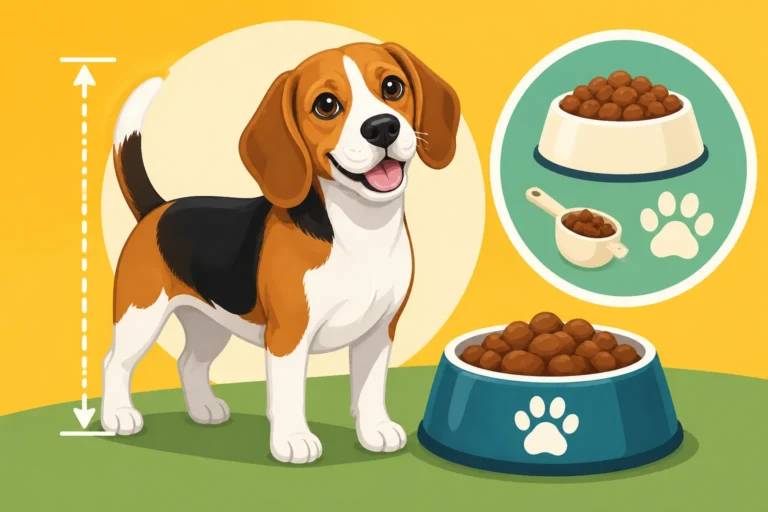
Don't forget the two distinct Beagle varieties. The 13-inch variety is typically smaller and will need fewer calories than the 15-inch variety. A 20-pound 13-inch Beagle will have a different The Daily Calorie Target for a Twenty Pound Beagle than a 30-pound 15-inch Beagle. Spayed or neutered dogs also have a lower metabolic rate, meaning they need fewer calories to maintain weight than intact dogs. Always consult your vet to help fine-tune these numbers, especially if your Beagle has specific health concerns.
Choosing the Right Food: Quality Over Quantity
While calorie counting is important, the quality of those calories matters just as much. Not all dog foods are created equal, and choosing the right one can make a significant difference in your Beagle's health. Look for foods where a named meat source (like "chicken" or "beef") is the first ingredient, not a generic "meat meal" or a grain. Avoid foods with excessive fillers, artificial colors, or vague "by-products." Think of it as fueling a finely tuned scent-detection machine; you want premium fuel.
There's a wide range of options out there, from traditional kibble to wet food, and even fresh food subscriptions like Ollie that deliver pre-portioned, human-grade meals. Each has its pros and cons regarding convenience, cost, and nutrient density. If your Beagle has sensitivities or you're considering a specialized diet like a "grain-free" option, it's always best to discuss it with your veterinarian. They can help you navigate the choices and ensure you're providing a balanced diet that meets all their nutritional requirements.
The Importance of Body Condition Scoring
Numbers on a scale only tell part of the story. You might have the perfect Beagle Weight Management Across the Two Size Varieties on paper, but how does your Beagle actually look and feel? That's where body condition scoring comes in. This is a visual and tactile assessment of your dog's physique, evaluating their fat stores over specific areas of the body. It's a far more accurate way to determine if your Beagle is at a healthy weight than just looking at the number on the vet's scale.
Here's a quick guide:
- Ideal: You should be able to easily feel your Beagle's ribs without pressing hard, but they shouldn't be visible. When viewed from above, your Beagle should have a noticeable waist behind their ribs. From the side, their abdomen should tuck up, not sag down.
- Underweight: Ribs, spine, and hip bones are easily visible and palpable with no fat covering.
- Overweight: It's difficult to feel the ribs under a layer of fat. The waist is absent, and the abdomen may sag. There might be a broad, flat back and fat deposits over the tail base.
Regularly checking your Beagle's body condition allows you to catch weight changes early and adjust their food intake before a problem becomes serious. It’s a simple, free tool that every Beagle owner should use weekly.
The Art of Measured Feeding: A Step-by-Step Guide
Transitioning from free feeding to measured feeding might seem daunting, especially with a food-driven Beagle. But with consistency and the right tools, it becomes a smooth, routine part of your day, one that brings significant benefits to your dog's health and your peace of mind.
Precision is Key: Using a Kitchen Scale, Not a Scoop
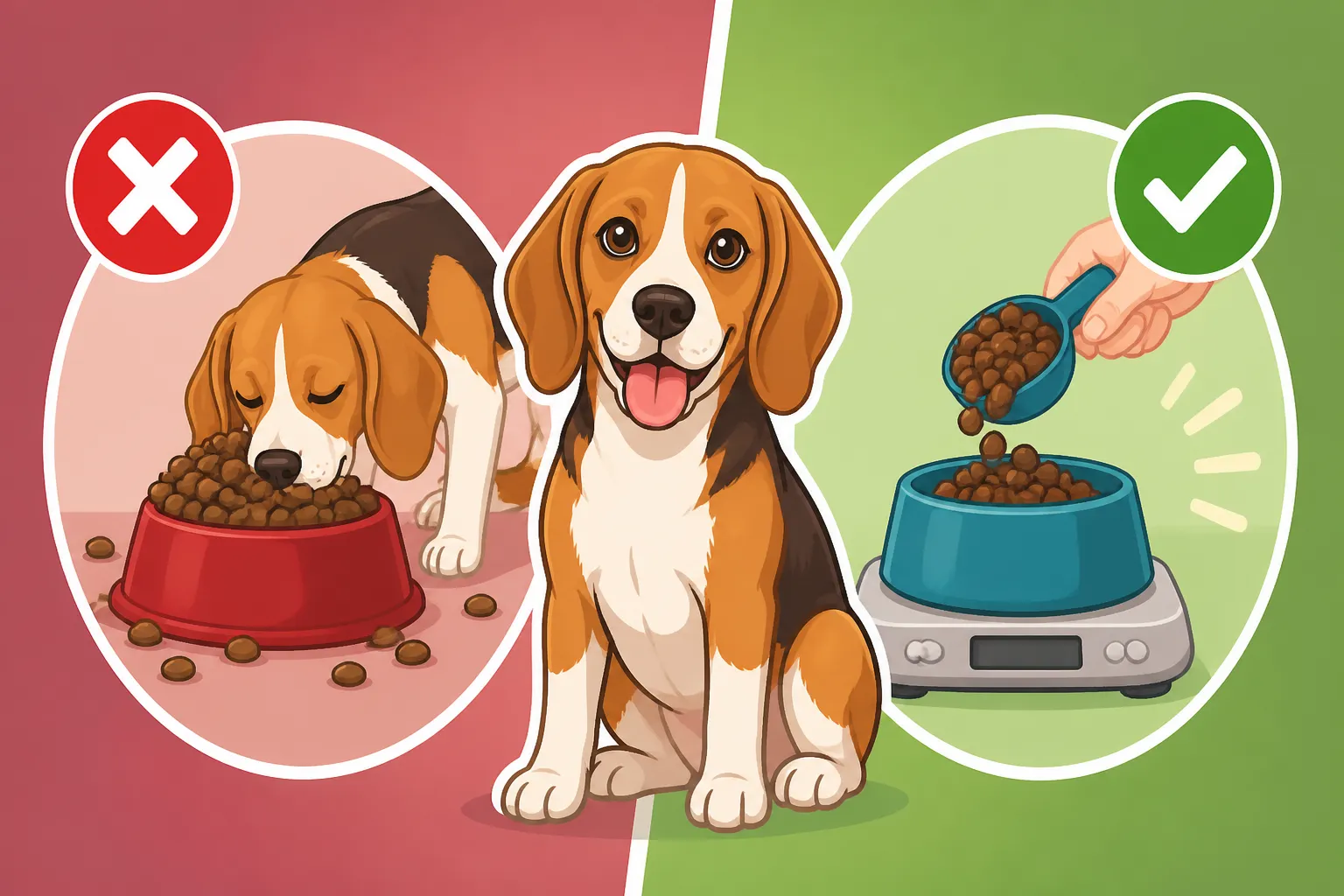
This is perhaps the most critical shift in mindset for successful measured feeding. Many dog food bags provide guidelines in "cups," and many owners use standard kitchen measuring cups or the scoop that came with the food. The problem? Scoops and cups are notoriously inaccurate for dry kibble, which can vary wildly in density from one brand to another, and even from one bag to the next. A "cup" of kibble can mean anything from 3.0 ounces to 4.5 ounces by weight, which over a day, week, or month, can lead to significant overfeeding.
The solution is simple: invest in a digital kitchen scale. These are readily available on platforms like Amazon or Chewy and are relatively inexpensive. Weighing your Beagle's food in grams or ounces ensures absolute precision. For example, if your vet recommends 100 grams of food per day, you know that's exactly what your Beagle is getting, every single time. This consistency is paramount for managing their weight, especially for a breed so prone to Beagle Obesity Treated as a Health Problem. It takes a few extra seconds, but the accuracy is invaluable for your Beagle's health.
Establishing a Consistent Feeding Schedule
Beagles thrive on routine. A consistent feeding schedule not only helps regulate their metabolism but also provides structure, which can reduce anxiety and improve behavior. Instead of food being a constant, unexciting presence, it becomes a highly anticipated, rewarding event. Most adult Beagles do well with two meals a day, roughly 12 hours apart – for instance, once in the morning and once in the evening.
This structured approach allows their digestive system to work efficiently and gives you clear times to monitor their appetite and stool quality. It also helps manage begging behaviors, as your Beagle learns that food arrives at predictable times, rather than whenever they ask for it. For puppies, you might start with three or four smaller meals, gradually reducing to two as they mature, following advice you'd find in guides like Beagle Puppy Meal Frequency Month by Month. This routine is a cornerstone of good digestive health and behavioral stability.
Incorporating Treats and Training Rewards Wisely
Let's face it, treats are a huge part of our bond with our Beagles. They're indispensable for training, especially for a breed like the Beagle known for its strong scent drive and occasional "selective hearing." But those little rewards add up quickly, and if not accounted for, can easily derail your carefully measured feeding plan. Many owners wonder how to keep their Beagle lean while training with treats, and the answer is careful budgeting.
All treats, chews, and food used for training sessions must be factored into your Beagle's daily caloric allowance. If your Beagle gets 200 calories from their meals, and you give 50 calories worth of treats during the day, you need to reduce their meal portions accordingly. Opt for small, low-calorie Treats Small Enough for a Hundred Beagle Repetitions for training. You can also use a portion of their daily kibble allowance as training rewards. This way, you're not adding extra calories, just redistributing them. This strategy ensures you can still enjoy rewarding your Beagle without contributing to unwanted weight gain.
Overcoming Common Challenges with Measured Feeding
Even with the best intentions, implementing measured feeding for a Beagle can present a few hurdles. Their innate drive for food means they're experts at testing your resolve. But with a bit of strategy and understanding, you can navigate these challenges successfully.
The Beagle Begging Brigade: Managing Mealtimes
Ah, the Beagle Begging Brigade! Those intense stares, the mournful sighs, the pawing, the attempts to "accidentally" trip you as you walk past the kitchen counter – it's all part of the Beagle charm, and it's designed to melt your heart and loosen your purse strings (or rather, your kibble bag). Managing this behavior during and between mealtimes is crucial.
First and foremost, consistency is key. Do not give in to begging. Ever. Even one slip teaches your Beagle that persistence pays off. Establish clear boundaries around human meal times. This might mean crating your Beagle with a long-lasting chew, sending them to their bed, or using a baby gate to keep them out of the kitchen. Teach a "place" command, rewarding them for settling away from the table. It takes time and patience, but your Beagle will eventually learn that begging yields no results, while calm behavior does. This approach also helps curb issues like Beagle Counter Surfing and Trash Raiding.
Slowing Down a Speedy Eater
Most Beagles don't just eat; they inhale their food. This rapid consumption isn't just rude; it can lead to digestive upset, gas, and even a dangerous condition called bloat (though less common in Beagles than deep-chested breeds, it's still a risk). For a Beagle that swallows its food whole, slowing down mealtime is essential.
This is where various tools come into play. Slow feeder bowls, available at pet supply stores like Chewy or on Amazon, have ridges and mazes that force your Beagle to work around obstacles to get each piece of kibble. Puzzle feeders, snuffle mats, and food-dispensing toys can also turn mealtime into a mental and physical game, extending the eating process significantly. You can even scatter their measured meal across a clean floor or yard, allowing them to use their incredible nose to "hunt" for their dinner, providing valuable mental enrichment at the same time. This turns eating into an activity, rather than a race.
Adjusting for Life Stages and Health Conditions
A Beagle's nutritional needs aren't static; they evolve throughout their life. What works for a boisterous puppy won't be appropriate for a sedate senior, and certain health conditions can drastically alter dietary requirements. Understanding these changes is a vital part of responsible measured feeding.
As puppies, Beagles need nutrient-dense food to support their rapid growth and high energy levels. As they transition into adolescence and adulthood, their caloric needs may decrease, requiring adjustments to their portion sizes to prevent them from becoming overweight. When they reach their senior years, typically around age 7-10, their metabolism slows even further, and they may become less active. Senior Beagle Care After the Age of Ten often involves a diet formulated for older dogs, which might have fewer calories and added joint support.
Beyond age, specific health conditions demand careful dietary management. A Beagle diagnosed with Beagle Hypothyroidism and the Weight It Puts On might need fewer calories or a specific diet to aid weight management once medication stabilizes their thyroid. Beagles prone to Beagle Skin Allergies and Constant Itching might benefit from novel protein or limited ingredient diets to identify and avoid allergens. Always work closely with your veterinarian to tailor your Beagle's diet to their specific stage of life and any health concerns they may have.
Long-Term Benefits of a Controlled Diet
While the immediate challenges of managing a Beagle's insatiable appetite can feel overwhelming, the long-term rewards of a carefully measured, controlled diet are profound. It's an investment in your Beagle's future, leading to a happier, healthier, and potentially longer life together.
A Healthier, Happier Beagle
When your Beagle is at a healthy weight, every aspect of their life improves. Think about the physical freedom: they can run, jump, and play with greater ease, without the extra strain on their joints and organs. Their energy levels will be more balanced, leading to less lethargy and more enthusiastic engagement in daily activities like walks or playtime in the yard. A lean Beagle is a more agile, spry Beagle, ready for adventure.
Beyond the physical, a controlled diet can lead to a happier Beagle overall. Proper nutrition supports cognitive function, keeping their minds sharper as they age. Reducing chronic hunger pangs through a consistent feeding schedule can also decrease anxiety around food, making them feel more secure and less stressed. You'll notice a difference in their coat quality, their bright eyes, and their general zest for life. It's about providing them with the best possible foundation for well-being.
Preventing Costly Health Problems Down the Line
Let's talk about the practical side: your wallet. While quality dog food and a kitchen scale are an initial investment, they pale in comparison to the potential veterinary bills associated with obesity-related illnesses. Treating conditions like diabetes, severe arthritis, or heart disease can be incredibly expensive, often requiring ongoing medication, specialized diets, and frequent vet visits. The Lifetime Bill for a Beagle That Reaches Fifteen can quickly escalate when preventable conditions arise.
By maintaining your Beagle at an ideal weight through measured feeding, you are actively preventing many of these costly health issues. You're reducing the likelihood of needing expensive medications or surgeries down the line. It's true that some health issues, like Beagle Epilepsy and Seizures From Six Months On, are genetic and unavoidable, but you can certainly mitigate those that are diet-related. This proactive approach isn't just good for your Beagle; it's also financially responsible in the long run.
Strengthening Your Bond Through Structure
Controlled, measured feeding isn't just about calories and weight; it's about building a stronger, more trusting relationship with your Beagle. By establishing clear routines and boundaries around food, you become the consistent provider, the reliable source of their sustenance. This predictability can reduce food-related anxiety and competition, especially in multi-dog households.
When mealtime becomes a structured event, it also offers opportunities for training and positive reinforcement. Your Beagle learns to sit patiently for their bowl, to wait for a release cue, and to understand that you control the valuable resources. This reinforcement of good manners and impulse control strengthens your leadership role and their understanding of household rules. It fosters a sense of calm and respect, replacing frantic begging with polite anticipation. Ultimately, a well-fed, healthy Beagle is a happy Beagle, and that translates directly into a more joyful and fulfilling companionship for both of you.
| Feature | Free Feeding | Measured Feeding |
|---|---|---|
| Food Availability | Constant access, bowl always full | Specific portions at scheduled times |
| Weight Control | High risk of obesity, difficult to manage | Easy to control weight, prevents overeating |
| Health Risks | Increased risk of diabetes, joint issues, heart disease | Reduced risk of obesity-related illnesses |
| Digestive Health | Can lead to gulping, gas, inconsistent digestion | Promotes regular digestion, reduces upset stomach |
| Behavior | Can encourage begging, resource guarding, counter-surfing | Establishes routine, reduces food anxiety, aids training |
| Monitoring | Hard to track appetite changes or food refusal | Easy to notice changes in appetite or eating habits |
| Accuracy | Very inaccurate using scoops | Highly accurate using a kitchen scale |
| Mental Enrichment | Low, food is always there | High, especially with puzzle feeders or scatter feeding |
Disclaimer
This article is for general informational purposes only and does not constitute professional advice. Laws, prices and regulations vary by location and change over time. Consult a qualified professional for guidance on your specific situation.