Beagle Recall Falling Apart in Adolescence
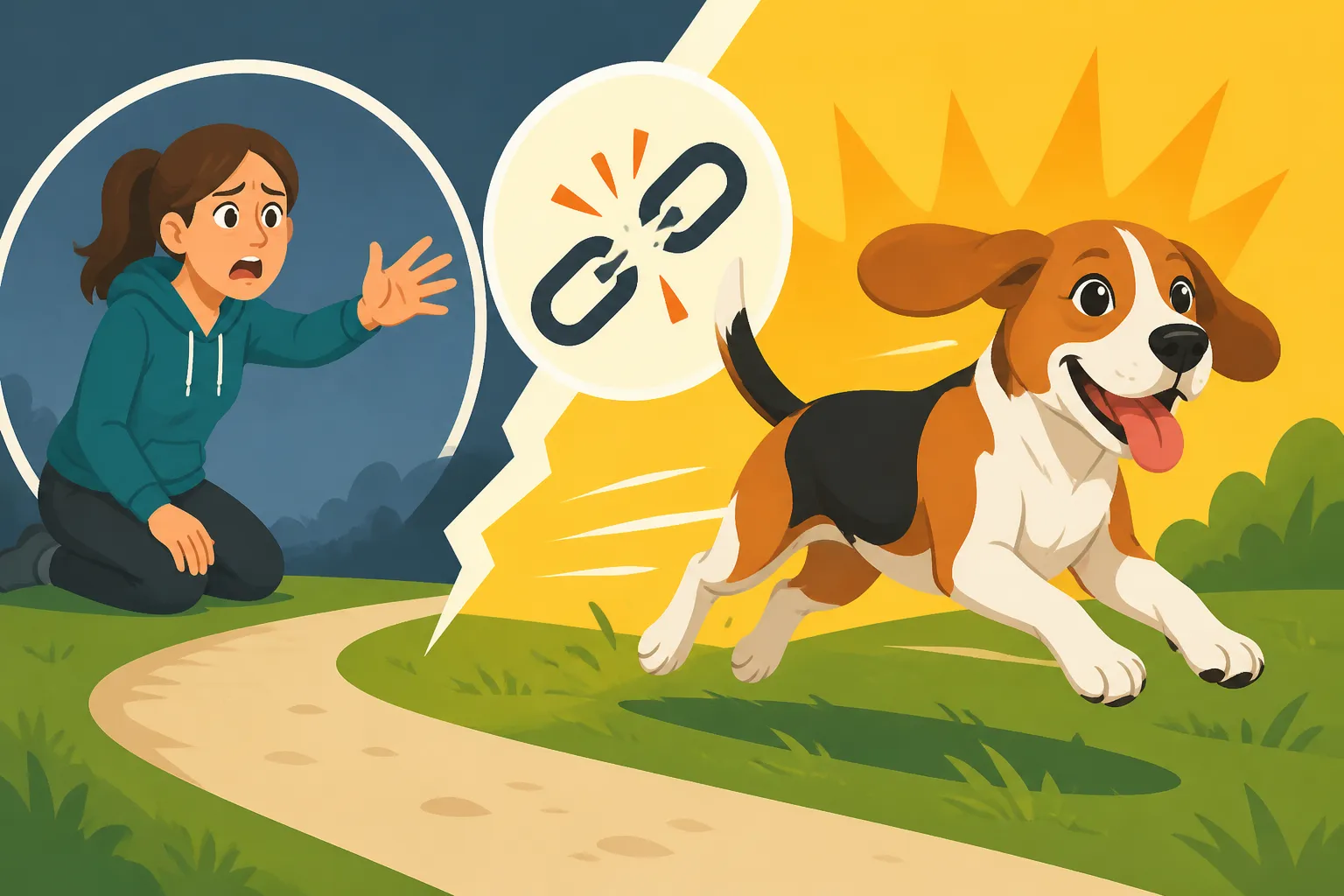
It’s a tale as old as time for many Beagle parents: your sweet, eager puppy used to come bounding back to you with lightning speed, tail wagging, the moment you called. Then, adolescence hit. Suddenly, your calls seem to vanish into thin air, ignored in favor of a captivating scent, a fluttering leaf, or the distant silhouette of a squirrel. This frustrating shift, where reliable puppy recall seemingly falls apart in adolescence, isn't just annoying; it’s genuinely worrying, raising fears about escapes and safety. This guide will walk you through why this frustrating phase happens and, more importantly, how to systematically rebuild a strong, reliable recall that can stand up to the temptations of the world.
The Adolescent Beagle Brain and Its Nose
That adorable, cuddly Beagle puppy transforms into a curious, independent, and sometimes deaf-to-your-calls adolescent. It’s a natural, albeit challenging, developmental stage. Understanding what's happening inside their busy Beagle brains, especially concerning their incredible noses, is the first step to overcoming recall woes.
Why Puppy Recall Isn't Always Permanent
When your Beagle was a tiny pup, you were often the center of their universe. They looked to you for food, comfort, and safety. Their world was smaller, less overwhelming, and their instinct to stick close to their primary caregiver was strong. That early puppy recall often feels so natural and effortless because, quite frankly, you’re the most interesting thing around, and the world hasn't yet opened up with its myriad of exciting distractions. Their focus is singular.
However, as Beagles mature into adolescence, roughly between six months and two years of age, a significant shift occurs. Their hormones are surging, driving them to explore, find mates (even if they're spayed/neutered, the instinctual drives are still present), and assert more independence. Their world expands exponentially, and suddenly, you're not always the most fascinating game in town. The world outside, with its intricate tapestry of smells, sights, and sounds, becomes incredibly compelling. This developmental phase naturally encourages them to venture further, test boundaries, and prioritize novel experiences over immediate human directives. It’s not a personal affront; it’s just how Beagles are wired during this period of growth. You might have had a brilliant Beagle Puppy Recall Before Adolescence Hits, but now it's a whole new ballgame.
The Allure of Scent Trails and Distractions
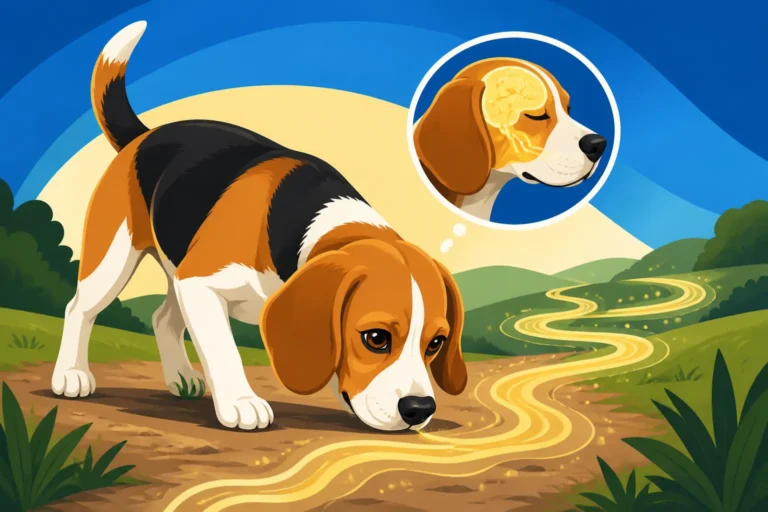
A Beagle's nose is legendary for a reason. With The 220 Million Receptors Behind a Beagle's Nose, their olfactory world is vastly richer and more detailed than anything we can comprehend. For an adolescent Beagle, every walk is a symphony of scents, each telling a story, each a potential adventure. A fresh rabbit trail across the park, the faint odor of a forgotten sandwich wrapper under a bench, the lingering scent of another dog that passed by hours ago – these are not minor distractions; they are irresistible invitations.
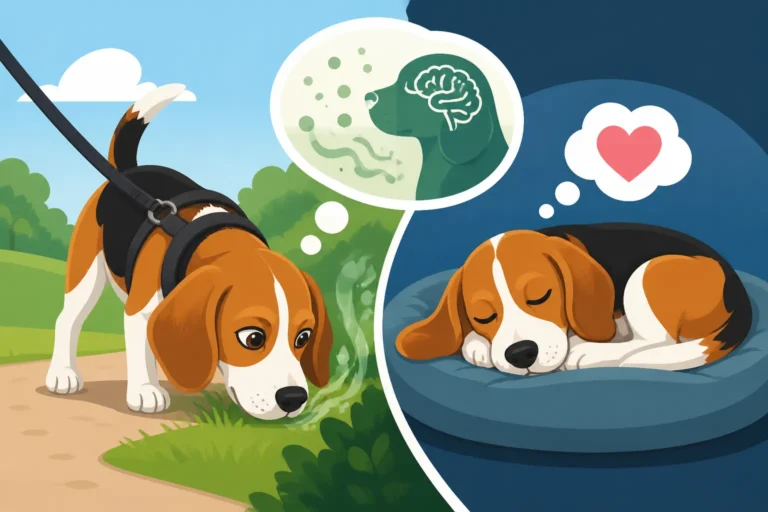
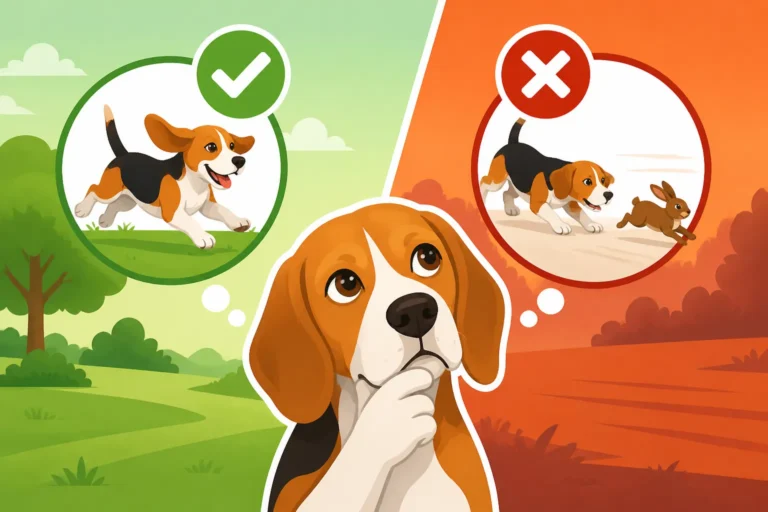
Imagine trying to focus on a conversation when a captivating movie is playing loudly right beside you, and your favorite meal is being cooked. That's a bit like what happens in a Beagle's head when they hit a scent trail. Their brain is literally built to prioritize these olfactory inputs. When they are hot on a trail, the part of their brain dedicated to scent work takes over, and other stimuli, like your voice, simply fade into the background. It's not that they don't hear you; it's that the scent is so utterly compelling, so intrinsically rewarding, that your call registers as background noise, if it registers at all. This is often Why a Beagle Ignores You Halfway Down a Trail. They are truly immersed in What Happens in a Beagle's Head on a Scent, and breaking that trance can be incredibly difficult.
Testing Boundaries and Independence
Adolescence in any species, including dogs, is a time for testing limits. Your Beagle is learning how the world works, how far they can push, and what the consequences (or lack thereof) are for their actions. If they’ve successfully ignored your call a few times and gotten away with a thrilling five-minute sniffari across the field, they’ve learned a powerful lesson: ignoring you can be incredibly rewarding. This isn't malicious; it's simply learning.
They discover that venturing further out, chasing that squirrel, or investigating that patch of interesting grass offers a novel experience that might seem more immediately gratifying than coming back to you. Each time they successfully prioritize a distraction over your recall, that behavior is reinforced. This makes it harder the next time to get their attention, creating a vicious cycle where their independence grows, and your influence wanes. This phase, often characterized as Beagle Adolescence and Sudden Selective Hearing, can be incredibly frustrating for owners who thought they had recall nailed down.
Strategies for Rebuilding Reliable Recall
The good news is that adolescent recall can be rebuilt and strengthened. It requires patience, consistency, and a deep understanding of what motivates your Beagle. It’s about making coming back to you the absolute best choice they can make, every single time.
Going Back to Basics: Controlled Environments
When recall starts to falter, the best strategy is to rewind. Take a deep breath and pretend your Beagle is a puppy again when it comes to recall training. This means practicing in environments where distractions are minimal and success is guaranteed. Start indoors, in a quiet room, or a securely fenced yard with no tempting wildlife or passing pedestrians. The goal here is to establish a strong, positive association with the recall cue before you add back in the real-world challenges.
Use a long line – a twenty or thirty-foot leash is perfect – even in the yard. This allows your Beagle to explore a bit, but you still have a safety net to gently guide them back if they get distracted. Never let them practice failing recall. Every time you call, they must come back, even if you have to reel them in. Practice in short, frequent bursts, making it a fun game rather than a command. When they are a few feet away, call them enthusiastically, and when they turn towards you, back up a few steps to encourage them to follow, then reward them lavishly when they reach you. This helps build distance and maintains the fun.
Making Recall the Most Rewarding Choice
This is where the rubber meets the road. For a Beagle, coming back to you has to be more rewarding than that enticing scent or potential chase. This means using high-value rewards – the kind they go absolutely bonkers for. Dry kibble might have worked for a puppy, but an adolescent Beagle often needs something far more enticing. Think tiny pieces of cooked chicken, cheese, hot dogs, or a smear of peanut butter on a spoon. Rotate your rewards to keep them exciting and unpredictable.
When your Beagle comes back, make a huge fuss! Praise them like they've just won Best in Show, dole out multiple high-value treats, and maybe even engage in a quick game of tug or fetch. The moment they arrive, they should feel like they've hit the jackpot. Crucially, avoid scolding them if they took a moment to respond. If you punish them for a slow recall, you teach them that coming back to you is a negative experience, making them less likely to return next time. The focus must be entirely on positive reinforcement. Rewarding a Beagle Every Time It Checks In is key to solidifying this habit. Consider a specialized training treat pouch, easily found on Amazon, to keep rewards handy and fresh.
Emergency Recall Cues and Consistency
Beyond your everyday "Come!" or "Here!", it's a smart idea to establish a distinct, rarely used "emergency recall" cue. This could be a specific word you never use otherwise (like "Touchdown!" or "Bingo!"), a unique whistle sound (a dog training whistle is great for this), or even a series of claps. The power of this cue lies in its pristine association: it should only ever be used when you know your Beagle will absolutely come, and it must always be followed by the highest-value rewards imaginable.
Practice this emergency cue in very low-distraction environments first, so it builds up an incredible history of positive reinforcement. Never use it for routine calls, and never, ever use it if you suspect your Beagle won't respond. You want it to be a magic word that cuts through all distractions when truly needed. Consistency from every family member is paramount. Everyone needs to use the same cues, the same enthusiasm, and the same high-value rewards. Attending a group obedience class, or even exploring online programs like those offered by BAXTER & Bella, can help ensure everyone is on the same page with Training a Beagle to an Emergency Recall Whistle and other essential commands.
Preventative Measures and Management During Adolescence
While you’re rebuilding that rock-solid recall, you also need to manage your Beagle’s environment to prevent them from practicing unwanted behaviors. This phase is about setting them up for success and minimizing opportunities for failure.
The Indispensable Long Line and Harness
For an adolescent Beagle, the long line is your best friend. It allows them the freedom to sniff and explore within a safe radius while giving you control if a scent trail proves too irresistible. A 15- to 30-foot line is usually sufficient for park walks or open fields where you want to practice recall. Always attach the long line to a well-fitting harness, preferably a front-clip harness, rather than their collar. This protects their neck and throat from sudden jerks and gives you better control if they pull towards an intriguing scent.
Traditional leashes often feel too restrictive for a Beagle's natural sniffing behavior, and without a long line, you're constantly fighting them or preventing them from exploring their world. The long line becomes a tool for teaching freedom with responsibility. It enables them to experience the joy of a long sniff while still being accountable to your recall. This is why many experienced Beagle owners advocate for The Long Line Length a Beagle Actually Needs and using it diligently during all walks outside of securely fenced areas.
Managing Off-Leash Expectations
Let’s be realistic: for many Beagles, especially during adolescence, being reliably off-leash in an unfenced, public area is a pipe dream, and an unsafe one at that. Their prey drive and scent-tracking instincts are incredibly powerful. While some Beagles might achieve near-perfect recall with extensive training, it's safer and more responsible to operate under the assumption that an off-leash Beagle is a runaway Beagle in the making.
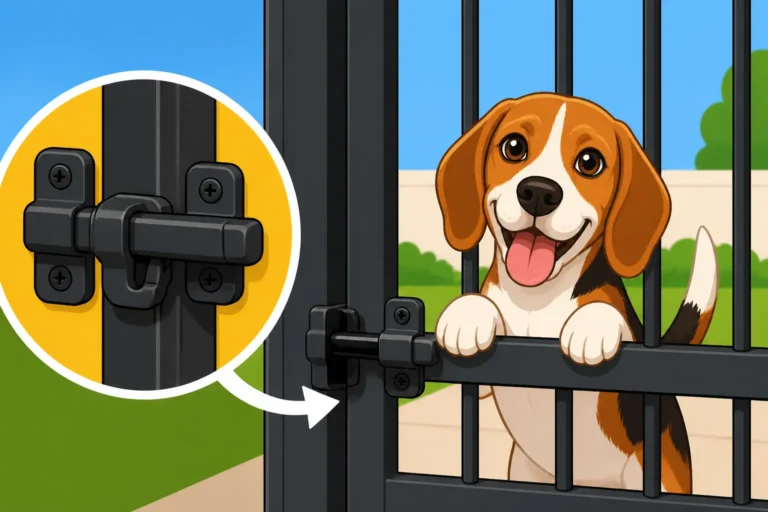
This means exercising them in securely fenced areas only for off-leash play. Even then, regularly check fence lines for weaknesses, as Beagles are notorious escape artists and can dig or squeeze through surprisingly small gaps. Avoid dog parks or open fields where the temptation of chasing a squirrel or another dog might overwhelm their training. Why Off-Leash Parks Are Risky for a Beagle extends beyond just recall issues; it also includes potential negative interactions with other dogs or unexpected dangers. If your area has privately rented, fully fenced dog fields, these can be a fantastic option for safe, off-leash exercise.
Enriching Scent Work to Satisfy Their Drive
A major reason why Beagles struggle with recall is that their powerful noses aren't being adequately engaged in a structured way. Instead of fighting their natural instinct to follow a scent, embrace it! Scent work is not just a job; it’s an incredibly enriching and tiring activity for a Beagle. Engaging them in formal or informal scent games can help satisfy their innate drives in a constructive manner, which can, in turn, make them more attentive to you at other times.
This can be as simple as hiding treats around the house or yard and letting them sniff them out (a great option for rainy days!), using puzzle feeders that require them to use their nose to get their meal, or enrolling in beginner nose work or tracking classes. Organizations like the AKC offer "Scent Work" titles, which provide a fantastic outlet for Beagles. Getting a Beagle Started in Nose Work Classes can channel their endless energy and focus into a rewarding activity that strengthens their bond with you. When their nose is happily working on a "job," they are often less inclined to bolt after every random scent on a walk. You might even find that playing Beagle Recall Games to Play in the Backyard incorporating scent helps reinforce their desire to return to you.
Recall Training Stages and Strategies
To put it all into perspective, here's a quick look at how recall training can evolve from puppyhood through the adolescent phase.
| Training Stage | Primary Goal | Environment | Tools & Rewards | Key Challenges During Adolescence |
|---|---|---|---|---|
| Puppy (8-16 weeks) | Build positive association with coming when called | Indoors, quiet yard, short distances | High-value treats, enthusiastic praise, short play | Limited distractions, high natural desire to stick close |
| Early Adolescence (6-12 months) | Introduce distractions gradually, solidify cue | Fenced yard, long line, controlled park | Varied high-value treats, toys, chase games | Increasing independence, surging hormones, developing scent drive |
| Mid-Adolescence (12-18 months) | Generalize recall to various environments, proofing | Fenced areas, long line in open spaces, higher distractions | Elite high-value rewards, specific emergency cue | Scent saturation, higher prey drive, "selective deafness" |
| Late Adolescence/Adult (18+ months) | Maintain consistency, reinforce heavily | Public parks (on-leash/long-line), safe off-leash zones | Continued high-value rewards, unpredictable pay-offs | Habituation, environmental distractions, overconfidence |
Remember, the journey of building and maintaining recall with a Beagle is a marathon, not a sprint, especially through the tricky adolescent years. But with patience, understanding, and the right strategies, you can guide your Beagle through this phase and enjoy many happy, safe adventures together.
Disclaimer
This article is for general informational purposes only and does not constitute professional advice. Laws, prices and regulations vary by location and change over time. Consult a qualified professional for guidance on your specific situation.