Running With a Beagle and Sensible Pace Limits
If you're a runner, you probably dream of having your beloved Beagle by your side, trotting happily as you log miles. It's a beautiful image, isn't it? But then reality sets in: your Beagle has a nose that dictates its every move, a boundless energy that can quickly turn into distracted pulling, and those short legs don't always seem built for sustained pavement pounding. It's frustrating to want to share your passion with your dog, only to worry if you're pushing them too hard, or worse, putting them in harm's way. This guide is here to walk you through how to safely and effectively incorporate your Beagle into your running routine, focusing on their unique needs and how to establish sensible pace limits that keep both of you happy and healthy.
Understanding Your Beagle's Running Aptitude
Before you even lace up your running shoes, it's crucial to understand what makes a Beagle tick, especially when it comes to physical exertion. They're hounds, after all, bred for endurance and following a scent trail for hours, not necessarily for sprinting or high-impact, sustained running. Their anatomy and inherent drives play a huge role in how well they adapt to being a running partner.
The Beagle's Unique Physiology for Running
Beagles are compact, muscular dogs with sturdy builds and short, powerful legs. They were developed to hunt rabbits and hares, which meant covering vast distances at a steady, medium pace, often through varied terrain. This historical role gifted them incredible stamina and a robust constitution. However, their physical structure isn't really designed for the same kind of high-impact, repetitive motion that a long-legged sighthound or a high-drive working breed might excel at. Their relatively short legs mean they have to take many more steps to cover the same distance as a longer-legged dog, which can lead to more wear and tear on their joints over time, especially if not conditioned properly.
Another key physiological trait is their love of food, which can easily lead to Beagle Obesity Treated as a Health Problem if not managed carefully. An overweight Beagle will struggle immensely with running, putting undue stress on its joints, heart, and lungs. It's vital to ensure your Beagle is at a healthy weight before embarking on a running program. You should be able to feel their ribs easily without seeing them, and they should have a discernible waist when viewed from above. If your Beagle is carrying extra pounds, focus on diet and gentler exercise first.
Their dense double coat, while great for insulation in colder weather, can also make them prone to overheating in warmer temperatures. Beagles aren't typically good at dissipating heat quickly, so monitoring their body temperature and avoiding hot conditions is non-negotiable. Their floppy ears, while adorable, also restrict airflow to the ear canal, making them susceptible to ear infections, especially if moisture gets trapped after a sweaty run. Regular checks and cleaning are part of their running care routine.
The Scent Drive: A Runner's Double-Edged Sword
Ah, the Beagle's nose! It's their superpower, their life's purpose, and potentially the biggest challenge to running smoothly with them. Beagles possess an extraordinary sense of smell, with around 220 million scent receptors, compared to our mere 5 million. This means every single sniff is a rich tapestry of information, an irresistible invitation to explore. When a Beagle is on a scent, the rest of the world, including your commands, often fades into the background. This isn't stubbornness; it's pure, instinctual absorption.
This powerful scent drive is a double-edged sword for a runner. On one hand, it means they'll likely enjoy the sensory experience of a trail run immensely, exploring new smells with gusto. On the other hand, it makes off-leash running incredibly risky, if not impossible, for most Beagles. The temptation of a rabbit trail or a discarded sandwich wrapper is almost always stronger than any recall command, no matter how well-trained your dog is. Why a Beagle Should Never Be Off Leash Unfenced is a lesson many owners learn the hard way.
This inherent trait means you need to adjust your expectations and your running style. Forget the image of your Beagle effortlessly loping beside you, ignoring all distractions. Your Beagle will want to stop and sniff, to investigate that interesting patch of grass, to track the squirrel that just darted across the path. This isn't just a quirk; it's a fundamental part of their being, and it needs to be accommodated. Trying to force them into a constant, uninterrupted pace will only lead to frustration for both of you.
Preparing Your Beagle for the Trail
So, you've accepted your Beagle's unique traits. Now, how do you get them ready to hit the pavement or the trail with you? It's not as simple as just grabbing the leash and heading out the door. Just like human athletes, Beagles need proper conditioning, appropriate training, and a gradual build-up to prevent injury and ensure they enjoy the experience.
Gradual Conditioning and Building Stamina
The key to turning your Beagle into a running buddy is a slow, gradual conditioning program. Never take a couch-potato Beagle out for a five-mile run. This is a recipe for injury, exhaustion, and a dog who quickly learns to hate running. Start small, with brisk walks that are a bit longer than your usual strolls. Aim for short bursts of jogging interspersed with walking. Think of it like interval training for your dog. A good rule of thumb is to increase duration or distance by no more than 10-15% per week.
For example, if your Beagle is currently comfortable walking for 30 minutes, you might start with 20 minutes of walking and 5 minutes of very slow jogging. The next week, you could try 15 minutes walking, 10 minutes jogging, and so on. Pay close attention to your Beagle's cues—heavy panting, lagging behind, or a change in gait are all signs they need a break or have had enough. It's always better to under-do it than over-do it, especially in the beginning. Consider building up to 30-minute sniffing walks initially, as Sniffing Walks and Why They Tire a Beagle Out can be just as beneficial for mental and physical exhaustion as a long run.
It's also important to remember that puppies and very senior Beagles have different needs. Beagle Exercise Needs at Every Age vary greatly. Puppies, especially those under a year old, should not engage in sustained, high-impact running, as their growth plates are still developing and can be easily damaged. For senior Beagles, joint health becomes a primary concern. Always consult your veterinarian before starting any new exercise regimen, especially if your Beagle has any pre-existing health conditions like Beagle Arthritis That Starts in Middle Age or Beagle Hip Dysplasia and Everyday Joint Wear. They can assess your dog's overall health and provide tailored advice.
Mastering Recall and Leash Manners for the Run
Even if you plan to run with your Beagle on a leash, solid recall and excellent leash manners are non-negotiable. A strong "leave it" command is vital for preventing them from snatching something dangerous off the ground while running. A reliable "come" can be a lifesaver if the leash accidentally slips from your hand or if you need to quickly get their attention away from a distraction. Practice these commands in low-distraction environments first, then gradually increase the challenge. Use high-value treats to reward immediate responses. Chewy, for example, offers a fantastic selection of training treats that your Beagle will go wild for.
Leash manners are equally important. A Beagle pulling constantly on the leash during a run is not only frustrating for you but can also be detrimental to their neck and throat, especially if they're wearing a flat collar. A front-clip harness is often a much better choice for Beagles, as it redirects their pulling power to their chest, making it harder for them to drag you along. Why a Harness Protects a Beagle's Neck highlights the importance of this equipment choice. Practice walking and jogging politely on the leash before you even attempt a full run. Start with short durations and reward slack-leash walking consistently.
Remember, a Beagle's nose will always be their primary guide. This means your runs might involve more stops and starts than you'd prefer. Embrace it! Think of these sniff breaks as vital mental enrichment for your dog. If you try to drag them away from every interesting smell, you'll both end up miserable. Incorporate specific sniff-time into your runs, allowing them a few minutes to truly investigate an area before you pick up the pace again. This balances your running goals with their instinctual needs, making the experience more enjoyable for both of you.
Setting Sensible Pace Limits and Safety First
The most critical aspect of running with your Beagle is understanding their limits and prioritizing their safety above your personal running goals. Beagles are not designed to be marathon partners, nor should they be pushed beyond what their bodies and instincts comfortably allow.
Reading Your Beagle's Signals for Pace and Fatigue
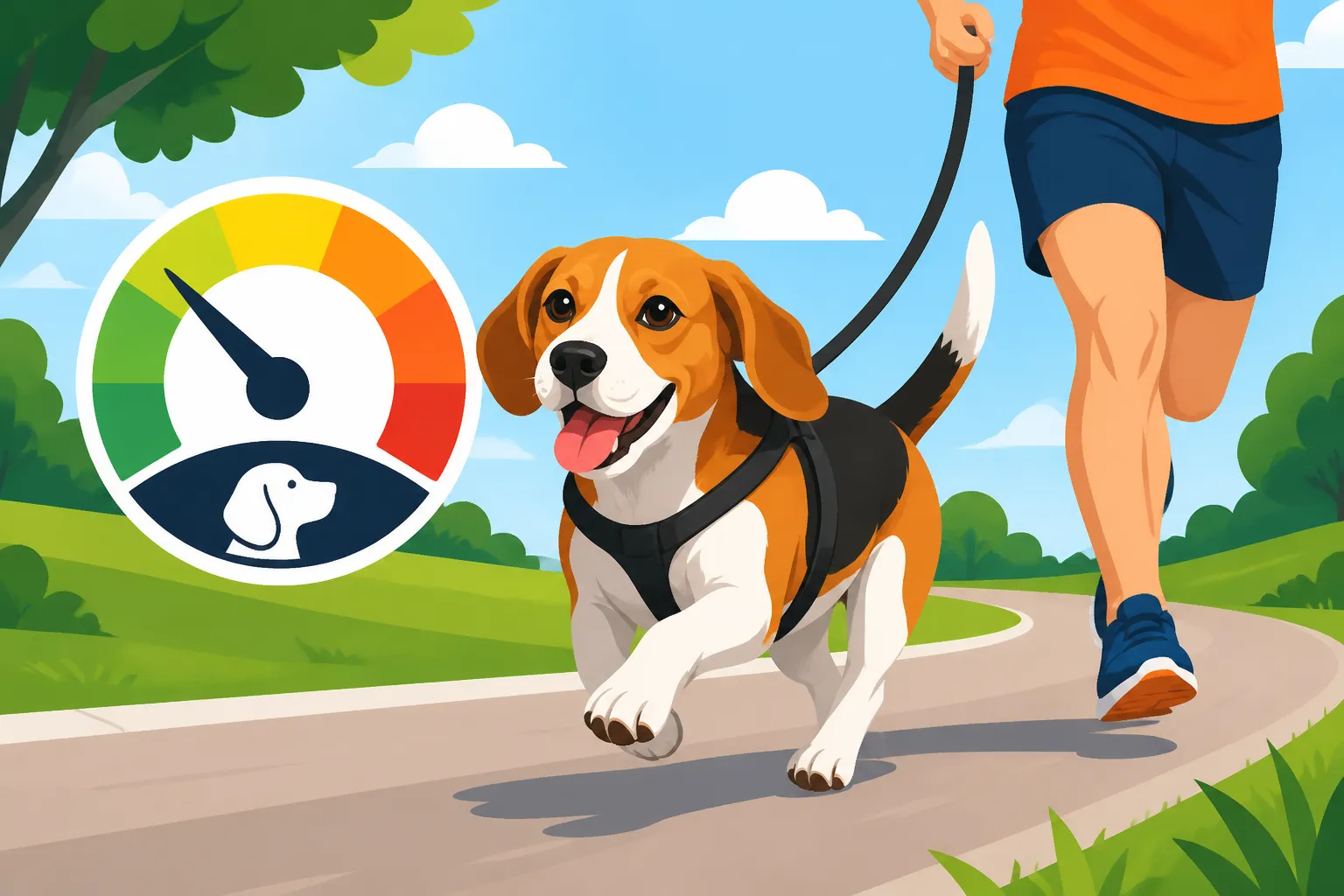
Your Beagle can't tell you in words when they're tired, overheated, or in pain, so it's up to you to be a vigilant observer of their body language. One of the biggest mistakes runners make is imposing their own pace and distance expectations on their dog. A Beagle's natural running pace is typically a steady trot, not a fast gallop. Trying to make them maintain a brisk jog or run for extended periods can quickly lead to exhaustion or injury.
Here are key signals to watch for:
- Excessive Panting: While some panting is normal during exercise, excessive, heavy panting with a wide-open mouth and tongue hanging out is a sign of overheating or overexertion.
- Lagging Behind: If your Beagle is falling behind you, struggling to keep pace, or has lost their characteristic "merry" gait, they're tired.
- Change in Gait: Any limping, stiffness, or an altered way of moving can indicate pain or a developing injury. Stop immediately and check their paws and legs.
- Dark Red Gums: This is a serious sign of overheating. Their gums should be a healthy pink.
- Seeking Shade or Water: If they're actively trying to find shade or repeatedly attempting to drink from puddles, they're likely too hot or dehydrated.
- Loss of Enthusiasm: If your Beagle, usually eager for an outing, starts to seem disinterested or reluctant to continue, respect that signal.
Always err on the side of caution. If you see any of these signs, stop the run. Find a cool, shaded spot, offer water, and allow them to rest. If symptoms don't improve quickly, or if you suspect an injury, it's time for a vet visit. Remember, running should be enjoyable for your Beagle, not a chore or a source of discomfort.
Environmental Factors and Running Hazards
Beyond your Beagle's own physical condition, the environment plays a huge role in safe running. Ignoring these factors can lead to serious health consequences, from paw pad injuries to heatstroke.
- Temperature: Beagles are prone to overheating. Avoid running in hot, humid weather, especially during the peak hours of the day. Early mornings or late evenings are best in warmer climates. If it's too hot for you to comfortably run, it's definitely too hot for your Beagle. A good rule of thumb: if the pavement is too hot for your bare hand to hold for five seconds, it's too hot for their paws.
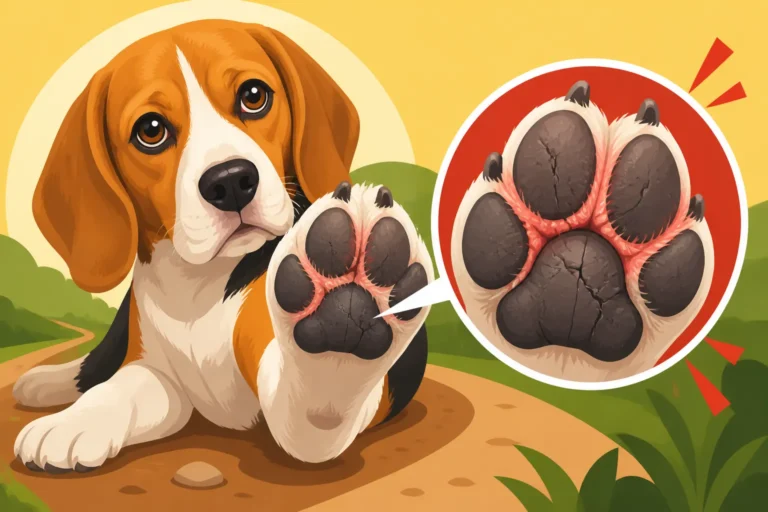
- Surface: Pavement and concrete can be hard on a Beagle's joints and abrasive on their paw pads. Opt for softer surfaces like dirt trails, grass, or gravel paths whenever possible. Regularly check your Beagle's paw pads for cracks, cuts, or excessive wear, as Beagle Paw Pad Cracks After Field Walks can be painful. Consider dog booties for protection on rough terrain or hot surfaces.
- Hydration: Always carry water for both yourself and your Beagle. Offer water frequently, even if they don't seem thirsty. Dehydration can happen quickly, especially on longer runs or in warm weather. Many portable dog water bottles are available on platforms like Amazon, making it easy to keep your dog hydrated on the go.
- Traffic and Wildlife: Running in urban areas presents risks from cars, bikes, and other dogs. In natural settings, wildlife (like rabbits or deer) can trigger your Beagle's prey drive, leading to sudden lunges. Always keep your Beagle on a sturdy leash, preferably a hands-free leash that clips around your waist, freeing up your hands while keeping them secure.
| Factor | Impact on Beagle Running | Safety Considerations |
|---|---|---|
| Pace | Beagles prefer a steady trot; sustained high speeds cause strain. | Match their natural trot; frequent sniff breaks are crucial. |
| Distance | Endurance for scent work is different from sustained running. | Build up gradually; 1-3 miles is a good target for well-conditioned Beagles. Avoid marathons. |
| Temperature | Prone to overheating due to double coat and body type. | Avoid hot, humid weather; run early morning/late evening; always carry water. |
| Surface | Hard surfaces stress joints and paw pads; can be abrasive. | Prefer soft trails, grass; check paw pads often; consider booties for protection. |
| Hydration | Dehydration risk is high during exertion. | Always bring water and offer frequently; encourage drinking at rest stops. |
| Scent Drive | Irresistible urge to follow scents; can lead to sudden pulling. | Use a front-clip harness; practice "leave it" and strong recall; never run off-leash in unfenced areas. |
| Age | Puppies: developing joints; Seniors: arthritis, joint pain. | Consult vet for puppies and seniors; modify intensity/duration based on individual health. |
| Weight | Overweight Beagles face increased joint and heart strain. | Ensure ideal body condition score; focus on weight loss before intense running. |
Essential Gear and Nutritional Support
Having the right equipment and fueling your Beagle properly can make a significant difference in their comfort, performance, and overall safety during your running adventures.
Harnesses, Leashes, and Hydration for the Running Beagle
The right gear is paramount for a safe and enjoyable run. As mentioned, a well-fitting harness is far superior to a flat collar for running with a Beagle. A front-clip harness, which attaches the leash at your dog's chest, discourages pulling by redirecting their momentum sideways. This protects their neck and throat, especially important for a breed known for its robust pulling power when on a scent. Brands available on Amazon often offer a range of sizes and styles to ensure a snug fit that won't chafe or restrict movement. Look for harnesses with good padding and adjustable straps.
For the leash itself, a hands-free running leash that clips around your waist can be a game-changer. It allows you to maintain your natural arm swing and balance, reducing the strain on your arms and shoulders if your Beagle suddenly pulls. Many of these leashes also feature bungee sections that absorb shock, making those sudden lurches more manageable. However, ensure the bungee isn't so long that it gives your Beagle too much slack to dart into traffic or off a trail unexpectedly.
Hydration is non-negotiable. Always carry water. There are many fantastic portable dog water bottles on the market that are easy to carry and allow you to quickly give your dog a drink. Some have built-in bowls, others simply allow water to be squeezed into a small cup. For longer runs, especially in warmer weather, a collapsible bowl and a larger water bottle might be necessary. Consider a small backpack for your Beagle if they're conditioned to wear one; they can carry their own water bottle, making them feel like they have a "job" and freeing up space in your pack. Just make sure the pack isn't too heavy or unbalanced.
Fueling Your Active Beagle's Needs
Just like human athletes, a running Beagle's nutritional needs might differ slightly from a more sedentary dog. While Beagles are notorious for overeating, an active Beagle burns more calories and needs a diet that supports their energy levels and joint health. This doesn't necessarily mean a complete overhaul of their diet, but rather a careful assessment of calorie intake and nutrient balance.
If your Beagle is regularly running several miles a few times a week, they might benefit from a high-quality dog food formulated for active breeds. These foods typically have a slightly higher protein and fat content to support muscle repair and sustained energy. However, given the Beagle's propensity for weight gain, it's crucial to Measuring Beagle Food by Weight Rather Than Cups to ensure accurate portion control. Overfeeding, even with performance food, will negate any benefits. Consult your vet or a canine nutritionist to determine if your Beagle's current diet is adequate for their increased activity level.
Some owners explore fresh food options, like those offered by Ollie, which can be custom-portioned to your dog's activity level and weight goals. This can be a great way to ensure they're getting highly digestible nutrients without unnecessary fillers. Regardless of the food type, ensure it's a complete and balanced diet. Supplements aimed at joint health, such as glucosamine and chondroitin, can also be beneficial, especially for middle-aged or senior Beagles engaging in regular running, as they help support cartilage and reduce inflammation in hardworking joints. Always introduce any new food or supplement gradually to avoid digestive upset.
Lastly, be mindful of treats. While they're excellent for training and motivation, they add calories quickly. Choose low-calorie, healthy treats, or simply use a portion of their daily kibble as rewards. And remember the golden rule: What a Beagle Should Never Be Allowed to Eat. Running can expose your Beagle to all sorts of tempting, but toxic, items on the ground. A well-fed Beagle is less likely to forage, but vigilance is always your best defense.
Disclaimer
This article is for general informational purposes only and does not constitute professional advice. Laws, prices and regulations vary by location and change over time. Consult a qualified professional for guidance on your specific situation.