Deshedding Tools That Work on a Beagle
If you're a Beagle owner, you know the struggle: you love their merry demeanor and those soulful eyes, but you probably also have a love-hate relationship with the sheer volume of fur they can shed. It often feels like no matter how much you brush, there's always more, clinging to your clothes, decorating your furniture, and even floating through the air. This guide is here to help you conquer that furry challenge by exploring the most effective deshedding tools designed specifically for your Beagle's unique double coat.
Understanding Your Beagle's Double Coat and Why They Shed So Much
Beagles are charismatic dogs, full of life and an insatiable nose, but their coat can sometimes feel like a never-ending source of fur. Understanding why they shed the way they do is the first step in tackling the issue effectively. It's not just a random inconvenience; it's a natural process tied directly to their ancestry and environment.
The Anatomy of a Beagle's Coat
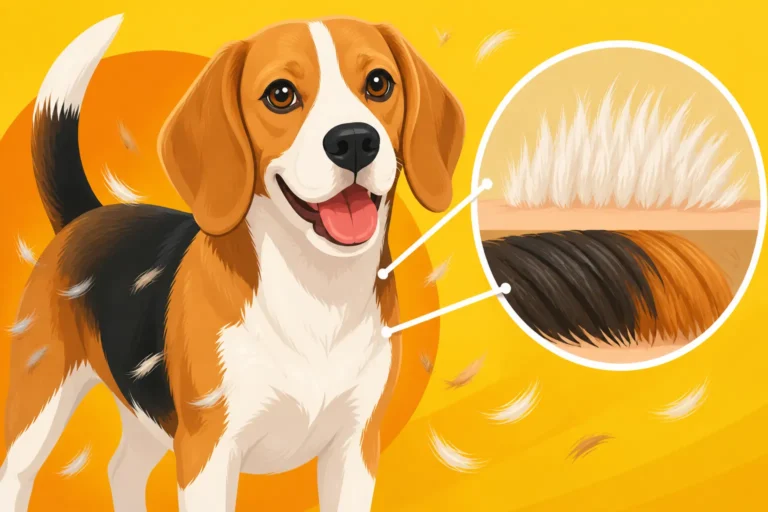
Most people look at a Beagle and think "short hair, easy grooming," but that's a bit misleading! Beagles actually possess a dense, double coat that serves a very specific purpose. The outer coat consists of coarse, waterproof guard hairs that protect them from the elements, whether they were trailing rabbits through thorny bushes or enduring a chilly drizzle. Underneath this protective layer lies a softer, shorter, and much denser undercoat. This undercoat acts as insulation, keeping them warm in winter and helping to regulate their body temperature in warmer weather by trapping air. It’s this dense undercoat that is primarily responsible for the bulk of the shedding you experience. When we talk about "deshedding," we're really focusing on removing this loose, dead undercoat before it has a chance to drop off all over your home.
The Seasonal Shedding Cycle (and Year-Round Reality)
Beagles, like many double-coated breeds, have distinct seasonal shedding cycles. You'll typically notice a "blow out" twice a year – once in the spring as they shed their thick winter undercoat to prepare for warmer temperatures, and again in the fall as they shed their lighter summer coat to make way for a denser winter one. During these periods, the amount of fur they drop can be truly astounding, leaving trails of fuzz wherever they go. However, let's be realistic: while these two major periods are the worst, Beagles tend to shed a moderate amount year-round. Modern indoor living, with consistent temperatures and artificial lighting, can sometimes disrupt the natural cycle, leading to a more continuous, albeit lighter, shedding throughout the entire year. So, while you'll have peak seasons, expect a steady trickle of fur even during the "off-season."
Why Regular Deshedding Is Crucial
Beyond simply keeping your home cleaner, regular deshedding is vital for your Beagle's health and comfort. When loose undercoat isn't removed, it can become matted and tangled, especially if your Beagle loves to roll in the grass or play rough. Mats can pull at the skin, causing discomfort, irritation, and even skin infections by trapping moisture and debris underneath. Furthermore, an impacted undercoat can hinder proper air circulation against the skin, making it harder for your Beagle to regulate their body temperature. By actively removing dead hair, you're promoting healthier skin, preventing painful matting, and keeping your Beagle more comfortable. It also gives you a regular opportunity to perform Beagle Skin Checks to Run While Grooming a Beagle, catching any lumps, bumps, or irritations early.
The Best Deshedding Tools for a Beagle's Unique Coat
With a Beagle's dense double coat, not just any brush will do. You need tools specifically designed to reach that thick undercoat and pull out the loose hair without damaging the healthy outer guard hairs or irritating their sensitive skin. Investing in the right tools makes a world of difference in managing Beagle Hair on the Furniture and Your Clothes.
Undercoat Rakes: Getting to the Root of the Problem
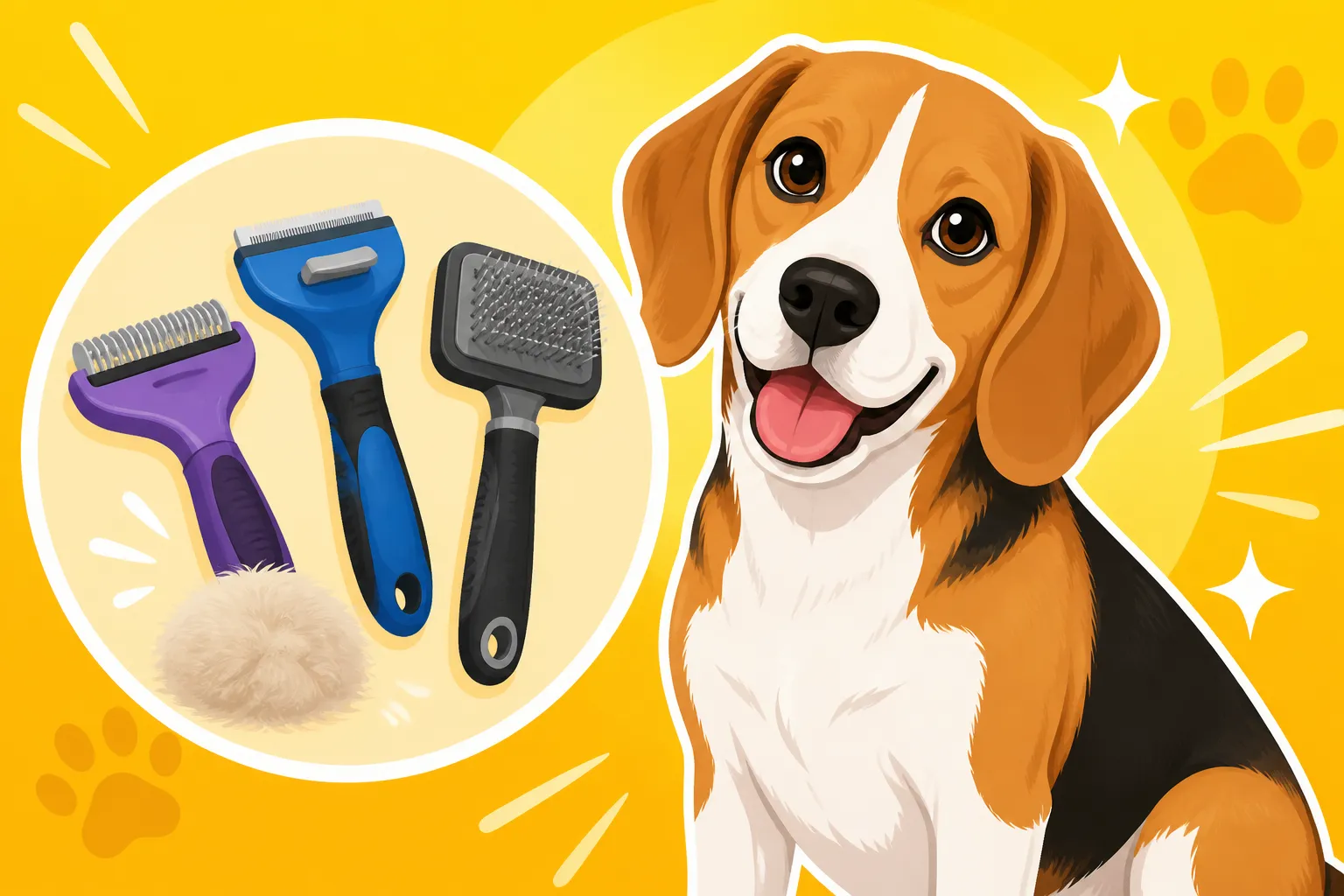
Undercoat rakes are indispensable for Beagles. These tools typically have a single or double row of widely spaced, blunt teeth designed to penetrate the topcoat and gently pull out loose undercoat. They don't cut the hair; they simply grab the dead, shed fur that's caught within the healthy coat. When you're dealing with those seasonal "blow outs," an undercoat rake will be your best friend. Look for rakes with rotating teeth, as these can be more comfortable for your dog, minimizing snagging and pulling.
Using an undercoat rake requires a gentle touch. You want to work in the direction of hair growth, starting from the neck and working your way down the body, making sure to get into the thickest areas like the rump and behind the ears. This tool is excellent for making a significant dent in the shedding problem without being overly aggressive on the skin. You can find a wide variety of these rakes from brands available on platforms like Amazon or Chewy.
Deshedding Blades/Tools: The Heavy Lifters
When people talk about "deshedding tools," they are often referring to specialized blades that are incredibly effective at removing massive amounts of undercoat. Tools like the popular FURminator are prime examples. These tools feature a fine-toothed metal edge that’s designed to reach deep into the undercoat and pull out loose hair. They are incredibly efficient, and you’ll be amazed at the piles of fur that come off your Beagle with just a few strokes. However, because they are so effective, they must be used with caution. Over-brushing with a deshedding blade can cause skin irritation or even damage the topcoat if not used correctly. It’s best to use these tools sparingly, perhaps once a week or every other week during peak shedding season, and always with light, gentle strokes. Focus on removing the loose hair you can see without repeatedly going over the same spot.
Rubber Curry Brushes and Grooming Mitts: Gentle Yet Effective
For Beagles with sensitive skin, or for daily maintenance, a rubber curry brush or a grooming mitt can be a fantastic choice. These tools have soft rubber nubs that are excellent for massaging the skin, stimulating blood flow, and gently loosening dead hair and debris from both the topcoat and the less dense parts of the undercoat. They're also great for distributing natural oils, which can help keep your Beagle's coat healthy and shiny.
Curry brushes are particularly good to use during bath time, as the rubber nubs help work shampoo through the dense coat and dislodge stubborn loose hairs. Many owners find their Beagles actually enjoy the sensation of a rubber mitt, making grooming a more pleasant bonding experience. While they might not pull out as much fur as a deshedding blade, their regular use significantly contributes to managing general shedding and keeping the coat fresh. These are often inexpensive and widely available at pet supply retailers or online.
Slicker Brushes and Pin Brushes: For Topcoat Maintenance
While not primarily deshedding tools, slicker brushes and pin brushes still play an important role in a Beagle's grooming routine. Slicker brushes have fine, short wires set closely together on a flat or curved surface. They are excellent for removing surface loose hair, smoothing the topcoat, and detangling any minor knots or mats that might form, especially around the ears or tail. Pin brushes, on the other hand, have widely spaced metal pins with rounded tips, similar to a human hairbrush. They're good for general brushing, distributing oils, and adding a finishing touch to the coat.
You might use a slicker or pin brush after using an undercoat rake or deshedding blade to collect any remaining loose hairs on the surface and leave the coat looking neat. They aren't designed to get deep into the undercoat like the other tools, but they help keep the overall coat healthy and prevent the dead undercoat from getting trapped, which contributes to the shedding problem. Regular use, perhaps daily, combined with weekly sessions with a deshedding tool, can make a huge difference.
How to Deshed Your Beagle Safely and Effectively
Deshedding isn't just about having the right tools; it's about using them correctly and creating a positive experience for your Beagle. A calm, systematic approach will yield the best results and keep your furry friend happy. You want to make grooming a routine that your Beagle looks forward to, not one they dread.
Preparing for a Deshedding Session
Before you even pick up a brush, take a few minutes to prepare. Choose a time when your Beagle is relaxed, perhaps after a good walk or a play session when they're a bit tired. Gather all your tools – an undercoat rake, a deshedding blade, a slicker brush, and maybe a grooming mitt. Have some high-value treats on hand to reward good behavior. It's also a good idea to set up in an easy-to-clean area, like outdoors on a warm day, or on a hard floor indoors where shed fur can be easily swept or vacuumed. Lay down a towel or an old sheet if you're worried about stray hairs. A good brushing session can release a surprising amount of fur, so being prepared for cleanup will save you a headache later. Consider giving your Beagle a bath first, if appropriate, as a clean coat is often easier to deshed. For tips on bathing, refer to Bathing a Beagle and How Often It Needs One.
Step-by-Step Deshedding Technique
Once everything is ready, start with an undercoat rake. Gently brush your Beagle in the direction of hair growth, applying light pressure. Start at the neck and work your way back, covering the sides and then the chest and belly. Be especially careful around bony areas and sensitive spots like the armpits and groin. The goal is to lift and remove the loose undercoat.
After using the rake, switch to your deshedding blade. Again, use light, smooth strokes, working in the direction of hair growth. Don't press hard, and limit the number of passes over any single area to avoid irritation. You'll see a lot of fur coming off, which is exactly what you want! If you notice any redness or irritation, stop immediately.
Finally, use a slicker or pin brush to smooth down the topcoat and pick up any remaining loose hairs on the surface. This step also helps distribute natural oils, leaving their coat looking shiny and healthy. Always check for any mats or tangles that might have been missed, especially under the legs and behind the ears.
Making It a Positive Experience for Your Beagle
Grooming, including deshedding, should be a positive and calm experience for your Beagle. Introduce tools slowly, letting them sniff them before you use them. Start with short sessions, especially for puppies or Beagles new to grooming. Even five minutes of calm brushing is better than a long, stressful session. Offer praise and treats liberally throughout the process. If your Beagle shows signs of discomfort or tries to escape, take a break.
Consistency is key. Regular, positive grooming sessions will teach your Beagle to tolerate, and perhaps even enjoy, the process. Over time, they'll learn that a deshedding session means gentle strokes and tasty rewards. If your Beagle is particularly anxious, having another person offer treats while you brush can be helpful. Remember, your patience will pay off with a happier dog and a much cleaner home. Don't forget their ears – Beagles are prone to ear issues, so a quick check during grooming is a good habit. See How Often a Beagle's Ears Need Cleaning for more on this.
When to Seek Professional Help
While home grooming is essential, there are times when professional help is invaluable. If your Beagle develops severe matting, particularly tight mats that pull at the skin, it might be best to consult a professional groomer. Attempting to remove severe mats at home can be painful for your dog and potentially lead to accidental cuts. Professional groomers have specialized tools and techniques to safely and efficiently deal with even the toughest tangles.
Additionally, if you find that despite your best efforts, your Beagle is still shedding excessively, or if you notice any skin issues like redness, flakiness, or bald patches, a vet visit is in order. Excessive shedding can sometimes be a sign of underlying health conditions, such as Beagle Hypothyroidism and Sudden Weight Gain or allergies. A professional can help diagnose the cause and recommend appropriate treatment or grooming strategies.
Combining Tools for an Optimal Grooming Routine
Managing a Beagle's shedding effectively isn't about using one magic tool; it's about integrating several tools into a consistent routine. Think of it as a multi-pronged attack on loose fur, tailored to the specific needs of your Beagle's coat. A comprehensive approach will not only reduce the amount of hair in your home but also keep your Beagle feeling and looking their best.
A Weekly Deshedding Schedule
For most Beagles, especially during peak shedding seasons like spring and fall, a weekly deshedding session with an undercoat rake or deshedding blade is ideal. This allows you to efficiently remove the bulk of the loose undercoat before it becomes problematic. On a daily basis, a quick pass with a rubber curry brush or a grooming mitt can help to gather surface hairs and keep the coat smooth and shiny. This routine helps to keep the shedding manageable, preventing those overwhelming piles of fur.
Here’s a simple schedule you could follow:
| Day of Week | Tool Used | Purpose |
|---|---|---|
| Monday | Rubber Curry Brush | Daily touch-up, skin massage, distribute oils. |
| Tuesday | Slicker or Pin Brush | Smooth topcoat, remove surface hairs, light detangling. |
| Wednesday | Rubber Curry Brush | Daily touch-up, skin massage. |
| Thursday | Slicker or Pin Brush | Smooth topcoat, remove surface hairs. |
| Friday | Undercoat Rake/Deshedding Tool | Deep deshedding session to remove significant undercoat. |
| Saturday | Grooming Mitt | Light touch-up, bonding, positive reinforcement. |
| Sunday | Rest/Optional Light Brush | Day off, or gentle brush if needed. |
This schedule is a general guideline; you might adjust the frequency of the deeper deshedding based on your individual Beagle's shedding intensity. Some Beagles, especially those who spend more time outdoors, might need more frequent deep deshedding during seasonal changes. You can stock up on these grooming essentials from online retailers like Chewy or look for specific brands on Amazon. For specific advice on seasonal shedding, consider reading Brushing a Beagle Through Spring Shedding.
Other Grooming Essentials for Beagles
Beyond deshedding tools, a complete Beagle grooming kit should include a few other essentials. Nail clippers or a grinder are crucial for keeping their nails at a healthy length, preventing discomfort and potential paw problems. Regular nail trims are important, especially if your Beagle doesn't naturally wear them down through walks. Cotton balls and an ear cleaning solution are also vital, given their long, floppy ears which can be prone to infections. Refer to Beagle Ear Infections and the Drooping Ear Flap for more detail.
Lastly, don't forget quality shampoo and conditioner designed for dogs. A good bath, especially before a deshedding session, can loosen a lot of dead hair and make the deshedding tools even more effective. And, of course, plenty of treats to make every grooming session a positive one! A well-rounded grooming routine, including the right deshedding tools, is a cornerstone of responsible Beagle ownership.
Disclaimer
This article is for general informational purposes only and does not constitute professional advice. Laws, prices and regulations vary by location and change over time. Consult a qualified professional for guidance on your specific situation.