Brushing a Beagle Through Spring Shedding
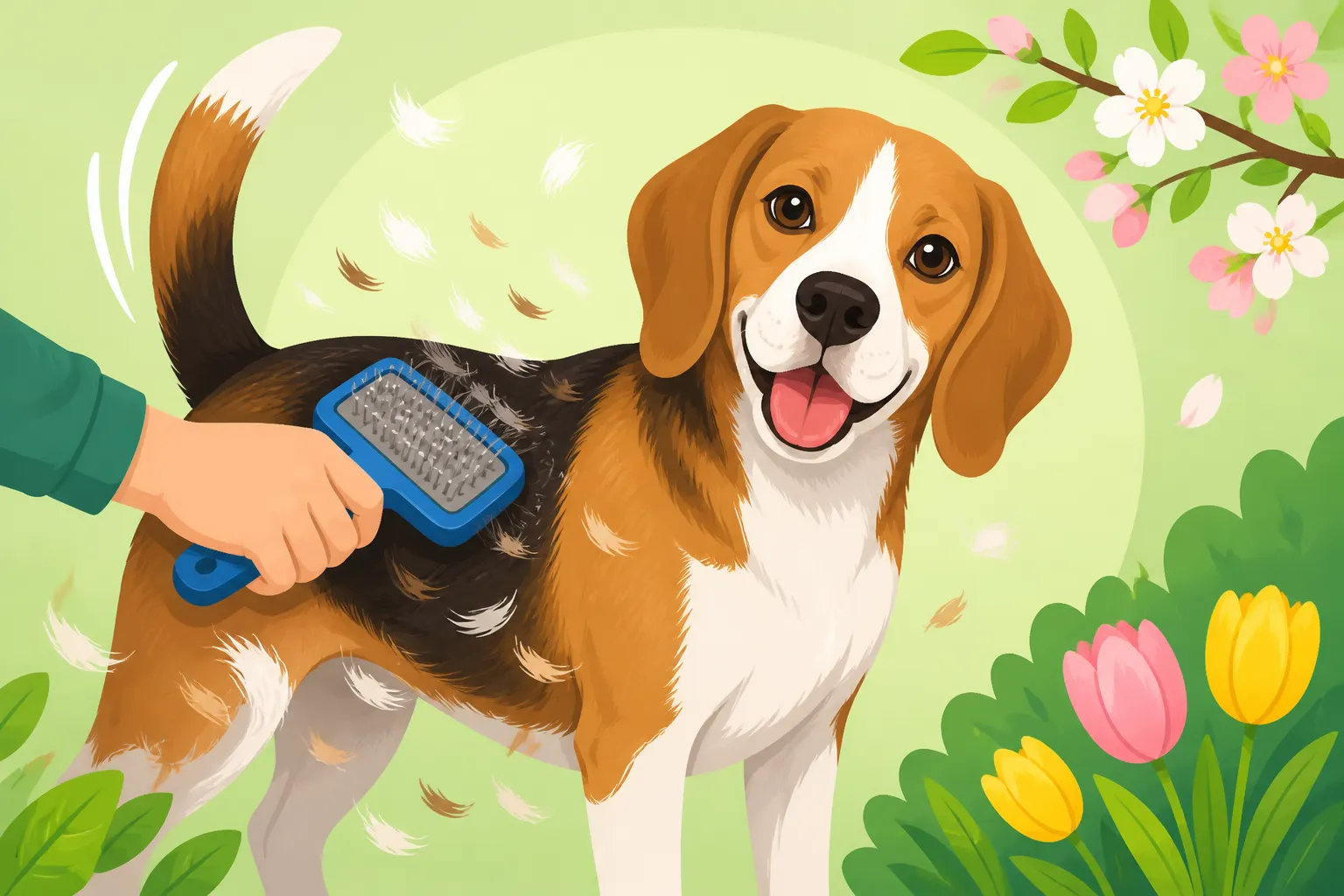
Ah, spring! It's that time of year when the days get longer, the flowers start to bloom, and suddenly, every surface in your home seems to sprout a fine layer of Beagle fur. If you've ever felt like your beloved hound is single-handedly creating enough loose hair to knit another Beagle, you're not alone. This guide is here to walk you through the art of brushing your Beagle effectively during shedding season, helping you reclaim your home from the fluffy invasion and keep your dog's coat healthy and happy.
Understanding the Beagle's Glorious, Yet Sheddy, Double Coat
Before we dive into the nitty-gritty of brushing, it helps to understand why your Beagle seems to produce an endless supply of hair, especially in spring. It's not because they're being dramatic; it's simply how their magnificent coat is designed to work. Beagles, being working hounds, are equipped with a protective double coat that serves them well in all sorts of weather.
The Beagle's Double Coat Explained
Your Beagle's coat isn't just one layer of hair; it's two distinct layers working in harmony. There's the coarse, dense outer coat that provides protection from the elements – rain, thorns, dirt, you name it. This layer acts almost like a natural raincoat and shield. Beneath that lies the softer, woollier undercoat, which is responsible for insulation. This undercoat keeps them warm in winter and helps regulate their body temperature in summer. It’s a pretty clever design when you think about it, but it does mean more hair when that insulation needs to be swapped out! You can read more about it in Beagle Shedding and the Two Coats Underneath.
During most of the year, both layers exist in relative balance. You'll still see some shedding, of course, because hair naturally cycles and replaces itself. But the real volume begins when the seasons change, particularly from winter to spring, and again from summer to fall. It's like your Beagle is getting ready for a whole new wardrobe, and all the old pieces need to come off first.
Seasonal Shedding Cycle: Spring and Fall
The most intense periods of shedding for a Beagle typically occur twice a year: in the spring and in the fall. In spring, as the weather warms up and the days grow longer, your Beagle's body signals that it's time to shed that thick winter undercoat. This heavy, insulating layer is no longer needed, and new, lighter hairs begin to grow in. This is when you'll find yourself wondering if your vacuum cleaner is truly up to the task.
The fall shedding, while often not quite as dramatic as the spring "coat blowout," is still significant. As temperatures drop and daylight hours shorten, your Beagle will shed their lighter summer coat to make way for a denser, warmer winter undercoat. While you might associate shedding with warmth, remember that growing new hair still requires shedding the old. Understanding these natural cycles can help you prepare and ramp up your grooming routine accordingly, making both your and your Beagle's life a little less hairy.
Why Some Beagles Shed More Than Others
You might have a friend with a Beagle who swears theirs hardly sheds, while yours leaves a fur tumbleweed trail wherever they go. Several factors can influence the amount a Beagle sheds. Genetics plays a big role; some lines simply have denser coats. Diet is another major contributor – a dog on a high-quality, balanced diet with good fatty acids will often have healthier skin and coat, leading to less excessive shedding. Stress, allergies, and underlying health conditions can also impact shedding. For example, if your Beagle is constantly itching due to Beagle Skin Allergies and Constant Itching, they might be shedding more due to irritation and scratching.
Also, think about their environment. An indoor Beagle kept at a consistent temperature might shed more evenly throughout the year, as their body doesn't experience the dramatic seasonal shifts as much. An outdoor or indoor-outdoor Beagle, on the other hand, will likely have more pronounced seasonal sheds. Regardless of the individual variation, every Beagle owner needs a solid strategy for managing the fluff!
Essential Tools for Tackling Spring Shed
Alright, let's talk about the arsenal you'll need. You wouldn't try to build a house with just a hammer, and you won't effectively manage Beagle shedding with just any old brush. The right tools make all the difference, transforming a frustrating chore into a manageable, even bonding, experience.
Deshedding Rakes and Undercoat Tools
These are your heavy-hitters when it comes to tackling that dense undercoat. Deshedding tools, often resembling a rake or a finely-toothed blade, are specifically designed to reach down through the topcoat and gently pull out the loose, dead undercoat without cutting the healthy guard hairs. Brands like Furminator are popular for this, but many companies offer similar effective tools. Using one of these can remove a shocking amount of loose hair in a single session, significantly reducing the amount that ends up on your furniture and floors.
When selecting one, look for a tool with sturdy, well-spaced teeth that aren't too sharp. You want to extract loose hair, not scrape your Beagle's skin. You can find a good range of options on sites like Chewy or Amazon, often with customer reviews that can guide your choice. Investing in a good deshedding tool is probably the single best thing you can do for spring shedding. For a deeper dive, check out Deshedding Tools That Work on a Beagle.
Slicker Brushes and Rubber Mitts
While deshedding tools are great for the undercoat, slicker brushes and rubber mitts have their own crucial roles. A slicker brush, with its fine, wire bristles, is excellent for removing loose hair from the topcoat, detangling any minor mats, and smoothing out the fur. It helps give that polished, shiny look after you've dealt with the bulk of the undercoat. It’s also gentler for more sensitive areas or for Beagles who are still getting used to being groomed.
Rubber grooming mitts, on the other hand, are fantastic for daily maintenance and for sensitive dogs. They feel like a gentle massage and can surprisingly gather a lot of loose hair from both coats. Many Beagles adore the sensation. These mitts are also great for use during bath time to really work shampoo into the coat and help loosen shedding hair. They’re super easy to clean and can be a great first step, especially for puppies, to introduce them to grooming positively.
Vacuum Attachments for Pet Hair
This isn't a grooming tool for your dog per se, but it's an absolute game-changer for managing the fallout. Let's be real: no matter how much you brush, some hair will escape. A good vacuum cleaner with pet hair attachments or a specialized pet vacuum is your best friend during shedding season. Many models come with motorized brushes that are fantastic for upholstery, carpets, and even your dog's bed.
I know, it sounds a bit like giving up, but it's really about being realistic. Regular vacuuming helps keep the amount of hair floating around to a minimum, reducing allergy triggers and keeping your home tidier. Think of it as the final sweep in your anti-shedding campaign. Just remember to empty the canister often because those Beagle hairballs accumulate quickly! It also ties into managing Beagle Hair on the Furniture and Your Clothes.
| Tool Type | Primary Use | Best For | Benefits | Drawbacks |
|---|---|---|---|---|
| Deshedding Rake/Tool | Removing loose undercoat | Heavy seasonal shedding, dense undercoats | Highly effective at removing large volumes | Can be too harsh if used improperly/too often |
| Slicker Brush | Detangling, smoothing topcoat | Regular grooming, removing surface hair | Leaves coat shiny, good for sensitive areas | Less effective on deep undercoat |
| Rubber Grooming Mitt | Daily maintenance, massage | Sensitive dogs, puppies, bath time | Gentle, stimulating, easy to clean | Less effective on thick, matted coats |
| Pin Brush (with nubs) | Everyday brushing, longer hair | Beagles with slightly longer coats, general brushing | Gentle detangling, distributes oils | May not reach deep undercoat effectively |
Techniques for Effective Brushing
Now that you're armed with the right tools, let's talk about how to use them to get the most out of your brushing sessions. It's not just about dragging a brush through their fur; it's about technique, consistency, and making it a pleasant experience for your Beagle.
Setting Up for a Successful Grooming Session
Preparation is key. First, choose a time when your Beagle is calm and relaxed – perhaps after a good sniff walk or a play session, but before mealtime when they might be too revved up. Find a comfortable, designated spot. Some people use a grooming table, others prefer the floor with an old towel or sheet down to catch the hair (which makes cleanup so much easier). If your Beagle is prone to wiggling, having a non-slip mat can help.
Gather all your tools beforehand: your deshedding rake, a slicker brush, a rubber mitt, and plenty of high-value treats. You might also want a damp cloth for wiping down surfaces and your Beagle's face, and a wastebasket nearby. The goal is to make the experience efficient and positive. If your Beagle associates brushing with a calm routine and tasty rewards, they'll be far more cooperative.
The Right Way to Use Deshedding Tools
When using a deshedding tool, always start gently and work in the direction of hair growth. Never brush against the grain, as this can be uncomfortable and pull healthy hair. Use short, light strokes rather than long, harsh ones. Focus on one section of your Beagle's body at a time – perhaps starting with their back, then moving to their sides, chest, and hindquarters.
Avoid sensitive areas like their belly, inner thighs, and anywhere the skin is thin or delicate. Pay extra attention to their rump and tail, as these areas often have a denser undercoat and can accumulate more loose hair. For Beagles, the neck and shoulder area can also hold a lot of shed fur. After a few strokes, you’ll see the tool filling with a surprising amount of soft, fluffy undercoat. Remove the hair from the tool frequently to keep it effective. During peak shedding, you might need to do a full deshedding session two to three times a week, followed by daily quick brushes with a slicker or mitt. Remember, consistency is more effective than infrequent, marathon sessions.
Making Brushing a Positive Experience
This is crucial, especially for a breed as food-motivated as Beagles! From day one, make brushing a positive, rewarding activity. Introduce the brush slowly, letting your Beagle sniff it. Start with very short sessions, just a minute or two, and reward generously with treats and praise for calm behavior. If your Beagle is particularly sensitive, start with a soft rubber mitt before moving to a slicker or deshedding tool.
Associate brushing with good things. Talk to them in a soothing voice, offer those irresistible tiny pieces of cheese or cooked chicken. If they try to mouth the brush, redirect them with a chew toy. If they become agitated, stop and try again later, or shorten the session. The goal is for them to tolerate, and ideally enjoy, the process. You want them to relax, perhaps even doze off, during their grooming sessions. Over time, these positive associations will make spring shedding much less of a battle and more of a routine ritual.
Beyond Brushing: Other Shedding Solutions
While brushing is your primary weapon against spring shedding, it's part of a larger strategy. A holistic approach that includes bathing, proper nutrition, and smart house management can significantly reduce the amount of loose hair in your home and on your Beagle.
Bathing Strategies for Shedding Control
A good bath can work wonders in loosening and washing away dead undercoat. During peak shedding season, consider increasing your Beagle's bath frequency slightly, perhaps to every 3-4 weeks, using a high-quality shampoo specifically formulated for shedding control. These shampoos often contain ingredients like Omega fatty acids that help strengthen the hair follicles and release loose hair more easily.
When bathing, really work the shampoo down to the skin and give a good massage to help dislodge that undercoat. A rubber grooming mitt can be very helpful here. After rinsing thoroughly, towel dry your Beagle as much as possible, then follow up with a good blow-dry (on a cool setting, please!) while simultaneously brushing. This combination of water, shampoo, and air helps to blow out an incredible amount of loose hair before it ends up on your couch. Just make sure your Beagle's long ears are dried thoroughly to prevent Beagle Ear Infections and the Drooping Ear Flap. For more tips on bathing, refer to Bathing a Beagle and How Often It Needs One.
Dietary Support for a Healthy Coat
What goes into your Beagle's bowl directly impacts the health and strength of their coat. A high-quality diet that is rich in Omega-3 and Omega-6 fatty acids can make a noticeable difference in shedding levels and overall coat luster. These essential fatty acids nourish the skin and hair follicles, leading to stronger hair that is less prone to excessive shedding and breakage.
Look for dog foods that list real meat as the first ingredient and contain sources of Omega fatty acids like fish oil or flaxseed. Some owners explore fresh food diets from services like Ollie, which are often rich in these beneficial nutrients. You can also add a supplement like salmon oil or flaxseed oil to their regular food. Always talk to your vet before introducing any new supplements to ensure they are appropriate for your Beagle. A good diet not only helps with shedding but also contributes to overall health, which you can learn more about by Reading the Label on a Bag of Beagle Food and understanding the importance of Omega-3 Oils for a Beagle's Coat.
Managing Hair Around the Home
Let's face it: even with the most diligent brushing and bathing, some Beagle hair is inevitable. The trick is to manage it smartly. Regular vacuuming (especially with that pet hair attachment!) is your best friend. Consider washable throw blankets for your furniture where your Beagle loves to lounge. These can be easily tossed into the laundry, trapping hair before it embeds into your upholstery.
Keep sticky lint rollers handy – by the door, in your car, and certainly near your Beagle's favorite napping spots. Microfiber cloths are also excellent for wiping down hard surfaces and picking up loose fur. And for your clothes, a good lint brush before heading out the door is a lifesaver. Embracing these small habits can make a huge difference in keeping your living space feeling clean and comfortable, even during the heaviest shedding periods. Sometimes, it’s not about eliminating the shedding, but intelligently coexisting with it!
Spring shedding might feel like a never-ending battle, but with the right tools, techniques, and a holistic approach, you can keep your Beagle comfortable and your home a little less hairy. Consistency truly is the key here. Embrace the routine, make it a positive experience for your furry friend, and you’ll both come out on top – even if your clothes still sport a few stray Beagle hairs. And remember, grooming isn't just about managing hair; it's also a great opportunity to check for any skin issues, lumps, or even to give their ears a quick check for cleaning. For example, knowing How Often a Beagle's Ears Need Cleaning can be part of this overall care routine, as can understanding Beagle Dental Cleaning Under Anesthesia for long-term health. Regular checks during grooming can also help you spot issues like Beagle Paw Pad Cracks After Field Walks early on, contributing to your Beagle's overall well-being. Keeping a healthy weight also plays a crucial role in overall health and even coat quality, so keep an eye on Beagle Obesity and the Diseases It Brings On too.
Disclaimer
This article is for general informational purposes only and does not constitute professional advice. Laws, prices and regulations vary by location and change over time. Consult a qualified professional for guidance on your specific situation.