Beagle Nails Worn Down by Field Walks
It's easy to assume that a lively, active Beagle, always eager for a field walk or a romp in the park, would naturally keep their nails perfectly trimmed. After all, they're constantly on the go! But many Beagle owners are surprised to find that even with regular outdoor adventures, their dog's nails still seem to get long, click on the floor, or even cause discomfort. This guide will dive deep into understanding why this happens and how you can ensure your adventurous Beagle maintains healthy, well-managed nails.
The Natural Wear and Tear of a Beagle's Nails
You might picture your Beagle trotting merrily through fields or sniffing along pavement, confident that all that activity is grinding their nails down to a healthy length. While outdoor activity certainly contributes to natural nail wear, it's often not the complete picture for a breed as active and scent-driven as a Beagle. The type of terrain, the frequency of walks, and even your dog's individual gait all play a role in how effectively their nails wear down. It's a common frustration for owners: you're doing everything right, getting them out there, and still those nails seem to grow.
How a Beagle's Active Lifestyle Affects Nail Length
A Beagle's active lifestyle, characterized by their boundless energy and insatiable curiosity for scents, involves a lot of varied movement. They might run across grassy fields, investigate shrubbery on softer earth, or pull you enthusiastically down a paved sidewalk. Each of these surfaces interacts with their nails differently. Hard, abrasive surfaces like concrete, asphalt, or rocky trails are the most effective at grinding down the nail tips. When your Beagle walks or runs on these surfaces, the friction helps to file away the excess growth, mimicking the effect of a nail file.
However, Beagles also spend a significant amount of time with their noses to the ground, exploring softer, natural environments like dirt paths, dense woods, or well-manicured lawns. While these environments are fantastic for mental stimulation and allowing your Beagle to indulge their primary instinct, they offer very little in terms of nail abrasion. The nails simply sink into the soft ground rather than making contact and being worn down. This disparity in terrain means that even a highly active Beagle might not experience consistent, all-around nail wear, leading to some nails wearing down more than others, or the overall length remaining too long.
The Ideal Nail Length for a Healthy Beagle
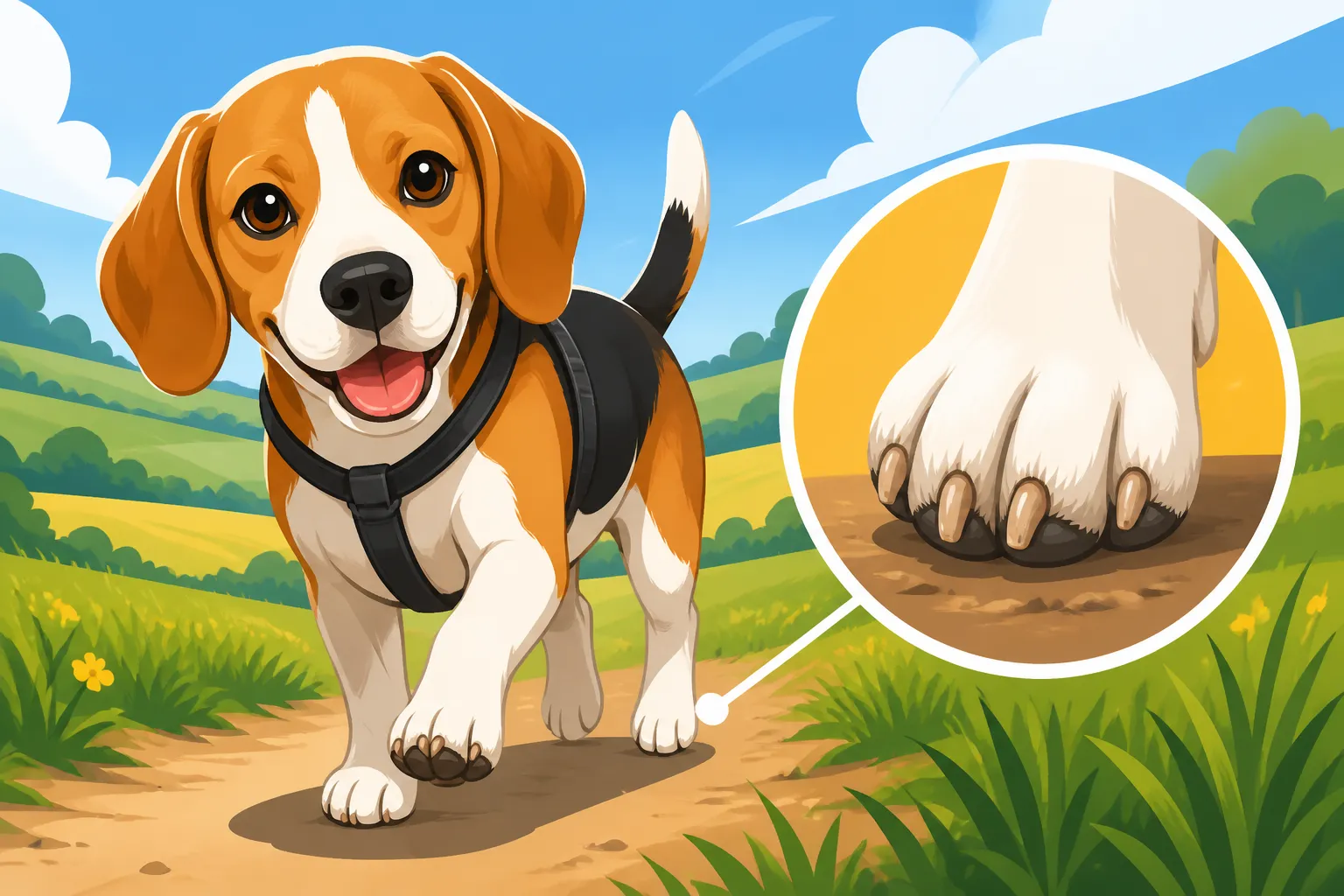
Knowing what "just right" looks like for your Beagle's nails is crucial. Ideally, when your Beagle is standing naturally on a flat, hard surface, their nails should not touch the ground. You shouldn't hear a distinct clicking sound as they walk across your kitchen floor or tile. If you can slip a piece of paper easily under the nail tips, they're likely a good length. The goal is for the nails to be short enough so that the toes are not pushed upwards or splayed by the nail's contact with the ground.
Maintaining this ideal length isn't just about aesthetics; it's fundamental to your Beagle's overall paw health and comfort. Overly long nails can significantly alter their natural gait, forcing them to shift their weight and posture in uncomfortable ways. This can lead to strain on their paw joints, toes, and even higher up their legs and spine. It's similar to us walking in shoes that are too small, constantly pushing our toes back – it's just not comfortable in the long run and can lead to bigger problems down the line.
When Field Walks Aren't Enough for Nail Maintenance
Despite your best efforts to provide plenty of stimulating outdoor time for your Beagle, you might find that their nails continue to grow past the ideal length. This is a common scenario and certainly not a reflection of your commitment to their exercise! Many Beagles, especially those whose walks primarily involve grassy parks, dirt trails, or backyard romps, simply aren't getting enough contact with abrasive surfaces to keep their nails naturally short. Consider the amount of time they spend truly grinding their nails versus simply stepping on soft ground.
Even if you regularly walk on pavement, some Beagles might have a gait that minimizes nail contact, or perhaps their nails grow exceptionally fast. Furthermore, the dewclaws (the nails on the inner side of their front legs, higher up) never touch the ground at all, regardless of activity, and will always require manual trimming. So, while those invigorating field walks are essential for your Beagle's physical and mental well-being, it's a safe bet that supplementary nail care will be a regular, important part of your routine. It’s okay to admit that the natural process just doesn’t always cut it, literally!
Understanding the Mechanics of Nail Wear on Different Terrains
It's fascinating to break down how different surfaces interact with your Beagle's nails. Imagine their paws as intricate tools, perfectly adapted for their work. When they traverse varied terrain, each step is a mini-interaction that either contributes to or bypasses natural nail wear. Understanding this can help you tailor your Beagle's environment and care routine to better manage their nail health. It’s not just about getting them outside; it’s about where they're outside.
The Grinding Effect of Hard, Abrasive Surfaces
Hard, abrasive surfaces are the best natural nail trimmers your Beagle will encounter. Think about a long walk on a concrete sidewalk, a brisk jog on an asphalt path, or even exploring a rough gravel trail. With every step, the coarse texture of these surfaces creates friction against the tips of your Beagle's nails. This friction slowly but surely grinds down the keratin layers of the nail, much like a file or sandpaper would. The more consistent the contact and the rougher the surface, the more effective the wear.
For a Beagle, whose nose often dictates their path, this means incorporating intentional walks on such surfaces, even if their preference is for sniffing through soft grass. If your usual routine involves mostly parks and fields, consider adding a daily walk around the block on pavement. This type of surface helps maintain the length of the weight-bearing nails on their main paw pads. It's the most effective way to encourage natural wear and tear, and it can significantly reduce the frequency of manual trims you need to perform.
Why Soft Earth Doesn't Trim Nails Effectively
In stark contrast to hard surfaces, soft earth, grass, and dense undergrowth do very little to naturally trim your Beagle's nails. When your Beagle walks or runs on these yielding terrains, their paws sink slightly into the ground. Instead of the nail tips making firm, abrasive contact with the surface, they are often cushioned or pushed aside by the soil or blades of grass. The nails simply don't get the friction needed to file them down.
This is a key reason why many active Beagles, despite spending hours romping in fields or going on long nature hikes, still end up with long nails. Their primary environment for activity, which is often ideal for their scent work and overall happiness, just isn't conducive to nail maintenance. It highlights the challenge for Beagle owners: you want to give them the enriching experiences they crave, but you also need to ensure their physical health is maintained. This necessitates a more proactive approach to nail care beyond relying solely on their outdoor excursions. For more about keeping their paws healthy after these adventures, check out Beagle Paw Care After a Field Walk.
The Difference Between Front and Hind Paw Nail Wear
You might notice that your Beagle's front paw nails tend to be longer or require more frequent trimming than their hind paw nails. This isn't just your imagination! There's a distinct difference in how the front and rear nails wear down, largely due to the mechanics of a dog's gait and how they distribute their weight. The front paws bear a greater percentage of a dog's body weight during movement, and they are also used more for "braking" and turning, which involves digging the nails into the ground.
The hind paws, on the other hand, are primarily responsible for propulsion—pushing off the ground. Their nails tend to make less direct, abrasive contact with surfaces and are often naturally kept shorter due to the way they push off. This means that even if your Beagle is getting plenty of walks on pavement, the front nails might still need more attention. Always inspect both sets of paws regularly, understanding that their needs might differ. This nuanced approach ensures all four paws are healthy and comfortable.
Recognizing When Your Beagle's Nails Need Extra Attention
It's easy to overlook your Beagle's nails until they become visibly long or start causing problems. However, learning to recognize the subtle cues that indicate a need for nail care can prevent discomfort, pain, and more serious health issues. Your Beagle might not complain directly, but their body language and the sounds they make can tell you a lot. Don't wait until you hear that persistent clicking sound that echoes through the house; there are earlier signs.
Visual Cues and the "Clicking" Sound
The most obvious visual cue is when the nails extend significantly past the paw pads. When your Beagle is standing on a hard, flat surface, their nails should ideally not touch the ground. If you see the nails making contact or even pushing their toes up, they are definitely too long. Another tell-tale sign is the "clicking" sound you hear as your Beagle walks on hard floors. This isn't just an annoying noise; it's an audible indication that their nails are too long and are making unnecessary contact with the ground, pushing up on their toe joints.
Beyond these, watch for nails that appear to curve or twist, especially those on the outer toes. Overly long nails can also grow so long that they start to curve back towards the paw pad, sometimes even growing into the pad itself, which is incredibly painful and can lead to infection. Regularly lifting your Beagle's paws and examining their nails against the paw pad can help you catch these issues early.
Impact on Paw Health and Gait
The repercussions of overgrown nails extend far beyond aesthetics or a simple clicking sound. Chronically long nails can have a significant, detrimental impact on your Beagle's paw health and overall gait. When the nails constantly hit the ground, they push the toe bones upwards, forcing the toes to splay and shift the weight distribution of the paw. This unnatural posture can lead to soreness in the toe joints, arthritis over time, and even deformities of the foot. It's like walking with your shoes on backwards all the time – imagine the discomfort!
This altered gait can then cascade up the leg, affecting the hocks, knees, hips, and even the spine. What starts as a seemingly minor issue can contribute to more serious musculoskeletal problems like Beagle Hip Dysplasia and Everyday Joint Wear or general discomfort in their joints. Paying attention to how your Beagle walks, whether they're limping slightly, or if they seem reluctant to jump or run, could be subtle indicators of nail-related pain.
The Danger of Overly Long Nails
Beyond discomfort and altered gait, excessively long nails pose several direct dangers to your Beagle. As mentioned, a nail that grows too long can curve under and pierce the paw pad, causing agonizing pain and a high risk of infection. This is especially true for dewclaws, which never touch the ground and will grow in a full circle if left untrimmed. If you have ever experienced an ingrown toenail, you can imagine the intense pain this causes your sensitive Beagle.
Long nails are also more prone to catching on carpets, furniture, or rough terrain, leading to painful tears or even avulsions (when the nail is ripped off completely). These injuries are not only excruciating but often result in significant bleeding and require veterinary attention, sometimes even sedation for proper care. The quick, the sensitive living tissue inside the nail that contains blood vessels and nerves, also grows longer as the nail grows, making it harder to trim safely without causing pain. This is why consistent, proactive nail care is paramount for your Beagle's safety and well-being.
Tools and Techniques for Supplementing Natural Nail Wear
Since natural wear often isn't enough, it's up to us, as responsible Beagle owners, to step in and ensure their nails stay healthy. This can feel daunting at first, especially if your Beagle isn't thrilled about paw handling. But with the right tools, a bit of patience, and a positive approach, you can make nail care a stress-free experience for both of you. Getting the job done safely is key.
Regular Clipping with Quality Nail Trimmers
For many Beagles, regular clipping with a good pair of nail trimmers is the most straightforward method. There are two main types of clippers: scissor-style (like Resco or Millers Forge) and guillotine-style (like Safari). Experiment to see which you and your Beagle prefer. For black-nailed Beagles, which are common, it can be tricky to see the quick, the pink part containing nerves and blood vessels. It’s better to take off small amounts more frequently than to risk cutting into the quick, which is painful and will make your Beagle distrustful of future trims. For specific advice, look up Trimming Black Beagle Nails You Cannot See Through.
Always have styptic powder on hand (available from pet stores like Chewy or Amazon) in case you accidentally cut too far. Make the experience positive by offering high-value treats and praise after each paw, or even after each nail. If your Beagle is particularly resistant, you can start by just touching their paws and rewarding, slowly building up to handling each toe, then touching the clippers to the nail, and finally, making a small snip. Consistency and positive reinforcement are your best friends here.
The Benefits of a Dremel or Nail Grinder
If your Beagle despises clippers, or if you find it difficult to get a clean cut, a Dremel or other pet-specific nail grinder can be a fantastic alternative. These tools use a rotating abrasive bit to gradually file down the nail. The biggest advantage is that you can remove small amounts of nail at a time, making it much less likely to hit the quick. This also allows you to "round off" the nail, creating a smoother finish compared to the blunt edge left by clippers. Many owners find grinders help to gradually push the quick back over time, allowing for even shorter nails.
Introducing a grinder requires patience. The sound and vibration can be unsettling for some dogs. Start by simply letting your Beagle hear the grinder running (even in another room), then gradually bring it closer, associating the sound with high-value treats. Once they're comfortable with the noise, you can start touching it briefly to one nail, rewarding immediately. Just like with clippers, frequent, short, positive sessions are far more effective than trying to do all nails at once. Brands like Dremel offer quiet, cordless models specifically designed for pet use, which can be purchased through retailers like Amazon. For a direct comparison, you might find Beagle Nail Grinders Against Clippers helpful.
Making Nail Care a Positive Experience for Your Beagle
The key to successful nail care for a Beagle, or any dog, is to make it a positive, non-threatening experience. Beagles are smart and remember unpleasant events, so a bad experience can set you back significantly. Always approach nail trims with a calm, confident demeanor. If you're stressed, your Beagle will pick up on it. Start with very short sessions, even just one nail at a time, and immediately follow with their favorite treat and verbal praise.
Consider creating a specific "nail care spot" – maybe a comfy bed or a special mat – where these sessions always happen. Consistency helps your Beagle understand the routine. If they become too stressed or reactive, stop the session and try again later. Never punish or scold them for being fearful. If you're struggling, consider enlisting the help of a professional groomer or your veterinarian's office, who can demonstrate techniques or help desensitize your Beagle. Remember, this is a lifelong routine, so investing the time to make it positive now will pay dividends for years to come.
Preventing Overgrown Nails and Associated Problems
Preventing overgrown nails is always easier than dealing with the issues they cause. By establishing a consistent routine and being proactive, you can save your Beagle discomfort and avoid potential health complications. It's not just about clipping; it's about a holistic approach to paw health that integrates into their overall care.
Establishing a Consistent Nail Care Routine
Consistency is truly the cornerstone of good nail care. For most Beagles, especially those whose natural activities don't provide sufficient wear, a nail trim every 2-4 weeks is typically necessary. Some dogs with faster-growing nails might need it more often, while others, particularly those who regularly walk on very abrasive surfaces, might be able to stretch it a bit longer. The key is to observe your individual Beagle. Don't wait until the nails are clicking or curving; aim to trim them before they get to that point.
Keep a calendar reminder or make it part of a regular grooming schedule, perhaps tying it into their Beagle Ear Cleaning as a Weekly Job or regular brushing sessions. By keeping the quick short through frequent trims, you gradually encourage it to recede, making it easier to maintain shorter nails over time. This proactive approach not only keeps your Beagle comfortable but also makes the entire process less stressful for everyone involved.
Diet and Supplementation for Strong, Healthy Nails
While diet primarily affects overall health, a well-balanced, high-quality diet plays a role in the strength and integrity of your Beagle's nails, just like their coat and skin. Good nutrition ensures that the building blocks for healthy keratin (the protein that makes up nails) are readily available. If your Beagle is on a good commercial dog food, they're likely getting all the nutrients they need.
However, some Beagles might benefit from specific supplements, particularly those with brittle or flaky nails. Omega-3 fatty acids, often found in fish oil, can contribute to healthier skin, coat, and nails. Biotin and zinc are also sometimes recommended for nail strength. Before adding any supplements to your Beagle's diet, it’s always best to consult your veterinarian. They can help determine if a supplement is truly necessary and recommend appropriate dosages, especially since some supplements can interact with medications or existing health conditions. Popular brands for supplements can often be found on platforms like Chewy or Amazon, but always prioritize vet advice.
Seeking Professional Help for Difficult Nails
There's absolutely no shame in admitting that you need professional help with your Beagle's nail care. Some Beagles are simply terrified of the process, or perhaps their nails are extremely overgrown with very long quicks, making at-home trimming too risky. In these cases, a professional groomer or your veterinary team can be an invaluable resource. They have experience with a wide variety of temperaments and the specialized tools and techniques needed for challenging nails.
Vets, in particular, can offer a "nail trim while sedated" option if your Beagle is truly aggressive or panics during the process, ensuring a stress-free experience for your dog. They can also address any underlying medical issues contributing to abnormal nail growth or fragility. Don't let fear or frustration lead to neglected nails; reaching out for professional assistance is a responsible and caring decision for your Beagle's comfort and long-term health.
Protecting Your Beagle's Paws on Diverse Terrain
Your Beagle's paws are their primary interface with the world, especially for a breed that lives nose-to-the-ground. While their pads are remarkably tough, they aren't invincible, and certain terrains or conditions can take a toll. Protecting those precious paws, especially during those beloved field walks, is an extension of overall nail and paw care, ensuring they stay comfortable and healthy no matter where their adventures take them.
The Role of Paw Balms and Waxes
Just like our hands can get dry and cracked, your Beagle's paw pads can become rough, chapped, or even cracked, especially after frequent exposure to harsh elements like hot pavement, icy sidewalks, rough trails, or even dry indoor air. This is where paw balms and waxes come in handy. These products create a protective barrier on the pads, helping to moisturize them, prevent cracking, and shield them from irritants.
Applying a paw balm before and after walks on challenging terrain can make a noticeable difference in your Beagle's paw comfort. Look for formulations made with natural, non-toxic ingredients, as your Beagle will inevitably lick their paws. Many brands offer paw waxes designed not only to moisturize but also to provide a slight grip on slippery surfaces. You can find a wide range of these products from pet supply retailers. Incorporating this into your routine, perhaps alongside a Tick Checks After Every Beagle Outing, ensures their paws are ready for anything.
Considering Protective Booties for Extreme Conditions
While paw balms offer general protection, sometimes your Beagle needs something more substantial. Protective booties are an excellent solution for extreme conditions or specific situations where paw protection is paramount. Think about walks on scorching summer asphalt, icy winter sidewalks treated with harsh de-icers, rocky or thorn-filled trails, or even prolonged periods on very abrasive surfaces. Booties can prevent burns, frostbite, cuts, and irritation from chemicals.
Getting a Beagle to wear booties can be a process! Start by introducing them slowly, letting your Beagle wear them for very short periods indoors, associating them with treats and praise. Ensure you get the right size; poorly fitting booties can be uncomfortable and cause rubs. While not every Beagle will tolerate them, they can be a game-changer for those who spend a lot of time in conditions that could damage their paws. Brands like Ruffwear or Ultra Paws are popular and can be found on Chewy or Amazon, offering various styles for different needs. It's a small investment that can prevent big problems and keep your adventurer happy and healthy.
| Nail Care Method | Pros | Cons | Best For |
|---|---|---|---|
| Field Walks/Natural Abrasion | Free, engaging, good exercise; ideal for overall paw health. | Not sufficient for most Beagles; uneven wear; ineffective on soft terrain; doesn't address dewclaws. | Supplemental to other methods; daily enrichment; maintaining existing short nails. |
| Nail Clippers | Fast, effective for quick trims; inexpensive tools. | Can be scary for some dogs; risk of cutting the quick; harder for black nails; leaves blunt edge. | Regular maintenance of cooperative Beagles; those experienced with dog nails. |
| Nail Grinder (Dremel) | Safer, less risk of quicking; smooth finish; good for long quicks; less traumatic for some dogs. | Noise/vibration can be scary; takes more time; requires more initial training/desensitization. | Nervous dogs; black-nailed Beagles; owners wanting a smoother finish or to recede the quick. |
| Professional Groomer/Vet | Expert handling; can address difficult or neglected nails; less stress for owner. | Cost involved; may require travel; not always convenient for very frequent trims. | Initial desensitization; severely overgrown nails; fearful/aggressive dogs; owners lacking confidence. |
Disclaimer
This article is for general informational purposes only and does not constitute professional advice. Laws, prices and regulations vary by location and change over time. Consult a qualified professional for guidance on your specific situation.