Feeding a Beagle That Takes Seizure Medication
Bringing a Beagle home is a joy, but when your beloved hound receives a diagnosis of epilepsy, the world can feel like it's been turned upside down. Suddenly, every aspect of their care, including something as fundamental as feeding, can become a source of anxiety. It's not just about what they eat anymore, but how it interacts with their medication, manages potential side effects, and supports their overall health. This comprehensive guide will walk you through the nuances of feeding a Beagle who is on seizure medication, offering practical advice and a deeper understanding to help you navigate this challenging journey.
Understanding How Seizure Medications Impact Appetite and Digestion
When your Beagle starts taking anti-seizure medication, it’s not uncommon for their eating habits and digestive system to undergo some changes. These medications are powerful and designed to affect the brain, but their systemic impact can sometimes create unexpected challenges at mealtime. Many owners find themselves scratching their heads, wondering why their once predictable eater is now a bottomless pit or suddenly finicky.
Increased Appetite and Weight Gain
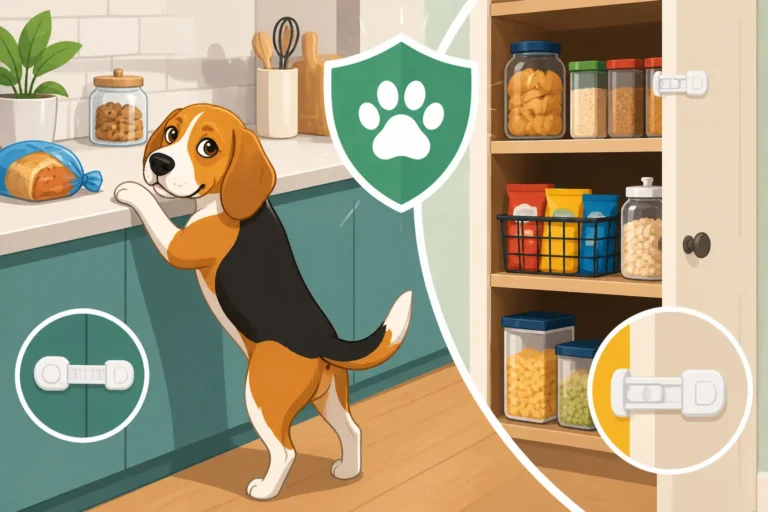
One of the most frequently reported side effects of certain anti-seizure medications, particularly phenobarbital, is a noticeable increase in appetite. It's like your Beagle suddenly has a perpetual case of the munchies! You might find your hound constantly scavenging, begging for food, and acting as if they haven't eaten in days, even right after a meal. This isn't just a minor annoyance; it's a genuine physiological response to the medication. The drug can interfere with the signals that tell your dog they're full, leading to persistent hunger.
This ravenous appetite can quickly lead to weight gain, which brings its own host of problems. Excess weight puts additional strain on joints, especially relevant for a breed like the Beagle which can be prone to Beagle Hip Dysplasia and Everyday Joint Wear or Beagle Disc Disease and That Slightly Long Back. Obesity also increases the risk of other health issues, such as diabetes and heart disease. It's a vicious cycle: the medication makes them hungrier, they eat more, they gain weight, and that weight then impacts other aspects of their health. It's truly frustrating to know the medication is helping with seizures but seemingly creating another problem.
Decreased Appetite and Weight Loss
While less common than increased appetite, some Beagles may experience a decrease in appetite or even nausea when starting certain seizure medications or during dose adjustments. This can be particularly true with drugs like potassium bromide or levetiracetam, especially in the initial stages of treatment. A Beagle who usually inhales their food suddenly turning their nose up at dinner can be incredibly concerning. You might try everything, from adding tasty toppers to offering different brands, only to be met with disinterest.
This decreased appetite can lead to weight loss and nutritional deficiencies if not managed carefully. A Beagle that isn't eating enough might become lethargic, weak, and their overall immune system could be compromised, making them more susceptible to other illnesses. Monitoring their weight and food intake becomes paramount. It's a fine line to walk, trying to get enough calories into them without causing further digestive upset or making mealtime a battle.
Gastrointestinal Upset
Beyond appetite changes, seizure medications can sometimes cause gastrointestinal upset. This might manifest as vomiting, diarrhea, or constipation. Phenobarbital and potassium bromide, for instance, are known to irritate the stomach in some dogs. Imagine your Beagle, usually robust and ready for anything, suddenly experiencing an upset tummy after every meal. It's heartbreaking to watch them suffer, and it adds another layer of stress to managing their condition.
Digestive issues can lead to discomfort, dehydration, and further complicate nutritional absorption. If your Beagle is having frequent loose stools or vomiting, they might not be getting the full benefit from their food, which can impact their energy levels and overall well-being. Keeping a close eye on their stool consistency and frequency, as well as any signs of nausea or discomfort after eating, is crucial. If they're also on Anti-Seizure Medication for an Epileptic Beagle, they might be on multiple drugs, making it even harder to pinpoint the exact cause of the GI distress.
Here's a quick overview of common seizure medications and how they can affect feeding:
| Medication Name | Common Appetite Effect | Common Digestive Effect | General Administration Note |
|---|---|---|---|
| Phenobarbital | Increased appetite, weight gain | Mild sedation, occasional GI upset initially | Can be given with or without food; consistent timing is key. |
| Potassium Bromide | Increased appetite, weight gain | Nausea, vomiting, diarrhea (especially initially) | Best given with food to minimize GI upset. |
| Levetiracetam (Keppra) | Usually no significant change, sometimes decreased appetite | Occasional mild GI upset | Can be given with or without food. |
| Zonisamide | Usually no significant change, sometimes decreased appetite | Occasional mild GI upset | Can be given with or without food. |
| Gabapentin | Mild sedation, increased appetite (less common than phenobarbital) | Occasional mild GI upset | Can be given with or without food. |
(Always consult your veterinarian for specific advice on your Beagle's medication and its administration.)
Dietary Strategies to Support a Beagle on Anti-Seizure Drugs
Dealing with the feeding challenges that come with anti-seizure medication requires a thoughtful and adaptable approach. The goal is always to maintain your Beagle's health, keep them at an ideal weight, and ensure they're getting proper nutrition, all while minimizing side effects and interactions. This often means working closely with your vet and being prepared to make adjustments.
Managing Increased Appetite
For Beagles experiencing an insatiable hunger from medication, strict portion control is your best friend. It’s hard to say no to those pleading Beagle eyes, but overfeeding can do more harm than good. Measure every meal precisely according to your veterinarian’s calorie recommendations. You might need to adjust your Beagle's overall The Daily Calorie Target for a Twenty Pound Beagle to account for their increased drive to eat, often reducing their baseline intake slightly to prevent weight gain.
Consider incorporating low-calorie, high-fiber fillers into their meals. Cooked green beans, pumpkin puree (plain, not pie filling), or even certain leafy greens can add bulk to their bowl without adding many calories, helping them feel fuller. You can also explore specific weight management diets, which are formulated to be lower in calories but still provide complete nutrition. Brands like Purina Pro Plan Veterinary Diets or Royal Canin Veterinary Diets often have prescription options for weight control. Ordering these specialized foods through reputable online retailers like Chewy can be very convenient, especially if your local pet store doesn't stock them.
Addressing Decreased Appetite or Nausea
If your Beagle is turning away from their food, making mealtime more appealing becomes the priority. Warming their food slightly can enhance its aroma and make it more enticing. You can also try adding small amounts of highly palatable, safe foods like plain cooked chicken, bone broth, or a dollop of canned pumpkin to their regular kibble. For Beagles with very sensitive stomachs, some owners find success with fresh, human-grade food options. Services like Ollie deliver pre-portioned, gently cooked meals that can sometimes be easier on a delicate digestive system.
Dividing their daily food allowance into several smaller meals throughout the day, rather than two large ones, can also help. This reduces the amount of food in their stomach at any one time, potentially lessening nausea. If your Beagle is consistently refusing to eat, it's crucial to contact your vet. Persistent anorexia can lead to serious health complications, and they might need a medication adjustment or further diagnostic tests to rule out other issues. Remember, a Beagle Vomiting After Eating Something Outside is often different from medication-induced nausea, but both warrant veterinary attention.
Minimizing Drug-Food Interactions
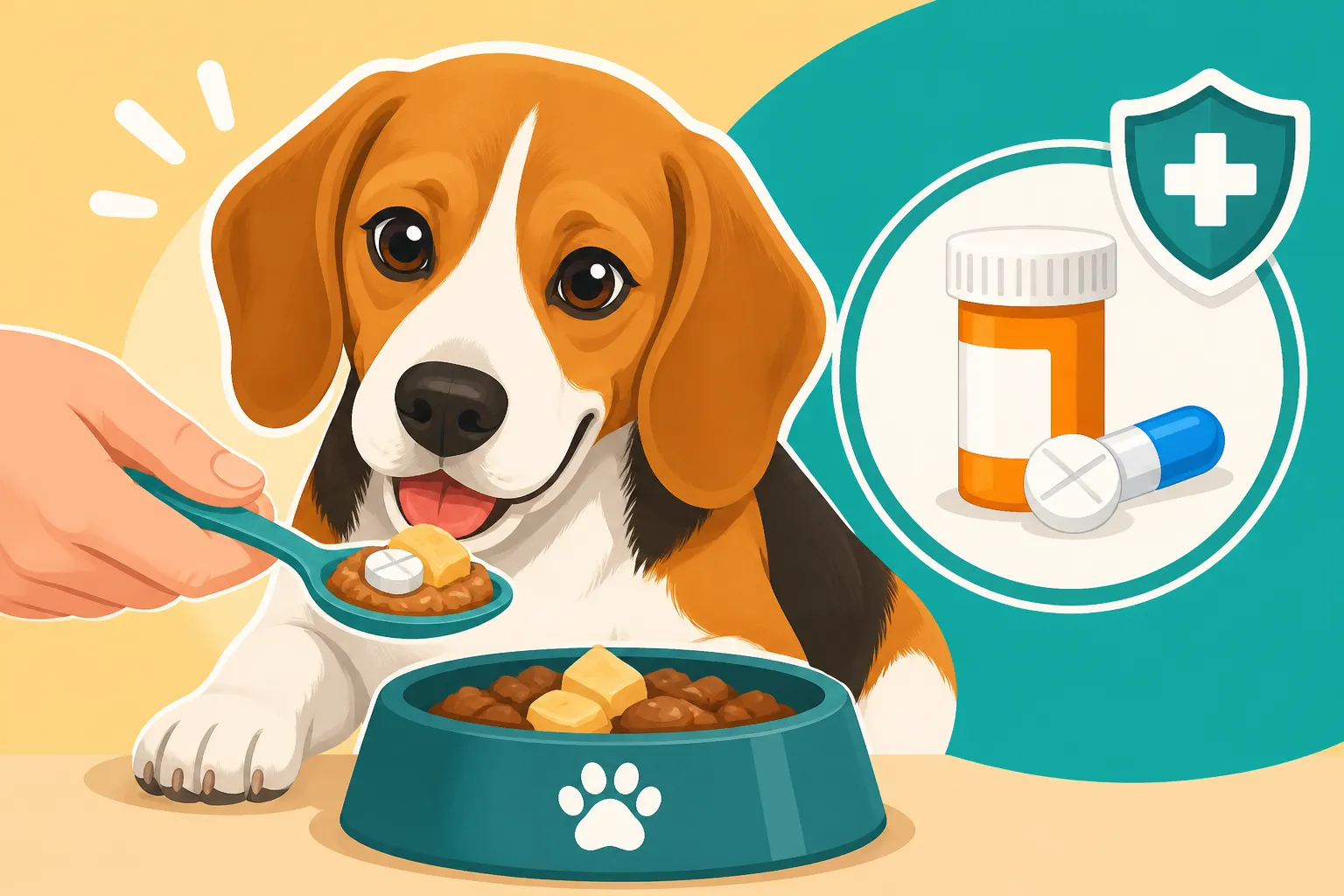
While most common anti-seizure medications don't have severe contraindications with typical commercial dog foods, it's still important to be aware of potential interactions. For instance, diets extremely high in fat can sometimes interfere with the absorption of certain medications. Always administer medication exactly as prescribed by your vet – some drugs are best given with food, while others on an empty stomach. If your vet advises giving the medication with food, ensure it's a consistent meal so the absorption is steady.
Certain supplements, particularly those with herbs or high concentrations of specific vitamins, could theoretically interact with anti-seizure drugs. Always clear any supplements with your vet before giving them to your Beagle. This includes things like fish oil, joint supplements, or probiotics. While many are safe and beneficial, your vet can advise on potential interactions and appropriate dosages for a dog on medication. When you're managing complex conditions like Beagle Epilepsy and Seizures From Six Months On, every detail matters, and communication with your veterinary team is paramount.
Nutritional Considerations for Seizure Control and Overall Health
Beyond just managing medication side effects, the diet you provide can play a supportive role in your Beagle’s overall neurological health and potentially even contribute to better seizure control, always in conjunction with their prescribed medication. This isn't about "curing" epilepsy with diet, but rather optimizing their body's environment to support stability.
Balanced and Consistent Nutrition
A consistent, high-quality, and balanced diet is foundational for any Beagle, but especially one with epilepsy. Sudden changes in diet can sometimes trigger digestive upset or even, in rare cases, a seizure in sensitive individuals. Sticking to a consistent feeding schedule and a reputable, complete, and balanced dog food is often the best approach. Look for foods with good quality protein sources, healthy fats, and complex carbohydrates.
Some veterinarians may suggest diets with a specific macronutrient profile, such as those slightly higher in fat and lower in carbohydrates, or those containing Medium Chain Triglycerides (MCTs). MCTs, found in sources like coconut oil, have been studied for their potential neuroprotective effects and ability to provide an alternative energy source for the brain. However, these dietary changes should only be made under the direct guidance and supervision of your veterinarian, or a veterinary nutritionist, as an improper balance can be detrimental. You can often find high-quality supplements and oils on platforms like Amazon, but vet consultation on dosage and suitability is critical.
The Role of Essential Fatty Acids
Omega-3 fatty acids, particularly EPA and DHA, are well-known for their anti-inflammatory properties and their role in brain health. While they are not a cure for epilepsy, ensuring your Beagle receives adequate omega-3s can support overall neurological function and potentially reduce inflammation, which might be beneficial for dogs with seizure disorders. Fish oil supplements are a common way to boost omega-3 intake.
Discuss with your vet whether an omega-3 supplement is appropriate for your Beagle, and what dosage they recommend. As mentioned, even beneficial supplements need to be vetted for potential interactions with existing seizure medications. Ensuring a healthy inflammatory response in the body can be one piece of the puzzle in managing chronic conditions, and diet plays a significant role in this.
Hydration and Meal Timing
Proper hydration is always important, but for Beagles on seizure medication, it's particularly vital. Some medications can increase thirst, and adequate water intake helps with kidney function and overall well-being. Always ensure your Beagle has access to fresh, clean water.
Consistent meal timing is also incredibly important. Administering medication at the same time each day, often tied to a meal, helps maintain a steady level of the drug in their system. This consistency is key to effective seizure control. Keeping a Seizure Diary for Your Beagle that notes meal times, medication times, and any associated side effects can provide invaluable data for your vet to optimize your Beagle's treatment plan. If your vet has prescribed Phenobarbital for a Beagle With Epilepsy or Potassium Bromide as a Beagle Seizure Drug, maintaining consistent drug levels is critical. Furthermore, remember that Liver Monitoring for a Beagle on Seizure Medication is often required, and proper nutrition supports organ health.
Working with Your Veterinarian for Optimal Feeding
Navigating the dietary needs of a Beagle on seizure medication is a team effort. Your veterinarian is your most valuable resource and should be involved in every decision regarding your dog's diet and medication.
Regular Check-ups and Monitoring
Regular veterinary check-ups are non-negotiable for a Beagle with epilepsy. These appointments allow your vet to monitor your Beagle's overall health, assess their weight, and evaluate the effectiveness and side effects of their medication. During these visits, be prepared to discuss:
- Appetite changes: Has their hunger increased or decreased?
- Weight fluctuations: Have they gained or lost weight?
- Digestive issues: Are they experiencing vomiting, diarrhea, or constipation?
- Food intake: How much are they eating daily, and what specifically are they eating?
- Medication administration: Are you giving the medication consistently, and with or without food as prescribed?
Your vet might recommend specific blood tests to monitor drug levels and check organ function, especially for medications like phenobarbital which can affect the liver. These tests help ensure the medication dosage is correct and that your Beagle's body is tolerating it well.
Customizing the Diet Plan
Based on your Beagle’s individual response to medication, your vet may recommend specific dietary adjustments. This could range from recommending a specific brand of dog food designed for sensitive stomachs or weight management, to suggesting the inclusion of certain supplements. Do not attempt to drastically change your Beagle's diet or add significant supplements without veterinary guidance, as this could inadvertently interfere with their medication or cause other health problems.
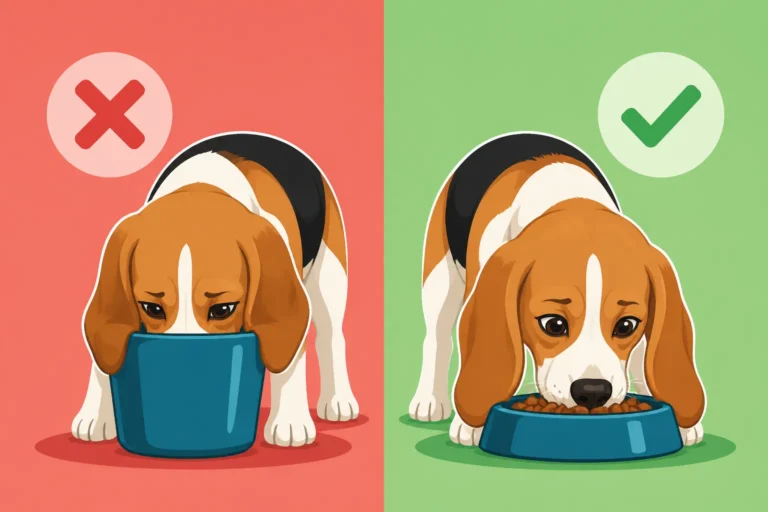
For instance, if your Beagle is gaining too much weight, your vet might prescribe a special diet for Beagle Obesity and the Diseases It Brings On. If they have severe digestive upset, a novel protein or easily digestible diet might be suggested. Every Beagle is unique, and their dietary needs while on seizure medication will be personalized. Sometimes, just slowing down their eating with a puzzle feeder or a slow-feed bowl (easily found on Amazon) can make a huge difference, particularly for a Beagle prone to Beagle Gulping Food and the Choking Risk.
Ultimately, feeding a Beagle on seizure medication requires patience, observation, and a strong partnership with your veterinary team. While it can feel overwhelming at times, remember that every step you take to provide consistent care and optimal nutrition contributes to your Beagle's comfort and quality of life.
Disclaimer
This article is for general informational purposes only and does not constitute professional advice. Laws, prices and regulations vary by location and change over time. Consult a qualified professional for guidance on your specific situation.