Family Members Who Keep Slipping the Beagle Food
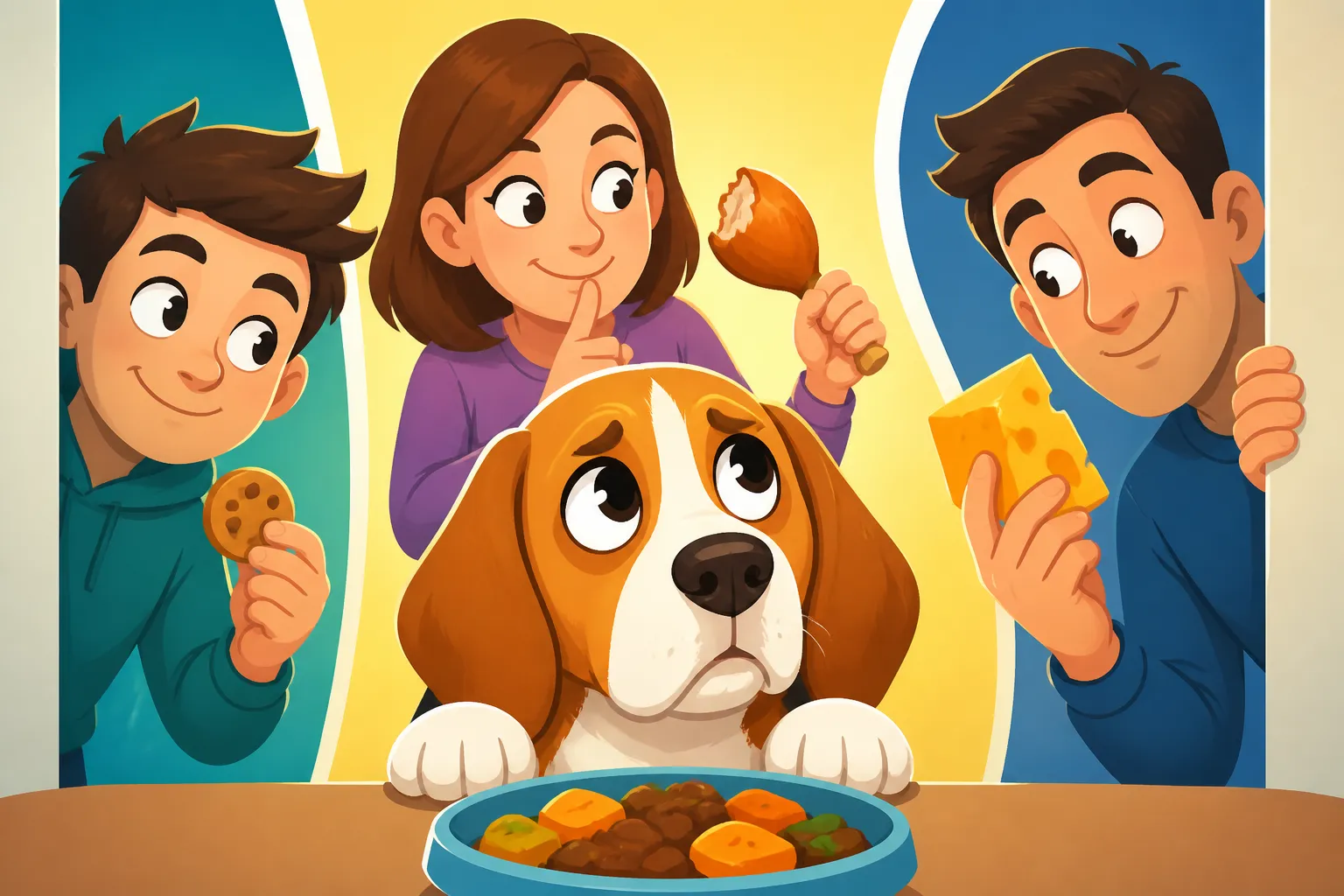
It's a scene many of us Beagle owners know all too well: you turn your back for a second, and there's Aunt Carol slipping a piece of her casserole under the table to those big, pleading eyes. Or perhaps it's your partner sharing their toast, convinced "just a little bit" won't hurt. This well-intentioned but often harmful habit of family members slipping food can quickly undermine your efforts to keep your Beagle healthy and well-behaved. This guide will help you understand the genuine risks and offer practical, empathetic strategies to get everyone on the same page for your beloved hound's well-being.
The Hidden Dangers of Extra Treats and Table Scraps
That little morsel from the dinner table might seem harmless, a tiny act of love, but for a Beagle, it can be a slippery slope toward significant health problems. Our Beagles are notoriously food-driven, a trait that makes them incredibly endearing but also highly susceptible to the negative consequences of an unregulated diet. What starts as a small bite of chicken can quickly spiral into a habit that compromises their entire system.
Weight Gain and Its Consequences
One of the most immediate and visible problems stemming from slipped food is weight gain. Beagles are already prone to carrying extra pounds if their diet and exercise aren't carefully managed. Every single bite of human food, no matter how small, adds calories that aren't accounted for in their carefully portioned dog food. Over time, these extra calories accumulate, leading to excess weight. This isn't just about aesthetics; being overweight puts immense strain on your Beagle's joints, exacerbating conditions like arthritis and making them more susceptible to injuries. You might find yourself dealing with Beagle Obesity and the Diseases It Brings On far sooner than you'd expect. Their little bodies aren't built to carry much extra weight, and it significantly shortens their active, happy years.
Beyond joint stress, obesity opens the door to a host of other serious health issues. An overweight Beagle faces an increased risk of developing diabetes, heart disease, and even certain types of cancer. Their mobility decreases, making it harder for them to enjoy walks, play, and engage in the very activities that keep them mentally and physically stimulated. This cycle can be incredibly frustrating for an owner trying their best, especially when the extra pounds are unknowingly contributed by well-meaning family. We often see How Extra Weight Raises Beagle Disc Pressure as well, which is a major concern for a breed already susceptible to back problems.
Digestive Upsets and Pancreatitis Risk
Many human foods are simply not formulated for a dog's digestive system. They're often too rich, too fatty, too salty, or contain ingredients that are difficult for Beagles to process. Even foods that seem innocuous, like a piece of bread or a sliver of cheese, can throw off their sensitive stomachs. The immediate result can be unpleasant: vomiting, diarrhea, or uncomfortable gas. Imagine your Beagle waking you up in the middle of the night with an upset tummy because of a snack someone thought was a kindness. It's not fun for anyone involved, least of all your dog.
Far more serious than a simple upset stomach is the risk of pancreatitis. This is an inflammation of the pancreas, often triggered by a sudden intake of fatty foods. Beagles, with their voracious appetites, are particularly vulnerable. Pancreatitis is incredibly painful, can require emergency veterinary care, and can even be life-threatening. The recovery is often long and involves strict dietary restrictions and medication. It's a stark reminder that a seemingly innocent piece of bacon or fried chicken can have devastating consequences. Educating family about The Foods That Are Toxic to a Beagle is a critical first step, but even "safe" human foods in excess can cause major problems.
Creating Picky Eaters and Food Refusal
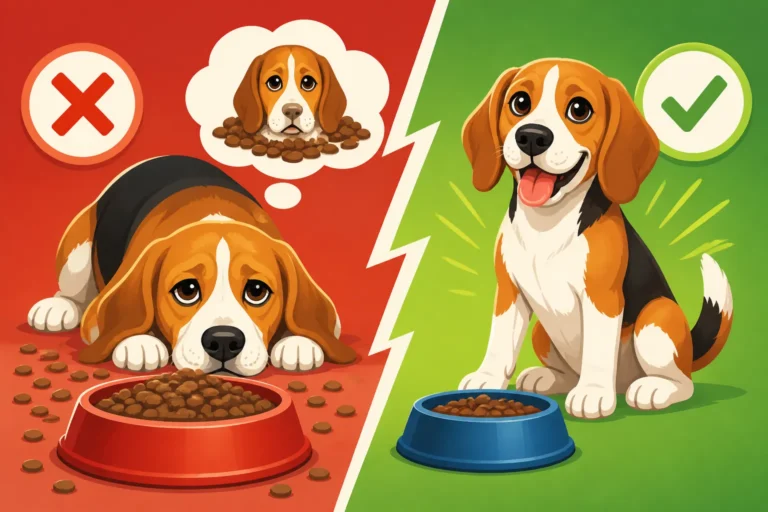
Beagles are intelligent and learn quickly, especially when it comes to food. If they consistently receive enticing, high-value human food, their regular dog food can suddenly seem incredibly boring by comparison. Why eat plain old kibble when a delicious scrap of steak or a bite of cheese might be just around the corner? This can lead to your Beagle refusing their meals, holding out for something better. This isn't them being "stubborn"; it's them being smart and leveraging a learned behavior.
This pickiness can make it challenging to ensure your Beagle gets all the necessary nutrients from their balanced dog food. It can also complicate managing their weight or any dietary restrictions they might have for health reasons. When a Beagle becomes a picky eater, meal times become a battle, and you might find yourself constantly trying to coax them to eat their proper food, all because a family member unknowingly reinforced the idea that human food is superior. It disrupts the very routine that keeps them healthy and well-adjusted.
Why Family Members Keep Slipping Food
Understanding why family members might undermine your Beagle's diet is half the battle. It's rarely out of malice or a desire to cause harm; more often, it stems from a place of love, misunderstanding, or ingrained habits. Pointing fingers or getting angry often backfires, making people defensive and less likely to change their behavior. Instead, approaching the situation with empathy and education can yield much better results for everyone, especially your Beagle.
The "But They Look So Hungry!" Factor
Let's face it: Beagles have an undeniable charm, especially when food is involved. Their big, soulful eyes, their mournful baying, their expert "sit-stays" right by your feet, all convey an illusion of perpetual starvation. It's a testament to their incredible talent for manipulation (in the most adorable way possible!). For family members who aren't constantly managing a Beagle's diet, it's easy to fall prey to this act. They genuinely believe the dog is famished and that a small piece of food is a kindness, not a potential health risk.
This is deeply ingrained in a Beagle's nature. They were bred to hunt and follow a scent trail relentlessly, and that strong drive naturally extends to food. They always want food, even when they've just eaten a full meal. Their noses are constantly working, detecting every crumb, every stray scent. This intense focus on anything edible can make it incredibly hard for people to resist. It’s a part of The Beagle Food Drive That Empties Your Counters, a phenomenon we Beagle owners are all too familiar with. The key is to help family members understand that "looking hungry" doesn't mean "is hungry."
Lack of Awareness About Proper Canine Nutrition
Many people, even those who love dogs dearly, simply don't have a deep understanding of canine nutritional needs or what foods are genuinely safe. They might assume that if a food is good for humans, it must be fine for dogs, or that tiny amounts of anything won't matter. They might not realize that some foods, like grapes, xylitol (a common artificial sweetener), or onions, are outright toxic to dogs, even in small quantities. They might also not be aware of the calorie density of human foods compared to a Beagle's daily requirements.
This knowledge gap is particularly common with foods rich in fat or sugar. A bite of cake, a piece of fried chicken skin, or a dollop of ice cream might seem like a harmless treat, but these are often too much for a Beagle's system. Without this critical information, family members are operating under the assumption that they're being generous, not potentially jeopardizing your dog's health. We rely on careful dietary choices and often choose carefully formulated foods, perhaps from a brand like Ollie, because we understand the specific needs of our Beagles. It’s important to share the basic principles of Reading the Label on a Bag of Beagle Food with them, so they understand the difference.
Old Habits and Cultural Norms
For some, sharing food with a dog is a deeply ingrained habit, perhaps from childhood or from how pets were treated in their family growing up. Grandparents, in particular, often enjoy "spoiling" their grandchildren and extend that same loving gesture to the family dog. It’s a way they show affection and feel connected to the pet. Changing these long-standing behaviors and traditions can be incredibly difficult, as it often feels like you’re asking them to stop showing love to the dog.
Beyond individual habits, there's also a cultural aspect. In many societies, dogs have historically been fed scraps from the table. While modern veterinary science and nutritional understanding have evolved, these older practices can persist. Overcoming these established norms requires patience, clear communication, and a gentle approach rather than an accusatory one. It’s not about judging their past actions, but about educating them on the best practices for your Beagle's current health.
Strategies for Getting Everyone on Board
Once you understand the motivations behind your family's food-slipping habits, you can start implementing effective strategies to change the behavior. The goal isn't to create animosity but to foster a united front for your Beagle's health. This requires a blend of education, clear boundaries, and offering alternative, positive ways for family members to interact with your dog around food.
Education and Open Communication
The most crucial first step is to sit down with everyone involved and have an open, non-confrontational discussion. Explain why you're concerned. Frame it around the Beagle's health and well-being, not as a personal attack on their generosity. Share facts about the risks of obesity, pancreatitis, and toxic foods. If your vet has commented on your Beagle's weight, or if they have any health conditions that diet impacts, bring that up as professional advice. Sometimes, hearing it from a trusted authority (even if it's relayed by you) makes a bigger impact.
You could share articles or resources that explain the issues, such as information on Beagle Obesity Treated as a Health Problem. Consider creating a simple visual guide – a laminated sheet on the fridge, perhaps – that clearly lists "Beagle-Safe Snacks" and "Never Give These." This takes the guesswork out of it and provides a quick reference, especially for guests or occasional visitors. Emphasize that you appreciate their love for the Beagle, but that love needs to be expressed in ways that support their long-term health, not jeopardize it.
Designated "Beagle-Safe" Treat Zones
Instead of a blanket "no human food ever" rule, which can feel restrictive and lead to secret feeding, offer acceptable alternatives. Designate specific, low-calorie, healthy treats that family members can give to the Beagle. Think small pieces of carrot, green beans, or blueberries. You can even keep a jar of these approved treats in a visible, accessible spot in the kitchen, perhaps a bulk bag from Chewy or a specially selected healthy treat from Amazon. This way, when the urge to "share" strikes, they have a safe, veterinarian-approved option ready.
This approach gives family members a way to still feel involved in treating the dog without causing harm. It redirects their generosity towards healthy choices. Make sure to clearly communicate the quantity – for example, "one small piece of carrot per person, please!" Reinforce that these treats should be given as part of a training exercise or as a reward for calm behavior, not just handed over freely every time the dog begs. This helps reinforce good manners rather than encouraging constant begging. Treats Small Enough for a Hundred Beagle Repetitions are perfect for this, as they allow for plenty of positive interaction without adding too many calories.
Implementing a Consistent Feeding Schedule
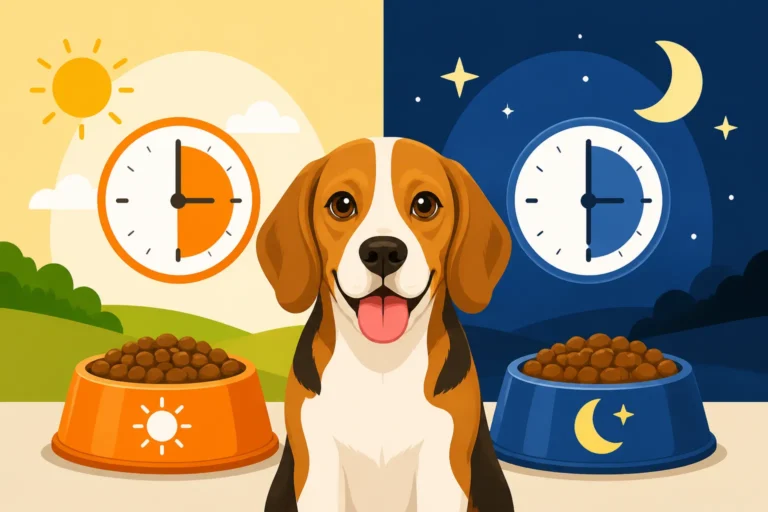
A consistent and structured feeding schedule for your Beagle can significantly reduce begging behavior and give your family a better understanding of when your dog is truly "fed." If your Beagle is free-fed (food left out all day), it’s much harder for family members to gauge if they're actually hungry or just being opportunistic. Switching to two or three measured meals a day helps regulate their appetite and provides predictable meal times.
Involve family members in this schedule. Perhaps Aunt Carol could be in charge of one of the daily meals instead of slipping scraps. This gives them a positive, structured way to interact with your Beagle around food. You can also utilize slow feeders or puzzle toys during these meals to extend the eating time, which can satisfy their strong food drive and make them feel fuller for longer. This strategy not only helps control portions but also provides mental stimulation, tiring them out in a good way.
Setting Boundaries and Maintaining Consistency
Even with education and alternatives, establishing firm boundaries and maintaining absolute consistency is paramount. Beagles are master opportunists, and if they sense even a tiny crack in the rules, they will exploit it. Every family member, every guest, needs to understand and adhere to the same guidelines for your Beagle's health and your sanity.
Establishing a "No Table Scraps" Rule for Everyone
This is the golden rule: absolutely no food from the human table. No exceptions, no matter how small the bite, no matter how special the occasion. Even a crumb or a lick from a plate can reinforce begging behavior and confuse your Beagle about the rules. It needs to be an all-or-nothing approach. If one person slips food, your Beagle will quickly learn that it’s worth begging everyone, because eventually, someone will cave.
Emphasize that this rule applies to everyone – visitors, children, neighbors, house-sitters. It might feel strict, but it’s the most effective way to protect your Beagle’s health and maintain good behavior. If you have younger children, explain it in simple terms: "Our Beagle only eats his special dog food to stay strong and healthy, just like you need your healthy meals." Consistency prevents confusion for your dog and makes it easier for everyone else to follow.
Management Techniques During Mealtimes
Sometimes, the easiest way to prevent food-slipping is to remove the opportunity entirely. During human mealtimes, consider giving your Beagle a designated "place" away from the dining area. This could be their crate, a dog bed in another room, or a specific mat where they can settle. Reward them for staying in their spot with one of their approved, low-calorie treats or a long-lasting chew. Crate Training a Beagle Bred to Sleep in a Pack can be incredibly useful for teaching them to settle calmly during these times.
Another great strategy is to provide them with a high-value, long-lasting diversion before your meal starts. A KONG toy stuffed with peanut butter (xylitol-free!), plain yogurt, or some of their kibble, then frozen, can keep them occupied for a significant portion of your meal. This makes your mealtime more peaceful and prevents the intense begging that often leads family members to give in. It’s also a good idea to ensure your kitchen is Beagle-Proofing the Kitchen and the Pantry to prevent unauthorized access to food.
Positive Reinforcement for Good Behavior
While it’s important to set boundaries, it’s equally vital to reward your Beagle for good behavior around food. If they settle calmly in their spot, or if they choose to ignore food dropped on the floor (after training a solid "leave it"), praise them enthusiastically and give them one of their designated, healthy treats. This reinforces the behaviors you want to see, rather than constantly focusing on what they shouldn't do.
Redirecting their attention can also be effective. If your Beagle starts to beg, gently guide them to their designated spot, or ask them to perform a known trick like "sit" or "down," then reward that action with their approved treat. This teaches them that calm, polite behavior earns rewards, while begging does not. Ultimately, this approach helps everyone in the family contribute positively to your Beagle's training and health, turning potential conflict into cooperation. Remember, a healthy Beagle is a happy Beagle, and that's a goal everyone can agree on.
| Human Food Item | Is it safe for Beagles? | Potential Risks | Healthier Beagle Alternative |
|---|---|---|---|
| Chocolate | No | Toxic, can cause vomiting, diarrhea, seizures, death | Dog-safe carob treats, or a small piece of apple |
| Grapes/Raisins | No | Highly toxic, can cause kidney failure | Blueberries, green beans |
| Onions/Garlic | No | Toxic, can damage red blood cells | Plain cooked sweet potato |
| Avocados | No (especially the pit) | Contains persin, can cause vomiting/diarrhea; choking hazard | Small amounts of plain cooked pumpkin |
| Cooked Bones | No | Splinter and cause internal damage or choking | Raw, appropriate recreational bones (under supervision), dental chews |
| Fatty Meats/Skin | No | Can cause pancreatitis, obesity, digestive upset | Small pieces of lean, cooked chicken or turkey (no seasoning) |
| Dairy (large amounts) | No | Lactose intolerance, digestive upset | Small amounts of plain yogurt (xylitol-free) |
| Xylitol (sweetener) | No | Highly toxic, can cause rapid blood sugar drop, liver failure | Any dog-specific treat, plain fresh veggies |
| Alcohol | No | Toxic, can cause vomiting, diarrhea, central nervous system depression | Water! |
| Bread (small plain) | Yes (in moderation) | High in carbs, can lead to weight gain; no nutritional value | Better to offer a piece of carrot |
| Carrots | Yes | Healthy, low-calorie, good for teeth | Excellent, crunchy snack |
| Green Beans | Yes | Low-calorie, good fiber | Great for bulking out meals or as a treat |
| Apple Slices | Yes (no seeds/core) | Good source of fiber and vitamins | Refreshing, crunchy treat |
| Blueberries | Yes | Antioxidant-rich, low-calorie | Healthy, bite-sized snack |
Disclaimer
This article is for general informational purposes only and does not constitute professional advice. Laws, prices and regulations vary by location and change over time. Consult a qualified professional for guidance on your specific situation.