Splitting a Beagle’s Day Into Two Measured Meals
It's a familiar sight for so many Beagle owners: that hungry gaze, those pleading eyes, the way they seem to vacuum up their food in mere seconds, then look at you like they haven't eaten in a week. Managing a Beagle's diet can feel like an endless battle against their insatiable appetite, often leading to concerns about weight gain and potential health issues. This guide is here to help you navigate those mealtime challenges by explaining why splitting your Beagle's daily food into two carefully measured meals is not just convenient, but essential for their health and happiness, and how to implement this routine successfully.
Why Two Meals a Day is the Sweet Spot for Your Beagle
When you bring a Beagle into your life, you quickly learn about their incredible food drive. They live to eat, and if given the chance, many would eat until they're uncomfortably full. This isn't just about their endearing "hungry hound" personality; it's deeply rooted in their biology and history. Beagles were bred to work in packs, where competition for food was intense. Eating quickly and efficiently was a survival mechanism. However, in our homes, this instinct can lead to problems if not properly managed.
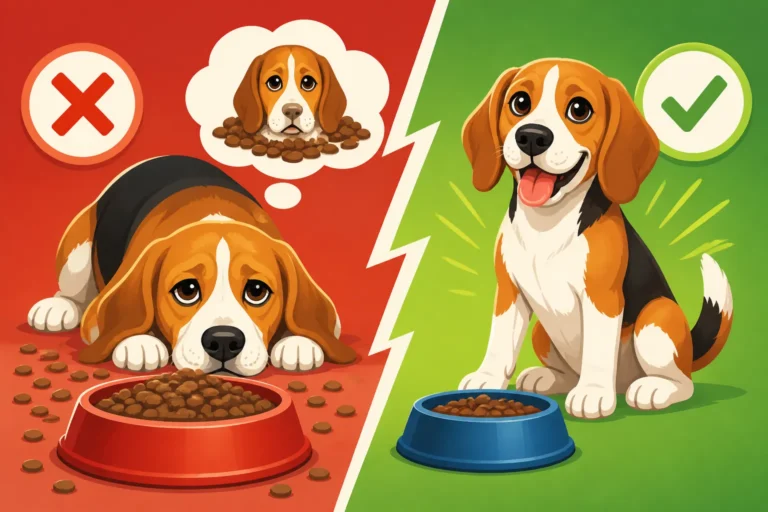
Splitting their daily food allowance into two measured meals provides a much better solution than free-feeding or a single large meal. Free-feeding, where food is left out all day, almost inevitably leads to obesity in a breed like the Beagle. They lack the self-control to graze responsibly. A single, large meal, while seemingly simpler, can be rough on their digestive system, potentially leading to discomfort, bloating, or even gulping air that causes gas. More critically, a single meal means a longer stretch between eating, which can exacerbate that intense hunger and make them more prone to Beagle Counter Surfing and Trash Raiding throughout the day.
Two meals offer a more balanced approach. It helps regulate their blood sugar levels, preventing those extreme hunger pangs that can lead to undesirable behaviors. Think of it like our own eating habits – we tend to feel better and have more sustained energy with a couple of balanced meals rather than one huge feast. For a Beagle, this translates to better digestion, less frantic eating, and a more predictable schedule that reduces anxiety around food. It allows their body to process nutrients more efficiently and helps to maintain a healthy metabolism, which is crucial given their predisposition to issues like Beagle Hypothyroidism and Sudden Weight Gain.
Regulating Hunger and Energy Levels
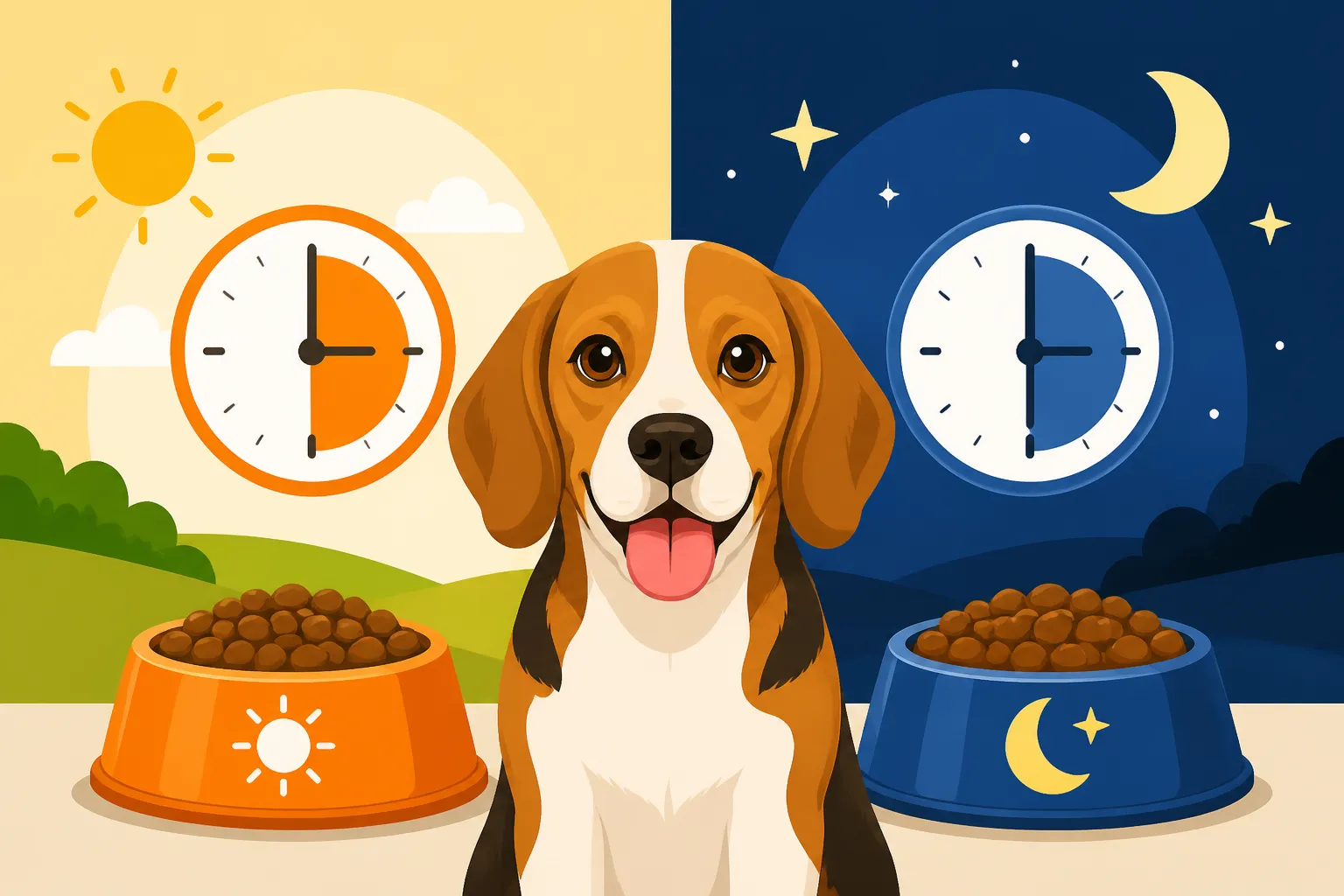
Imagine having one meal at 7 AM and not eating again until 7 AM the next day. You'd likely be ravenous, sluggish, and maybe a little grumpy by the evening! Beagles, while not quite the same, benefit from a similar rhythm. Two meals, typically given twelve hours apart (say, 7 AM and 7 PM), break up the day into manageable feeding windows. This helps to keep their energy levels more stable, preventing the dips and peaks that can occur with single feedings.
When a Beagle knows a meal is coming at a consistent time, it can actually reduce their perceived hunger throughout the day. They learn to trust the routine. This predictable schedule can make them less obsessive about finding stray crumbs or attempting to "hunt" for snacks. It also provides two clear opportunities for you to check in on their appetite and ensure they're eating normally, which can be an early indicator of potential health issues. Regular feeding times also naturally tie into their potty schedule, making house training and management a bit easier.
Preventing Gulping and Digestive Upset
Beagles are notorious for being "hoovers" – they inhale their food rather than chew it. This fast eating can lead to several problems. Firstly, they often swallow a lot of air, which can result in uncomfortable gas and bloating. Secondly, large, undigested chunks of food can be harder on their digestive system, leading to indigestion or even regurgitation. In severe, albeit rarer cases, extremely rapid eating has been linked to conditions like bloat (gastric dilatation-volvulus), especially in deep-chested breeds, though it's less common in Beagles than some others.
By splitting their food into two portions, you naturally reduce the volume of food in each sitting. This can slightly slow down their eating, as there's simply less to get through. However, for serious gobblers, you might also consider using a slow feeder bowl. These bowls have ridges or obstacles that force the dog to eat around them, significantly extending mealtime. You can find excellent options on Amazon or Chewy that are specifically designed to challenge fast eaters. This combination of smaller, separated meals and a slow feeder can dramatically improve digestion and reduce the risk of discomfort for your beloved hound.
How to Accurately Measure Your Beagle's Food
This is where the rubber meets the road! A Beagle's caloric needs aren't static; they depend on their age, activity level, and whether they're spayed or neutered. Free-feeding by simply pouring food into a bowl until it looks "about right" is a recipe for an overweight Beagle. Precision is key to maintaining their ideal body condition and ensuring they're getting the right nutrients without packing on the pounds.
The first step is understanding your specific Beagle's needs. A good starting point is usually the feeding guidelines on your dog food bag, but these are just averages. Many Beagles are prone to weight gain, and you might find that you need to feed slightly less than the recommendation. For example, The Daily Calorie Target for a Twenty Pound Beagle can vary, and it's always best to consult with your veterinarian. They can help you determine the ideal weight for your individual Beagle and calculate their daily caloric intake.
Once you have that magic number, you need to divide it in half for each meal. Then, it's about accurate measurement. Throw away those old coffee mugs or generic plastic cups. They are notoriously inaccurate and can lead to significant overfeeding over time.
Using a Kitchen Scale for Precision
The absolute best way to measure your Beagle's food is by weight, not volume. Different kibbles have different densities, meaning a cup of one brand might weigh significantly more or less than a cup of another, even if they appear to fill the same space. Measuring Beagle Food by Weight Rather Than Cups eliminates this variability. A simple digital kitchen scale is an inexpensive investment that will pay dividends in your Beagle's health.
Here's how to do it:
- Find the Weight: Look at your dog food bag for the "calories per cup" or "grams per cup" information. If it only gives calories per kilogram or pound, you'll need to do a little math or find an online converter. Your vet can also help you with this.
- Calculate Daily Needs: Based on your vet's recommendation or careful calculation, determine how many total grams or ounces of food your Beagle needs per day.
- Divide by Two: Split that total weight in half for each meal.
- Weigh It Out: Place your Beagle's bowl on the digital kitchen scale, tare it to zero, and then add the food until you reach the target weight for that meal.
This method takes out all the guesswork. You can find reliable kitchen scales on Amazon or even at your local department store. It might feel a bit fussy at first, but it quickly becomes a habit, and knowing you're providing your Beagle with exactly what they need is incredibly reassuring. This precision is especially important if your Beagle is on a Prescription Weight Loss Food for a Beagle or has specific dietary requirements.
Understanding Caloric Density and Activity Levels
Not all dog foods are created equal, especially when it comes to caloric density. Some premium kibbles pack more calories into a smaller volume, while others might be less dense. Always check the nutritional information on the bag. If you switch food brands, you'll need to recalculate your Beagle's daily allowance, as a straight cup-for-cup swap might result in over or underfeeding.
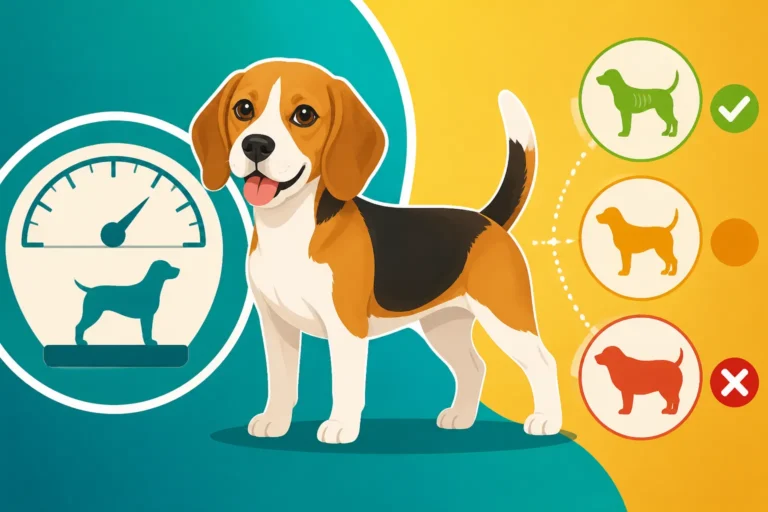
Your Beagle's activity level also plays a huge role. A Beagle who spends an hour daily running around an agility course or doing rigorous scent work will burn more calories than one who enjoys leisurely strolls around the block. As Beagles age, their metabolism often slows down, and their activity might decrease, meaning their caloric needs will also shift. Feeding a Senior Beagle Past the Age of Ten often involves reducing their overall intake to prevent weight gain. Regularly assessing your Beagle's body condition score – feeling for their ribs and checking their waistline – is crucial to adjust their food intake as needed. If you notice they're gaining weight, reducing their meal portions slightly is often the first step, always in consultation with your vet.
Transitioning to a Two-Meal Schedule
Changing a Beagle's routine, especially around food, can sometimes feel like a diplomatic mission. They are creatures of habit, and their food drive means they're very invested in their mealtimes! However, with a little patience and consistency, you can successfully transition your Beagle to a two-meal-a-day schedule. This is particularly important if you're moving away from free-feeding, which, as we've discussed, is often Why Free Feeding Fails Badly With a Beagle.
The key is to make the change gradually if your Beagle is currently used to having food available all the time. If they're already on a one-meal-a-day schedule, the transition is simpler: you'll just divide that single meal into two smaller ones.
Moving From Free-Feeding to Scheduled Meals
This can be the trickiest transition because your Beagle has been used to instant gratification. Here’s a step-by-step approach:
- Determine Daily Amount: First, figure out the total amount of food your Beagle should be eating in a 24-hour period (using the accurate measurement methods we just discussed).
- Initial Offering: On day one, offer half of that daily amount at a designated morning time (e.g., 7 AM). Leave it down for 15-20 minutes. If your Beagle doesn't eat it all, pick it up. Do not put it back down until the next scheduled meal.
- Second Offering: Offer the second half of the daily amount at your designated evening time (e.g., 7 PM). Again, leave it down for 15-20 minutes, then pick it up.
- Stay Strong: Your Beagle might ignore the food at first, especially if they're used to waiting for "better" options or knowing it will always be there. They might even try to hold out for a day or two. This is normal. A healthy dog will not starve itself. They will quickly learn that food is available only at specific times.
- Consistency is King: The most important thing is consistency. Stick to the exact same meal times every single day, including weekends. This predictability is what helps them adjust.
- Avoid Snacking: During this transition, be extra vigilant about not giving them extra treats or table scraps outside of training sessions, as this can undermine the whole process.
Within a few days to a week, most Beagles will adapt remarkably well to this new schedule. They'll start looking forward to their meal times and typically eat their food promptly.
Setting Up a Routine and Designated Meal Spaces
Beyond just the timing, creating a consistent environment for meals helps reinforce the routine. Choose a specific spot where your Beagle will always eat – perhaps their crate, a quiet corner of the kitchen, or a mat in the living room. This creates a predictable "restaurant" environment for them.
Consider the equipment you're using. If your Beagle is a fast eater, invest in one of those slow feeder bowls. There are many fun designs available that make mealtime a puzzle, engaging their brain while slowing them down. You can find a good selection from brands like Outward Hound on Chewy or Amazon. If your Beagle has long ears, consider an elevated bowl or a "spaniel bowl" that is narrow and deep to keep their ears out of the food, preventing mess and potential ear irritation. Cleaning a Beagle Ear Before Infection Starts is important, but preventing dirty ears at mealtime is even better.
A consistent routine offers more than just practical benefits; it provides psychological comfort for your Beagle. Knowing when and where their meals will arrive reduces anxiety and builds trust between you. It's a foundational element of their daily structure, contributing to their overall well-being.
Common Pitfalls and Solutions for Mealtime Management
Even with the best intentions, managing a Beagle's meals isn't always smooth sailing. Their powerful food drive, combined with their cleverness and charming persistence, can present some unique challenges. It's important to anticipate these and have strategies in place to keep your mealtime routine on track.
One of the biggest struggles is dealing with their endless begging. Beagles are masters of the sad-eyed stare and the mournful sigh. Another challenge is preventing them from becoming opportunistic scavengers, eyeing everything on your counters or in the trash. These behaviors, while frustrating, often stem from their natural instincts and can be managed with consistent training and environmental control.
Dealing with the Begging and Counter Surfing
The Beagle gaze, especially when food is involved, could melt glaciers. It's easy to give in, just a tiny scrap, but every single time you do, you reinforce the begging behavior. The most effective solution is prevention: do not feed your Beagle from the table, ever. If you want to give them a special treat, make it part of a training exercise or a puzzle toy, away from your dining area.
For counter surfing, environmental management is crucial. A Beagle's nose is legendary, and if they can smell it, they will try to reach it. Ensure all food is pushed far back on counters or stored securely in cabinets. A Beagle can be surprisingly agile and determined! Consider installing childproof latches on lower cabinets if your Beagle has figured out how to open them. For those particularly persistent counter surfers, teaching a strong "leave it" command is invaluable. Practice with low-value items on the floor, gradually increasing the temptation. Remember that A Beagle That Raids the Trash Every Night is often a Beagle whose owner hasn't invested in a truly Beagle-proof trash can.
Another strategy is to make mealtime a positive, calm experience for your Beagle. If they know their food is coming at a set time and they don't have to compete for it, they might be less prone to desperation. If begging persists, have them go to their mat or bed during your meal times and reward them for staying there calmly.
Incorporating Treats Without Overfeeding
Treats are an important part of training, especially for a food-motivated breed like the Beagle. However, they can quickly add up, leading to accidental weight gain. The solution is to factor treats into their daily caloric allowance. If you're giving a lot of treats for training, reduce the size of their regular meals slightly for that day.
Choose low-calorie, high-value treats that your Beagle loves. Many people use small pieces of cooked chicken, cheese, or even chopped carrots or green beans. You can also find commercially available training treats that are very small and designed for frequent use. Brands like Zuke's or Blue Buffalo offer options that are usually well-received. When you're working on something intense, like Beagle Recall That Works Before the Nose Wins, you'll need those super high-value treats to hold their attention.
Remember that a Beagle's food drive can be your biggest asset in training, but it requires careful management. Using their mealtime kibble as part of training sessions is a fantastic way to ensure they're still getting their calories while working for their food. Puzzle feeders and snuffle mats are also great for making them work for their food and providing mental enrichment without adding extra calories. This helps them burn off some energy and makes them less likely to search for extra snacks.
Ultimately, establishing a consistent, measured two-meal-a-day schedule for your Beagle is one of the most important things you can do for their long-term health and your peace of mind. It manages their strong food drive, prevents common health issues, and creates a predictable routine that fosters a happy, well-adjusted companion.
Disclaimer
This article is for general informational purposes only and does not constitute professional advice. Laws, prices and regulations vary by location and change over time. Consult a qualified professional for guidance on your specific situation.