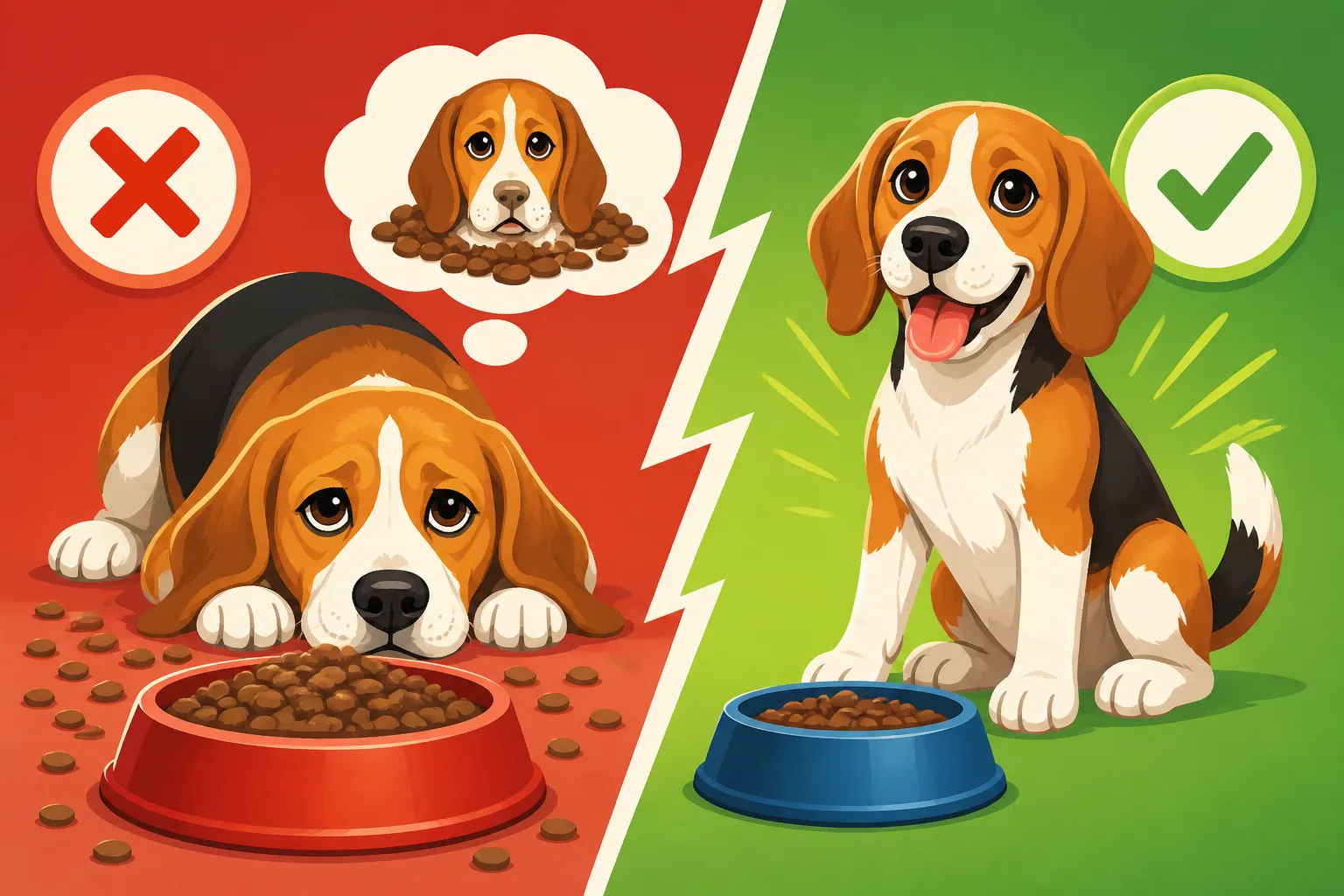
Why Free Feeding Fails Badly With a Beagle
It’s a common scenario: you want your beloved Beagle to always have enough to eat, so you fill their bowl once and let them graze throughout the day. Sounds kind, right? You might think they'll just eat what they need, especially if you've seen other dogs manage it. But for a Beagle, this approach, often called "free feeding," is a recipe for disaster, not a gesture of love. This guide will dive deep into why free feeding clashes so spectacularly with a Beagle's natural instincts, the serious health and behavioral issues it creates, and how a structured feeding approach can lead to a happier, healthier hound.
The Unstoppable Beagle Appetite: A Deep Dive into Their Food Drive
Beagles are delightful, merry hounds, known for their boundless energy, floppy ears, and, perhaps most famously, their incredible noses. But this very trait, their unparalleled sense of smell, is intrinsically linked to an almost insatiable appetite. Understanding this deep-seated drive is the first step to realizing why free feeding just doesn't work for them.
A Legacy of Scavenging: Why Beagles Are Built to Eat
Think about the Beagle's history. These dogs were bred for centuries to hunt small game, primarily rabbits, by following a scent trail. This wasn't about a quick sprint; it was about methodical, relentless tracking, often in packs, for hours on end. In this environment, any food found was valuable, a reward for their hard work, and quickly consumed. There was no concept of a "full" stomach in the wild; if food was available, you ate it, because you never knew when the next meal would come.
This ancestral programming means Beagles possess an extraordinary food drive, fueled by their 220 million scent receptors. Their entire being is geared towards detecting, pursuing, and consuming anything that smells remotely edible. When you put an unlimited bowl of food down, you're essentially telling a dog bred for perpetual scavenging that they've hit the jackpot. They aren't wired to self-regulate in the face of such abundance; their instinct screams "eat it all before it's gone!" This isn't stubbornness; it's deep biological wiring. You'll often see this drive expressed in The 220 Million Receptors Behind a Beagle's Nose leading them on intricate sniff-walks, every bit of their environment a potential food source.
When Opportunity Knocks: The Beagle and the Endless Bowl
For many dogs, particularly those from breeds not historically driven by such intense scavenging, a full bowl might be ignored for hours. They eat when they're hungry, then move on. A Beagle simply doesn't operate this way. For them, an endless bowl is an endless opportunity. They will graze, and graze, and graze some more, often to the point of discomfort, simply because the food is there. It's like putting a plate of unlimited cookies in front of someone with a sweet tooth; the temptation is constant and often irresistible.
This isn't just about their regular dog food, either. This powerful food drive extends to anything they can sniff out. They are notorious Beagle Counter Surfing and Trash Raiding specialists, capable of incredible feats of ingenuity to access forbidden snacks. With a free-fed bowl, this instinct is constantly reinforced. They learn that food is always available, and the concept of "mealtimes" or "moderation" simply doesn't register in their world view. The sheer joy they derive from eating, combined with their history as highly motivated foragers, makes the always-full bowl a detrimental setup.
The Health Hazards of a Free-Fed Beagle
The consequences of free feeding a Beagle extend far beyond just a few extra pounds. Their profound food drive, coupled with a lack of self-regulation, almost inevitably leads to obesity and a cascade of severe health problems that can significantly shorten their Beagle Lifespan and the Twelve to Fifteen Year Range.
The Slippery Slope to Obesity and Its Companions
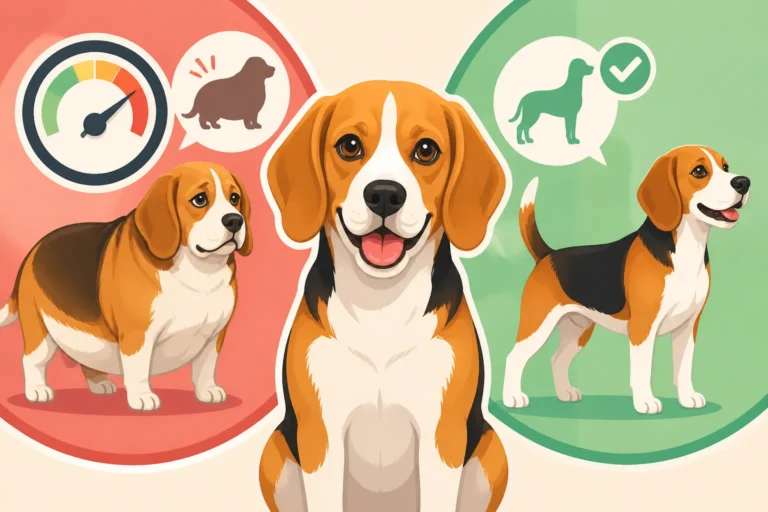
Obesity is, without a doubt, the most prevalent and dangerous outcome of free feeding a Beagle. These dogs are naturally sturdy, but that sturdiness can quickly turn into unhealthy bulk when food is always available. An overweight Beagle might still look "normal" to an owner because the weight gain happens gradually, and their compact, muscular build can disguise it initially. However, the extra fat puts immense strain on their entire system.
This excess weight directly contributes to serious conditions like Beagle Arthritis Arriving in Middle Age, as their joints bear an unnatural load. It can exacerbate Beagle Back Problems and Intervertebral Disc Disease, making them more prone to painful disc ruptures and mobility issues; even a few extra pounds dramatically increases pressure on their delicate spines. Furthermore, obesity is a major risk factor for Beagle Diabetes and Blood Sugar Control and can lead to or worsen Beagle Heart Disease and Murmurs, diminishing their quality of life and requiring costly, lifelong medical management. The cumulative effect of these conditions means that What Shortens a Beagle's Twelve to Fifteen Years often starts with an unregulated diet.
Nutritional Imbalance and Digestive Woes
Beyond the sheer volume of food consumed, free feeding can also lead to nutritional imbalances and chronic digestive upset. A Beagle might gorge themselves on a large quantity of food at once, then go for hours without eating, only to repeat the cycle. This inconsistent intake can put stress on their digestive system, leading to issues like gas, bloating, and even vomiting.
Additionally, a free-fed Beagle might not be getting a balanced diet in the way a portion-controlled dog does. They might fill up on certain components of the kibble, or they might eat so quickly that their body struggles to properly digest and absorb all the nutrients. This can lead to a Beagle being technically "fed" but still lacking essential vitamins and minerals, impacting their coat quality, energy levels, and overall immune health. This is why careful measurement and selection of high-quality food, perhaps from a reputable brand like Ollie which provides customized portions, or a well-regarded option found on Chewy, is so vital.
The Practical Pitfalls of Free Feeding in a Busy Household
While the health risks are paramount, free feeding a Beagle also presents a host of practical challenges that can impact household harmony, training efforts, and overall peace of mind. Life with a Beagle is already an adventure; free feeding can turn it into a constant battle.
Multi-Pet Mayhem and Resource Guarding
If you live in a multi-pet household, free feeding quickly becomes problematic. It's almost guaranteed that the Beagle, with its superior food drive, will become the primary consumer of all available kibble. This can lead to other pets being underfed, or, conversely, the Beagle becoming dangerously obese while the others starve. This situation creates an unfair dynamic and can foster resentment or even aggression among animals.
Furthermore, an always-present food source can trigger Beagle Resource Guarding at the Food Bowl. Your Beagle might growl, snap, or even bite if another pet (or even a person, especially a child) approaches their precious, ever-available meal. This defensive behavior is natural for a dog that views food as a constantly available, high-value resource they must protect. It's a stressful situation for everyone involved and can make meal times a source of tension rather than a peaceful routine.
Undermining Training and Schedule Stability
Food is one of the most powerful motivators for a Beagle, making it an invaluable tool in training. Whether you're teaching basic commands, working on recall, or engaging in scent games, high-value treats are often the key to success. However, if your Beagle is constantly full from free feeding, that powerful incentive disappears. Why work for a treat when there's an entire bowl of food just sitting there, freely available? This can severely hinder your training progress and make teaching new behaviors a frustrating uphill battle. Using a Beagle's Food Drive as the Training Lever is simply not possible if they're never hungry.
Moreover, free feeding makes establishing a routine incredibly difficult. Scheduled meals create predictable potty breaks, which are crucial for House Training a Beagle Against Outdoor Distraction. If your Beagle is eating sporadically throughout the day, their bowel movements will also be erratic, making house training a much longer and more challenging process. It also makes it harder to monitor their appetite, which is often the first indicator of illness. A sudden refusal to eat might be a red flag, but if food is always there and they just "pick" at it, you might not notice a decline in appetite until much later.
Structured Feeding: The Key to a Healthy, Happy Beagle
The solution to the free feeding dilemma is simple yet profoundly effective: structured feeding. By establishing consistent meal times and carefully controlling portions, you not only safeguard your Beagle's health but also strengthen your bond and make training more effective.
Embracing Portion Control and Meal Times
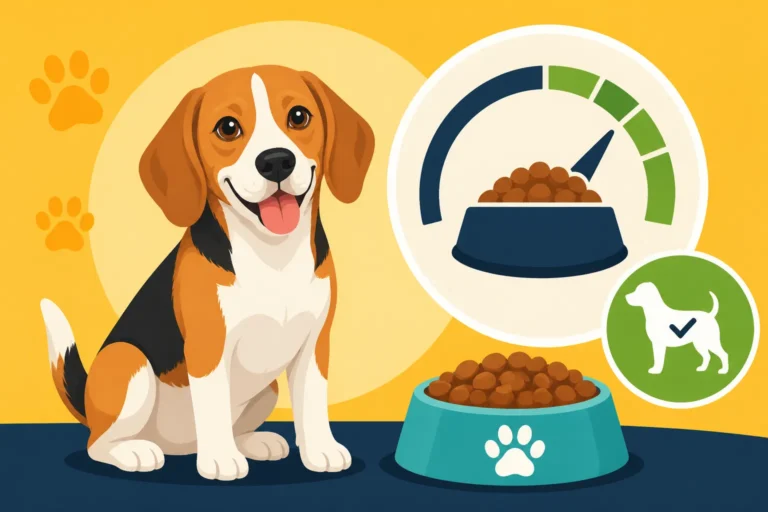
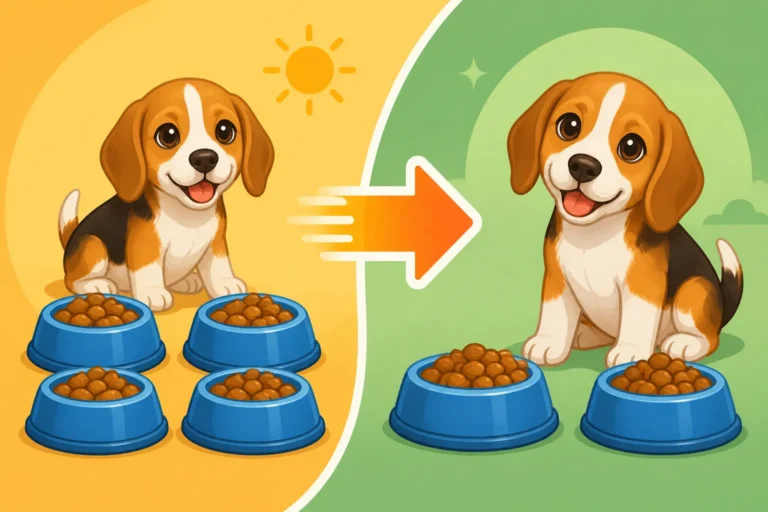
The foundation of successful Beagle feeding is precise portion control. Forget the guesswork and measuring cups; the most accurate way is Measuring Beagle Food by Weight Rather Than Cups. Your veterinarian can help you determine the ideal daily caloric intake for your Beagle's age, activity level, and target weight. Once you have that daily amount, divide it into two equal meals, served at consistent times each day. Splitting a Beagle's Day Into Two Measured Meals is generally recommended for adult Beagles.
For example, if your vet recommends 500 calories per day, you'd feed 250 calories in the morning and 250 in the evening. Stick to these times as much as possible, as Beagles thrive on routine. This predictable schedule will help regulate their digestive system, make house training more consistent, and give you clear windows to monitor their appetite. Any food not eaten within 15-20 minutes should be picked up until the next meal, reinforcing that food is a finite resource available at specific times.
Here's a quick comparison of the two approaches:
| Feature | Free Feeding for Beagles | Structured Feeding for Beagles |
|---|---|---|
| Food Availability | Always available in the bowl | Offered at specific, scheduled times |
| Consumption Pattern | Grazing, gorging, inconsistent intake | Consistent portions, controlled eating at meal times |
| Weight Management | High risk of obesity, difficult to control | Easier to maintain healthy weight, precise calorie control |
| Health Risks | Increased risk of diabetes, arthritis, heart issues | Reduced risk of obesity-related diseases |
| Training Impact | Undermines food motivation, harder to train | Leverages food drive, effective for reward-based training |
| Household Harmony | Potential for resource guarding, multi-pet issues | Clear boundaries, reduced conflict in multi-pet homes |
| Appetite Monitoring | Difficult to detect changes | Easy to notice decreased appetite, early illness detection |
| Digestive Health | Inconsistent digestion, bloating, gas | Regular digestion, predictable potty schedule |
Making Mealtime an Enrichment Opportunity
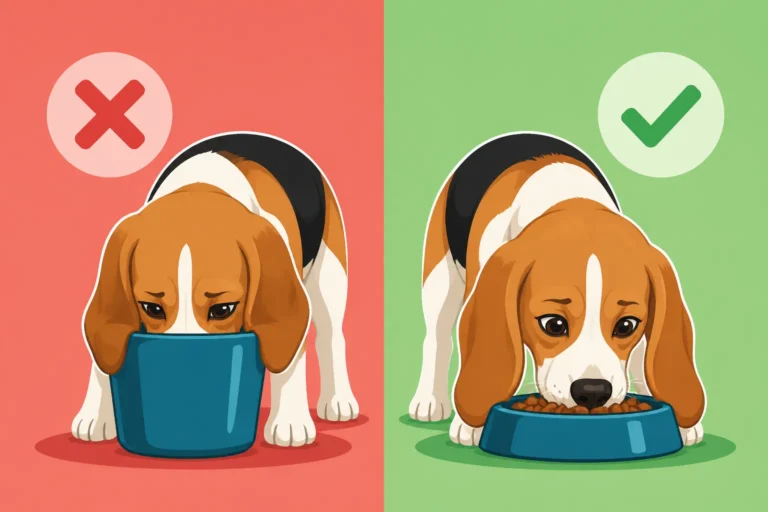
Scheduled feeding doesn't have to be boring. In fact, it's an incredible opportunity to provide mental stimulation and slow down a Beagle who tends to inhale their food. Invest in a good quality slow feeder bowl, which has ridges or obstacles to prevent rapid eating. These are widely available, including on Amazon, and can make a huge difference in preventing gulping and promoting better digestion.
Even better, incorporate puzzle feeders or Snuffle Mats and Scatter Feeding for a Beagle. Instead of simply dumping their measured meal into a bowl, divide it into several puzzle toys or sprinkle it across a snuffle mat. This forces your Beagle to use their incredible nose and brain to "hunt" for their food, mimicking their natural foraging instincts. This turns mealtime into a positive "job" that satisfies their breed-specific drives and can be incredibly tiring for them mentally, helping them feel more settled afterwards.
Finding the Right Food and Sticking to It
Choosing the right food is just as important as how you feed it. Look for high-quality, reputable brands that offer complete and balanced nutrition appropriate for your Beagle's life stage. Whether you opt for a premium kibble available from Chewy, or explore fresh food delivery services like Ollie that tailor meals to your dog's specific needs, consistency is key. Once you find a food that agrees with your Beagle, try to stick with it to avoid digestive upset.
Always consult your veterinarian before making significant dietary changes, especially if your Beagle has existing health conditions or is significantly overweight. They can help you craft a precise nutritional plan that complements a structured feeding schedule, ensuring your Beagle gets everything they need to thrive without the detrimental effects of free feeding.
Disclaimer
This article is for general informational purposes only and does not constitute professional advice. Laws, prices and regulations vary by location and change over time. Consult a qualified professional for guidance on your specific situation.