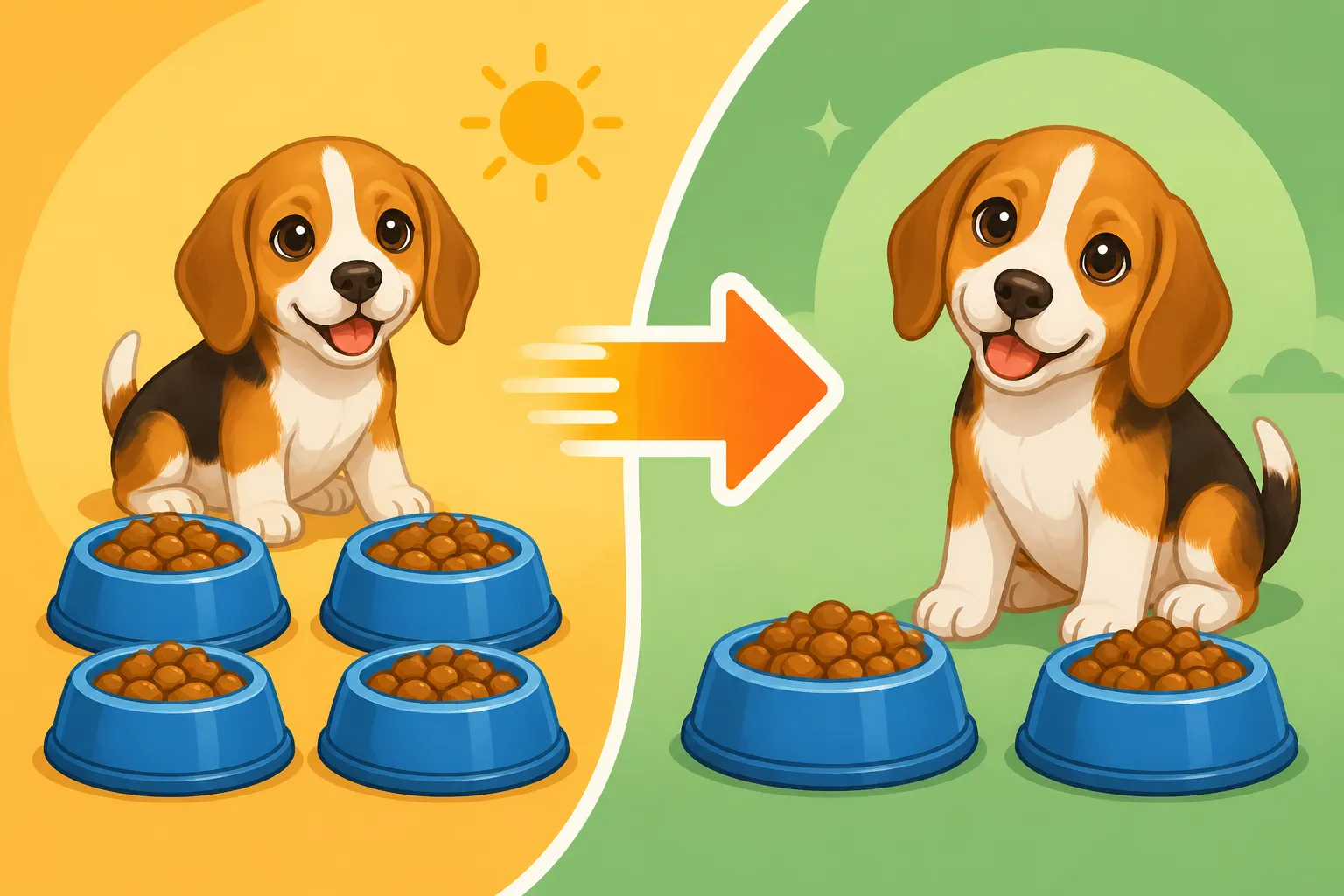
How a Beagle Puppy’s Meals Drop From Four to Two
Bringing home a new Beagle puppy is one of the most exciting, chaotic, and utterly adorable experiences a dog owner can have. But along with all those puppy kisses comes a heap of questions, especially when it comes to feeding. Many new owners feel overwhelmed trying to figure out how much, what, and how often their little hound should eat, particularly as they start to grow. This guide aims to clear up the confusion around a Beagle puppy's meal schedule, helping you navigate the crucial transition from frequent small meals to a more adult feeding routine.
Understanding Your Beagle Puppy's Rapid Growth Needs
When you first bring home that tiny, floppy-eared bundle of joy, it might seem like all they do is eat, sleep, and potty! And honestly, for those first few weeks and months, that's pretty close to the truth. Beagle puppies, like all young dogs, are growing at an incredible rate. Their tiny bodies are developing bones, muscles, and organs at an astonishing pace, and that kind of growth requires a constant, steady supply of energy and nutrients. It's a completely different metabolic engine than an adult dog, and understanding this is the first step in setting them up for a healthy life.
Why Small, Frequent Meals Are Crucial for Young Puppies
Imagine trying to fuel a race car with just one huge tank of gas for the entire day. It would either run out too fast or not be able to process it all efficiently. A similar principle applies to your Beagle puppy. Their digestive systems are still immature, and their metabolisms are incredibly high. This means they burn through calories much faster than an adult dog, and they need a continuous, albeit small, influx of food to maintain their energy levels and blood sugar. Young puppies are particularly susceptible to hypoglycemia, or low blood sugar, which can be quite dangerous, leading to lethargy, weakness, and even seizures if not addressed quickly.
Frequent meals also help maintain stable energy, preventing those dramatic crashes and spikes that can sometimes make a puppy seem even more manic or overtired. Think of it as a constant drip-feed of goodness, keeping their little engines humming along without strain. It's not just about filling their belly; it's about providing consistent nourishment to support every leap, bounce, and growth spurt they'll experience in those formative months.
The Importance of a Consistent Feeding Schedule
Beyond how often you feed, when you feed is equally important. Establishing a consistent feeding schedule from day one provides structure and predictability for your puppy, which is incredibly beneficial for their overall well-being. This routine helps regulate their digestive system, making potty training much easier as you'll learn their predictable elimination times. If they eat at 7 AM, 11 AM, 3 PM, and 7 PM, you can pretty accurately predict when they'll need to go outside about 15-30 minutes after each meal.
A regular schedule also builds trust and reduces anxiety. Your puppy learns when to expect food, which can mitigate some of the franticness often associated with meal times. While Beagles are notoriously food-motivated, a predictable schedule can help them understand that food will come, reducing obsessive begging or counter-surfing behaviors early on. This foundation of routine is not just for their physical health but for their mental and emotional development as well, setting them up for a calmer, more confident transition into adulthood.
To give you an idea of how meal times typically progress, here's a general guideline. Remember, these are averages, and your vet will always be your best resource for tailoring this to your individual puppy's needs.
| Puppy Age | Recommended Meals Per Day | Notes |
|---|---|---|
| 8 weeks to 3 months | 4 meals | High metabolism, risk of hypoglycemia. Small, frequent meals are best. |
| 3 months to 6 months | 3 meals | Gradual reduction as growth rate slightly slows, digestive system matures. |
| 6 months to 12 months | 2 meals | Approaching adult size; able to handle larger, less frequent meals. |
| 12 months and older | 1-2 meals | Most Beagles do well on two meals a day, especially active ones. |
The Gradual Transition: When and How to Reduce Meals
The idea of reducing meals might feel daunting, especially if your Beagle puppy seems like a bottomless pit! But it's a natural and necessary step in their development. Just like human babies transition from purees to solids and then fewer, larger meals, puppies also evolve in their dietary needs. The key here is gradual — rushing the process can lead to digestive upset or, conversely, a ravenous puppy who feels deprived. Taking your time ensures a smooth shift that supports their ongoing growth and health.
Identifying the Right Time to Drop a Meal
Knowing when to make the switch is more about observation than a hard-and-fast rule written in stone. While the general timeline in the table above provides a good starting point, every puppy develops at their own pace. Typically, you'll start considering dropping a meal around 3 to 4 months of age, moving from four meals to three. Then, sometime between 6 and 12 months, you'll transition from three to two meals a day. A great rule of thumb is to look for signs that your puppy is consistently leaving a portion of their food at one of the meals. If they're not finishing their lunch, for instance, it might indicate they're ready for that meal's portion to be redistributed to breakfast and dinner.
Another indicator is their overall energy level and body condition. A puppy who is thriving, maintaining good weight, and has consistent energy throughout the day might be ready for fewer meals, as their metabolism is starting to regulate a bit more. If they're still acting ravenous at every meal, struggling to gain weight, or showing signs of low energy between meals, it's probably best to stick with the current schedule a little longer. Always consult your vet if you're unsure, as they can assess your specific puppy's growth and health.
The Step-by-Step Process of Meal Reduction
Once you've decided it's time to reduce a meal, the process should be gentle and incremental. Let's say you're going from four meals to three. Don't just eliminate one meal entirely. Instead, take the amount of food you would have fed at that dropped meal and divide it equally among the remaining meals. For example, if your puppy was getting 1 cup of food spread over four meals (1/4 cup each), and you decide to drop the midday meal, you would now feed 1/3 cup at each of the remaining three meals. This ensures they still receive the same total daily calories and nutrients, just in larger, less frequent portions.
Monitor your puppy closely for a week or two after each change. Look for any signs of digestive upset like diarrhea or constipation, which could indicate the change was too abrupt. Also, observe their hunger levels and energy. If they seem overly hungry or restless, you might need to adjust the portion sizes slightly or reconsider if they were truly ready for the change. The goal is to move them to fewer meals without causing stress or nutritional deficiencies. Remember, consistency is key, so stick to your new schedule once you've made the switch. This careful approach helps avoid any stomach upset like the kind addressed in A Beagle Puppy Stomach After a Kennel Diet Change.
Choosing the Right Food and Portions for Growing Beagles
The food you put in your Beagle puppy's bowl is just as important as how often you feed them. Their rapidly developing bodies need specific nutrition that differs significantly from adult dog food. It's a foundational aspect of their health that can impact everything from bone development to immune function. Investing in high-quality food designed for puppies sets the stage for a strong, healthy start.
Puppy-Specific Formulas and Their Nutritional Content
Puppy food isn't just a marketing gimmick; it's specifically formulated to meet the intense demands of a growing dog. These formulas typically contain higher levels of protein to support muscle development, more fat for energy, and a carefully balanced ratio of calcium and phosphorus for healthy bone growth. These nutrients are critical during their early months, far surpassing the needs of a mature Beagle. Look for bags clearly labeled "for puppies" or "for all life stages" (though "for puppies" is usually more precise for optimal growth). Always check the ingredient list for whole, identifiable protein sources as the first ingredient, and ensure it carries an AAFCO (Association of American Feed Control Officials) statement confirming it meets nutritional levels established for canine growth.
There are many reputable brands available, and you can find a vast selection on platforms like Chewy or Amazon, offering everything from traditional kibble to fresh food options like Ollie. When choosing, consider your puppy's individual needs, potential sensitivities, and your budget. Sometimes, what works for one Beagle puppy might not be ideal for another. Don't be afraid to read reviews, talk to your breeder, and ask your veterinarian for recommendations tailored to your specific puppy's breed and anticipated adult size.
Accurate Portion Control and Avoiding Overfeeding
Beagles are known for their insatiable appetites, and if left to their own devices, many would happily eat themselves into an unhealthy weight. While a growing puppy needs a lot of calories, overfeeding can lead to rapid, unhealthy growth, putting undue stress on developing joints and increasing the risk of obesity later in life. This is why accurate portion control is paramount. Always follow the feeding guidelines on your chosen puppy food bag, but remember these are just starting points. Factors like your puppy's activity level, individual metabolism, and growth rate will influence their exact needs.
Using a kitchen scale to measure food by weight is far more accurate than relying on measuring cups, as kibble density can vary greatly. Regularly assess your puppy's body condition by feeling for their ribs (you should be able to feel them easily but not see them) and observing their waistline from above. A healthy puppy should have a tucked-up abdomen. If your puppy seems constantly hungry despite appropriate portions, it might be their natural Beagle food drive, not actual hunger. Understanding The Daily Calorie Target for a Twenty Pound Beagle and mastering Measuring Beagle Food by Weight Rather Than Cups are essential skills for every Beagle owner. Adjust portions as your puppy grows and transitions between meal frequencies, always aiming for a lean, healthy body condition.
Common Feeding Challenges and Solutions During Transition
Navigating a Beagle puppy's feeding schedule, especially during those transition periods, isn't always smooth sailing. They're masters of using their adorable eyes and dramatic sighs to convince you they haven't eaten in weeks, even if it's only been an hour! Understanding these common challenges and having practical solutions can save you a lot of stress and help keep your puppy on a healthy path.
Dealing with a Puppy Who Seems Constantly Hungry
Ah, the "starving Beagle" act – it's a classic! It’s important to distinguish between genuine hunger and the powerful food drive that is inherent to the Beagle breed. These dogs were bred to follow a scent trail for hours on end, and their noses (and stomachs) are highly attuned to food. If you're consistently feeding the recommended daily amount for their age and weight, and they're maintaining a healthy body condition, that constant "I'm still hungry!" plea is likely more about their ingrained drive than actual nutritional need. Giving in to these pleas can quickly lead to an overweight puppy, which is something we want to avoid for their developing joints and overall health.
To manage this, focus on enrichment and mental stimulation. Instead of just putting their food in a bowl, use puzzle feeders or slow feeder bowls, many of which are readily available on Amazon. These make mealtime a longer, more engaging activity, slowing down their eating and satisfying some of that innate need to work for food. Distribute their daily kibble allowance across various toys and snuffle mats throughout the day. You can also offer appropriate, low-calorie chew items (always supervised) to satisfy their urge to chew and "forage" without adding unnecessary calories. For more on this, check out Puzzle Feeders That Genuinely Slow a Beagle.
Monitoring for Digestive Upset or Changes in Stool
Anytime you make a change to a puppy's diet or feeding schedule, digestive upset is a potential concern. Their systems are still developing, and abrupt changes can throw things out of whack. When you're transitioning meals, whether it's dropping from four to three or three to two, keep a close eye on their stool. Ideally, it should remain firm, well-formed, and consistent in color. Loose stools, diarrhea, or straining can all be signs that the transition is happening too quickly or that their system isn't adjusting well.
If you notice changes, the first step is often to slow down the transition. If you've just dropped a meal, you might consider adding a small portion back for a few days to stabilize their system, then try a more gradual reduction. Sometimes, a bland diet of boiled chicken and plain rice for a day or two can help reset their stomach. If diarrhea persists, if there's blood in the stool, or if your puppy becomes lethargic, loses their appetite, or starts vomiting, don't hesitate to call your veterinarian. These could be signs of something more serious, and a professional diagnosis is crucial. Remember, consistency in feeding and gradual changes are your best tools against tummy troubles. Also be mindful of any new treats, as even a seemingly harmless new chew from Chewy could cause a sensitive stomach issues.
Beyond Meal Count: Other Important Feeding Considerations
While the number of meals and portion sizes are paramount, the overall approach to your Beagle puppy's nutrition goes deeper. It's about creating a holistic feeding strategy that supports not just their growth, but their entire well-being. From ensuring they stay hydrated to managing those sneaky treat calories, every detail contributes to a happy, healthy hound.
Hydration and Water Access
Just like humans, adequate hydration is essential for your Beagle puppy's health. Water plays a vital role in every bodily function, from digestion and nutrient absorption to temperature regulation and waste elimination. Puppies, especially those eating dry kibble, need constant access to fresh, clean water. Their high activity levels and developing systems mean they can dehydrate more quickly than adult dogs. Make sure your puppy always has a bowl of fresh water available, and consider having multiple bowls around the house, especially if you have a larger home or multiple levels.
Change the water frequently and clean the bowl daily to prevent bacterial buildup. You might notice your puppy drinking more after meals or vigorous play, which is perfectly normal. If you notice a sudden, excessive increase or decrease in water intake, however, it could be a sign of an underlying health issue and warrants a call to your vet. Good hydration supports their digestion, energy levels, and overall vitality, making it a non-negotiable part of their daily care.
Training with Treats and Avoiding Calorie Overload
Beagles are incredibly food-motivated, which makes them fantastic to train – they'll often do almost anything for a tasty morsel! However, those training treats, while small, can quickly add up and sabotage your careful portion control. It's easy to inadvertently overfeed a puppy if you're not factoring treats into their daily calorie budget. Remember, every treat has calories, and for a growing puppy, too many extra calories can lead to unhealthy weight gain and put strain on their developing joints.
When training, choose very small, low-calorie treats, or even better, use a portion of their daily kibble allowance. Break larger treats into pea-sized pieces to maximize the number of repetitions you get without overfeeding. You can find excellent small training treats at retailers like Chewy or make your own small, healthy options. Keep a mental tally or even a written log of how many treats your puppy receives throughout the day, and adjust their main meal portions accordingly. This ensures they get the motivational boost for learning without packing on unnecessary pounds. For more specific guidance on this, consider Treats Small Enough for a Hundred Beagle Repetitions.
The Long-Term Goal: Healthy Eating Habits for Adulthood
The feeding habits you establish during puppyhood will lay the groundwork for your Beagle's entire life. Teaching them good manners around food, respecting meal times, and understanding portion control from a young age is crucial for preventing common Beagle issues like obesity. A healthy weight is not just about aesthetics; it's a critical factor in preventing conditions like Beagle Arthritis Arriving in Middle Age and reducing the risk of Beagle Hip Dysplasia and Everyday Joint Wear.
As your Beagle approaches their first birthday, you'll generally transition them from puppy food to a high-quality adult dog food. This calorie drop is important, as their rapid growth slows considerably. Continue to monitor their body condition closely, adjusting their portions as needed to maintain an ideal weight throughout their adult life. These early habits, like eating at set times and not free-feeding, will serve them well into their senior years, supporting their overall health and allowing them to enjoy a full, active Beagle Lifespan and the Twelve to Fifteen Year Range. Good feeding practices now mean a healthier, happier Beagle by your side for years to come.
Disclaimer
This article is for general informational purposes only and does not constitute professional advice. Laws, prices and regulations vary by location and change over time. Consult a qualified professional for guidance on your specific situation.