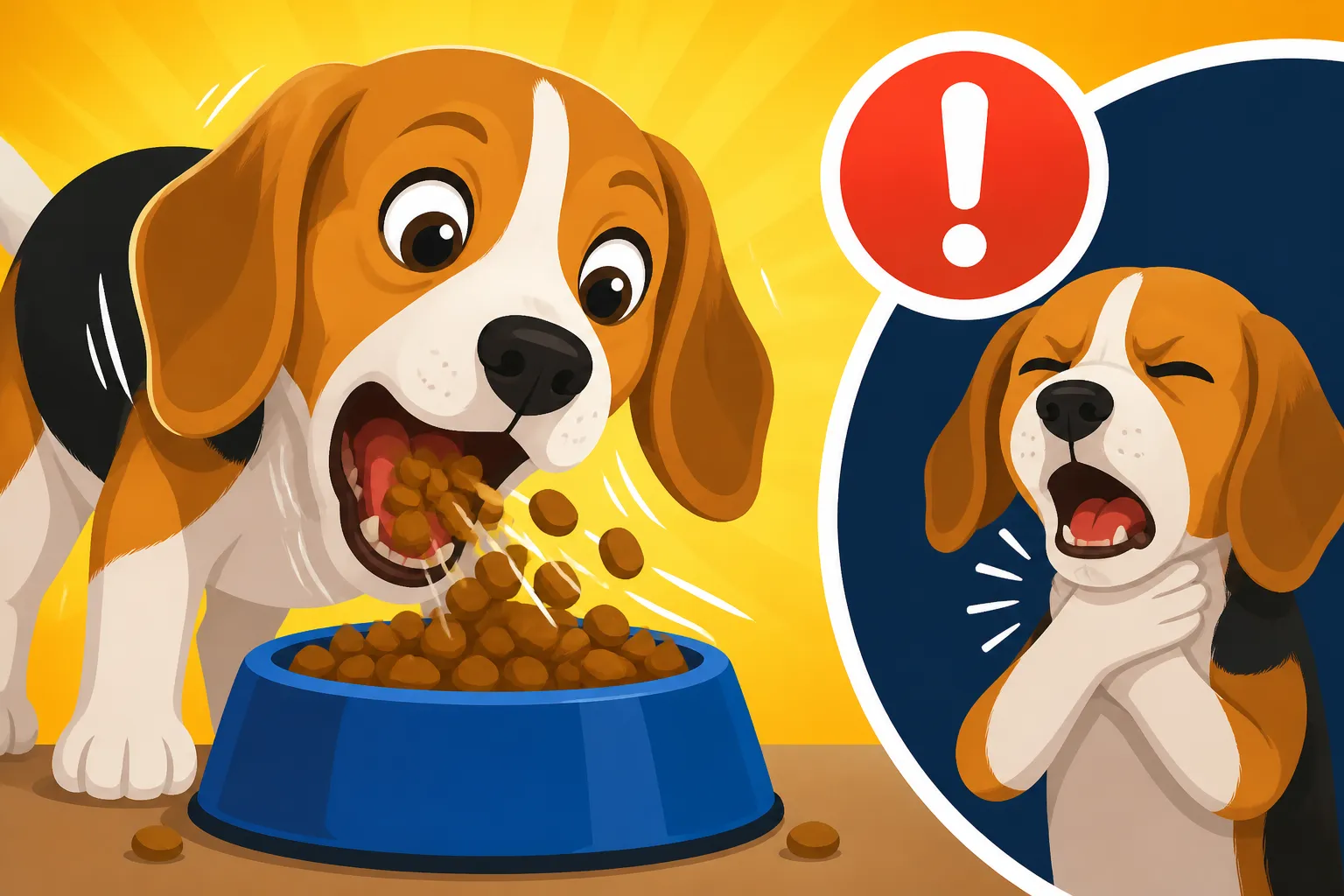
Beagle Gulping Food and the Choking Risk
It’s a sight many Beagle owners know all too well: you put down the food bowl, and before you can even turn around, your beloved hound has inhaled every single kibble, barely chewing a thing. This frantic gulping isn't just a quirky habit; it poses real and serious health risks, particularly the danger of choking. This guide will delve into why Beagles are prone to this behavior and, more importantly, equip you with practical strategies to slow down their eating and safeguard their health.
Understanding Why Beagles Gulp Their Food So Rapidly
If you've ever watched a Beagle eat, "polite" is probably not the first word that comes to mind. They dive into their food with an intensity that can be both amusing and alarming. But this isn't just about being greedy; there are deep-seated reasons, both historical and biological, that contribute to this frantic eating style. Understanding these roots can help you approach the problem with more patience and effective strategies.
The Instinctive Drive for Scarcity
Beagles, like many hound breeds, were historically bred to hunt in packs. In a pack environment, food was often a scarce resource, and competition was fierce. The dogs who ate fastest were the ones who survived and thrived, passing on those genes to their descendants. Even though your Beagle now lives in a loving home with a consistent food supply, that primal instinct to gobble down food before a perceived competitor can get to it remains incredibly strong. It’s a hardwired response, not a personal slight against your efforts to provide a good meal.
Imagine a pack of Beagles, fresh off a long hunt, finally presented with a meal. The slowest eater might get the least, or nothing at all. This evolutionary pressure meant that the fastest eaters had a survival advantage. While our modern Beagles might not be hunting rabbits in the English countryside, their DNA still whispers tales of hungry packmates and the need to secure their share. This innate drive means that even if your Beagle is an only dog, they might still act as if another dog (or even you!) is about to snatch their meal. This behavior is deeply ingrained, and it’s why positive, consistent training and environmental management are so crucial.
The Role of a Beagle's Unmatched Food Drive
Let's be honest, Beagles are notorious for their insatiable appetites. Their powerful noses, renowned for tracking subtle scents over long distances, are equally adept at locating every crumb that falls to the floor or the enticing aroma of their dinner. This incredibly strong food drive, while excellent for scent work and training, can also contribute to their rapid eating. When something smells that good, and their entire being is wired to acquire it, slowing down simply isn't their natural inclination.
This intense focus on food means that a Beagle often prioritizes getting the food into their stomach over proper chewing or savoring. For them, the act of eating is a high-reward activity, and the faster they can achieve that reward, the better. This isn't just about hunger; it’s about their deep, intrinsic motivation tied to food. It’s why training a Beagle with its own meal instead of treats can be so effective; food is their ultimate currency. Their relentless pursuit of anything edible often leads to them counter surfing and trash raiding, but also to them inhaling their own meals as if it might disappear at any second.
The Dangers of Rapid Food Ingestion
Beyond the messy eating habits, letting your Beagle gulp down their food too quickly carries several significant health risks. These aren't just minor inconveniences; some can be life-threatening and require immediate veterinary attention. As responsible Beagle guardians, it’s vital to understand these dangers to prevent them from occurring.
Choking Hazards and Respiratory Distress
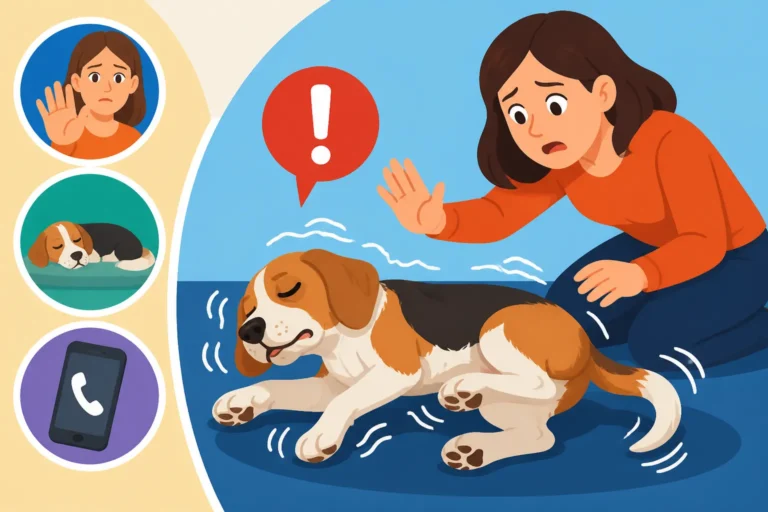
The most immediate and terrifying risk of fast eating is choking. When a Beagle inhales large pieces of food without proper chewing, these pieces can easily become lodged in their throat or windpipe. This can lead to a sudden and distressing emergency. A choking Beagle might paw at their mouth, cough violently, make gagging noises, or even struggle to breathe. In severe cases, they might turn blue or collapse. This is why knowing what to do while a Beagle is seizing or showing other emergency signs is so critical, although choking is a different, equally urgent scenario.
If your Beagle starts choking, time is of the essence. You need to remain calm but act quickly. Attempting a manual sweep of the mouth (only if you can see the object) or performing the Heimlich maneuver for dogs can be life-saving. After any choking incident, even if resolved, a vet visit is highly recommended to check for any internal damage or residual issues. This is one of those Beagle emergency signs that cannot wait until morning. Preparing yourself with basic canine first aid can make all the difference in such a frightening situation.
Bloat, Gastric Dilatation-Volvulus (GDV)
While perhaps not as common in Beagles as in some larger, deep-cheasted breeds, bloat, or Gastric Dilatation-Volvulus (GDV), is a terrifying condition linked to rapid eating. Bloat occurs when a dog's stomach fills with gas, food, or fluid, and then twists, cutting off blood supply and trapping the contents. The stomach can distend rapidly, causing extreme pain and putting pressure on other organs. Eating too quickly, especially large meals, can contribute to excess air intake, a known risk factor for bloat.
Symptoms of bloat include a swollen, hard abdomen, retching without producing anything, restlessness, pain when the abdomen is touched, and ultimately collapse. GDV is a medical emergency requiring immediate surgery. Without swift intervention, it is fatal. While Beagles aren't top of the list for GDV risk, any dog that eats very quickly, especially from an elevated bowl (which can sometimes increase air intake), is at a higher risk than a dog that eats slowly and calmly. Knowing about this risk is crucial, as is understanding the importance of slowing down meal times.
Digestive Upset and Nutritional Absorption
Beyond the life-threatening emergencies, rapid eating can also lead to more common, but still uncomfortable, digestive problems. When food is gulped down without sufficient chewing, it places an extra burden on the digestive system. Large, undigested chunks of food are harder for the stomach and intestines to break down and absorb nutrients from. This can result in a range of issues:
- Vomiting and Regurgitation: Often, a Beagle will eat so fast that their stomach can't handle the sudden influx, leading to them promptly throwing up their entire meal shortly after eating. This is different from actual vomiting as it's typically undigested food coming back up with little effort.
- Gas and Bloating: The excess air swallowed during rapid eating can lead to uncomfortable gas, making your Beagle gassy and potentially causing mild discomfort.
- Diarrhea or Loose Stools: Undigested food can pass through the system too quickly, leading to soft stools or diarrhea. This can also happen when a Beagle puppy stomach after a kennel diet change is overwhelmed.
- Reduced Nutrient Absorption: Over time, consistent rapid eating might mean your Beagle isn't fully absorbing all the valuable nutrients from their food, even if you're feeding a high-quality diet. This can subtly impact their overall health and vitality.
These issues might seem minor compared to choking or bloat, but they contribute to chronic discomfort and can signal that your Beagle's digestive system is under stress.
Effective Strategies to Slow Down Your Beagle's Eating
The good news is that you don't have to simply accept your Beagle's turbo-charged eating habits. There are numerous effective strategies you can implement to encourage a slower, safer mealtime. These methods leverage your Beagle's natural instincts and strong food drive in a constructive way.
The Magic of Slow Feeder Bowls
Slow feeder bowls are specifically designed with obstacles, ridges, or mazes that force your Beagle to eat around them, making it impossible to gulp down large mouthfuls at once. They're perhaps the most straightforward and effective tool for addressing rapid eating. There are many different styles and materials available, so you can find one that suits your Beagle's size and chewing habits.
Types of Slow Feeder Bowls:
- Plastic Mazes: These are common, affordable, and come in various patterns. Look for BPA-free, food-grade plastic.
- Ceramic Bowls with Ridges: Often heavier and more durable, making them harder for a determined Beagle to flip over. They are also easier to clean.
- Silicone Mats/Inserts: These flexible mats can be placed into existing bowls or used on their own. They have suction cups to prevent movement. Brands like LickiMat often offer these, promoting mental stimulation too.
- Puzzle Feeders: More interactive than traditional slow feeders, these require your Beagle to solve a small puzzle to get their food. This not only slows eating but also provides valuable mental enrichment, turning mealtime into a fun challenge.
When choosing a slow feeder, consider the depth and complexity. Some Beagles, especially those new to slow feeders, might get frustrated with overly complicated designs. Start with something simpler and gradually introduce more challenging ones if needed. Remember that these bowls help manage the behavior during mealtime, but they don't address the underlying drive.
Spreading Meals and Smaller Portions
Instead of feeding one or two large meals a day, consider splitting your Beagle's daily caloric intake into three or four smaller meals. This reduces the sheer volume of food presented at once, making it less overwhelming and decreasing the incentive to gulp. It also helps manage their hunger throughout the day. If your Beagle is on the larger side, like a fifteen-inch Beagle at twenty-eight pounds, or if you're trying to keep a Beagle lean while training with treats, smaller, more frequent meals can be a game-changer.
You could also simply measure out their regular portion but spread it across a larger surface. For example, instead of a bowl, scatter the kibble across a clean tile floor, a snuffle mat, or even a baking sheet. This forces them to sniff out and pick up individual pieces, naturally slowing down the process. This approach ties into a Beagle's natural instinct to forage, making mealtime both slower and more enriching. Scatter feeding for a Beagle is an excellent way to turn mealtime into a mental exercise.
Incorporating Training and Mental Enrichment
Training can play a huge role in teaching your Beagle to approach mealtime with more patience. Basic obedience cues like "sit," "stay," and "wait" can be invaluable. Make your Beagle earn their meal by performing these commands before you put the bowl down. Gradually increase the duration of the "wait" command before releasing them to eat. This teaches impulse control, which is a fantastic skill for a breed with such a powerful food drive.
Beyond structured commands, incorporating mental enrichment directly into mealtime can be incredibly effective. As mentioned, puzzle feeders are excellent for this. You can also try stuffing a KONG or other durable chew toy with some of their kibble mixed with a little peanut butter (xylitol-free!) or plain yogurt. Freezing it can make it last even longer. This turns eating into a prolonged activity, engaging their brains and their mouths in a constructive way. This is particularly useful for an active Beagle that needs a job and not just a walk.
Creating a Calm Eating Environment
The environment where your Beagle eats can greatly influence their speed. If they feel rushed, stressed, or perceive competition, they're more likely to gulp. Try to create a calm, quiet space for them to eat. This means:
- Eating Alone: If you have multiple pets, feed them in separate rooms or crates to eliminate any perceived competition. This also prevents resource guarding at the food bowl.
- No Interruptions: Ensure children or other pets don't disturb your Beagle while they're eating.
- Consistent Location: Feeding your Beagle in the same quiet spot every time can help establish a routine and reduce anxiety around mealtime.
- Avoiding Elevated Bowls (for some): While sometimes suggested for certain conditions, for fast eaters, elevated bowls can sometimes contribute to faster ingestion of air, potentially increasing bloat risk. Unless your vet specifically recommends an elevated bowl for a medical reason (like Megaesophagus), a floor-level bowl is often preferable for gulping Beagles.
By reducing external stressors and creating a peaceful dining experience, you can help your Beagle relax and focus on their meal more deliberately. For a dog that bays at night, a calm environment is essential even during the day.
What to Do in a Choking Emergency
Even with the best preventative measures, accidents can happen. It's crucial for every Beagle owner to know how to respond if their dog starts choking. Panicking won't help your Beagle, so knowing these steps beforehand can make all the difference.
Recognizing the Signs of Choking
The first step is to recognize that your Beagle is, in fact, choking. This can be startling and rapid.
Look for these key signs:
- Vigorous Coughing or Gagging: Your Beagle might make loud, distressed coughing or retching sounds.
- Difficulty Breathing: Labored breathing, gasping for air, or wheezing.
- Paw at the Mouth or Face: They might frantically try to dislodge the object with their paws.
- Bluish Gums or Tongue: This is a serious sign of oxygen deprivation and requires immediate action.
- Collapse or Loss of Consciousness: In severe cases, they might fall over.
- Excessive Drooling: An obstruction can make it hard to swallow saliva.
- Head Held Low and Neck Extended: They might try to stretch their neck out to clear the airway.
It's important to distinguish choking from a simple cough or gag. If your Beagle is coughing effectively and moving air, they might be able to clear it themselves. If they are silent, struggling to breathe, or showing signs of oxygen deprivation, it's an emergency.
Performing Canine Heimlich Maneuver and Manual Sweep
If your Beagle is truly choking and struggling to breathe, you need to act immediately.
1. Stay Calm and Assess:
First, try to get a quick visual. Open your Beagle’s mouth (carefully, as a distressed dog might bite) and see if you can spot the object. If you can clearly see the object and it's easily reachable, you can try a quick manual sweep with your finger to dislodge it. Be very careful not to push the object further down. Never do a blind finger sweep if you can't see the object.
2. The Canine Heimlich Maneuver:
If you cannot see or easily remove the object, perform the Heimlich maneuver:
- For a small Beagle: Pick up your Beagle and hold them with their back against your chest. Place your arms around their abdomen, just below the rib cage. Make a fist with one hand and place it against their abdomen, covering it with your other hand. Deliver 3-5 quick, firm thrusts inward and upward.
- For a larger Beagle: If your Beagle is too large to lift, lay them on their side. Place your hands just behind their last rib, in the soft part of the abdomen. Deliver 3-5 quick, firm thrusts inward and upward. Alternatively, you can stand them on all fours and perform the thrusts from behind, similar to the method for a small dog, but with them standing.
3. Check and Repeat:
After each set of thrusts, quickly check your Beagle's mouth to see if the object has been dislodged. If not, repeat the process.
4. Seek Veterinary Care Immediately:
Even if you successfully dislodge the object, always take your Beagle to the vet immediately. There could be internal damage from the object or the maneuver itself. The vet will be able to assess any potential trauma and ensure there are no lingering issues. This is a situation where having pet insurance, like a plan from Healthy Paws, can provide immense peace of mind, knowing that emergency care costs will be covered. They can help with the lifetime costs of a Beagle that reaches fifteen, including unexpected emergencies.
Knowing these steps can feel daunting, but it's a critical part of being a responsible Beagle owner. Consider taking a pet first aid class in your local area to practice these techniques with proper guidance.
Long-Term Management and Prevention
Slowing down your Beagle's eating is an ongoing process, not a one-time fix. It requires consistent effort and a holistic approach to their care and feeding.
Choosing the Right Food and Meal Frequency
Beyond slow feeder bowls, the type of food and how you present it can also help. Opt for a high-quality kibble that encourages some chewing, rather than one that can be easily swallowed whole. If your Beagle is particularly bad at chewing, consider adding a little warm water to their kibble to soften it, or even using wet food mixed in to make it a bit more difficult to gulp. Remember, the daily calorie target for a twenty pound Beagle needs to be carefully managed to prevent obesity, especially when using treats or softer foods.
As mentioned, feeding smaller, more frequent meals (e.g., three meals a day instead of two) can significantly reduce the "feast or famine" mentality and associated frantic eating. This also helps with digestive health and can make it easier to manage a Beagle's weight across the two size varieties.
Addressing Underlying Anxiety or Competition
Sometimes, rapid eating isn't just a habit; it can be a symptom of underlying anxiety or perceived competition. If you have multiple dogs, ensuring strict separation during mealtimes is non-negotiable. Even if your dogs usually get along, food can trigger primal instincts. This extends beyond just food bowls; ensure there are enough toys, beds, and attention to go around to minimize any feelings of scarcity.
For single Beagles, consider if there are other stressors in their environment that might contribute to anxiety, leading to faster eating. A change in routine, new noises, or even separation anxiety in a pack breed might subtly influence their behavior. Sometimes, consulting with a professional dog trainer or veterinary behaviorist can help identify and address these deeper issues. They can offer personalized strategies to calm an anxious Beagle and improve their overall well-being.
Regular Vet Check-ups and Monitoring
Maintaining regular veterinary check-ups is always crucial for your Beagle's overall health. During these visits, discuss your Beagle's eating habits with your vet. They can offer advice, check for any dental issues that might make chewing painful (leading to gulping), or rule out any underlying medical conditions. If your Beagle is prone to gastrointestinal upset due to fast eating, your vet might recommend specific dietary changes or supplements.
It's also a good idea to monitor your Beagle's weight and body condition regularly. Rapid eating can contribute to obesity, which brings its own host of health problems. Feeling for a Beagle's ribs and waistline is a quick way to assess their condition. Your vet can help you determine the ideal weight for your individual Beagle and establish a feeding plan that supports both slower eating and healthy weight management. Pet insurance, such as from Healthy Paws, can assist with the costs of these routine vet visits and any unexpected health issues that might arise, providing a safety net for your beloved companion.
| Method of Slow Feeding | Description | Pros | Cons | Best For |
|---|---|---|---|---|
| Slow Feeder Bowl (Maze) | Bowl with ridges or obstacles that food must be eaten around. | Highly effective, easy to clean, various designs. | Some Beagles might still manage to eat quickly, can be plastic. | Most Beagles, everyday use. |
| Snuffle Mat | Fabric mat with fleece strips where kibble is hidden. | Provides mental enrichment, encourages natural foraging. | Can get dirty quickly, needs frequent washing, not chew-proof. | Beagles needing mental stimulation, calm eaters. |
| Puzzle Feeder | Interactive toy requiring manipulation to dispense food. | Excellent mental stimulation, significantly slows eating. | Can be frustrating for some dogs, requires supervision. | Intelligent Beagles, those needing a "job" during mealtime. |
| Scattering Food | Spreading food across a large, clean surface (e.g., floor, tray). | Very natural, encourages foraging, no special equipment needed. | Can be messy, not suitable for all environments. | Beagles needing mental and physical engagement, easy clean-up. |
| Stuffed KONG/Chew Toy | Kibble (often moistened or with paste) packed into a durable rubber toy. | Prolongs eating, provides enrichment, chew-resistant. | Can be messy, takes preparation time, limited capacity. | Beagles needing long-lasting engagement, crate training. |
Final Thoughts on Managing Your Gulping Beagle
Seeing your Beagle devour their meal in mere seconds can be a source of constant worry, but it’s a challenge that is absolutely manageable with the right tools and consistent effort. Remember, your Beagle isn't trying to be difficult; they're simply following deep-seated instincts and an incredible food drive. By understanding the 'why' behind their behavior and implementing the practical strategies discussed – from slow feeder bowls and puzzle toys to careful meal planning and a calm eating environment – you can transform mealtime into a safer, more enjoyable, and enriching experience for both of you.
Don't forget the importance of being prepared for emergencies. Knowing how to react in a choking situation is invaluable and could literally save your Beagle's life. And remember, consistent communication with your veterinarian is key to addressing any persistent issues and ensuring your Beagle lives a long, healthy, and "merry" life. The effort you put in now will pay off in countless happy, healthy mealtimes down the road.
Disclaimer
This article is intended for informational purposes only and does not constitute veterinary advice. Always consult with a qualified veterinarian for any health concerns or before making any decisions about your Beagle's diet, health, or treatment.