Fleas in a Beagle’s Dense Double Coat
Oh, the dreaded flea! If you're a Beagle owner, you know the sinking feeling when you spot that tell-tale scratch or, even worse, a tiny, fast-moving speck on your beloved hound. Dealing with fleas is a common frustration, and it often feels like an uphill battle, especially when your Beagle has that wonderfully dense double coat that seems designed to give these tenacious parasites the perfect hiding spot. This guide is here to walk you through why fleas love Beagles so much, how to find those elusive little critters, and most importantly, how to get rid of them for good.
Why a Beagle’s Dense Double Coat Becomes a Flea Paradise
Beagles are truly a special breed, known for their incredible noses and their "merry" disposition. But those very traits, combined with their physical characteristics, can make them particularly susceptible to fleas. It's not just bad luck; there are very real, physical reasons why a Beagle's coat is practically a five-star resort for fleas.
The Insulating Layers That Offer Fleas Shelter
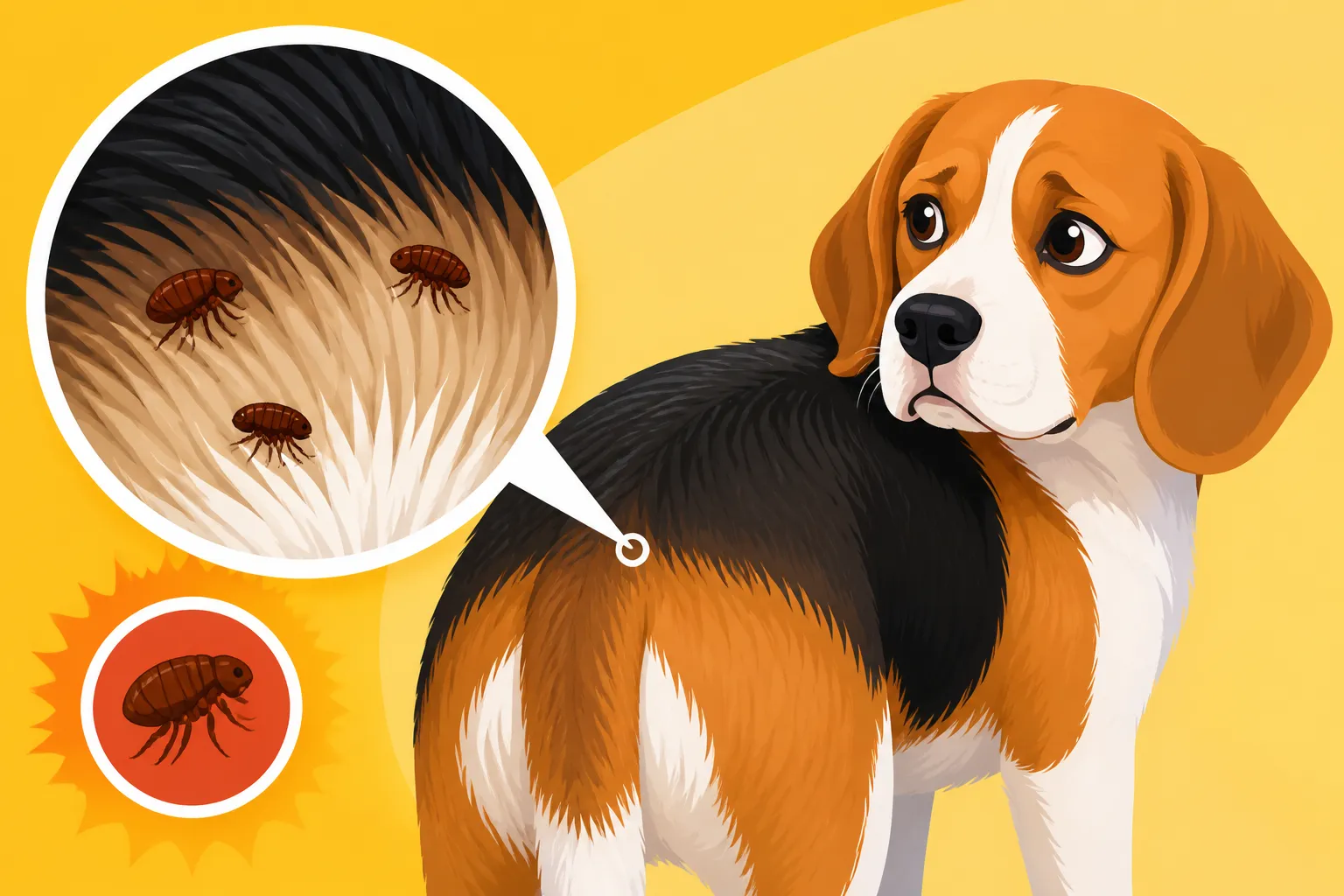
Think about your Beagle's coat. It’s not just a single layer of fur; it's a wonderfully thick, dense double coat. You’ve got that shorter, softer undercoat providing insulation, and then the coarser, weather-resistant outer guard hairs. This setup is fantastic for keeping your Beagle warm in winter and protected from the elements, but it's also a dream come true for fleas.
Imagine being a tiny flea. You need warmth, shelter, and a consistent food source. A Beagle's double coat offers all of this in spades. The sheer density of the fur makes it incredibly difficult for you, the owner, to see fleas moving around, let alone catch them. They can burrow deep down, close to the skin, where they’re insulated and protected from brushing, scratching, and even some topical treatments if not applied correctly. This makes visual checks a real challenge, and by the time you actually see a flea, it’s often a sign that there’s already a considerable population thriving within those warm, furry layers. It’s like trying to find a needle in a hayst—no, a thousand needles in a haystack, all moving rapidly!
How a Beagle’s Scent-Driven Life Exposes Them to Fleas
Beyond their physical coat, a Beagle’s entire existence revolves around their nose. They are driven by scent, constantly exploring, sniffing every blade of grass, every bush, every hidden corner of the yard, and every new smell on a walk. This is what makes them such fantastic companions for scent work, but it also puts them in prime positions to pick up unwanted hitchhikers like fleas.
Fleas don't fly or jump miles; they often wait in tall grass, leaf litter, or even under bushes, ready to leap onto a passing host. When your Beagle is nose-to-the-ground, intensely focused on a fascinating smell, they are inadvertently brushing through exactly the kind of environments where fleas lie in wait. A quick jump, and suddenly, that flea has found a new home deep within your Beagle's dense fur. This constant exposure, whether it's on a country trail, a neighborhood park, or even your own backyard, means that even the most diligent owner can find their Beagle struggling with fleas. It’s just part of being a Beagle, a testament to their incredible drive to explore the world through scent, but also a constant battle for us to keep them pest-free.
Spotting Fleas in That Thick Beagle Fur
Finding fleas on a Beagle can feel like a game of "Where's Waldo?" due to their thick coats. They're masters of disguise and evasion, but there are specific signs and techniques that can help you uncover these unwelcome guests. It's not always about seeing the flea itself; sometimes, it's about spotting the evidence they leave behind.
More Than Just Itching: The Subtle Signs to Watch For
Of course, the most obvious sign of fleas is incessant scratching. If your Beagle is scratching more than usual, especially around their neck, ears, tail base, and inner thighs, fleas should be high on your suspicion list. But Beagles are stoic creatures sometimes, and the signs can be more subtle, or even appear in unexpected ways.
Beyond the classic scratch, look for excessive licking or chewing at specific spots on their body. This might indicate an itchy bite or a developing "hot spot" due to irritation. If you see patches of hair loss, especially where they've been licking or chewing, this is a definite red flag. The constant irritation can also lead to Beagle Skin Allergies and Constant Itching, manifesting as redness, bumps, or scabs. Their skin might even look generally irritated or inflamed. Sometimes, you might notice your Beagle shaking their head more frequently, which could be a sign that fleas are bothering their ears. While you should also be checking for Beagle Ear Infections Under Those Long Ears, fleas can certainly contribute to irritation in that area.
In severe cases, especially with puppies or very old Beagles, a heavy flea infestation can lead to anemia due to blood loss. While rare, signs of lethargy, pale gums, and weakness would warrant an immediate vet visit. It's also worth noting that if your Beagle develops small, red, raised bumps, particularly along their belly or groin, these could be flea bites. And don’t be surprised if you start getting itchy ankles – fleas aren't picky about their blood meals when they're desperate!
The ‘Flea Dirt’ Test: What to Look For on Your Beagle
Since seeing an actual flea can be so difficult, one of the most reliable methods to confirm their presence is to look for "flea dirt." This isn't actual dirt; it's flea feces, composed of digested blood. It looks like tiny black specks, almost like ground pepper, in your Beagle's coat.
Here’s how to perform the 'flea dirt' test:
- Gather your tools: You'll need a fine-toothed flea comb (essential for Beagles!), a piece of white paper or a damp white paper towel, and good lighting.
- Find a comfortable spot: Have your Beagle lie down or stand comfortably. You might want to do this outside if you suspect a heavy infestation, to avoid flea dirt scattering indoors.
- Comb thoroughly: Start combing against the direction of hair growth, especially concentrating on areas fleas love: the base of the tail, the inner thighs, and along their back. After each stroke, examine the comb for any black specks.
- The "damp paper towel" trick: If you find black specks on the comb or directly on your Beagle's fur, wipe them onto the damp white paper towel. If it's flea dirt, the specks will rehydrate and dissolve into reddish-brown streaks, because it's dried blood. If it's just regular dirt, it will remain black or gray. This simple test is often the clearest indicator of a flea problem, even if you don't see a single live flea.
Don't forget to pay special attention to the ears when combing. While you’re performing The Five Minute Beagle Ear Routine or generally cleaning, it's a great opportunity to check for flea dirt or even Removing a Tick From Inside a Beagle Ear if you've been on a hike. Fleas love those warm, protected areas, especially if your Beagle has some Beagle Ear Hair and Whether to Trim It which can create extra hiding spots.
Tackling a Flea Infestation on Your Beagle and in Your Home
So, you've confirmed the dreaded news: your Beagle has fleas. Don't panic! While it feels overwhelming, a systematic approach to treatment on both your dog and in your environment will get you back to a flea-free home. This isn't a one-and-done solution; it's a battle that requires persistence and the right tools.
Choosing the Right Treatment for Your Beagle
The first step is to get those biting pests off your Beagle. There are numerous effective flea treatments available, but choosing the right one depends on your Beagle's age, weight, and any existing health conditions. Always consult your veterinarian before starting any new flea treatment, as they can recommend the safest and most effective option for your specific dog.
Here's a breakdown of common types:
- Oral Medications: These are often very effective and convenient. They come in chewable tablets that kill fleas quickly after they bite your dog. Some offer monthly protection, while others are "quick kill" medications for immediate relief during an active infestation. Brands like Bravecto, NexGard, and Simparica are popular choices that work systemically, meaning fleas die after ingesting your dog's blood.
- Topical Spot-Ons: These are liquid medications applied to a small area of skin, usually between the shoulder blades. They spread over the dog's skin and coat, killing fleas on contact or after biting. Frontline Plus and K9 Advantix II are well-known examples. Ensure you apply them correctly directly to the skin, not just the fur, for maximum effectiveness.
- Flea Shampoos: While a good Beagle Shampoo for a Short Dense Coat can provide immediate, albeit temporary, relief by killing fleas present during the bath, it doesn't offer residual protection. They're best used as an initial step to reduce a heavy flea load, but must be followed up with a long-lasting treatment.
- Flea Collars: Modern flea collars are much more effective than older versions. Some release insecticides that spread over the coat (like Seresto), while others contain ingredients that are absorbed into the bloodstream. Be cautious with generic collars, as many are ineffective or contain harsh chemicals.
- Combination Products: Many products offer protection against multiple parasites, which is great for Year-Round Parasite Prevention for a Beagle. For instance, some oral or topical treatments will also protect against ticks and heartworms. When planning your annual pet budget, remember to factor in these essential Beagle Flea, Tick and Heartworm Budgets.
When applying any treatment, always follow the package instructions precisely. Don't assume more is better, as overdosing can be harmful. If your Beagle has sensitive skin or has developed Beagle Hot Spots Through the Summer from scratching, discuss this with your vet. They might recommend specific gentle formulations or advise on treating the skin irritation simultaneously. Even if you have pet insurance, it’s good to check what’s covered. While routine parasite prevention isn’t usually included, unexpected vet visits due to severe flea-related skin infections might be, especially if you have a robust plan from a provider like Healthy Paws.
Deep Cleaning Your Home to Break the Flea Cycle
Treating your Beagle is only half the battle. Fleas spend a significant portion of their life cycle (eggs, larvae, pupae) off the host, nestled in your carpet, bedding, and furniture. If you don't address the environment, you'll be stuck in a frustrating cycle of re-infestation.
Here’s your home-cleaning battle plan:
- Vacuum, Vacuum, Vacuum: This is your most powerful weapon. Vacuum all carpets, rugs, upholstery, cracks in floors, and under furniture. Pay special attention to areas where your Beagle spends a lot of time, like their favorite sleeping spots. Vacuuming not only removes adult fleas but also eggs, larvae, and pupae. Immediately after vacuuming, empty the vacuum bag or canister into an outdoor trash can, or seal the bag and discard it, to prevent fleas from escaping back into your home.
- Launder Everything: Wash all your Beagle's bedding, your own bedding (if your Beagle sleeps with you), throw blankets, and any cushion covers in hot water. High heat will kill all life stages of fleas. Dry them on the highest heat setting possible.
- Consider a Flea Bomb or Fogger (Use with Caution): For severe infestations, a flea bomb or fogger can be used. However, these only reach open areas and often don't penetrate deep into carpets or under furniture where pupae hide. They also require you and your pets to vacate the premises for several hours. Always read and follow safety instructions carefully, and ensure good ventilation afterward.
- Use an Insect Growth Regulator (IGR): IGRs are sprays that don't kill adult fleas but prevent flea eggs and larvae from developing into biting adults, effectively breaking the life cycle. Many professional pest control products contain IGRs. You can often find sprays that combine an adulticide with an IGR for a more comprehensive approach.
- Treat Your Yard: If your Beagle spends a lot of time outdoors, your yard can also harbor fleas. Focus on shady, moist areas like under bushes, decks, or in tall grass. You can use outdoor flea sprays or diatomaceous earth (food-grade) in these areas. Remember that fleas thrive in warmer months, so targeted outdoor treatment might be necessary during peak season.
- Regular Maintenance: Continue regular vacuuming and washing of bedding for several weeks, even after you stop seeing fleas. Flea pupae can lie dormant for weeks or months, only emerging when conditions are right (like when they sense a host nearby). Breaking this cycle takes time and consistency.
It's a lot of work, but eradicating fleas successfully from your Beagle and your home requires this dual approach. Persistence is key!
Long-Term Flea Prevention for Your Adventurous Beagle
Once you've battled a flea infestation, the last thing you want is for them to come back. For a Beagle, whose very nature dictates exploring the scent-rich world around them, consistent prevention is not just advisable, it’s absolutely essential. Proactive measures are always easier, and less stressful, than reactive treatments.
Year-Round Parasite Control as Your First Line of Defense
The single most effective strategy for long-term flea prevention is to keep your Beagle on a veterinarian-recommended, year-round parasite control program. Many owners make the mistake of stopping flea prevention during colder months, assuming fleas disappear. However, fleas can survive indoors all year, and a warm winter day is all it takes for them to become active again outside.
Your vet can help you choose the best product that fits your Beagle's lifestyle and any specific health needs. As mentioned earlier, options include:
- Monthly Oral Preventatives: These are fantastic because they can't be washed off, are generally well-tolerated, and often provide protection against other parasites like ticks, heartworms, and intestinal worms. This comprehensive approach is a huge benefit for an active Beagle.
- Topical Solutions: Applied monthly, these treatments are effective, but you need to ensure they are applied correctly and that your Beagle doesn't get wet immediately after application (check product instructions).
- Long-Acting Treatments: Some oral medications and collars provide protection for several months, which can be convenient for busy owners.
Consistency is paramount. If you miss a dose, even for a week or two, you create a window of vulnerability for fleas to re-establish themselves. Many owners use calendar reminders or automatic subscription services to ensure their Beagle’s protection never lapses. Investing in this kind of preventive care is generally much less expensive and stressful than dealing with a full-blown infestation. It can also help you avoid costly vet visits for secondary issues like Beagle Skin Allergies and Constant Itching or infections that might arise from untreated flea bites. While pet insurance providers like Healthy Paws can help with unexpected medical bills, prevention is always the best medicine.
Environmental Management to Keep Fleas Away
Even with a robust year-round preventative on your Beagle, addressing their environment is crucial for maximum protection, especially given a Beagle’s love for outdoor exploration. Think of it as creating a less hospitable landscape for fleas to thrive in.
Here’s what you can do:
- Maintain Your Yard: Keep your lawn mowed short, especially in areas where your Beagle likes to spend time. Trim overgrown bushes and clear away leaf litter, as these dark, moist areas are prime breeding grounds for fleas. Consider creating a barrier between your yard and any wooded areas or fields that might harbor wildlife, as wild animals can carry fleas onto your property.
- Regular Cleaning of Pet Areas: Continue to regularly wash your Beagle's bedding in hot water, even if they're on preventative medication. This helps remove any stray flea eggs or larvae that might have dropped off before the preventative had a chance to kill the adult fleas. Regular vacuuming of carpets and upholstery will also disrupt any potential flea life cycles.
- Check After Outdoor Adventures: After walks in wooded areas, tall grass, or dog parks, it’s a good habit to quickly check your Beagle’s coat. A quick run-through with a flea comb, especially around the base of the tail and behind the ears, can catch any hitchhiking fleas before they settle in. While you're at it, perform a quick Checking a Beagle for Ticks After Every Walk too, as ticks often share the same habitats. This is especially important during peak flea and tick seasons.
- Limit Exposure to Wild Animals: If possible, try to discourage wild animals like raccoons, opossums, and stray cats from frequenting your yard, as they can be significant carriers of fleas and ticks. Secure trash cans and remove any outdoor food sources.
By combining consistent, veterinary-prescribed parasite control with good environmental management, you can significantly reduce the risk of your adventurous Beagle becoming a buffet for fleas. It's an ongoing effort, but the peace of mind knowing your beloved hound is comfortable and healthy is absolutely worth it.
Disclaimer
Please remember that the information provided in this article is for educational purposes only and should not be considered a substitute for professional veterinary advice. Always consult with your veterinarian for any health concerns or before making any decisions about your Beagle’s medical care, diet, or treatment plans.