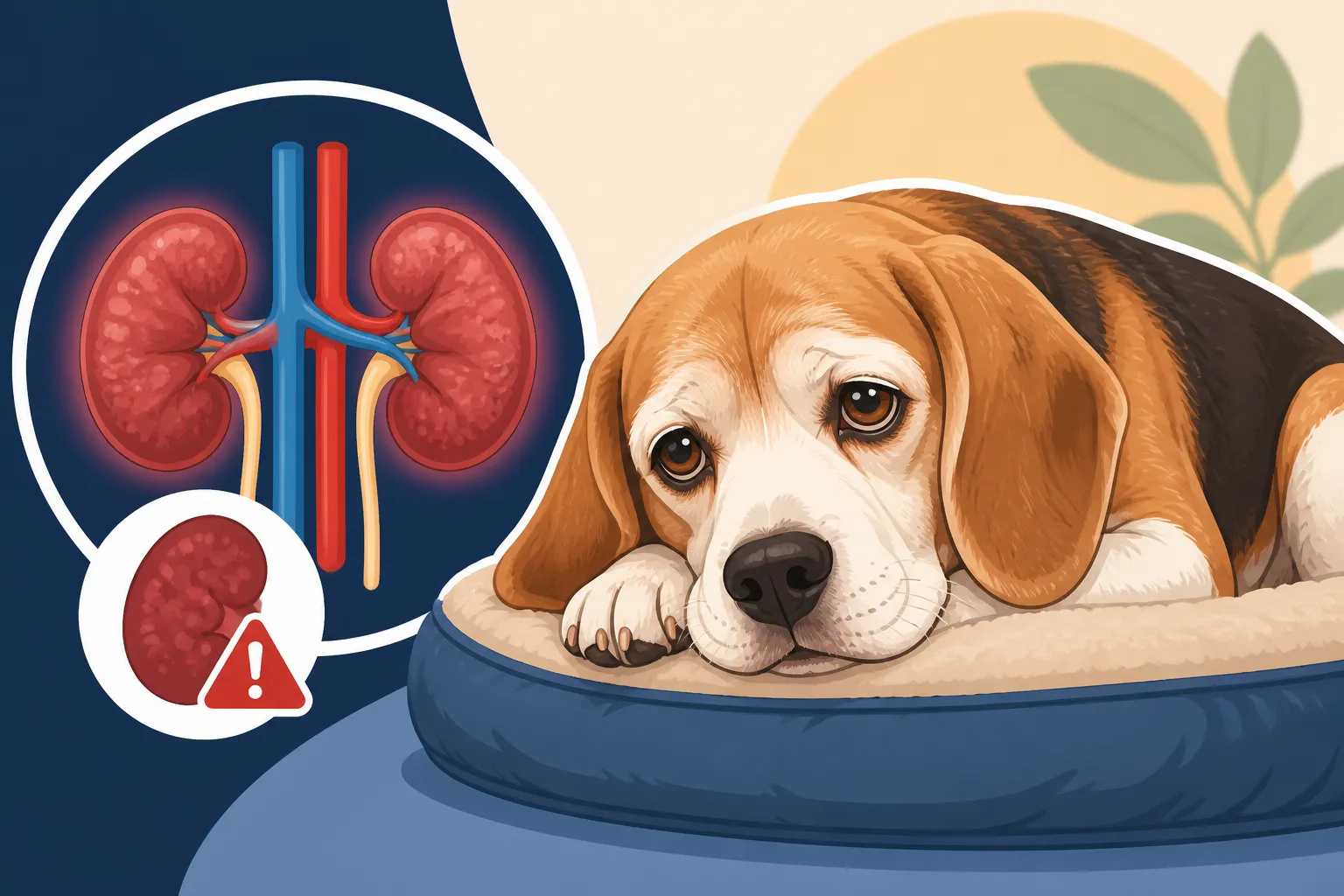
Kidney Disease in an Old Beagle
It's heartbreaking to watch our once-vigorous Beagles start to slow down, and nothing feels quite as confusing or frustrating as when they start showing subtle signs of not feeling quite right. Many of us have been there, noticing a slight change in thirst or a quietness that isn't typical, only to wonder if it's just old age or something more serious. This comprehensive guide is here to walk you through understanding, identifying, and managing kidney disease, a common ailment in our older Beagles, helping you provide the best possible care as they age.
Understanding Kidney Disease in Our Beloved Senior Beagles
As our Beagles transition into their golden years, typically past the age of ten, their bodies, like ours, start to experience wear and tear. One of the most common and concerning age-related conditions is kidney disease, also known as renal disease. It's a progressive condition that can sneak up on you, often showing very few obvious signs until it's quite advanced. The kidneys are powerhouse organs, performing crucial functions that keep your Beagle healthy, and when they start to falter, it affects everything. Understanding how these vital organs work and why they decline in older Beagles is the first step toward proactive care. This is a critical part of overall Senior Beagle Care After the Age of Ten.
How the Kidneys Work and Why They Decline
Think of your Beagle's kidneys as sophisticated filters. Every minute, they process your dog's entire blood volume, removing waste products like urea, creatinine, and toxins that are byproducts of metabolism. They also play a vital role in maintaining proper fluid balance, regulating blood pressure, producing hormones, and ensuring a healthy red blood cell count. It's an incredible system, but it's not invincible.
As Beagles age, the tiny filtering units within the kidneys, called nephrons, can start to lose their function. This isn't usually due to a sudden injury or infection, but rather a gradual deterioration over time. Imagine a filter that slowly clogs up or wears out; it simply can't perform its job as efficiently. This age-related decline means that the kidneys struggle to effectively remove waste, leading to a buildup of toxins in the bloodstream. They also become less efficient at concentrating urine, which is why increased thirst and urination are often among the first, albeit subtle, symptoms. Since Beagles typically live a Beagle Lifespan and the Twelve to Fifteen Year Range, this gradual decline becomes more apparent in their later years.
Common Causes and Risk Factors for Beagles
While age is undoubtedly the biggest factor, several other elements can contribute to or accelerate kidney disease in Beagles. Genetics can play a role, with some individual dogs or bloodlines being more predisposed to kidney issues. However, specific to Beagles, while not as prevalent as in some other breeds, general health and lifestyle choices throughout their life can also impact kidney function.
One significant factor is chronic dehydration, which puts a continuous strain on the kidneys. A Beagle that doesn't drink enough water consistently over many years, perhaps due to infrequent water bowl refills or a preference for stagnant outdoor water, might inadvertently be setting the stage for future kidney problems. Similarly, other concurrent health issues often seen in older Beagles can indirectly affect the kidneys. Conditions like Beagle Heart Disease and Murmurs or Beagle Diabetes and Blood Sugar Control can stress the entire body, including the kidneys. High blood pressure, often linked to these other conditions or obesity, can also damage the delicate kidney structures over time. It's why maintaining a healthy weight and addressing conditions like Beagle Obesity Treated as a Health Problem are so crucial throughout a Beagle's life, not just in their senior years. Any factor that reduces blood flow to the kidneys or causes inflammation can accelerate the damage to these vital organs.
Spotting the Early Warning Signs of Kidney Issues
One of the most challenging aspects of kidney disease is its insidious onset. Our Beagles are masters at hiding discomfort, a trait inherited from their ancestors who wouldn't show weakness in a pack. This means that by the time you notice overt symptoms, a significant portion of kidney function may already be lost. That's why it's so important for us, as their guardians, to be vigilant and aware of even the most subtle changes in their habits and demeanor, particularly as they reach their senior years. Regular Beagle Vet Visit Frequency After the Age of Ten becomes absolutely essential for early detection.
Subtle Changes in Thirst and Urination
This is often the very first clue, but it's easy to dismiss. You might notice your senior Beagle heading to the water bowl more frequently than before, or perhaps drinking more water during walks. Conversely, they might start asking to go outside more often, having accidents indoors, or producing larger volumes of urine when they do go. The reason for this is that as the kidneys lose their ability to concentrate urine, the body tries to compensate by flushing out waste with more water, leading to increased thirst (polydipsia) and increased urination (polyuria).
It's not usually a dramatic shift overnight; it's more of a gradual increase. You might find yourself refilling the water bowl more often, or noticing that the backyard is wetter than usual. Pay attention to the color of their urine too; while perfectly clear urine might seem healthy, it could actually indicate that the kidneys aren't concentrating it properly. Any persistent change in their Beagle Water Intake and Staying Hydrated patterns, even if it seems minor, warrants a call to your vet.
Appetite Changes and Weight Loss
Another common sign, and one that often causes more immediate concern for owners, is a change in appetite. Your Beagle, who once approached every meal with unbridled enthusiasm, might suddenly become picky, eat less, or even refuse meals altogether. This is because the buildup of toxins in their system can lead to nausea and a general feeling of malaise, making food unappetizing.
Along with a decreased appetite, you might start to notice gradual weight loss. This isn't always obvious if your Beagle still has a bit of a potbelly, but you might feel their ribs or spine more prominently when you pet them. They might also experience vomiting or diarrhea intermittently. The combination of nausea, reduced food intake, and the body's inability to properly utilize nutrients can lead to a steady decline in body condition. If your senior Beagle suddenly seems less interested in their favorite treats or turns their nose up at dinner, don't just assume they're being finicky – it could be a sign of something more serious brewing internally.
Behavioral Shifts and General Malaise
Beyond the physical symptoms, kidney disease can manifest in noticeable changes in your Beagle's behavior and overall energy levels. They might become more lethargic, sleeping more throughout the day, and showing less interest in walks, playtime, or family interactions that they once adored. This general weakness and fatigue are directly related to the accumulating toxins and electrolyte imbalances that impact muscle function and energy production.
You might also observe a dullness in their coat, or simply an overall less vibrant appearance. Some Beagles may develop a noticeable "uremic breath," a distinct, often metallic or ammonia-like odor caused by the buildup of waste products. They might become restless or agitated at night, or conversely, more withdrawn and less responsive to your calls. In advanced stages, some Beagles may develop mouth ulcers or anemia, further contributing to their discomfort. These are all signs that your Beagle isn't feeling well, and if they suddenly seem like a shadow of their former, merry self, it’s definitely time to seek veterinary attention.
The Diagnostic Process and Tailored Treatment Plans
Catching kidney disease early significantly impacts the prognosis and quality of life for your senior Beagle. When you notice any of the subtle signs we've discussed, it's crucial to schedule a visit with your veterinarian. They have the tools and expertise to properly diagnose the condition and develop a management plan tailored to your Beagle's specific needs.
Comprehensive Veterinary Examinations and Blood Work
Your vet will start with a thorough physical examination, checking your Beagle's weight, hydration status, coat quality, and listening to their heart and lungs. They'll likely pay close attention to the kidneys, sometimes palpable on examination, and look for any signs of pain or discomfort. This initial assessment provides crucial context for further testing.
The cornerstone of kidney disease diagnosis is blood work. Two key indicators your vet will look at are Blood Urea Nitrogen (BUN) and creatinine levels. These are waste products that healthy kidneys efficiently filter out. Elevated levels indicate that the kidneys aren't doing their job properly. Your vet will also check phosphorus levels, as high phosphorus is a common complication of kidney disease and needs careful management. Additionally, a complete blood count (CBC) will assess for anemia, which often accompanies advanced kidney disease, and electrolyte levels will be checked for imbalances. Newer tests, like Symmetric Dimethylarginine (SDMA), are even more sensitive and can detect kidney function decline much earlier than traditional BUN and creatinine, sometimes even when only 25% of kidney function is lost, long before the older measures show a problem. This makes SDMA incredibly valuable for early detection in senior Beagles.
Imaging and Urinalysis for a Full Picture
While blood tests confirm kidney dysfunction, urinalysis provides vital information about how the kidneys are actually performing their filtering role. Your vet will collect a urine sample to check for protein in the urine, urine specific gravity (which indicates how concentrated the urine is), and the presence of bacteria, blood, or crystals. A dilute urine specific gravity, for instance, confirms that the kidneys aren't concentrating urine effectively, a hallmark of kidney disease.
Imaging, such as X-rays or ultrasound, might also be recommended. X-rays can help assess kidney size and shape, and rule out other issues like bladder stones. An abdominal ultrasound provides a more detailed view of the kidney structure, allowing the vet to identify any abnormalities like cysts, masses, or changes in kidney architecture that might indicate the cause or progression of the disease. This comprehensive approach ensures that your vet gets the full picture of your Beagle's kidney health, helping them stage the disease and formulate the most effective treatment plan.
Medications and Supportive Therapies
Once kidney disease is diagnosed and staged, your vet will work with you to develop a management plan. The goal isn't to cure the disease, as kidney damage is often irreversible, but rather to slow its progression, alleviate symptoms, and maintain your Beagle's quality of life for as long as possible.
Treatment often involves a multi-pronged approach:
- Fluid Therapy: Dehydration is a major concern, and subcutaneous fluids (fluids given under the skin) can be administered at home to help flush toxins and rehydrate your Beagle, especially during periods of decreased appetite or increased vomiting.
- Medications: Depending on your Beagle's specific needs, medications may be prescribed. These can include:
- Anti-nausea drugs: To combat the sickness caused by toxin buildup.
- Appetite stimulants: To encourage eating.
- Phosphate binders: To lower elevated phosphorus levels, which can further damage the kidneys.
- Blood pressure medications: If hypertension is present, to protect the kidneys and other organs.
- Erythropoietin: For severe anemia, to stimulate red blood cell production.
- Dietary Management: This is one of the most crucial aspects of treatment. We'll delve into this more in the next section, but special kidney-supportive diets are formulated to reduce the workload on the kidneys.
- Supplements: Omega-3 fatty acids are often recommended for their anti-inflammatory properties, which can be beneficial for kidney health.
- Regular Monitoring: Your vet will likely recommend regular follow-up blood and urine tests to monitor your Beagle's kidney values and adjust medications as needed. This ongoing partnership with your vet is vital.
It’s important to remember that every Beagle is an individual, and their response to treatment can vary. The key is consistent care and communication with your veterinary team.
Nurturing Kidney Health Through Diet and Daily Care
When your Beagle receives a diagnosis of kidney disease, it can feel overwhelming, but one of the most impactful things you can do to support them is to focus on their diet and daily care routines. These aren't just minor adjustments; they are fundamental pillars in managing the disease and improving your Beagle's comfort and longevity.
The Critical Role of a Kidney-Friendly Diet
Dietary changes are arguably the most important aspect of managing kidney disease. The goal of a kidney-friendly diet is to reduce the workload on the kidneys while still providing adequate nutrition to maintain body condition. This typically means a diet that is:
- Reduced in protein: But still contains high-quality protein. Lowering protein reduces the amount of waste products the kidneys have to filter, but sufficient protein is still needed to prevent muscle wasting.
- Low in phosphorus: High phosphorus levels are detrimental to kidney function and can contribute to further damage. Kidney diets are specifically formulated to keep phosphorus levels low.
- Controlled in sodium: To help manage blood pressure.
- Supplemented with Omega-3 fatty acids: These fatty acids have anti-inflammatory properties that can help protect the kidneys.
- Increased in B vitamins: Which can be lost in excessive urination.
There are many excellent prescription kidney diets available from your veterinarian, such as those from Hill's Prescription Diet, Royal Canin Veterinary Diet, or Purina Pro Plan Veterinary Diets. These diets are carefully balanced to meet the specific nutritional needs of dogs with kidney disease. It's often difficult to switch a senior Beagle to a new food, especially if their appetite is already reduced, but patience and gradual introduction, sometimes with warming the food or adding a tiny bit of low-sodium broth, can help. For more detailed information on feeding older dogs, you might find our guide on Feeding a Senior Beagle Past the Age of Ten helpful.
Ensuring Consistent Hydration
Hydration is paramount for a Beagle with kidney disease. The more water they drink, the more they can help their struggling kidneys flush out toxins. Always ensure your Beagle has access to fresh, clean water. Consider placing multiple water bowls around the house, especially if your Beagle has limited mobility. Filtered water can sometimes be more appealing.
If your Beagle isn't drinking enough, you can try adding water or low-sodium chicken broth to their food. Wet food, or even a mix of wet and dry food, can significantly increase their daily water intake compared to dry kibble alone. Some Beagles enjoy water fountains, which can entice them to drink more due to the movement of the water. Closely monitoring your Beagle's Beagle Water Intake and Staying Hydrated is a daily task that makes a real difference. If dehydration remains a concern, your vet might recommend subcutaneous fluid administration at home, which can dramatically improve how your Beagle feels by helping to eliminate toxins.
Lifestyle Adjustments for Comfort and Well-being
Beyond diet and hydration, making thoughtful lifestyle adjustments can greatly enhance your senior Beagle's quality of life. As their energy levels may dip due to their condition, it's important to adjust their exercise routine. Shorter, more frequent, and less strenuous walks might be more appropriate than one long trek. Focus on gentle activities that they still enjoy, rather than pushing them too hard.
Maintain a comfortable and stress-free environment. A soft, orthopedic bed can ease joint pain often found in older dogs and help them rest better. Since they may need to urinate more frequently, make sure they have easy access to outside, perhaps through a dog door, or consider using potty pads indoors, especially at night, to prevent accidents and reduce stress.
Regular vet check-ups are non-negotiable. Your vet will want to monitor their kidney values, blood pressure, and overall health to adjust treatment as needed. Remember, this journey is about providing comfort and quality of life.
| Symptom Category | Common Signs in Senior Beagles | Potential Implications |
|---|---|---|
| Urination | Increased frequency, larger volume | Kidneys failing to concentrate urine |
| Accidents indoors | Weakened bladder control, increased urgency | |
| Thirst | Drinking more frequently, emptying bowl faster | Body's attempt to flush toxins |
| Appetite | Decreased interest in food, pickiness | Nausea from toxin buildup, general malaise |
| Vomiting, diarrhea | Gastrointestinal upset from uremia | |
| Weight | Gradual weight loss | Reduced appetite, muscle wasting |
| Energy | Lethargy, increased sleeping, less play | Weakness, anemia, toxin accumulation |
| Appearance | Dull coat, bad breath (uremic odor) | Poor nutrient absorption, toxin release |
| Behavior | Restlessness, withdrawal, quietness | General discomfort, brain affected by toxins |
Navigating the Financial Side of Chronic Kidney Disease
Let's be realistic – managing a chronic condition like kidney disease in an older Beagle comes with financial considerations. It's a journey that often involves ongoing veterinary care, prescription diets, and medications, and understanding these costs upfront can help you plan and make informed decisions for your beloved companion.
Understanding the Costs Involved
The cost of managing kidney disease can vary significantly depending on the stage of the disease, your Beagle's specific needs, and where you live. Initial diagnosis typically involves blood tests, urinalysis, and potentially imaging like ultrasound, which can range from a few hundred dollars to over a thousand. Once diagnosed, ongoing monthly expenses become the norm.
These recurring costs often include:
- Prescription Kidney Diet: These specialized foods are usually more expensive than regular commercial kibble.
- Medications: Anti-nausea drugs, phosphate binders, blood pressure medications, and other supportive drugs can add up each month.
- Subcutaneous Fluids: If your Beagle requires regular at-home fluid administration, the cost of fluids and needles can be an ongoing expense.
- Regular Vet Check-ups and Blood Work: To monitor the progression of the disease and the effectiveness of treatment, your vet will recommend periodic re-checks, which include more blood tests. These could be monthly, quarterly, or semi-annually.
It's not uncommon for the annual cost of care for a senior Beagle with kidney disease to be in the thousands of dollars, especially in the later stages of the disease. While this can feel overwhelming, focusing on one step at a time and discussing your budget openly with your veterinarian can help identify the most critical and impactful treatments. For broader context on long-term pet care, our article on Beagle Costs in the First Year Against the Tenth provides a useful perspective.
The Value of Pet Insurance
This is where pet insurance can truly be a lifesaver, especially if you have it in place before a chronic condition like kidney disease develops. Most pet insurance policies consider chronic conditions like kidney disease to be pre-existing if symptoms or diagnosis occurred before enrollment or during the waiting period, meaning they won't cover treatment. However, if your Beagle was insured well before any signs appeared, your policy could significantly offset the financial burden.
For example, a provider like Healthy Paws offers comprehensive accident and illness plans that, if in place, would cover a large percentage of eligible veterinary bills for chronic conditions like kidney disease. This can include the costs of diagnostic tests, medications, prescription diets (often partially covered), and follow-up care. Having a plan with Healthy Paws or a similar provider means you can focus on providing the best care without the added stress of exorbitant bills. If you're considering insurance, it's wise to look into Beagle Insurance Premiums Provider by Provider and understand what each plan covers and its waiting periods.
Even if you don't have insurance, or your Beagle's kidney disease is a pre-existing condition, don't despair. Many veterinary clinics offer payment plans, and there are charitable organizations that can assist with vet bills in certain circumstances. It's always worth asking your vet what options are available. The critical thing is to ensure your Beagle gets the care they need, and proactive financial planning or having adequate insurance coverage, especially when considering Insuring a Beagle Past the Age of Ten, makes a world of difference. Being prepared for potential Beagle Emergency Signs That Cannot Wait Until Morning is also part of responsible pet ownership, and insurance can cover those unexpected situations too.
Disclaimer
The information provided in this article is intended for educational and informational purposes only and does not constitute veterinary medical advice. Always consult with a qualified veterinarian for any health concerns or before making any decisions related to your Beagle's care.