Beagle Water Intake and Staying Hydrated
It’s a common scenario: you look over at your Beagle, nose-deep in something fascinating, and realize you haven't seen them take a proper drink of water all day. We all know water is important, but for our active, scent-driven Beagles, staying adequately hydrated is an often-overlooked cornerstone of their health, impacting everything from their energy levels to organ function. This guide will walk you through why water is so vital for your beloved hound, how much they truly need, and practical ways to ensure they’re always sipping enough.
Why Hydration is Absolutely Critical for Your Beagle
It might seem obvious that water is important, but for a breed as active and scent-obsessed as the Beagle, adequate hydration is fundamental to every bodily process. These aren't just casual observations; they're vital health considerations that can dramatically impact your dog's quality of life and even their longevity. Thinking about hydration proactively, rather than reactively, can save you a lot of worry and vet visits down the line.
The Role of Water in a Beagle's Body
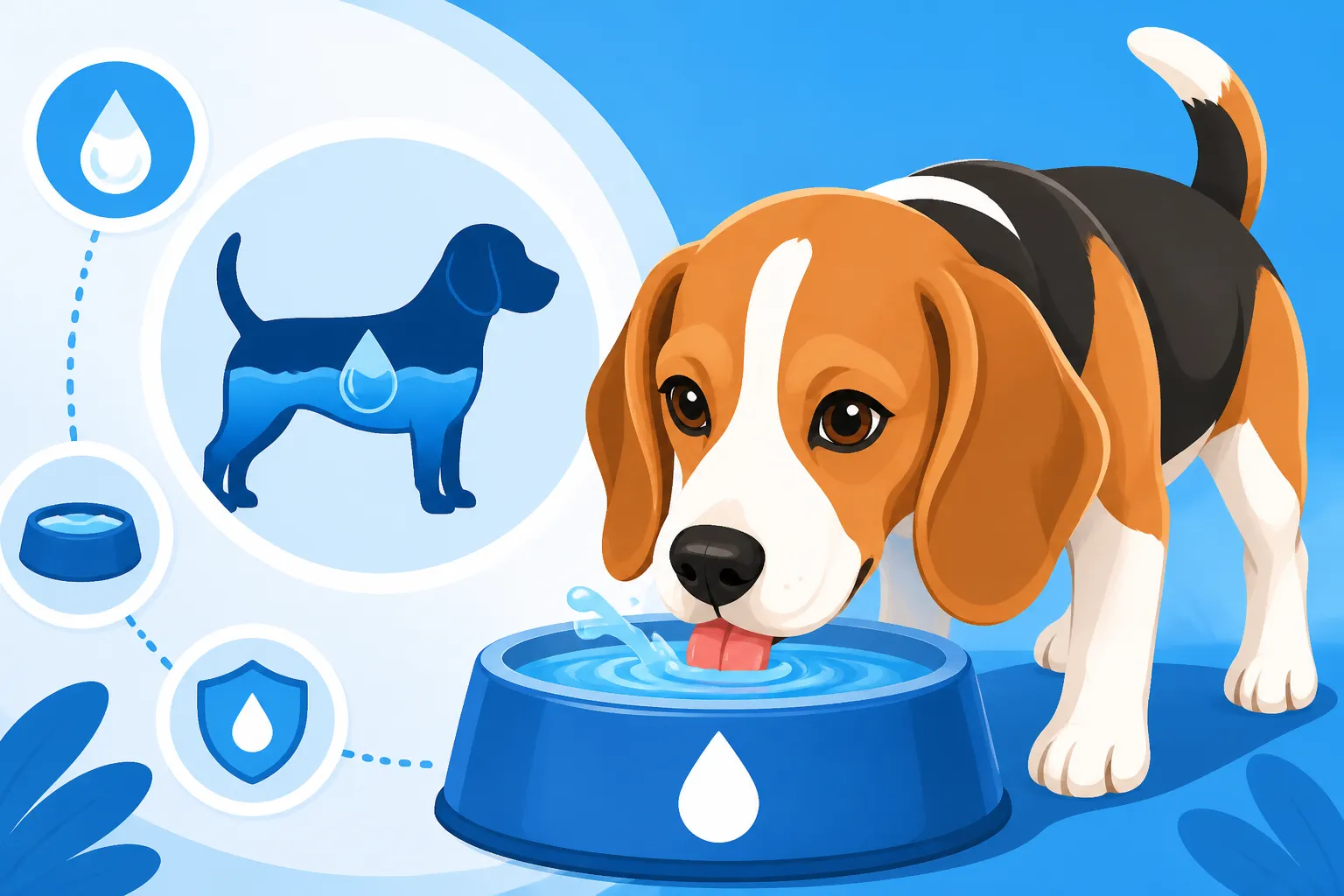
Water is more than just a thirst quencher; it's the very foundation of life for your Beagle. About 70-80% of their body weight is composed of water, and this fluid acts as a silent worker, facilitating countless essential biological functions every single second of the day. Without sufficient water, these systems simply cannot perform as they should, leading to a cascade of potential health issues.
Firstly, water is the primary medium for transporting nutrients, vitamins, and minerals throughout your Beagle's body. Imagine the bloodstream as a highway; water is the vehicle carrying all the essential supplies to every organ, muscle, and cell. It helps move carbohydrates, proteins, fats, and oxygen to where they're needed for energy production and cellular repair. If your Beagle is a lively, energetic dog, then this transport system needs to be running smoothly to keep up with their busy lifestyle, whether they're on a long scent walk or just romping in the backyard.
Secondly, water plays a crucial role in regulating body temperature. Beagles, with their dense double coats, can overheat quite easily, especially during vigorous exercise or on warm days. Water helps dissipate heat through panting, as moisture evaporates from their tongue and respiratory tract. Without enough water, their ability to cool down effectively is severely compromised, putting them at risk of heatstroke, a potentially fatal condition. This is especially true if you are Exercising a Beagle Through Hot Summer Weather. A well-hydrated Beagle can manage their internal temperature much more efficiently, helping them stay comfortable and safe.
Lastly, water is indispensable for waste elimination and joint lubrication. It helps flush out toxins and metabolic waste products through urine, supporting healthy kidney function. Beagle Kidney Disease in an Old Beagle can be a serious concern, and proper hydration throughout their life is a key preventative measure. Additionally, water is a major component of synovial fluid, which lubricates your Beagle's joints, allowing for smooth movement and reducing friction. This is particularly important as Beagles age and become more susceptible to conditions like arthritis. Even their digestion benefits immensely, as water aids in the breakdown of food and helps prevent constipation, which can be a significant discomfort for any dog.
Signs Your Beagle Might Be Dehydrated
Spotting dehydration early in your Beagle can be tricky because, let's face it, they're often so busy and focused on their noses that they might not show obvious signs until it's already a problem. However, as their devoted owner, knowing what to look for can make all the difference. It's about paying close attention to subtle changes and knowing how to do a quick check.
One of the most common and easiest signs to check is skin elasticity. Gently pinch a small fold of skin on your Beagle's back or between their shoulder blades. On a well-hydrated dog, the skin should snap back into place almost immediately. If it takes a moment to recoil, or remains tented, your Beagle is likely dehydrated. This "skin tent" test is a reliable indicator because dehydration causes a loss of fluid in the tissues, making the skin less pliable.
Another key area to examine is their gums. Healthy Beagle gums should be moist, slick, and a vibrant pink color. If they appear dry, tacky, or pale, it's a strong sign of dehydration. You can also press your finger lightly on their gums; the pink color should return quickly (within 1-2 seconds) when you remove your finger. If it takes longer, this "capillary refill time" indicates poor circulation, often linked to dehydration. Don't forget their tongue and nose – a dry nose or a sticky, pasty tongue can also be red flags.
Beyond these physical checks, observe their energy levels and behavior. A dehydrated Beagle might seem lethargic, unusually tired, or less interested in play or their usual Sniffing Walks and Why They Tire a Beagle Out. They might appear restless, pant excessively (even when not hot or active), or seek out cool places to lie down more frequently. Sunken eyes are another sign of more significant fluid loss, as the tissues around the eyes lose their plumpness. You might also notice a decrease in urination or urine that is darker and more concentrated than usual. Remember, these signs can sometimes overlap with other health issues, so if you're ever in doubt, a call to your vet is always the safest bet.
How Much Water Does a Beagle Actually Need?
It's tempting to think there's a magic number for how much water your Beagle should drink, but the reality is a bit more nuanced. Just like us, every dog is an individual, and their hydration needs can fluctuate daily based on a variety of factors. Understanding these variables is key to ensuring your Beagle gets exactly what they need, rather than just guessing.
Factors Influencing Water Intake
Several key elements influence how much water your Beagle needs to stay properly hydrated. Ignoring these can lead to chronic under-hydration or, in rare cases, over-hydration, both of which can impact their health. It's about being observant and adapting to your dog's specific circumstances.
Age and Activity Level: A spry Beagle puppy, constantly exploring and burning through energy, will typically need more water per pound of body weight than a sedentary senior Beagle. Puppies are growing rapidly and have higher metabolic rates. On the other hand, a senior Beagle, while perhaps less active, might have underlying health conditions or medications that influence their thirst. A Beagle that spends an hour running at the dog park or Exercising a Beagle Enough to Settle It will require significantly more water than one who spends the afternoon napping on the couch. High-intensity activities, especially in warmer weather, dramatically increase fluid loss through panting and sweating (through their paw pads), necessitating greater intake.
Diet Type: This is a huge factor many owners don't fully consider. If your Beagle eats primarily dry kibble, they'll need to drink substantially more water to compensate for the lack of moisture in their food. Dry kibble often contains only about 10% moisture. Compare this to wet food or fresh food diets, which can be 70-80% water. If you feed a fresh food diet from a brand like Ollie, or incorporate wet food from Chewy, your Beagle will naturally get a good portion of their daily water intake through their meals, reducing their reliance on the water bowl. Even rehydrating kibble with warm water or broth can make a big difference in their overall hydration.
Weather and Environment: It goes without saying that a Beagle living in a hot, humid climate or during a scorching summer will need much more water than one in a cool, dry environment. The increased heat causes more panting, leading to greater fluid evaporation from their respiratory system. Similarly, if you live at a higher altitude, the drier air can also contribute to increased fluid loss. Be mindful of humidity too; while it might feel less dry, humid air can make it harder for a dog to cool down, leading to more panting and thus more water loss.
Size and Individual Metabolism: While we talk about Beagles as a breed, there are still individual variations in size and metabolic rate. A larger 15-inch Beagle will generally need more water than a smaller 13-inch variety, simply due to greater body mass. Beyond size, individual metabolism and any underlying health conditions can also play a role. For example, Beagles with conditions like Beagle Diabetes and Blood Sugar Control or certain kidney issues may exhibit increased thirst and urination, requiring careful monitoring of their water intake. Always consult your vet if you notice a sudden, dramatic change in your Beagle's drinking habits, as it can be a sign of an underlying medical issue.
The "Rule of Thumb" for Daily Water Consumption
While it’s true that your Beagle’s water needs are incredibly dynamic, having a general guideline can be really helpful as a starting point. Most veterinarians and canine nutritionists suggest a straightforward "rule of thumb" for daily water consumption: approximately one ounce of water per pound of body weight per day.
So, if your Beagle weighs around 25 pounds, they would ideally consume about 25 ounces (or roughly 3 cups) of water over a 24-hour period. For a smaller 20-pound Beagle, it would be closer to 20 ounces, and so on. This figure is for average activity levels and temperate weather conditions, serving as a baseline. It's not a hard and fast rule, but rather a flexible target to aim for and adjust based on the factors we just discussed.
For instance, on a sweltering summer day after an energetic play session, your 25-pound Beagle might easily drink 40 ounces or more, and that's perfectly normal and necessary. Conversely, on a lazy winter day spent mostly napping, they might only drink 20 ounces. The key is to provide constant access to fresh water and observe your dog's intake and overall health. Don't panic if they don't hit the exact "ounce per pound" mark every single day, as long as they are generally healthy, active, and showing no signs of dehydration.
It’s also important to remember that this "rule of thumb" includes water consumed from all sources. So, if your Beagle gets a significant portion of their hydration from wet food, broth, or hydrating fruits and vegetables, their direct water bowl intake might naturally be lower. The total fluid intake is what matters. Keeping track of how much water you put out and how much is left over at the end of the day can help you get a rough idea of their consumption, though it can be tricky with multiple pets or if water spills. The best approach is always to combine this guideline with your careful observation of your individual Beagle and their daily circumstances.
Encouraging Your Beagle to Drink More Water
Sometimes, even with fresh water readily available, our Beagles don't drink as much as we'd like. This isn't necessarily a sign they're being stubborn; it could be due to subtle preferences or simply because they're easily distracted. Luckily, there are plenty of strategies you can employ to make drinking water a more appealing and accessible activity for your beloved hound.
Simple Strategies for Water Bowl Placement and Freshness
The humble water bowl is the primary source of hydration for most Beagles, and optimizing its presentation and location can make a huge difference. Think of it from your Beagle's perspective: would you want to drink stale water from a grimy bowl in an inconvenient spot? Probably not!
Firstly, freshness is paramount. You wouldn't drink stagnant water, and neither should your Beagle. Change the water at least twice a day, or more frequently if it gets dirty. Think about it: a Beagle with their nose to the ground and ears that often dip into the bowl is prone to collecting debris. Bits of food, grass, and even their own fur can quickly contaminate the water, making it less appealing. A quick rinse and refill each morning and evening ensures a clean, inviting drink.
Secondly, cleanliness extends to the bowl itself. Don't just top it off; scrub the bowl regularly. Over time, a biofilm can build up on the surface of the bowl, which is a breeding ground for bacteria and can make the water taste unpleasant. Washing it with soap and hot water daily or every other day, just like you would your own dishes, is essential. For extra convenience, many ceramic or stainless steel bowls are dishwasher safe. You can find a wide variety of easy-to-clean bowls, from stainless steel to ceramic, on Chewy, making it simple to find one that fits your home and your Beagle's needs.
Lastly, consider placement and availability. One bowl is often not enough, especially in larger homes or multi-level dwellings. Place multiple water bowls around your house, in areas your Beagle frequents. One in the kitchen, one near their favorite napping spot, and one outside in a shady area are good starting points. This ensures that no matter where your Beagle is, a refreshing drink is always within easy reach. If they're prone to Beagle Counter Surfing and Trash Raiding, make sure water bowls aren't placed precariously where they might be knocked over or contaminated. Experiment with different types of bowls too – some Beagles prefer ceramic, others stainless steel, and some might even prefer a glass bowl. Observe their preferences!
The Appeal of Water Fountains and Enhanced Water Options
If basic bowls aren't cutting it, it might be time to up your hydration game with some more enticing options. Beagles are often drawn to novelty and moving water, which can be exactly what you need to boost their intake.
Pet water fountains are a fantastic solution for many dogs, and Beagles are no exception. The sound of running water and the continuous circulation often make the water more appealing and seem fresher. Many fountains come with filters that remove impurities, odors, and tastes, providing a cleaner, better-tasting drink. The constant movement can also discourage bacterial growth that stagnant water bowls are prone to. You can find a wide selection of pet water fountains on Amazon, ranging from stainless steel to plastic models, with various capacities to suit your home and Beagle. Just remember to clean these fountains regularly and replace filters as recommended to maintain their effectiveness and hygiene.
Beyond fountains, you can get creative with enhancing the water itself. One simple trick is to add ice cubes to their water bowl. Many Beagles find the cold water refreshing, especially after a walk or play. Plus, playing with the ice cubes can be an engaging activity that leads to more accidental sips. For Beagles that are particularly picky, consider adding a splash of low-sodium chicken or beef broth (ensure it's onion and garlic-free) to their water. This can make the water much more palatable, turning a chore into a treat. Even just a tiny amount can significantly increase its appeal.
Another fun and hydrating option is to offer "pupsicles" or frozen treats made from diluted broth. Simply pour diluted broth into ice cube trays and freeze. These are especially great on hot days, providing both hydration and a tasty distraction. Some owners even freeze small pieces of dog-safe fruit (like blueberries or apple slices) in water for a healthy, hydrating snack. Be mindful of not overdoing sugary fruit, but a few small pieces can be a nice treat. These methods make hydration an exciting part of their day, rather than just another necessity.
Incorporating Hydrating Foods into Their Diet
Beyond the water bowl, don't forget that a significant portion of your Beagle's daily water intake can come directly from their food. This is an excellent way to discreetly boost their hydration, especially if they're not big drinkers from the bowl.
One of the most effective ways to increase dietary moisture is by feeding wet dog food. Canned or fresh wet foods typically contain 70-80% water, significantly more than dry kibble's 10%. If your Beagle is prone to being a little round, which can lead to Beagle Obesity and the Diseases It Brings On, incorporating wet food can also help them feel fuller on fewer calories due to the higher water content. Brands like Ollie offer fresh, human-grade food that is naturally high in moisture, making it a fantastic option for hydration. You can also find a vast selection of high-quality wet food options on Chewy, allowing you to pick something that suits your Beagle's taste and dietary needs.
If your Beagle primarily eats dry kibble, you can easily rehydrate it before serving. Simply add warm water or low-sodium, onion/garlic-free broth to their kibble and let it sit for 5-10 minutes until it softens and absorbs the liquid. This not only adds crucial moisture but can also make the food more palatable and potentially slow down a Beagle that tends to A Beagle That Swallows Its Food Whole. This simple step, especially when feeding a breed that Feeding a Beagle That Would Happily Eat All Day, can ensure they get more fluid with every meal.
Finally, consider adding dog-safe, hydrating fruits and vegetables to their diet as healthy snacks. Cucumbers, watermelon (without seeds), celery, and blueberries are excellent choices. These natural treats are packed with water and nutrients. Just be sure to offer them in moderation and cut into appropriate, bite-sized pieces to prevent choking. Always research specific foods to ensure they are safe for dogs. For instance, while carrots are healthy, they're not as water-dense as cucumber. These additions can make a significant difference to their overall daily fluid intake, helping them stay hydrated and happy.
Recognizing and Responding to Dehydration Emergencies
While proactive hydration strategies are key, there might come a time when your Beagle faces a more serious level of dehydration. Knowing when to escalate your concerns and what immediate actions to take can be life-saving. Dehydration, if left unchecked, can quickly spiral into a critical medical emergency.
When Dehydration Becomes a Medical Emergency
Mild dehydration is something you can often address at home with increased water intake and careful monitoring. However, there's a point where it crosses the line into a severe medical emergency, demanding immediate veterinary attention. Ignoring these advanced signs can lead to organ failure, heatstroke, and even death, especially in a breed like the Beagle that can push themselves quite hard while pursuing a scent or during vigorous play.
Severe dehydration manifests with a combination of pronounced symptoms. The "skin tent" test, which we discussed earlier, will be very noticeable; the skin will remain tented for several seconds after being pinched. Their gums will be extremely dry, pale, or even white, and the capillary refill time will be significantly prolonged, taking 3 seconds or more for color to return. Their eyes will appear noticeably sunken and dull, rather than bright and alert.
Beyond these physical signs, your Beagle's behavior will likely be alarming. They may be extremely lethargic, weak, or even unable to stand or move. Their breathing might be shallow and rapid, or they could be panting excessively without any apparent reason. They might vomit repeatedly, which only exacerbates the fluid loss, creating a dangerous cycle. In some cases, they might even collapse or lose consciousness. These are critical Beagle Emergency Signs That Cannot Wait Until Morning and require immediate intervention.
Severe dehydration is often linked with conditions like heatstroke, prolonged vomiting, severe diarrhea, or underlying illnesses that cause excessive fluid loss or an inability to drink. Without prompt intravenous fluid therapy, the body's systems begin to shut down. The kidneys, in particular, are highly susceptible to damage during severe dehydration, as they struggle to filter waste without sufficient fluid volume. If you see any of these severe signs, do not hesitate for a second. This is not a "wait and see" situation.
Immediate Steps if You Suspect Severe Dehydration
If you ever find yourself suspecting your Beagle is severely dehydrated, your immediate actions can significantly influence the outcome. Panic is a natural reaction, but it’s crucial to remain calm and focused to help your dog effectively. The goal is to safely initiate rehydration and get professional help as quickly as possible.
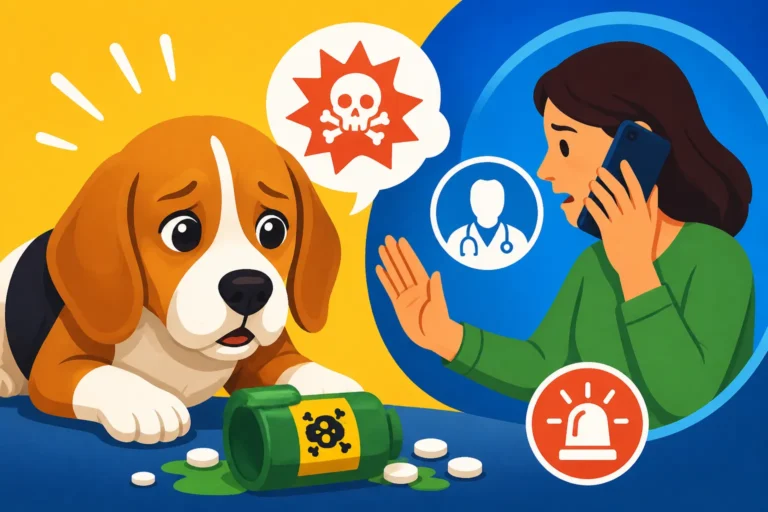
Your very first step should be to contact your veterinarian or the nearest emergency veterinary clinic immediately. Describe your Beagle's symptoms clearly and precisely. They will provide guidance over the phone and prepare for your arrival, allowing them to start treatment without delay once you get there. Do not attempt to force water into a severely dehydrated or unresponsive Beagle, as this can lead to aspiration (inhaling fluid into their lungs), which can cause pneumonia.
While waiting for or traveling to the vet, try to cool your Beagle down gently if heatstroke is suspected or if they feel excessively warm. Move them to a cooler environment, ideally an air-conditioned room or a shaded area. You can apply cool (not ice-cold) water to their paw pads, inner thighs, and ears, or place cool, damp towels over their body. Do not use ice water or immerse them completely in cold water, as this can cause their body temperature to drop too rapidly, leading to other complications. Offer small amounts of water if your Beagle is conscious and willing to drink on their own, but don't force it. Electrolyte solutions designed for dogs can be helpful if recommended by your vet, but plain water is always the safest first choice.
Keep your Beagle as calm and quiet as possible. Avoid any strenuous activity or excitement. Wrap them in a towel or blanket if they are shivering or seem to be in shock. The key during this time is stabilization and transport. Remember, severe dehydration usually requires intravenous fluids administered by a veterinary professional to rapidly restore fluid balance and address electrolyte imbalances. Home remedies are insufficient for this level of crisis. Being prepared to act swiftly and decisively can make all the difference for your precious Beagle.
Common Misconceptions About Beagle Hydration
Even with the best intentions, many Beagle owners can fall prey to common myths or misunderstandings about canine hydration. These misconceptions, while often harmless in isolated instances, can sometimes lead to situations where our Beagles aren't getting the optimal care they need. Let's clear up a couple of these prevalent ideas.
"They'll Drink When They're Thirsty" – Why This Isn't Always True
This is perhaps the most common misconception, and while there's a kernel of truth to it – dogs do have a thirst drive – it oversimplifies the complex reality of canine hydration, especially for Beagles. The idea that a dog will instinctively drink exactly what they need, exactly when they need it, can lead to passive oversight rather than proactive care.
Firstly, Beagles are incredibly distraction-driven. When their powerful nose latches onto a scent, or they're engrossed in play, their immediate physiological needs, like thirst, can take a backseat. A Beagle on an exciting Sniffing Walks and Why They Tire a Beagle Out might be too focused on the trail to notice their mouth is dry. They might bypass a perfectly good water bowl because the squirrel outside the window is far more interesting. Waiting for them to feel thirsty might mean they've already reached a mild state of dehydration before they even consider taking a sip.
Secondly, individual dogs vary in their thirst drive. Some Beagles are naturally good drinkers, while others might be more finicky or less attuned to their body's signals. Older Beagles, in particular, might experience a blunted thirst sensation as they age, making them more susceptible to dehydration even when water is available. If your Beagle is Senior Beagle Care Once the Nose Slows Down, you'll need to be even more vigilant about their water intake. Certain medications can also affect thirst levels, making it unreliable to assume they'll always drink enough.
Lastly, access and appeal play a huge role. If the water bowl is in an inconvenient location, or if the water is stale or dirty, even a thirsty Beagle might choose not to drink. We've talked about this already, but it bears repeating: convenience and freshness are powerful motivators. Simply assuming "they'll drink when they're thirsty" can lead to situations where mild, chronic dehydration goes unnoticed because the dog isn't actively seeking water, either due to distraction, reduced thirst sensation, or unappealing conditions. It's our job as responsible owners to anticipate their needs and ensure hydration is always easy, appealing, and part of their routine, rather than waiting for them to show obvious signs of thirst.
Overhydration: Is It a Concern for Beagles?
While the focus is almost always on preventing dehydration, some owners might wonder if it's possible for a Beagle to drink too much water. The good news is that overhydration, also known as water intoxication or hyponatremia, is relatively rare in healthy dogs and usually requires extreme circumstances to occur. However, it's not entirely impossible, and understanding the conditions under which it might happen can help you keep your Beagle safe.
Overhydration typically occurs when a dog consumes an excessive amount of water in a short period, diluting the sodium levels in their bloodstream to dangerously low levels. This can cause cells, including brain cells, to swell, leading to serious neurological issues. For a healthy Beagle, their kidneys are usually efficient enough to process excess water and excrete it, maintaining proper electrolyte balance. They would have to drink an truly immense amount of water to overwhelm this natural regulatory system.
The situations where overhydration is most commonly seen involve prolonged, intense play in water. Think of a Beagle that loves to fetch toys in a lake or pool, constantly gulping water as they retrieve. Or perhaps a Beagle playing with a high-pressure hose, inadvertently swallowing large quantities of water. These scenarios, particularly if sustained for a long time, can lead to excessive water intake without sufficient electrolyte replenishment. It's much less likely to happen from just drinking from a bowl, even if they seem to be guzzling it down.
Symptoms of water intoxication can include bloating, lethargy, vomiting, loss of coordination, dilated pupils, glazed eyes, excessive salivation, and in severe cases, seizures, coma, and even death. If you observe any of these signs, especially after a prolonged period of water play, it's a medical emergency, and you should seek immediate veterinary care.
For the vast majority of Beagle owners, the concern should remain firmly on ensuring adequate hydration rather than worrying about overhydration. As long as your Beagle has constant access to fresh water and isn't engaged in extreme, prolonged water-guzzling activities, overhydration is unlikely to be an issue. However, being aware of its possibility, particularly for those Beagles who are avid swimmers or hose-play enthusiasts, is part of being a well-informed dog parent.
Here's a handy table summarizing the key factors influencing your Beagle's daily water needs and how they impact consumption:
| Factor | Impact on Water Needs | Explanation |
|---|---|---|
| Age | High for puppies, moderate for adults, variable for seniors | Puppies have higher metabolism. Seniors may have health conditions or reduced thirst drive. |
| Activity Level | High (more exercise = more water) | Increased panting and sweating during play, walks, or Running and Hiking With a Beagle leads to fluid loss. |
| Diet Type | High for dry kibble, low for wet/fresh food | Dry kibble is ~10% water; wet/fresh food is ~70-80% water. Wet food significantly contributes to hydration. |
| Weather | High in hot/humid conditions | Increased panting to cool down in heat/humidity leads to greater fluid evaporation. |
| Size/Weight | Higher for larger Beagles | Larger body mass generally requires more fluid to maintain bodily functions. |
| Health Status | Variable (can be high or low depending on condition) | Conditions like Beagle Diabetes and Blood Sugar Control increase thirst; illness/meds can alter intake. |
Ensuring your Beagle stays well-hydrated is one of the most fundamental yet often overlooked aspects of their daily care. It’s not just about setting out a bowl; it’s about understanding their unique needs, recognizing the signs when things are amiss, and taking proactive steps to make sure they’re always sipping enough. By paying attention to these details, you're not just offering them a drink; you're offering them a healthier, happier, and longer life by your side.
Disclaimer
This article is for general informational purposes only and does not constitute professional advice. Laws, prices and regulations vary by location and change over time. Consult a qualified professional for guidance on your specific situation.