What to Do When a Beagle Eats Something Toxic
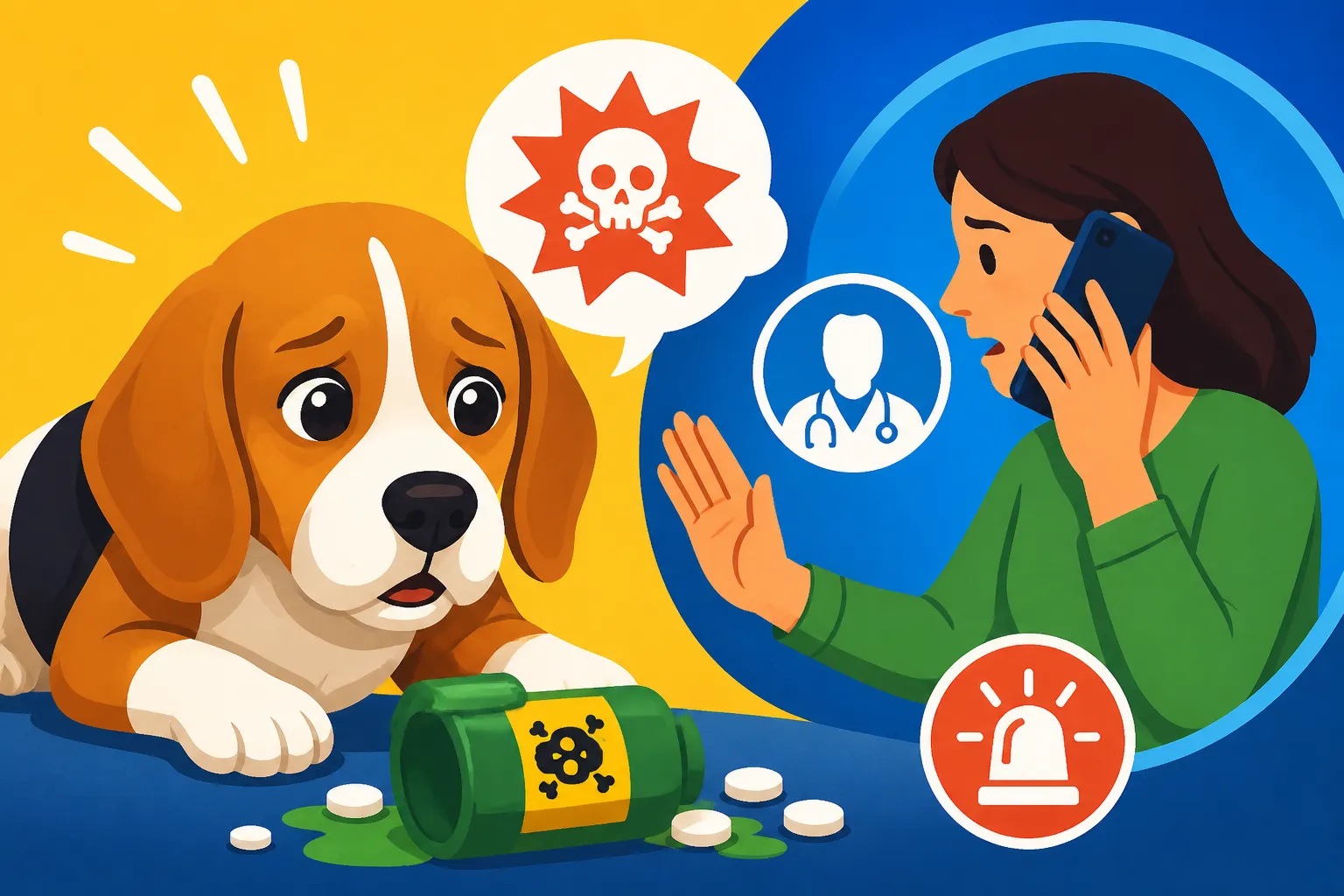
It's every Beagle owner's worst nightmare: you turn your back for a moment, and your perpetually hungry hound has managed to get into something it absolutely shouldn't have. Whether it's a dropped chocolate bar, spilled medication, or a curious nibble on a toxic houseplant, the panic sets in fast. This guide is here to walk you through those terrifying first few minutes and hours, detailing exactly what steps to take when your Beagle eats something potentially toxic.
Initial Steps: Recognizing the Immediate Danger
When you discover your Beagle has eaten something questionable, the first emotion is almost always sheer panic. It’s natural to feel that surge of fear, but it's crucial to try and gather yourself, even just for a moment, because quick and accurate action can make all the difference. Your Beagle relies on you to be its calm, collected advocate in these stressful situations.
Identifying Common Household Toxins Beagles Find
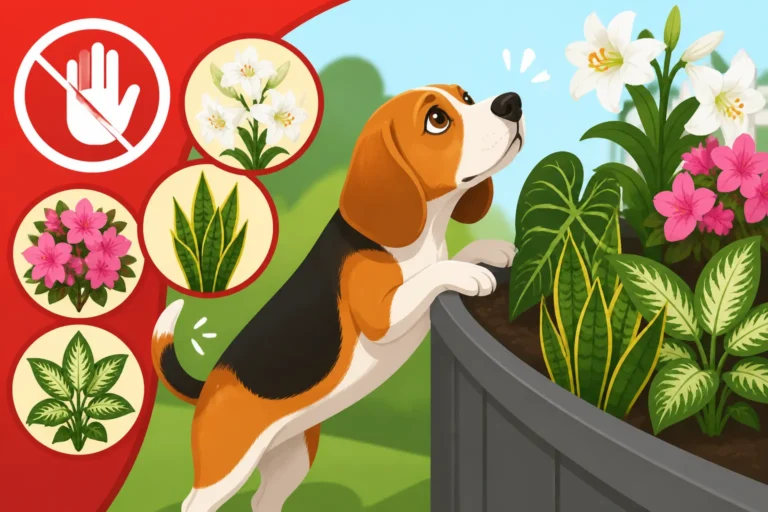
Beagles, bless their curious, scent-driven hearts, are expert scavengers. Their powerful noses, often glued to the ground, also lead them to trouble spots indoors and out. Because of this, they are particularly prone to ingesting things they shouldn't. Common household items are often the culprits. Think about chocolate left on a coffee table, sugar-free gum containing xylitol dropped on the floor, or medications that rolled off a nightstand. Foods like grapes, raisins, onions, garlic, and even certain nuts are highly toxic. Rodenticides, slug bait, antifreeze, and fertilizers are also incredibly dangerous if your Beagle gets access to them in the garage or yard. Even common houseplants like lilies, sago palms, and azaleas can be deadly.
What did your Beagle eat? How much of it? When did it happen? These questions are going to be vital for your veterinarian. If you found the wrapper or the container, grab it. If it was a plant, try to identify the species. The more specific information you can provide, the better equipped your vet will be to assess the situation and recommend the right course of action. Don't waste time trying to make your Beagle "confess" – just focus on the facts of the ingestion.
Gathering Information While Panicking
I know, I know, "don't panic" is easier said than done when your beloved Beagle is involved. But truly, try to take a deep breath. As soon as you suspect or confirm your Beagle has eaten something toxic, start gathering as much information as humanly possible, even if your hands are shaking. What exactly was consumed? If it's a product, do you have the packaging? Look for active ingredients, concentration percentages, and approximate amounts. A single dropped Tylenol for a human is a much different scenario than an entire bottle of ibuprofen, for example.
Note down the estimated time of ingestion. This is crucial for determining how much of the toxin might have been absorbed into their system. If there are any visible symptoms – vomiting, drooling, lethargy, tremors, restlessness – make a mental note or jot them down quickly. All this information, even seemingly small details, will be invaluable when you call your veterinarian or an animal poison control center. Having it ready will save precious minutes and allow the professionals to get right to helping your Beagle. Remember, even if you’re certain it was just a small bite, it’s always better to err on the side of caution with these curious creatures.
First Aid at Home: What You Can (and Can't) Do
In these urgent moments, it's tempting to want to fix things yourself immediately. However, knowing what you can do safely at home versus what absolutely requires professional veterinary intervention is critical. Sometimes, attempting home remedies can do more harm than good, especially with a Beagle's sensitive system.
When to Induce Vomiting (and When Absolutely Not To)
The first thought many owners have is to make their dog throw up. While inducing vomiting can sometimes be helpful, it is not always the right course of action, and it should never be done without consulting a veterinarian or animal poison control. Inducing vomiting can be dangerous if the substance is corrosive (like drain cleaner or bleach), if your Beagle is already vomiting, showing neurological signs like seizures, is unconscious or weak, or if it's been several hours since ingestion. Corrosive substances can cause more damage coming back up, and a weakened or unconscious dog could aspirate their vomit into their lungs, leading to a much more severe problem.
If instructed by a vet, you might be told to use 3% hydrogen peroxide, a common household item. The dosage is typically one teaspoon per 10 pounds of body weight, given orally, repeated once after 15 minutes if your dog hasn't vomited. You can use a syringe or turkey baster to administer it carefully. After administering, gently walk your Beagle around for a few minutes to help it mix in their stomach. Crucially, always have your vet on the phone or be on your way to their clinic if you're trying this. They need to guide you. If you don't hear back quickly from your regular vet, don't hesitate to contact a 24/7 animal poison control line.
Administering Activated Charcoal Safely
Activated charcoal is another tool that vets sometimes recommend for at-home first aid, but again, this is strictly under veterinary guidance. Activated charcoal works by binding to certain toxins in the digestive tract, preventing them from being absorbed into the bloodstream. It's often effective for a wide range of poisons, but it's not a universal antidote. It doesn't work for all toxins (e.g., heavy metals, corrosive agents, or alcohol), and improper administration can lead to aspiration pneumonia if your Beagle inhales it.
Your vet will provide the correct dosage, which is usually a specific amount per pound of body weight. Activated charcoal typically comes as a black liquid or a powder that needs to be mixed with water. Administering it can be messy, and your Beagle might resist. Use a large syringe to give it slowly into the side of their mouth, allowing them to swallow gradually to prevent choking. After administration, monitor your Beagle closely for any changes, and make sure they have access to plenty of fresh water. Many pet supply sites, like Chewy or Amazon, offer activated charcoal specifically formulated for pets, but it's always best to have it on hand before an emergency and only use it when directed by a professional. Beagle Emergency Signs That Cannot Wait Until Morning covers other scenarios where immediate vet attention is paramount.
Rushing to the Vet: The Critical Next Steps
In many cases of suspected toxin ingestion, the best and safest course of action is to get your Beagle to an emergency veterinarian as quickly as possible. Don't wait for symptoms to appear, especially if you know the substance is highly toxic or a large amount was ingested.
What to Bring and What to Tell the Vet
When you're heading to the vet, speed is of the essence, but so is preparedness. If possible, bring the packaging of the ingested substance with you. This includes food wrappers, medication bottles, plant clippings, or chemical containers. The label will contain crucial information about ingredients, concentrations, and manufacturer contact details, which the veterinary team can use to quickly research the specific toxic properties. If your Beagle has vomited, try to bring a sample of the vomit if you can safely collect it. While unpleasant, it can sometimes provide clues about what was ingested.
Upon arrival, be ready to provide a concise but comprehensive history to the veterinary staff. Tell them:
- What your Beagle ate (specific name of product/plant).
- How much it ate (estimate as accurately as possible).
- When it ate it (approximate time).
- Any symptoms you've observed, even subtle ones.
- Any first aid you may have administered (e.g., hydrogen peroxide, charcoal).
- Your Beagle's general health history, current medications, and any known allergies.
Being clear and factual will help the vet triage your Beagle and initiate the most appropriate treatment plan without delay.
Understanding Emergency Treatment Options
Once at the veterinary clinic, the team will spring into action. Their first priority will be to stabilize your Beagle, especially if it's already showing severe symptoms. They'll assess vital signs, perform a physical exam, and likely run some initial diagnostics, such as blood work, to check organ function and look for signs of toxicity.
Treatment options will vary widely depending on the toxin, the amount ingested, and the time since ingestion. Some common interventions include:
- Induced Vomiting (Emisis): The vet might use stronger, more reliable emetics than hydrogen peroxide, like apomorphine, to induce vomiting, especially if it's within a couple of hours of ingestion. This is done under controlled conditions to minimize risks.
- Gastric Lavage: In more severe cases, or if inducing vomiting isn't effective, they might perform a gastric lavage ("stomach pump") to physically remove stomach contents.
- Activated Charcoal: The vet will administer a specific dose of medical-grade activated charcoal to absorb remaining toxins.
- Intravenous (IV) Fluids: Fluids help support kidney function, maintain hydration, and speed up the elimination of toxins from the body.
- Medications: Depending on the toxin, your Beagle might receive anti-nausea drugs, anticonvulsants for seizures, liver protectants, or specific antidotes if available.
- Supportive Care: This could involve oxygen therapy, warming or cooling measures, or pain management.
The veterinary team will monitor your Beagle closely, often for several hours or even overnight, depending on the severity. It's a scary time, but knowing they are receiving expert care is paramount. Remember that Beagle Emergency Funds Worth Building is a great resource for preparing for such unexpected vet costs.
Prevention is Key: Beagle-Proofing Your Home and Yard
While knowing what to do in an emergency is crucial, preventing these incidents from happening in the first place is always the best approach. Beagles are notoriously food-driven and endlessly curious, making a thorough "Beagle-proofing" essential for their safety and your peace of mind.
Securing Food and Medications
Your Beagle's extraordinary nose and persistent nature mean that if something edible is within reach, they will find it. This means food safety goes beyond just putting things in the pantry. Beagles are known counter-surfers and trash-raiders. All human foods, especially those known to be toxic like chocolate, grapes, raisins, xylitol-containing products (gum, certain peanut butters), onions, and garlic, should be stored in secure, air-tight containers, high up in cabinets that your Beagle can't possibly access. Don't leave groceries unattended on the counter, even for a moment. Get a trash can with a Beagle-proof lid that latches.
Medications are another huge risk. Never leave prescription bottles or even over-the-counter pills on nightstands, coffee tables, or in easily opened purses. A dropped pill can be a life-threatening incident for a small Beagle. Store all medications in locked cabinets or drawers. Even pet medications need to be secured, as an overdose of their own medication can be dangerous. Think about child-proofing, but then level it up for a dog with an exceptional sense of smell and a relentless drive. You might even consider having a secure treat container from a brand like Amazon Basics or one of the many options available on Chewy, filled with safe, low-calorie Treats Small Enough for a Hundred Beagle Repetitions to redirect that intense food drive.
Managing Plants and Outdoor Hazards
It's not just indoors where dangers lurk. Many common houseplants and garden plants are toxic to Beagles. Before bringing any new plant into your home or planting anything in your yard, research whether it's safe for pets. Lilies, sago palms, azaleas, rhododendrons, oleander, and even daffodils are just a few examples of beautiful but dangerous flora. If you have toxic plants, consider moving them to areas your Beagle cannot access, or rehoming them entirely.
Outdoors, the world is a giant sniffing adventure for a Beagle, which also means a world of potential hazards. Keep fertilizers, pesticides, slug bait, and rodenticides locked away in a shed or garage. Be particularly careful with products containing metaldehyde (found in some slug baits) or bromethalin (a common rodenticide), as these can be deadly even in small amounts. Antifreeze is another silent killer because its sweet taste attracts dogs. Ensure any spills are immediately and thoroughly cleaned. When walking your Beagle, practice "leave it" and Stopping a Beagle From Eating Things It Finds to prevent them from scavenging potentially harmful items on the ground. A good Year-Round Parasite Prevention for a Beagle plan also helps reduce risks from external threats.
By taking these proactive steps, you can significantly reduce the chances of your curious Beagle encountering something toxic, keeping them safe and sound so they can continue to bring all their characteristic Beagle joy into your life.
Disclaimer
This article is for general informational purposes only and does not constitute professional advice. Laws, prices and regulations vary by location and change over time. Consult a qualified professional for guidance on your specific situation.