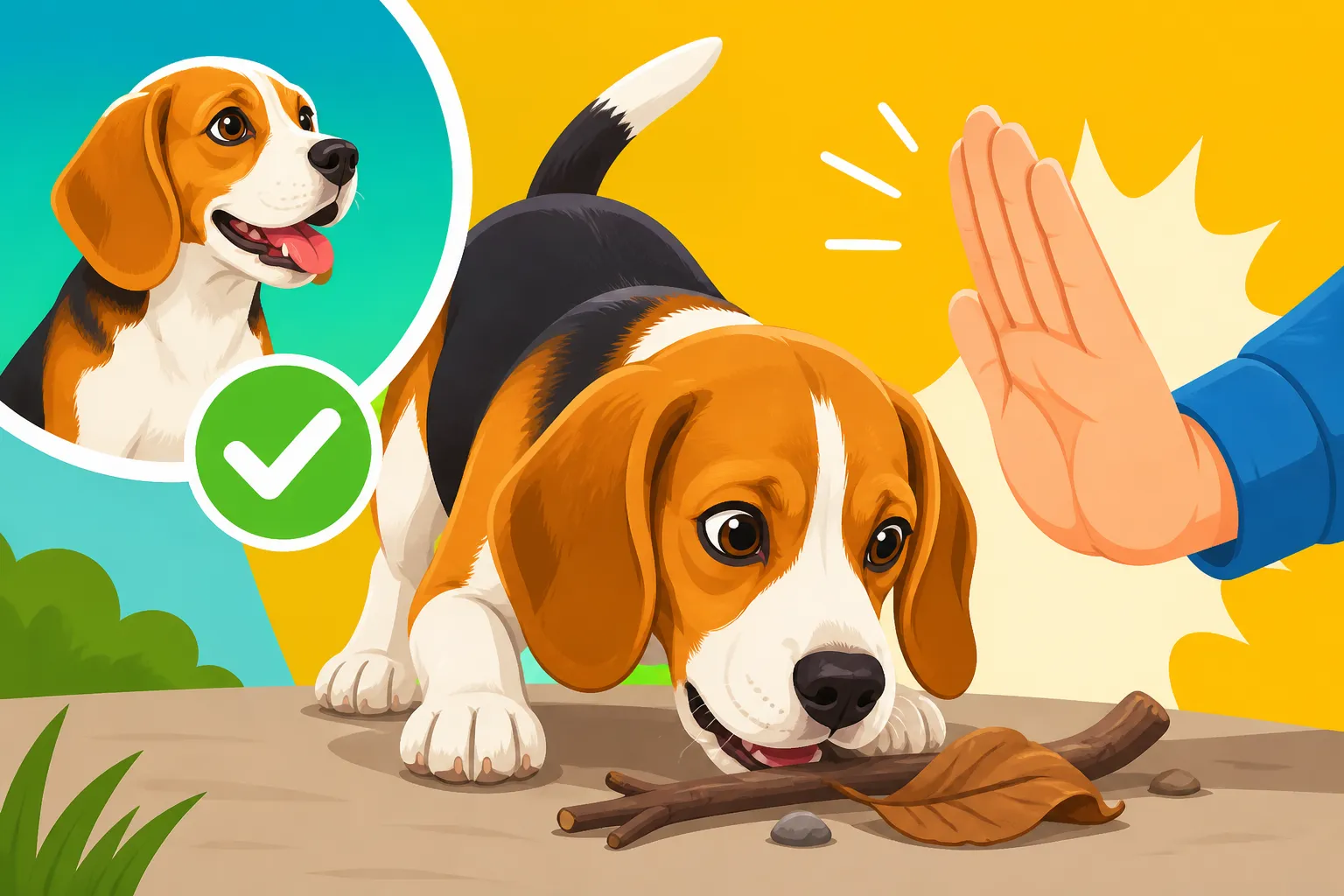
Stopping a Beagle From Eating Things It Finds
It’s a tale as old as time for Beagle owners: you’re out on a walk, enjoying the fresh air, and suddenly your beloved hound is nose-down, vacuuming up something questionable from the pavement before you can even react. This guide is for every single one of us who has experienced that heart-stopping moment of "What did they just eat?!" and aims to provide practical strategies to prevent this common, and often dangerous, Beagle habit.
The Instinct Behind a Beagle's Scavenging Habits
Before we can even think about stopping this behavior, it helps to understand why Beagles are such dedicated scavengers. It’s not just a naughty habit; it’s deeply rooted in their history and genetics. They weren't bred to be dainty companions; they were bred to hunt. Their entire being is geared towards following a scent trail, and that includes finding anything remotely edible along the way.
The Power of the Beagle Nose
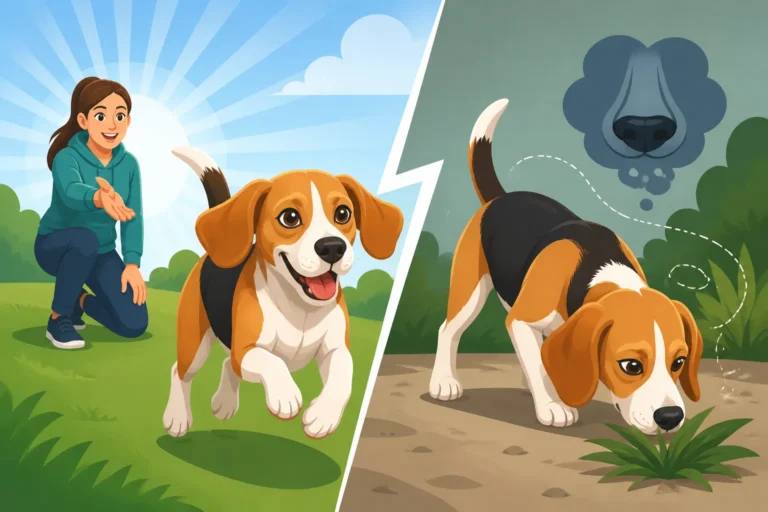
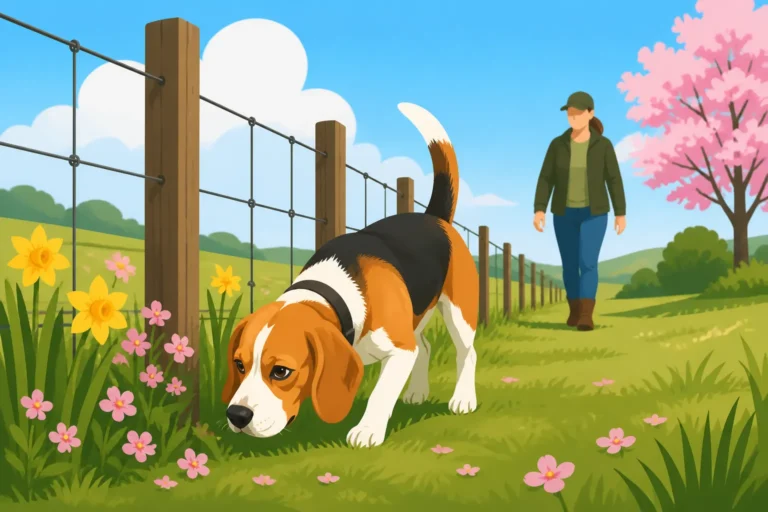
Imagine having 220 million scent receptors, compared to our mere 5 million. That’s what your Beagle is working with. When they put their nose to the ground, they’re not just smelling "dirt"; they’re discerning a symphony of odors, and often, that includes remnants of food, dropped crumbs, forgotten picnic scraps, or even something truly unappetizing like animal droppings. For a Beagle, every walk is a treasure hunt, and their prize is often whatever they can sniff out and ingest. It’s an immersive, all-consuming experience for them, making it incredibly difficult to break their focus once they've latched onto a scent. This unparalleled olfactory ability is what makes them so good at what they do, but it also makes them prone to Beagle Scavenging on Every Walk.
Bred to Eat Fast, Ask Questions Later
Historically, Beagles often hunted in packs. In a pack environment, competition for food is fierce. If you found something, you ate it, and you ate it fast, before another hound could snatch it away. This "eat first, identify later" mentality is hardwired into many Beagles. They don't typically pick up something, examine it, and then decide if it's palatable. Their instinct is often to gulp it down immediately. This is why those split-second reactions from owners are so crucial, and why simply pulling them away often isn't enough once they've committed to the bite. It’s a frustrating reality for us, as it puts them at risk of ingesting The Foods That Are Toxic to a Beagle.
The Challenge of Overcoming Hardwired Instincts
It's important to be realistic: you can't eliminate a Beagle's powerful scent drive or their historical inclination to scavenge. What you can do is manage it, redirect it, and train alternative behaviors. Trying to suppress these instincts entirely is like asking a fish not to swim. It leads to frustration for both you and your Beagle. Instead, think of it as working with their nature, rather than against it, by channeling that incredible nose and food drive into appropriate activities. Providing ample opportunities for them to use their nose in a safe, controlled way, like scent work games, can actually help reduce the urge to scavenge dangerously on walks.
Proactive Management: Preventing the "Find and Eat" Cycle
The best defense against your Beagle eating something dangerous is a good offense: prevention and proactive management. This means setting up their environment and your walks in a way that minimizes opportunities for them to snag forbidden snacks.
Leash Management and Controlled Walks
This is your first line of defense. A well-fitted harness (not just a collar, which can put pressure on their neck if they lunge) and a sturdy leash are non-negotiable. Forget retractable leashes; they offer no real control when your Beagle suddenly dives for a discarded chicken bone. Instead, opt for a fixed-length leash, ideally 4-6 feet long, that allows you to keep them close. Practice walking with a loose leash, but be ready to snap it taut and redirect them the moment that nose hits a tempting scent. When you anticipate an area with high scavenging potential – like a busy park, restaurant patio, or alley – shorten your leash grip and keep your Beagle right by your side. A front-clip harness can also be invaluable, as it gently turns their body towards you when they pull, making it harder for them to launch forward into a sniff-and-snatch maneuver.
Using a Muzzle as a Safety Tool
Many owners feel hesitant about muzzles, associating them with aggressive dogs. However, a basket muzzle is a fantastic, humane safety tool for a Beagle prone to eating everything in sight. It allows your Beagle to pant, drink water, and even take treats through the openings, but prevents them from picking up and ingesting items from the ground.
It’s crucial to introduce a muzzle gradually and positively, making it a comfortable experience. Start by letting them sniff it, then put high-value treats (like small pieces of cooked chicken or cheese) inside the muzzle so they voluntarily put their nose in. Build up the time they wear it slowly, always associating it with positive experiences. Never use it as punishment. Brands available on platforms like Amazon offer various comfortable, well-ventilated basket muzzles specifically designed for sighthounds and other breeds that need panting room. This gives you peace of mind, especially in new or risky environments, knowing they can still enjoy their walk without the risk of an emergency vet visit.
Yard Patrol and Home Proofing
The dangers aren't limited to walks. Your own backyard and home can pose significant risks.
- Outdoor Patrol: Regularly patrol your yard for anything that might have fallen, blown in, or been left behind. This includes dropped fruit from trees, garden chemicals, small toys, or even mushrooms that might sprout up after rain. Beagles are phenomenal diggers, so ensure your fence line is secure, perhaps with buried wire skirts to prevent them from Beagle Digging Under the Fence Line and finding trouble outside your property.
- Indoor Proofing: Inside the home, counter surfing and trash raiding are classic Beagle moves. If your Beagle is prone to jumping on counters, ensure no food is left within reach – not even a crumb. Use secure, heavy trash cans with locking lids. For some Beagles, even the pantry or low cabinets might need child-proof latches. Think like a Beagle: if it smells interesting, and they can get to it, they will try. This might sound like a lot of work, but Beagle-Proofing a Kitchen Counter and other areas can save you a lot of worry and vet bills.
Environmental Management: Choosing Your Walking Paths
While you can’t control everything, you can choose where you walk. Opt for cleaner, less trafficked areas if possible. Avoid construction sites, areas around dumpsters, or places where people commonly litter. If you live in a city, sometimes the best solution is to seek out dedicated dog parks (with a watchful eye, of course) or quieter residential streets. When exploring new trails or parks, be extra vigilant until you understand the typical "scavenging hotspots." The more you can control the environment, the fewer opportunities your Beagle will have to practice their unwanted foraging skills.
Mastering "Leave It" and "Drop It" for Your Beagle
These two commands are arguably the most vital skills you can teach a Beagle, especially one with a strong scavenging drive. They are literally lifesavers. "Leave It" prevents them from picking something up, and "Drop It" makes them release something they already have. Consistency is key, and it all starts with positive reinforcement.
Training "Leave It": Preventing the Pickup
"Leave It" is all about teaching your Beagle to disengage from something tempting.
- Start Simple (Indoors): Place a low-value treat (like a piece of kibble) on the floor and cover it with your hand. When your Beagle tries to sniff or nudge, keep your hand covering it. The instant they look away from your hand, even for a split second, mark the behavior with a verbal "Yes!" or a clicker, and then reward them with a different, higher-value treat from your other hand. This teaches them that ignoring the floor treat gets them something better.
- Add the Cue: Once they understand the concept, start saying "Leave It" just as you cover the treat. Repeat, gradually increasing the time your hand is over the treat before they disengage.
- Uncovered Treat, Hand Ready: Place the low-value treat on the floor uncovered, but keep your hand hovering nearby. Say "Leave It." If they go for it, quickly cover it. Reward when they look away.
- Increase Distance and Distraction: Slowly progress to placing the treat further away, standing up, or having them "Leave It" as you walk past it. Introduce higher-value distractions (a toy, a piece of less-desirable human food) and practice in different, mildly distracting environments (like your quiet backyard).
- Proofing Outdoors: This is the ultimate test. On leash, in an area you know might have tempting items, practice "Leave It" with items you've strategically placed (known safe treats or toys). Be prepared to physically block them or gently redirect with the leash if necessary. Always reward heavily when they succeed. Remember, every successful "Leave It" builds confidence in both of you. Beagle Leave It Training With Real Food Down can provide more granular detail.
Training "Drop It": Releasing What They Have
"Drop It" is for those moments when "Leave It" didn't happen fast enough, and your Beagle has already snatched something.
- High-Value Trade: Your Beagle has something in their mouth (a toy, a chew). Present an even higher-value treat (e.g., a tiny piece of hot dog or cheese) right to their nose. Most Beagles will immediately drop what they have to take the better reward. The instant they drop the item, say "Drop It!" and give them the high-value treat.
- Pick Up the Item: As they're enjoying the treat, quickly (and calmly) pick up the item they dropped. This teaches them that "Drop It" means they get a fantastic reward and they don't lose the original item forever (though you might not return a dangerous item).
- Repeat and Generalize: Practice this repeatedly with various safe items, always offering a superior trade. Gradually, your Beagle will associate "Drop It" with the immediate gratification of a super treat.
- Proofing with Real Finds: When they pick up something truly undesirable on a walk, use your "Drop It" command, offer your best high-value treat, and be ready to snatch the offensive item. The goal is to make "dropping it" more rewarding than keeping whatever gross thing they found. Teaching Drop It Before a Beagle Swallows offers more in-depth strategies.
Consistency, Positive Reinforcement, and High-Value Rewards
These are the pillars of successful training for a Beagle.
- Consistency: Everyone in the household must use the same commands and follow the same rules. Inconsistent training will confuse your Beagle and undermine progress.
- Positive Reinforcement: Never punish your Beagle for picking something up. If you scold them, they'll learn to hide what they find or swallow it faster. You want them to want to "Leave It" or "Drop It" because good things happen when they do.
- High-Value Rewards: Beagles are incredibly food-motivated. Forget boring kibble for these crucial commands. Use small, soft, smelly treats like cooked chicken, cheese, or even liverwurst. The reward needs to be worth more than the tempting item they're leaving or dropping. This is why The Treats a Beagle Will Work Hardest For are so essential in your training pouch. Online platforms and trainers like BAXTER & Bella often emphasize high-value rewards and clear training steps for these foundational commands, providing structured programs that can be incredibly helpful for owners struggling with these specific issues.
What to Do When Your Beagle Eats Something It Shouldn't
Despite your best efforts, sometimes Beagles will be Beagles. They are fast, and sometimes, something slips through. Knowing what to do in these situations can make all the difference.
Assessing the Situation: Known vs. Unknown Toxicity
The first step is always to assess what your Beagle might have eaten.
- Known Toxin: If you saw them eat something you know is toxic (e.g., chocolate, certain medications, specific plants), this is an immediate emergency.
- Unknown Substance: If you didn't see what it was, but they seem unwell, or if it was something like a mushroom in the yard, it's safer to assume the worst until proven otherwise. Try to identify the substance if possible, as this information will be crucial for your vet. Take a photo if you can, or grab a sample if it's safe to do so.
- Non-Toxic, but Indigestible: Sometimes it's not toxic but could cause an obstruction, like a piece of plastic or a fabric item. These also warrant a call to the vet.
Always keep emergency numbers handy: your regular vet, the nearest 24/7 emergency vet clinic, and an animal poison control hotline. Speed is often critical with ingestions.
First Steps: Contacting Your Vet Immediately
Regardless of whether you know what they ate, if you suspect something harmful, call your veterinarian immediately. Do not wait for symptoms to appear, as by then, it might be too late.
- Provide Details: Be prepared to tell your vet: what you think your Beagle ate, how much (even an estimate), when it happened, your Beagle's weight, and any symptoms you've observed.
- Follow Instructions: Your vet will guide you on the next steps. They might advise you to come in right away, observe for certain symptoms, or in some cases, induce vomiting at home. It’s important to remember that inducing vomiting is not always safe or recommended, especially if the substance is corrosive, if your Beagle is already showing severe symptoms, or if it has been too long since ingestion.
- Emergency Vet Visit: Don't hesitate to head to the emergency vet if your regular clinic is closed or if instructed to do so. These situations are time-sensitive. The cost of an emergency visit can be high, which is why building an Emergency Funds Worth Building is a smart move for any Beagle owner. Beagle Emergency Signs That Cannot Wait Until Morning will help you recognize when it’s truly critical.
Inducing Vomiting (When and How, Only Under Vet Guidance)
As mentioned, never induce vomiting without explicit instructions from your veterinarian or a poison control center. They will determine if it's appropriate and guide you on the safest method, usually using hydrogen peroxide.
- Why Caution is Key: Inducing vomiting incorrectly can lead to aspiration pneumonia (inhaling vomit into the lungs), exacerbate the effects of certain toxins, or cause further injury.
- Vet's Role: Your vet might also recommend specific treatments like activated charcoal, which can help absorb toxins, or supportive care depending on the substance ingested.
Preventative Measures for Future Incidents
After an incident, it’s a good time to re-evaluate your prevention strategies:
- Reinforce Training: Double down on "Leave It" and "Drop It" training. Go back to basics if needed. More practice in varied environments.
- Increase Management: Consider more frequent muzzle use on walks, stricter yard patrols, or further child-proofing of cabinets.
- Enrichment: Ensure your Beagle is getting enough mental and physical stimulation. A bored Beagle is more likely to create their own (potentially dangerous) entertainment. Scent work games, puzzle toys, and regular structured exercise can help. A tired Beagle is a good Beagle!
- Regular Vet Check-ups: Ensure your Beagle is healthy overall, as sometimes underlying issues can affect behavior.
By understanding your Beagle's instincts, implementing strong preventative measures, consistently training essential commands, and knowing how to react in an emergency, you can significantly reduce the risk of your beloved companion eating something they shouldn't.
| Command | Goal | When to Use It | Training Principle | Immediate Reward After Success |
|---|---|---|---|---|
| Leave It | Prevent your Beagle from picking up an item | Before they touch or ingest something tempting | Teach disengagement: looking away from the temptation | High-value treat from your hand |
| Drop It | Get your Beagle to release an item they already have | When they have an item in their mouth | Teach trade: releasing for a better reward | Highest-value treat offered immediately |
Disclaimer
This article is for general informational purposes only and does not constitute professional advice. Laws, prices and regulations vary by location and change over time. Consult a qualified professional for guidance on your specific situation.