Bladder Stones in a Beagle and Diet Changes
There's nothing quite as alarming as seeing your normally vibrant Beagle suddenly struggling to urinate, or noticing a disturbing reddish tinge in their pee. It’s a gut-wrenching moment that often leaves us feeling helpless and worried about our furry family member's comfort. Bladder stones, known medically as uroliths, are a common and painful reality for many dogs, and Beagles are certainly not immune. This comprehensive guide is here to walk you through everything you need to know about bladder stones in Beagles, from what causes them to how diet plays a critical role in their management and prevention, aiming to alleviate some of that stress and equip you with the knowledge to help your beloved hound.
Understanding Bladder Stones in Beagles
When we talk about bladder stones, it sounds like something big and obvious, but they can be tiny crystals or grow quite large, causing immense discomfort and serious health issues. Understanding what they are and why they form is the first step in protecting your Beagle.
What Are Bladder Stones and Why Do Beagles Get Them?
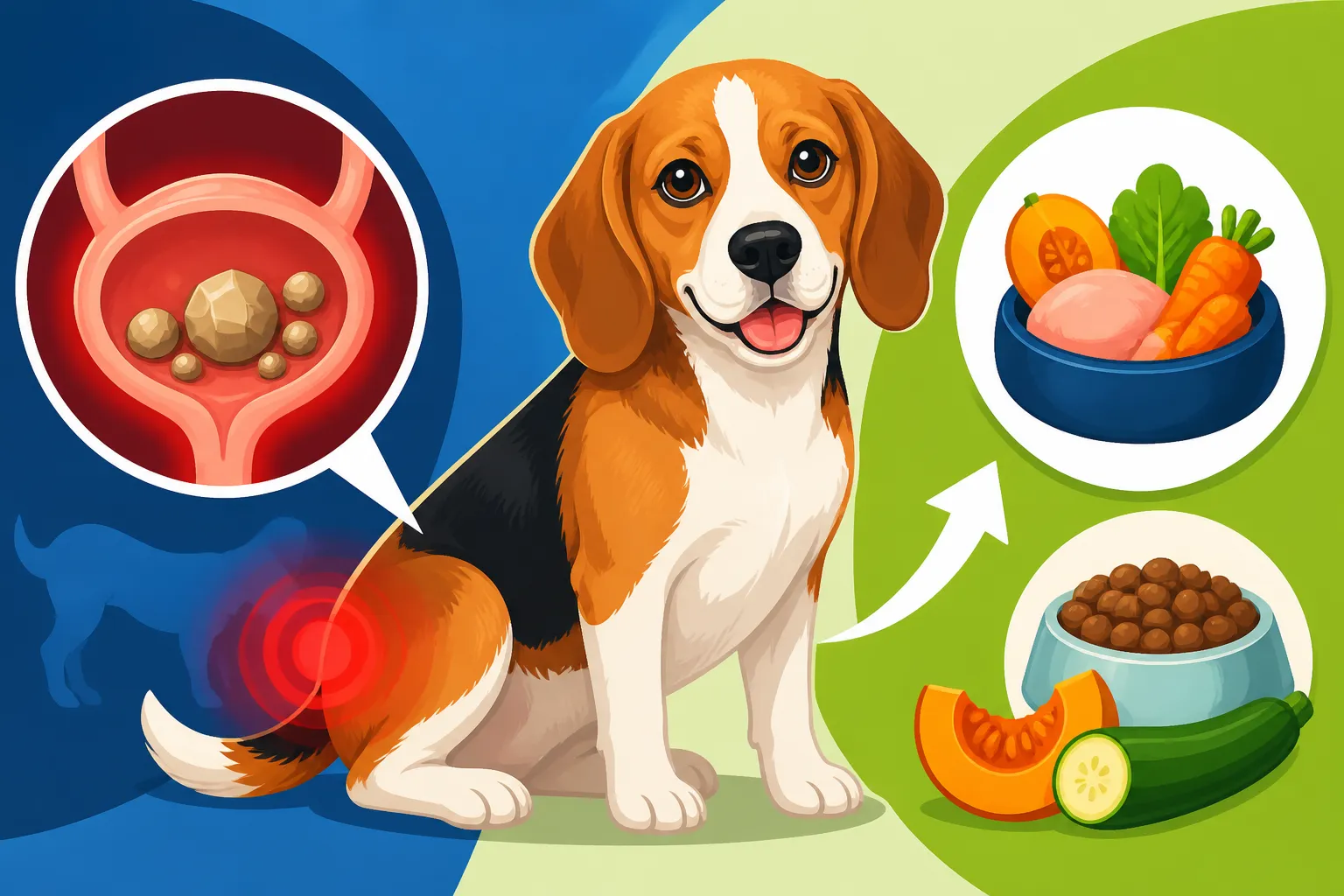
Bladder stones are essentially mineral deposits that form within a dog's urinary bladder. Think of them like kidney stones in humans, but residing in the bladder. They start as microscopic crystals in the urine, and over time, these crystals clump together and grow, forming actual stones. There are several types, but in Beagles, two are most commonly seen: struvite and calcium oxalate.
Struvite stones often form in conjunction with a urinary tract infection (UTI). Certain bacteria produce an enzyme called urease, which breaks down urea in the urine, making it more alkaline. This alkaline environment is a perfect breeding ground for struvite crystals to form and then aggregate into stones. Beagles, with their sometimes dense coat and propensity for outdoor sniffing adventures, can be susceptible to UTIs, which then unfortunately paves the way for struvite. Imagine your Beagle, nose to the ground, exploring every patch of grass – sometimes this leads to an accidental encounter with bacteria.
Calcium oxalate stones, on the other hand, typically form in more acidic urine and are not directly linked to bacterial infections. Their formation is often influenced by factors such as genetics, certain metabolic conditions, and diet. Some breeds, including Beagles, have a genetic predisposition to forming calcium oxalate stones. While a definitive genetic marker for Beagles isn't always clear-cut, the breed's overall health profile can sometimes lean towards conditions that influence stone formation. For instance, Beagles might occasionally face issues like hypercalcemia (too much calcium in the blood), which can increase the risk of these types of stones. It's a complex puzzle, and sometimes it feels like our Beagles just draw the short straw.
Recognizing the Signs and Symptoms
One of the most frustrating aspects of bladder stones is that the signs can sometimes be subtle, or easily mistaken for other problems. Your Beagle might not be able to tell you in words, so it's up to us to be diligent observers. The most common indicators revolve around changes in urination habits and general discomfort.
You might notice your Beagle straining to urinate (medically termed stranguria), which looks like they're trying really hard but not much is coming out, or they might squat for a long time without success. This can be heartbreaking to watch. Another common sign is frequent urination (pollakiuria), where they ask to go outside much more often than usual, but only produce small amounts of urine each time. It’s like they constantly feel the urge but can't relieve themselves properly.
Perhaps the most alarming sign is blood in the urine (hematuria). This can range from a faint pink tinge to bright red streaks, or even urine that looks completely red. You might spot small droplets of blood on the floor after they've tried to urinate, or notice it directly in the urine stream. Sometimes, Beagles will start having accidents in the house, even if they're perfectly house-trained. They're not doing it out of spite; it's because the urge is overwhelming, or they associate going outside with pain. Other signs can include increased licking of the genital area, a general lethargy, or even a hunched posture indicating abdominal pain. If your energetic Beagle is suddenly hesitant to jump or play, and these urinary symptoms are present, it's definitely time to pay attention. Catching these early signs is crucial for your Beagle's comfort and recovery.
Diagnosing and Treating Bladder Stones
Once you've noticed these concerning signs, the next step is a trip to the vet. It’s natural to feel anxious, but a clear diagnosis is the path to relief for your Beagle.
The Diagnostic Process at the Vet's Office
When you bring your Beagle in with suspected bladder stones, your veterinarian will start with a thorough physical examination, feeling their abdomen for any signs of discomfort or an enlarged bladder. This is usually followed by a urinalysis, which involves collecting a urine sample (often done by cystocentesis, directly from the bladder with a needle, to ensure a sterile sample). This test checks the urine's pH level, looks for blood, protein, and most importantly, the presence of crystals and bacteria. The pH can give a strong hint about the type of stone, with alkaline urine often pointing to struvite and acidic urine leaning towards calcium oxalate.
However, a urinalysis alone isn't enough to definitively diagnose stones. Most bladder stones are visible on X-rays (they are "radiopaque"), so radiographs of your Beagle's abdomen will likely be taken. This can confirm the presence, size, and number of stones. For smaller stones, or those that don't show up well on X-rays (known as "radiolucent" stones, like urate stones, though less common in Beagles), an ultrasound might be necessary. An ultrasound provides a more detailed image of the bladder's lining and can detect stones that X-rays might miss. It’s a comprehensive process, but each step is vital to getting a clear picture of what’s going on inside your furry friend. The anxiety of waiting for those results can be tough, but knowing exactly what you're dealing with makes all the difference.
Treatment Options Beyond Diet
While diet plays a monumental role in preventing and managing bladder stones, it's important to understand that initial treatment often involves other methods, especially if the stones are large, causing an obstruction, or are the type that won't dissolve.
For many types of bladder stones, particularly larger ones, surgical removal (a cystotomy) is the quickest and most effective way to provide immediate relief. This procedure involves opening the bladder and physically removing the stones. It’s a common surgery, and most Beagles recover well, often feeling much better almost immediately once the painful stones are gone. After surgery, the stones are sent to a lab for analysis to determine their exact mineral composition. This analysis is absolutely critical because it dictates the long-term dietary and medical strategy.
For very small stones, particularly struvite, your vet might attempt a procedure called urohydropropulsion. This involves flushing the bladder vigorously while your Beagle is sedated, trying to push the tiny stones out through the urethra. It's less invasive than surgery, but only suitable for select cases.
Beyond these, if a urinary tract infection is present, a course of antibiotics is essential. An untreated UTI can perpetuate struvite stone formation. Pain management and anti-inflammatory medications will also be prescribed to keep your Beagle comfortable during recovery. The goal isn't just to remove the stones, but to create a urinary environment where they are far less likely to return. This is where long-term management, heavily influenced by diet, truly begins. An emergency visit for a blocked Beagle can be terrifying, and knowing What a Beagle Emergency Vet Visit Runs can help prepare you for potential costs.
The Role of Diet in Managing and Preventing Bladder Stones
Once your vet has identified the type of bladder stone, diet becomes your most powerful tool in the ongoing battle against recurrence. This isn't just about feeding your Beagle; it's about providing therapeutic nutrition specifically designed to alter their urinary environment.
Tailoring the Diet for Different Stone Types
The specific dietary changes needed depend entirely on the type of stone your Beagle has formed. What works for one type can actually worsen another, so strict adherence to veterinary guidance is crucial.
For Struvite Stones, the primary goal is to create an acidic urine pH (typically between 6.0 and 6.5) and to dilute the urine, making it less hospitable for crystal formation. This usually involves a prescription diet that is:
- Low in magnesium and phosphorus: These are the building blocks of struvite stones.
- Restricted in protein: While protein is essential, certain protein metabolites can contribute to struvite formation.
- Formulated to acidify urine: Specific ingredients help lower the urine pH.
- High in moisture: Wet food or adding water to kibble is encouraged to increase urine volume, effectively "flushing" the bladder more frequently.
Commercial prescription diets like Hill's Prescription Diet s/d (for dissolution) or c/d Multicare (for prevention), and Royal Canin Urinary SO, are specifically designed for this purpose. These diets are carefully balanced to provide all necessary nutrients while actively working against stone formation. For these types of stones, dietary dissolution can sometimes be achieved, meaning the stones can actually shrink and disappear without surgery, though this requires very strict compliance.
For Calcium Oxalate Stones, the dietary approach is almost opposite. The aim is to create a more alkaline urine pH (typically between 6.5 and 7.5) and to increase urine volume. These diets are typically:
- Moderate in protein: Not too high, not too low.
- Moderate in sodium: To encourage water intake and urine production.
- Formulated to alkalinize urine: Ingredients help raise the urine pH.
- High in moisture: Again, promoting dilution.
Foods high in oxalates (like spinach, sweet potatoes, nuts, certain fruits, and even some treats) should be avoided. Commercial prescription diets such as Hill's Prescription Diet u/d or c/d Multicare, and Royal Canin Urinary SO, are again key players, formulated to prevent calcium oxalate stone recurrence. It's a delicate balance, and often the key is consistency. Remember, these specialized foods are medical tools, not just regular dog food.
Here's a quick comparison of the general dietary approaches:
| Feature | Struvite Stones | Calcium Oxalate Stones |
|---|---|---|
| Primary Goal | Dissolve/prevent stones, acidify urine | Prevent recurrence, alkalinize urine |
| Urine pH Target | Acidic (6.0-6.5) | Slightly acidic to neutral/alkaline (6.5-7.5) |
| Protein Level | Restricted | Moderate |
| Mineral Focus | Low magnesium, low phosphorus | Moderate calcium, moderate sodium, avoid oxalates |
| Moisture | High (wet food, added water) | High (wet food, added water) |
| Key Strategy | Dissolution and prevention of UTIs | Dilution and careful mineral balance |
Ensuring your Beagle gets enough water is absolutely paramount, regardless of stone type. You can learn more about this by reading our guide on Beagle Water Intake and Staying Hydrated.
Homemade Diets and the Risks Involved
It’s completely understandable to want to take a more natural route or cook for your Beagle, especially when they're facing a challenging health issue like bladder stones. The idea of controlling every ingredient is appealing. However, when it comes to managing and preventing bladder stones, homemade diets carry significant risks and are generally not recommended unless formulated by a board-certified veterinary nutritionist.
Creating a diet that is precisely balanced to alter urine pH, restrict specific minerals, and still provide complete and balanced nutrition for your Beagle's overall health is incredibly complex. It’s not simply a matter of avoiding certain ingredients. The ratios of minerals like calcium, phosphorus, magnesium, and sodium need to be meticulously calculated. An imbalance, even a slight one, can inadvertently promote the formation of new stones, or even lead to other nutritional deficiencies or excesses that harm your Beagle's health. For example, if you try to restrict calcium too much in an attempt to prevent calcium oxalate stones, you could unintentionally cause other health problems.
While a veterinary nutritionist can formulate a safe and effective homemade diet plan, this service can be costly and requires strict adherence to recipes. Without this expert guidance, you risk doing more harm than good, potentially causing a recurrence of stones or creating new health problems. The ease and proven efficacy of prescription diets, which have undergone rigorous testing and formulation, usually make them the safer and more practical choice for long-term stone management.
Monitoring and Long-Term Management
Managing bladder stones in your Beagle isn't a one-time fix; it's a long-term commitment that requires ongoing vigilance and partnership with your vet. Even after successful treatment, the risk of recurrence is real, making consistent monitoring absolutely vital.
Regular urinalysis is the cornerstone of long-term management. Your vet will likely recommend checking your Beagle's urine every 1 to 3 months to monitor the pH, look for crystals, and detect any early signs of a urinary tract infection. These routine checks allow for quick adjustments to diet or medication before new stones have a chance to grow large and cause problems.
Beyond urine checks, periodic imaging (X-rays or ultrasounds) will be necessary, typically every 6 to 12 months. This allows your vet to visually inspect the bladder for any new stone formation that might not be evident through a urinalysis alone. Imagine catching a tiny crystal before it becomes a painful, golf-ball-sized stone – that's the goal of this monitoring.
Strict adherence to the prescribed diet is non-negotiable. Even a few "cheats" with the wrong treats or table scraps can undermine months of careful dietary management, especially with struvite-dissolving diets. It's important to educate all family members about the diet. Also, ensuring your Beagle always has access to fresh, clean water is critical for keeping their urine diluted. Providing multiple water bowls, a pet drinking fountain, or even adding a little water or low-sodium broth to their food can encourage greater intake. For many Beagles, who are notorious for their food drive, Measuring Beagle Food Instead of Free Feeding is already important for weight, but becomes even more critical for therapeutic diets.
The financial aspect of this long-term care, including special diets, frequent vet visits, and potential re-imaging, can certainly add up. This is where pet insurance can be a real lifesaver. Providers like Healthy Paws can help cover the costs of these ongoing diagnostics, prescription foods (if medically necessary and approved by your vet), and any potential future treatments, easing the burden on your wallet. It's worth researching Beagle Insurance Premiums Provider by Provider to find a plan that fits your budget and covers chronic conditions.
Preventing Recurrence and Supporting Your Beagle's Urinary Health
Prevention is always better than cure, and this couldn't be truer for bladder stones. By taking proactive steps, you can significantly reduce the chances of your Beagle experiencing this painful condition again.
Hydration, Exercise, and Potty Breaks
These three elements form a powerful trio in maintaining your Beagle's urinary health. First and foremost, hydration is absolutely paramount. Dilute urine is less likely to form crystals because the mineral concentration is lower. Think of it like a river: a fast-flowing, full river carries sediment away, but a stagnant, shallow pool allows sediment to settle. Encourage your Beagle to drink more by:
- Always providing fresh, clean water in multiple bowls around the house.
- Using a pet water fountain, as some dogs prefer moving water.
- Adding water to their kibble or feeding wet food.
- Offering ice cubes as a treat, especially in warmer weather.
Regular and frequent potty breaks are equally important. The longer urine sits in the bladder, the more time crystals have to settle and grow. Aim for at least every 4-6 hours, and more frequently for puppies or senior Beagles. This also helps flush out any bacteria that might be attempting to take hold.
Adequate exercise, while not directly impacting stone formation, contributes to your Beagle's overall health and well-being. A healthy, active Beagle is more likely to have a healthy immune system, which can help ward off UTIs that contribute to struvite stone formation. However, ensure exercise is appropriate for their age and physical condition, avoiding overexertion.
The Importance of Regular Vet Check-ups
Even if your Beagle seems perfectly healthy after treatment, skipping regular veterinary check-ups is a gamble you shouldn't take. These routine visits are not just for vaccinations; they're crucial for monitoring ongoing health conditions like a history of bladder stones.
Your vet can catch subtle changes in urine composition or the early formation of crystals long before they cause noticeable symptoms or become full-blown stones. This early detection allows for intervention, often with simpler dietary adjustments or medication, preventing the need for more invasive procedures down the line. It's like having an early warning system. Understanding How Many Routine Vet Visits a Beagle Needs is a key part of responsible ownership, especially for Beagles with chronic conditions.
Considering the potential for recurrent bladder stones, which can lead to emergency vet visits and ongoing management, investing in pet insurance is a wise decision for many Beagle owners. A good policy, like those offered by Healthy Paws, can provide peace of mind by helping to cover unexpected costs associated with diagnostics, treatments, and prescription diets. It allows you to prioritize your Beagle's health without constantly worrying about the financial impact. When looking at options, remember to think about Choosing a Deductible That Suits a Beagle based on your budget and potential claims.
Understanding Supplements and 'Natural' Remedies
In our desire to do everything possible for our beloved Beagles, it's easy to be swayed by promises of "natural" remedies or dietary supplements. However, when it comes to bladder stones, caution is key. The urinary system is a delicate balance, and introducing supplements without veterinary guidance can disrupt this balance and potentially worsen the problem or interfere with prescription diets and medications.
For instance, cranberry extract is often touted for urinary tract health, particularly for preventing UTIs. While it may have some benefit in preventing bacteria from adhering to the bladder wall in some cases, it does not dissolve existing stones or directly prevent their formation in the same way prescription diets do. Its efficacy specifically for bladder stone prevention is not strongly supported by scientific evidence, and it certainly won't help with calcium oxalate stones. Moreover, some "natural" supplements might contain ingredients that are high in the very minerals you're trying to restrict through diet.
Always discuss any supplements or alternative therapies with your veterinarian before introducing them into your Beagle's routine. They can assess if a particular supplement is safe, won't interact negatively with existing treatments, and actually has a proven benefit for your Beagle's specific condition. Your vet is your best resource for navigating the complex world of canine health and ensuring your Beagle receives the most effective and safest care possible.
Disclaimer
The information provided in this article is for educational purposes only and is not intended to be a substitute for professional veterinary advice, diagnosis, or treatment. Always seek the advice of your veterinarian or other qualified animal health provider with any questions you may have regarding a medical condition.