Beagle Hair Loss Along the Flanks
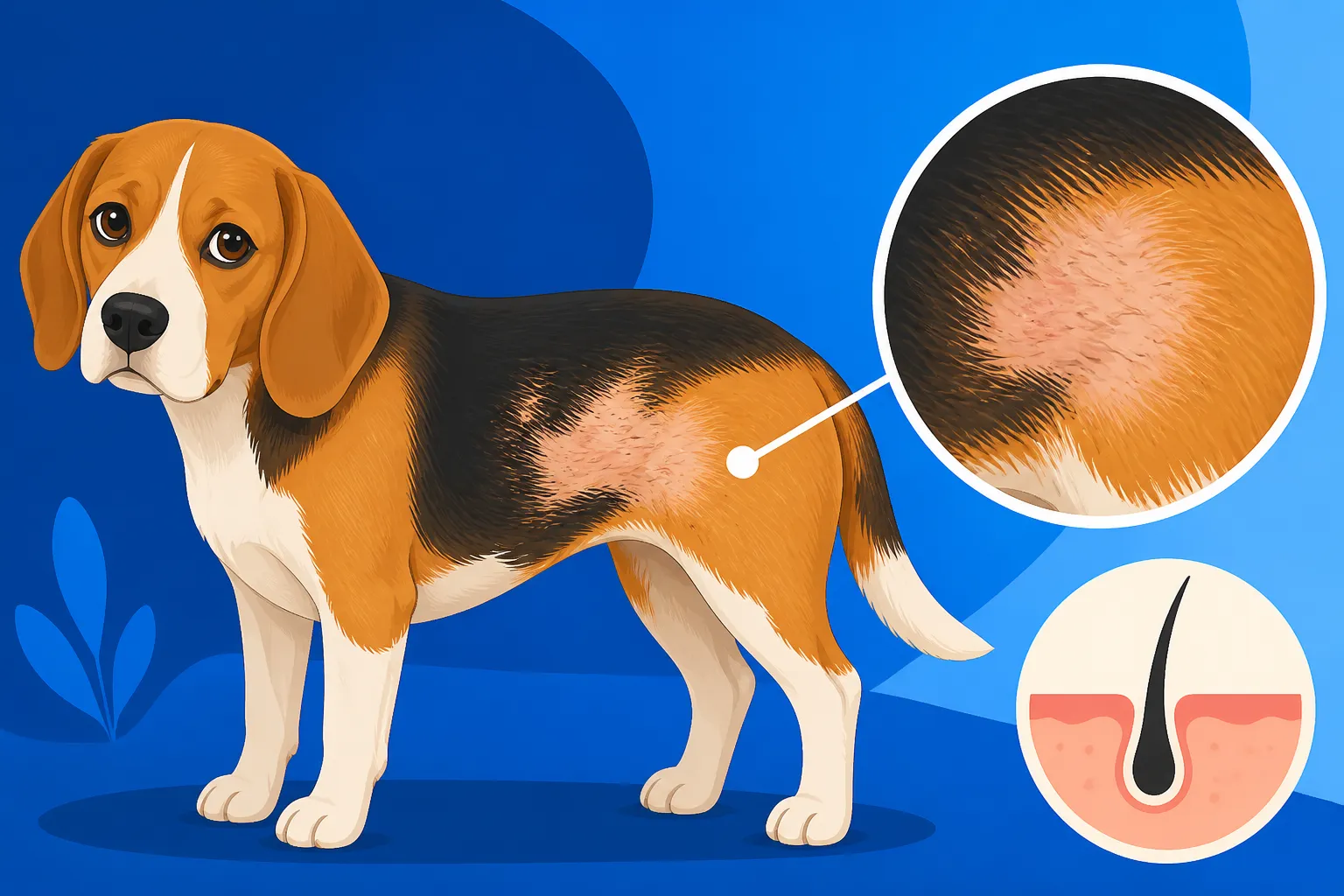
It’s truly disheartening to notice patches of hair thinning or outright loss on your sweet Beagle’s flanks. One day their coat looks lustrous and full, and the next, you’re seeing bare skin peeking through, usually in those symmetrical spots on their sides. This can be worrying for any Beagle parent, leaving you to wonder what’s going on and how you can help your beloved hound. This comprehensive guide is here to shed some light on the common reasons why Beagles experience flank hair loss and walk you through the steps to get them healthy and happy again.
Understanding the "Why" Behind Flank Hair Loss in Beagles
When your Beagle starts losing hair along their flanks, it's rarely just a cosmetic issue. It's often a sign that something is amiss internally or externally. As an owner, it’s natural to feel a bit of panic, but understanding the potential culprits can help you communicate more effectively with your veterinarian and ultimately find the right solution. The good news is that many causes of flank alopecia in Beagles are treatable, especially with early detection.
One of the most common reasons for symmetrical hair loss on a Beagle's flanks is a condition known as Seasonal Flank Alopecia (SFA). This is a fascinating, albeit frustrating, condition where Beagles, and other breeds, will experience hair loss primarily on their sides, often during specific seasons, typically winter or late fall when daylight hours shorten. The skin in the affected areas might also darken or become hyperpigmented. While the exact mechanism isn't fully understood, it's believed to be linked to the pineal gland's response to changes in photoperiod (daylight length), affecting hair follicle growth cycles. It can look quite dramatic, but usually, the hair grows back on its own, only to recur the following year.
Beyond SFA, hormonal imbalances are frequent offenders when it comes to symmetrical hair loss. Hypothyroidism, a condition where the thyroid gland doesn't produce enough thyroid hormone, is notably common in Beagles. This deficiency can lead to a cascade of symptoms, including lethargy, weight gain, and yes, often symmetrical hair loss, especially on the flanks, chest, and tail. It can feel like your energetic, food-motivated Beagle suddenly has no "oomph" left. If you notice your Beagle gaining weight despite no change in diet or exercise, alongside hair loss, it’s definitely a reason to get to the vet. This condition, if left untreated, can have significant impacts on your Beagle's overall health and vitality, making early diagnosis crucial. You can learn more about this by reading our article on Beagle Hypothyroidism and Sudden Weight Gain.
Another less common but serious hormonal issue that can cause flank hair loss is Cushing's Disease, or hyperadrenocorticism. This occurs when the adrenal glands produce too much cortisol. Beagles with Cushing's often develop thin, fragile skin, a pot-bellied appearance, increased thirst and urination, and also symmetrical hair loss, particularly on the trunk and flanks. It’s a complex condition that requires careful diagnosis and management, and the symptoms can sometimes be subtle at first, slowly creeping up over time.
While symmetrical hair loss often points to internal issues, localized or irregular patches of hair loss on the flanks can sometimes be attributed to external factors like allergies or parasites. Beagles are notoriously prone to Beagle Skin Allergies and Constant Itching, whether from environmental triggers like pollen or dust mites, or from food sensitivities. When a Beagle is constantly scratching, licking, or chewing at an itchy spot on their flank, they can physically break off hair or cause secondary skin infections that lead to hair loss. Even with diligent parasite prevention, a severe flea infestation can cause intense itching and subsequent hair loss, particularly if your Beagle has an allergy to flea saliva. It's always worth considering these common irritants, especially if the hair loss isn't perfectly symmetrical.
Diagnosing the Problem: What Your Vet Will Look For
When you first notice your Beagle losing hair on its flanks, your immediate concern should be a visit to your veterinarian. Trying to self-diagnose based on internet searches can lead to unnecessary worry or, worse, a delay in effective treatment. Your vet is the best person to unravel the mystery behind your Beagle's hair loss. They’ll approach this like a detective, gathering clues through a thorough physical exam and a series of diagnostic tests.
During your visit, your vet will start by asking you a lot of questions about your Beagle's history. They’ll want to know when you first noticed the hair loss, if it's symmetrical, if your Beagle is itchy, if there have been any changes in appetite, thirst, urination, or energy levels. They'll ask about your Beagle's diet, parasite prevention routine, and any other medications or supplements it might be taking. This initial conversation is incredibly important because your observations at home provide vital pieces of the puzzle. For example, knowing if the hair loss happened suddenly or gradually, or if it's worse during certain seasons, can immediately guide their diagnostic path towards or away from conditions like Seasonal Flank Alopecia.
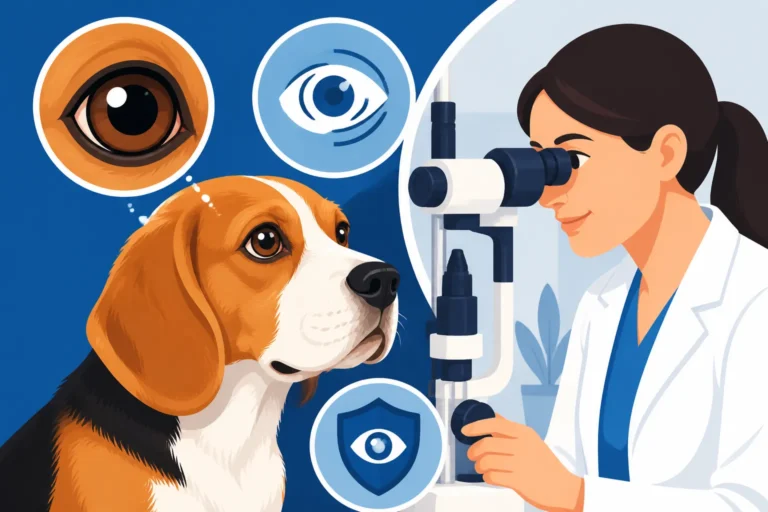
After the conversation, your vet will perform a comprehensive physical examination, paying close attention to the affected skin. They'll look for signs of inflammation, redness, scaling, crusting, or any secondary infections. They might use a Wood's lamp to check for ringworm, a fungal infection that can cause circular patches of hair loss, though usually not symmetrical on the flanks. They may also take skin scrapes, where they gently scrape the surface of the skin to collect samples for microscopic examination, looking for mites like Demodex or Sarcoptes that can cause intense itching and hair loss. If a bacterial or yeast infection is suspected, a skin cytology might be performed, where cells from the skin surface are collected and examined under a microscope.
For cases of symmetrical flank hair loss, blood work is usually the next crucial step. This is especially true if hormonal imbalances are suspected. A full thyroid panel is often recommended to check for hypothyroidism, which is a common culprit in Beagles. This panel measures the levels of various thyroid hormones and can definitively diagnose an underactive thyroid. If your Beagle is two years old or older, it's a good idea to consider routine thyroid testing, as explained in our article Testing a Beagle Thyroid at Two Years Old. If Cushing's Disease is on the table, your vet might recommend specialized blood tests like an ACTH stimulation test or a low-dose dexamethasone suppression test to assess adrenal gland function. In some complex cases where initial tests are inconclusive, a skin biopsy might be taken, where a small piece of affected skin is surgically removed and sent to a lab for pathological examination. This can reveal underlying cellular changes that help pinpoint the exact cause.
Treating and Managing Beagle Flank Alopecia
Once your veterinarian has pinpointed the cause of your Beagle’s flank hair loss, they will develop a tailored treatment plan. It’s important to remember that treatment isn't a one-size-fits-all approach, and what works for one Beagle might not be suitable for another, even with similar symptoms. Patience and adherence to your vet’s instructions are key to seeing improvement in your furry friend’s coat and overall health.
If your Beagle is diagnosed with Seasonal Flank Alopecia, the good news is that it’s primarily a cosmetic condition and not life-threatening. The hair typically grows back on its own, though it might take several months. To encourage hair regrowth and potentially reduce the severity or duration of the hair loss, your vet might suggest melatonin supplementation. Melatonin, a hormone that regulates sleep cycles, is thought to help stimulate hair follicles by influencing the photoperiod response. It's important to discuss the correct dosage and administration with your vet, as self-dosing can be ineffective or even harmful. Increasing your Beagle’s exposure to natural light during winter months, or even using specialized light therapy lamps, can also sometimes help to regulate their body's response to shorter days.
For Beagles suffering from hypothyroidism, treatment is straightforward and highly effective, but it’s a lifelong commitment. Your vet will prescribe a synthetic thyroid hormone replacement, usually levothyroxine, which needs to be given daily. The dosage will be carefully determined based on your Beagle’s weight and the severity of their condition. Within a few weeks to months of starting medication, you should notice a significant improvement in their energy levels, weight, and eventually, the regrowth of their coat. Regular blood tests will be necessary to monitor their thyroid hormone levels and ensure the medication dosage remains optimal. This ongoing management means budgeting for these medications, which can add up over time, as discussed in our article Beagle Thyroid Medication Paid for Life. Investing in pet insurance, like a plan from Healthy Paws, can be incredibly helpful for managing the recurring costs of lifelong medications and regular monitoring for chronic conditions such as hypothyroidism.
Treating Cushing's Disease is more complex and depends on whether it's pituitary-dependent or adrenal-dependent. Medication is often prescribed to control the cortisol production, and it typically requires careful monitoring and adjustment. In some cases, surgical removal of an adrenal tumor might be an option. For hair loss linked to allergies, the strategy is to identify and minimize exposure to the allergens. This might involve an Beagle Food Allergies Showing Up on the Skin through an elimination diet, or using antihistamines, special shampoos, or even immunotherapy for environmental allergies. If secondary bacterial or yeast infections are present due to scratching, antibiotics or antifungals will be prescribed. Parasitic infestations, of course, require appropriate deworming or flea and tick treatments. Regardless of the cause, it’s a relief to know that your vet has a range of tools and treatments available to help your Beagle regain a healthy coat.
Long-Term Care and Prevention Strategies
Once your Beagle's flank hair loss is under control and you're on the path to recovery, the focus shifts to long-term care and prevention. Many of the conditions causing hair loss, especially hormonal ones, can be chronic, meaning they require ongoing management. Establishing a routine of proactive care is the best way to keep your Beagle's coat healthy and prevent future recurrences. This often involves a combination of consistent veterinary oversight, mindful nutrition, and diligent observation on your part.
Regular veterinary check-ups are paramount for a Beagle, especially as they age or if they have a history of health issues. These routine visits allow your vet to monitor any ongoing conditions, adjust medications if needed, and catch potential problems early. For instance, if your Beagle is on thyroid medication, blood tests will be required periodically to ensure the dosage is correct. These regular check-ups are also crucial for overall wellness, helping to address concerns before they escalate. It's similar to how we manage our own health, and for Beagles, consistent care can make a huge difference in their quality of life, as highlighted in topics like Beagle Vet Visit Frequency After the Age of Ten. Having robust pet insurance coverage, such as a plan from Healthy Paws, can provide peace of mind, knowing that these essential, regular vet visits and diagnostic tests are supported, allowing you to prioritize your Beagle's health without financial stress.
Nutrition plays a significant role in coat health. Feeding a high-quality, balanced diet provides all the essential nutrients your Beagle needs for a strong immune system and healthy skin and fur. Look for dog foods with good sources of omega-3 and omega-6 fatty acids, which are crucial for skin barrier function and a shiny coat. You might even consider adding a veterinarian-approved omega-3 supplement to their diet, as these fatty acids are known to promote skin health and reduce inflammation, as discussed in detail in our article on Omega-3 Oils for a Beagle's Coat. Always make sure you're reading the label on your Beagle's food carefully to understand its nutritional content, as outlined in our guide on Reading the Label on a Bag of Beagle Food.
Furthermore, maintaining a healthy weight for your Beagle is crucial. Obesity can exacerbate many health problems, including skin conditions, and it puts unnecessary stress on their body. A lean, healthy Beagle is generally a healthier Beagle overall. If your Beagle is overweight, work with your vet to create a weight loss plan that includes a controlled diet and appropriate exercise. You can find more information on the risks associated with excess weight in our article Beagle Obesity and the Diseases It Brings On. Finally, never underestimate the power of consistent Year-Round Parasite Prevention for a Beagle. Even if your Beagle mostly stays indoors, fleas, ticks, and mites can find their way in and cause significant skin irritation and hair loss. Regular use of veterinarian-recommended preventatives is a non-negotiable part of their long-term health plan. By staying proactive and attentive, you can help ensure your Beagle enjoys a life with a healthy, beautiful coat and boundless energy.
Here’s a quick summary table of potential causes and what steps to consider:
| Cause of Flank Hair Loss | Key Characteristics | Recommended Action |
|---|---|---|
| Seasonal Flank Alopecia (SFA) | Symmetrical, non-itchy hair loss, often seasonal (winter). Darkening skin. | Vet consultation, melatonin supplementation, light therapy. |
| Hypothyroidism | Symmetrical hair loss, lethargy, weight gain, poor coat quality. | Vet consultation, thyroid panel, lifelong thyroid hormone replacement. |
| Cushing's Disease (Hyperadrenocorticism) | Symmetrical hair loss, thin skin, pot-belly, increased thirst/urination. | Vet consultation, specialized blood tests, medication or surgery. |
| Allergies (Environmental/Food) | Itchy skin, scratching, licking, chewing, potential secondary infections. | Vet consultation, elimination diet, allergy testing, antihistamines/steroids. |
| Parasites (Fleas, Mites) | Intense itching, skin irritation, red spots, sometimes visible parasites. | Vet consultation, skin scrapes, appropriate anti-parasitic treatment. |
| Poor Nutrition | Dull, sparse coat, general poor health. | Vet consultation, review diet quality, potential supplements (e.g., omega-3s). |
Disclaimer
This article is intended for informational purposes only and does not constitute veterinary advice. Always consult with a qualified veterinarian for any health concerns or before making any decisions about your Beagle's care or treatment plan.