Glaucoma in Beagles and Losing Vision
It's heartbreaking to watch our lively, scent-driven Beagles start to bump into furniture or hesitate on familiar stairs. Vision loss, especially from a devastating condition like glaucoma, can feel incredibly unfair, robbing them of their ability to navigate the world they explore so enthusiastically with their incredible noses. This comprehensive guide will walk you through what glaucoma is, how to spot its subtle and not-so-subtle signs, the treatment options available, and most importantly, how you can support your beloved Beagle through progressive vision loss, helping them maintain a good quality of life.
Understanding Glaucoma in Beagles
When we think about our Beagle's health, we often focus on their boundless energy, their propensity for ear infections, or perhaps even the challenges of managing their weight. But their eyes, those beautiful, soulful brown eyes, are also susceptible to serious conditions, and glaucoma is one of the most painful and potentially blinding. It’s a condition that can progress quickly, leaving owners feeling helpless as their vibrant companion struggles to see.
What is Glaucoma and How Does it Affect Vision?
At its core, glaucoma is a group of eye conditions that damage the optic nerve, the critical cable that transmits visual information from the eye to the brain. This damage is most often caused by abnormally high pressure inside the eye, known as intraocular pressure (IOP). Imagine your eye as a balloon filled with fluid. This fluid, called aqueous humor, is constantly produced and drained away. When the drainage system isn't working correctly, the fluid builds up, and the pressure inside the eye increases. This increased pressure then compresses and damages the delicate optic nerve.
For a Beagle, this means a gradual or sudden loss of vision. Initially, it might just be blurry spots or a narrowing of their visual field, but as the pressure continues to damage the nerve, more and more vision is lost until blindness can become total and irreversible. There are two main types of glaucoma: primary and secondary. Primary glaucoma is inherited and develops without any other underlying eye disease, while secondary glaucoma occurs as a result of another eye condition, such as an injury, inflammation, or a tumor. Beagles are unfortunately prone to primary glaucoma due to their genetic makeup. This means it's not something you could have prevented, which can be a tough pill to swallow for loving pet parents.
Why Beagles Are Genetically Prone to Glaucoma
It’s a cruel twist of fate that Beagles, with their keen sense of smell, are also predisposed to a condition that can take away their sight. Beagles are one of several breeds, including Cocker Spaniels, Basset Hounds, and Great Danes, known to have a genetic predisposition to primary open-angle glaucoma. This isn't about how they drain the fluid quickly, but rather an issue with the angle where the iris and cornea meet, affecting the flow of aqueous humor.
Research has shown that many Beagles carry genes that contribute to the development of this form of glaucoma. While not every Beagle with the gene will develop the condition, the risk is significantly higher. It often manifests in middle to older age, typically between 3 to 7 years old, but it can occur earlier or later. Understanding this genetic link can help you be more vigilant about early detection. If you have a purebred Beagle, especially one from a breeding line where glaucoma has been identified, regular eye screenings are paramount. A board-certified veterinary ophthalmologist can perform specialized tests to evaluate your Beagle's eyes, even checking for early signs of predisposition, as discussed in detail in our guide on The Eye Exam Required Before Breeding a Beagle. This knowledge about genetic risk can be both a burden and a blessing, prompting proactive care that can make all the difference in preserving your dog's comfort and vision.
Spotting the Signs of Glaucoma
Catching glaucoma early is incredibly important for preserving your Beagle's vision and managing their pain. However, Beagles are notoriously stoic, and their high pain tolerance can sometimes mask the initial discomfort of glaucoma. Their keen nose can also compensate for subtle vision loss for quite a while, making it even harder for us to notice something is amiss. This means we, as their human companions, need to be extra attentive to even the slightest changes in their behavior or the appearance of their eyes.
Subtle Early Warning Signs
The early signs of glaucoma can be very subtle, easily mistaken for normal aging or just a "bad day." You might notice your Beagle hesitating before jumping off the couch or needing an extra moment to locate a dropped treat that's right in front of them. Perhaps they start bumping into familiar furniture in dimly lit rooms, or they might seem a little more clumsy than usual during play. These aren't necessarily obvious "blindness" signs, but rather indications that their depth perception or peripheral vision might be compromised.
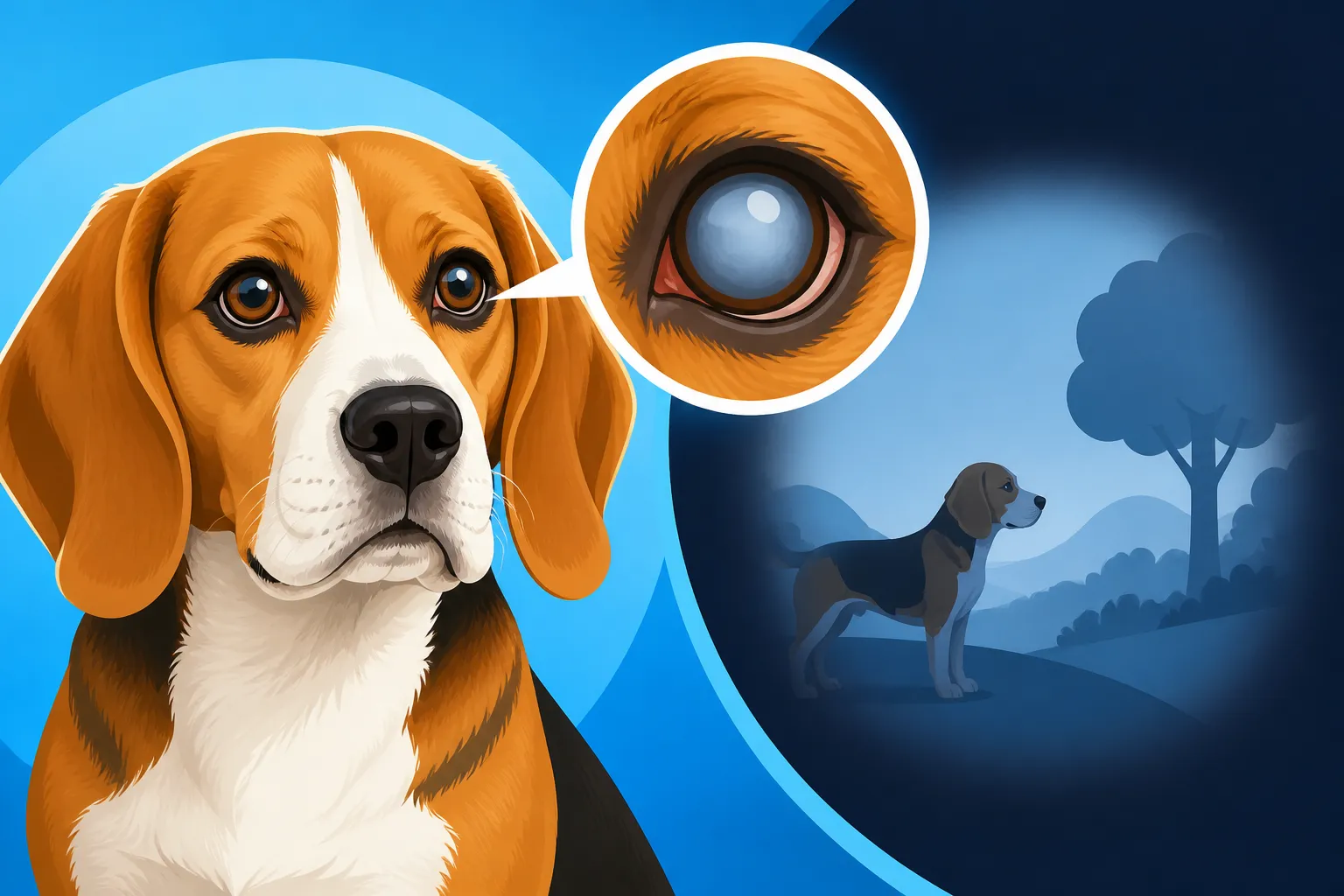
Their eyes themselves might also offer clues. Look for a slight redness around the whites of the eye, often referred to as conjunctival hyperemia. The cornea, the clear outer layer of the eye, might develop a faint haziness or a blueish tint, known as corneal edema. Sometimes, you might observe that one pupil appears slightly more dilated than the other, or that your Beagle is squinting more frequently. They might also become more sensitive to bright light, trying to avoid direct sunlight or strong indoor lighting. Any of these changes, especially if they are consistently present in one eye, warrant a call to your veterinarian. Don't brush them off, because the sooner intervention begins, the better the chances of managing the condition. This vigilance is key, as conditions like glaucoma can quickly progress if left unchecked, making prevention of irreversible damage a race against time.
Acute Glaucoma: An Emergency Situation
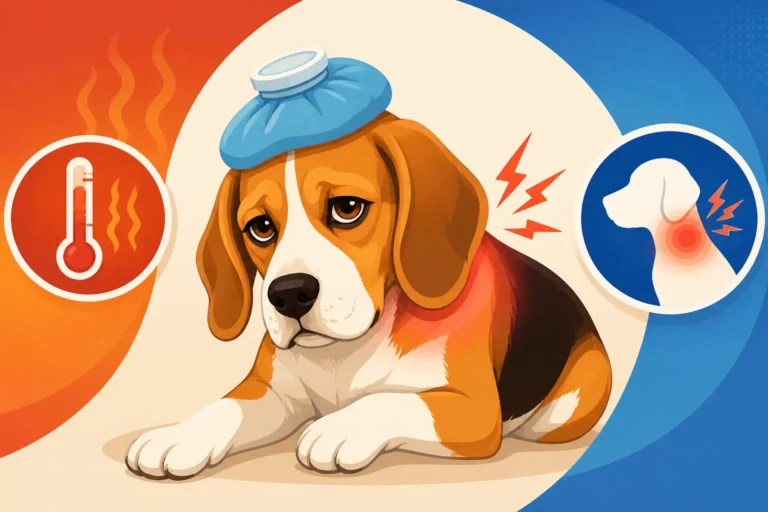
While some Beagles experience a slow, chronic progression of glaucoma, others can suffer from an acute episode. This is a veterinary emergency that demands immediate attention. If your Beagle suddenly develops intense pain in one or both eyes, you'll see a dramatic shift in their demeanor. They might paw at their eye constantly, rub their face against furniture or the carpet, or even become withdrawn and unwilling to interact.
During an acute attack, the affected eye can become noticeably swollen and enlarged, sometimes appearing to bulge slightly. The cornea will likely be very cloudy, taking on a distinct blue-gray appearance, and the pupil will often be widely dilated and unresponsive to light. Most alarmingly, you'll likely see a sudden and severe loss of vision, with your Beagle disoriented, bumping into everything, and possibly vocalizing in distress. This isn't just discomfort; it's excruciating pain and a rapid deterioration of vision. If you ever witness these signs, do not wait. This situation requires immediate emergency veterinary care, as highlighted in our guide on Beagle Emergency Signs That Cannot Wait Until Morning. Every hour counts in an acute glaucoma crisis, and delaying treatment can lead to permanent blindness and unbearable suffering. If you have pet insurance like Healthy Paws, knowing you can take your Beagle to the emergency vet without immediate financial stress can be a huge relief in such a critical situation.
Diagnosis, Treatment, and Management
Receiving a glaucoma diagnosis for your Beagle can be incredibly upsetting, but it's important to remember that it's not a death sentence. While vision loss can be a reality, proper diagnosis and consistent treatment can significantly improve your Beagle's comfort and quality of life, and in some cases, even preserve remaining vision. The key lies in swift action and a dedicated partnership with your veterinary team.
The Veterinary Exam and Diagnostic Tools
When you suspect glaucoma, your regular vet is usually the first stop. They will perform a thorough general physical exam, but for definitive diagnosis and specialized treatment planning, they will likely refer you to a board-certified veterinary ophthalmologist. This specialist has the advanced equipment and expertise needed to accurately assess your Beagle's eyes.
The most crucial diagnostic tool is called a tonometer, which measures the intraocular pressure (IOP) within the eye. This is a quick, painless procedure where a small probe gently touches the surface of the eye. Normal canine IOP is typically between 10 and 20 mmHg; anything significantly higher raises a red flag. The ophthalmologist will also perform an ophthalmoscopy to examine the optic nerve and retina for signs of damage, and a gonioscopy, which involves using a special lens to visualize the eye's drainage angle to determine if it's open, narrowed, or closed. These tests, along with a thorough history of your Beagle's symptoms and any changes you've observed, provide a complete picture for diagnosis. You can learn more about comprehensive eye evaluations in our article Beagle Eye Conditions and the Board-Certified Exam. These specialized exams are essential because they pinpoint the exact nature and severity of the glaucoma, guiding the most effective treatment plan.
Medical and Surgical Treatment Options
Once glaucoma is diagnosed, treatment aims to reduce the intraocular pressure, alleviate pain, and preserve as much vision as possible. For early or less severe cases, medical management with eye drops is often the first line of defense. These drops work in various ways: some decrease the production of aqueous humor, others improve its drainage, and some help with both. Your vet might prescribe several different types of drops, such as prostaglandin analogs, carbonic anhydrase inhibitors, or beta-blockers, often needing to be administered multiple times a day. Consistency is absolutely crucial here; missing doses can lead to pressure spikes and further damage. Pain medication, either oral or topical, will also be prescribed to keep your Beagle comfortable.
In cases where medical management isn't enough, or if the glaucoma is very advanced, surgical options may be considered. These can include laser cyclophotocoagulation, which aims to reduce fluid production, or the insertion of drainage shunts to improve outflow. Unfortunately, even with surgery, glaucoma is often a progressive disease, and complete vision loss can still occur. In severe, painful, and blinding cases, especially if there's no hope of vision returning and the eye is chronically painful, surgical removal of the eye (enucleation) might be recommended to alleviate suffering. This is a difficult decision for any owner, but it can dramatically improve a Beagle's quality of life by eliminating constant pain. The cost of these treatments, from specialized eye drops to surgery, can quickly add up, making a good pet insurance plan incredibly valuable. Providers like Healthy Paws can help soften the financial blow, allowing you to focus on your Beagle's care rather than the bill.
Managing Long-Term Vision Loss
Glaucoma is rarely a one-time fix; it's a chronic condition that requires ongoing management. This means frequent follow-up appointments with the veterinary ophthalmologist to monitor eye pressure, assess the progression of vision loss, and adjust medications as needed. These visits might become a regular part of your routine, often every few months, depending on your Beagle's stability.
Maintaining a detailed "Beagle Glaucoma Diary" can be very helpful, noting down medication times, any changes in eye appearance, and your Beagle's behavior. This provides valuable information for your vet. Beyond eye drops, managing pain, even low-level chronic pain, is paramount. Your vet may prescribe long-term anti-inflammatory medications or even refer to a pain management specialist. Remember, even if your Beagle isn't overtly crying, chronic discomfort can significantly impact their well-being. Knowing that long-term conditions can be financially straining, it's worth noting how a robust pet insurance policy, like those offered by Healthy Paws, can provide considerable peace of mind, covering a significant portion of these ongoing expenses. Being prepared for these long-term needs is a realistic part of living with a Beagle diagnosed with glaucoma, and proactive management can ensure your beloved companion remains as comfortable and happy as possible.
Helping Your Beagle Adapt to Vision Loss
A Beagle losing their sight is a profoundly emotional experience for both dog and owner. While their incredible sense of smell can compensate for a lot, vision loss still presents significant challenges. The good news is that Beagles are resilient, and with your understanding, patience, and some thoughtful adjustments, they can continue to live full, happy lives.
Creating a Safe and Predictable Home Environment
The most immediate and impactful thing you can do for a sight-impaired Beagle is to create a safe, consistent, and predictable home environment. Once your Beagle starts experiencing significant vision loss, try to avoid moving furniture. Their mental map of your home becomes their lifeline. If you absolutely must move something, guide them around it repeatedly until they've re-learned the layout. Use baby gates to block off stairs or dangerous areas, preventing falls.
Consider adding textured mats or rugs in specific areas, like at the top and bottom of stairs, or before doorways, to give them tactile cues about changes in their environment. For their safety outside, never let a vision-impaired Beagle off-leash in an unfenced area. Their powerful nose, usually an asset, can lead them astray and into danger if they cannot see to navigate back. Inside, you can also use subtle scent markers – a tiny dab of essential oil on a doorframe, or a specific air freshener in a particular room – to help them orient themselves. Consistency is the golden rule; a predictable environment reduces anxiety and builds confidence in your Beagle as they learn to navigate their world anew.
Enhancing Other Senses and Routines
While vision diminishes, your Beagle's other senses, particularly their phenomenal sense of smell and hearing, will become even more finely tuned. Lean into their natural abilities. Scent games and nose work become not just fun, but crucial for mental enrichment and confidence building. Hide treats around the house, encouraging them to use their nose, or try a snuffle mat. Our guide on Scent Work as the Job a Beagle Was Built For offers fantastic ideas for engaging their primary sense.
Verbal cues are also incredibly important. Teach them specific commands like "step up," "step down," "wait," or "left" and "right" to help them navigate obstacles. Use a happy, encouraging tone, and be consistent with your words. Sound can also be a marker; consider placing a small bell on other pets in the house so your Beagle knows where they are. A consistent daily routine for feeding, walks, and playtime will also help reduce anxiety, as they won't have to guess what's coming next. This predictability provides a sense of security and control in a world that might feel confusing.
Maintaining Quality of Life and Emotional Support
It's natural to grieve the loss of your Beagle's vision, but it's vital to help them continue to engage with the world and maintain their zest for life. Regular, leashed walks in familiar, safe areas are still important for physical exercise and mental stimulation. Let them sniff everything; those scent trails are now their windows to the world. Offer plenty of gentle physical affection and verbal reassurance. Beagles thrive on connection, and your calming presence is more important than ever.
Pay close attention to their emotional state. Are they withdrawn? Are they bumping into things and then seeming frustrated or sad? It’s common for Beagles with vision loss to experience some level of anxiety or depression. Keep their minds active with puzzle toys, chew toys, and consistent training sessions using their other senses. Sometimes, a "halo" device, like a Muffin's Halo, can help prevent bumps and build confidence in blind dogs. For senior Beagles, vision loss often comes with other age-related changes, like hearing decline, as we discuss in Senior Beagle Vision and Hearing Loss. This can compound their challenges, making your empathy and gentle guidance even more critical. Ultimately, the goal is to keep them engaged, loved, and as comfortable as possible. While facing these challenges can be tough, seeing your Beagle adapt and thrive with your support is incredibly rewarding. Knowing when to prioritize comfort and assessing their overall well-being is a constant conversation with your vet, something we explore further in Judging Quality of Life in a Beagle's Last Year.
Disclaimer
The information provided in this guide is for general informational purposes only and is not a substitute for professional veterinary advice. Always consult with a qualified veterinarian or veterinary ophthalmologist for any health concerns or before making any decisions about your Beagle's medical care.