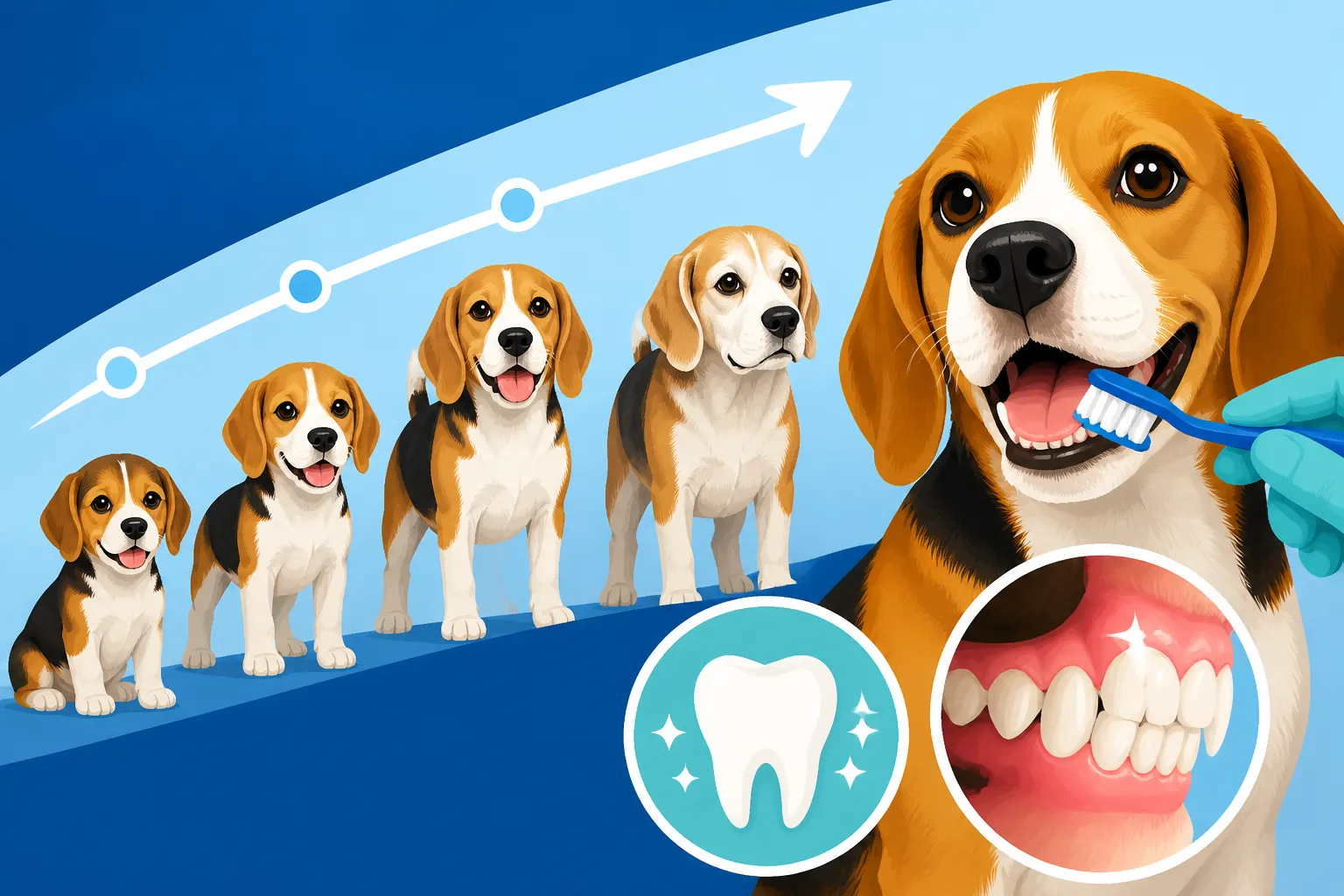
Beagle Dental Care Across Fifteen Years
It’s a scenario many Beagle owners know all too well: you lean in for a cuddle, and a less-than-pleasant aroma wafts from your beloved hound’s mouth. While we adore their slobbery kisses, that unmistakable "dog breath" isn't just a quirky Beagle trait; it's often the first subtle warning sign of dental trouble brewing beneath the surface. This guide is here to walk you through everything you need to know about keeping your Beagle’s pearly whites healthy, from those adorable puppy nips all the way through their golden senior years, aiming for a lifetime of happy, healthy smiles.
Understanding Beagle Dental Health from Puppyhood
Those tiny, needle-sharp puppy teeth are more than just a teething hazard for your furniture; they're the beginning of your Beagle's dental journey. Establishing good habits now can save you a world of trouble (and expense) down the line. We often focus on vaccinations and training when a puppy comes home, but dental care needs to be right up there on the priority list.
Why Puppy Dental Care Sets the Stage
When your Beagle puppy arrives, they have a full set of 28 deciduous (or "baby") teeth. These little teeth are surprisingly important, acting as placeholders for the adult teeth that will eventually erupt. Proper care during this phase isn't just about preventing puppy gingivitis; it's about making the transition to adult teeth smoother and setting a precedent for lifelong dental hygiene. Neglecting these early stages can lead to plaque and tartar buildup even on baby teeth, which then impacts the health of the adult teeth as they emerge.
The teething process itself, usually starting around 3-4 months and lasting until about 6-7 months, is a critical period. Your puppy will be driven to chew anything and everything to relieve discomfort as their adult teeth push through. Providing appropriate, safe chew toys is paramount. Not only does this save your furniture, but it also helps dislodge baby teeth and massage irritated gums. Hard, non-abrasive rubber toys, specifically designed for puppies, are ideal. Avoid anything too hard that could damage erupting adult teeth or even fracture baby teeth, which can cause pain and potential infection. Remember, a fractured baby tooth can create an avenue for bacteria to enter and damage the developing permanent tooth underneath.
This early period is also when you can start getting your Beagle puppy accustomed to having their mouth handled. Gentle muzzle touches, lifting lips, and briefly touching their gums with your finger should be part of your daily bonding routine. If you skip this, you’ll find it much harder to introduce tooth brushing later on when they’re older and potentially less cooperative. The goal here is to create positive associations with mouth handling, not to force anything stressful. A few seconds of positive interaction, followed by a treat and praise, goes a long way.
Introducing Brushing Early and Positively
The best time to introduce tooth brushing to your Beagle is when they are still a puppy, before any serious dental issues have a chance to take root. Think of it as another step in their socialization and training, not a chore. Start incredibly slowly and with a positive mindset. The first step isn't even about brushing; it's about getting them comfortable with the taste of dog-specific toothpaste. Never use human toothpaste, as it contains fluoride and other ingredients that are toxic if swallowed. You can find a variety of palatable, enzymatic dog toothpastes at most pet stores or online retailers like Chewy or Amazon.
Begin by letting your puppy lick a tiny bit of toothpaste off your finger. Praise them lavishly! After a few days of this, try putting a tiny amount on a finger brush or a piece of gauze wrapped around your finger. Gently rub it along the outside of their upper canine and premolar teeth, which are often the easiest to reach first. Keep sessions extremely short – literally a few seconds – and always end on a positive note with a treat and some playtime. The aim is to make it a pleasant experience, not a wrestling match.
As your puppy gets more comfortable, gradually increase the duration and try to reach more teeth. Eventually, you can transition to a small, soft-bristled dog toothbrush. Many Beagles love the taste of the toothpaste, making the process much easier. Consistency is key; even brushing a few times a week is better than nothing, but daily brushing is the gold standard. Establishing this routine now, while their adult teeth are still coming in and they're more pliable, will make a monumental difference for their entire life. Think of it as investing in their future health, preventing pain and costly interventions years down the road.
Recognizing Normal Puppy Mouth Changes
As your Beagle puppy grows, their mouth goes through significant changes. Understanding what's normal will help you identify when something might be amiss. The deciduous teeth typically start falling out around 12-16 weeks of age, usually starting with the incisors (front teeth). The canine teeth and premolars will follow over the next few months. By about 6-7 months old, most Beagles should have their full set of 42 permanent adult teeth. It's not uncommon for you to find tiny puppy teeth lying around the house, or more often, your puppy will simply swallow them, which is perfectly normal.
During this transition, you might notice increased chewing, mild bleeding from the gums, or even a slightly less-than-fresh breath. These are generally normal signs of teething. However, there are a few things to watch out for. Sometimes, a baby tooth doesn't fall out as the adult tooth erupts. This is called a retained deciduous tooth, and it's quite common, particularly with canine teeth. If you see two teeth occupying the same space, it's crucial to have your vet check it out. Retained baby teeth can cause crowding, improper alignment of the adult teeth, and trap food particles, leading to early periodontal disease. These often need to be extracted by a vet to prevent future problems.
Another thing to monitor is the overall health of the gums. While mild redness around erupting teeth is expected, excessive inflammation, bleeding, or pus indicates a problem. If your puppy seems unusually painful, refuses to eat, or has swelling around their jaw, it warrants a trip to the vet. Learning to gently examine your Beagle's mouth from a young age will make it easier to spot these issues early. Remember, good puppy dental health sets the foundation for preventing problems like Beagle Bad Breath Coming From the Tooth Roots later in life.
Daily Dental Hygiene for Adult Beagles
Once your Beagle's adult teeth are in, the real work of preventing plaque and tartar begins. Unlike us, dogs don't usually develop cavities in the same way, but they are highly susceptible to periodontal disease, which affects the gums and the structures supporting the teeth. This is where daily habits make all the difference.
The Critical Role of Daily Tooth Brushing
I know, I know. Brushing your dog's teeth daily sounds like a monumental task, especially with a busy Beagle who has a million other things on their mind (mostly involving sniffing out dinner). But truly, daily tooth brushing is the single most effective way to prevent plaque from hardening into tartar and to keep gum disease at bay. Plaque is a soft, sticky film of bacteria that forms on teeth; it can be brushed away. Tartar, however, is calcified plaque that bonds firmly to the tooth enamel and can only be removed by a professional dental cleaning under anesthesia.
When you brush, focus on the outside surfaces of the teeth, especially the upper molars and canines, as these are often where plaque and tartar accumulate most rapidly. Use a soft-bristled toothbrush specifically designed for dogs. Some people find that a multi-headed brush helps cover more surface area, or even a child's toothbrush can work for smaller mouths. Angle the bristles at a 45-degree angle to the gum line, gently sweeping away from the gums. Don't forget that enzymatic toothpaste; the enzymes help break down plaque even if you don't get every single tooth perfectly.
Consistency is far more important than perfection. Even if you only manage 30 seconds a day, targeting the most problematic areas, you're doing a fantastic job. If your Beagle is particularly resistant, break it down. Start with just touching their mouth, then lifting their lip, then a quick swipe with toothpaste on your finger. Build up slowly, always associating it with praise and a high-value treat. Your Beagle's powerful nose is a great motivator, so find a toothpaste flavor they absolutely adore. Many brands offer poultry or beef flavors that make it more enticing. This daily routine, once established, will significantly reduce the need for Beagle Dental Cleaning Under Anesthesia as often.
Dental Chews and Treats: Are They Actually Effective?
Dental chews and treats can be a helpful adjunct to your Beagle's dental care routine, but it's crucial to understand their limitations. They are not a substitute for daily brushing or professional veterinary cleanings. Think of them as supplemental tools. The key is to choose the right kind of dental chew. Look for products that have been scientifically proven to reduce plaque and tartar, often indicated by a Veterinary Oral Health Council (VOHC) seal of acceptance. These products have met specific standards for efficacy.
There's a wide range of dental chews on the market, from textured sticks designed to scrape plaque as your Beagle chews, to chews with enzymatic ingredients that help break down bacteria. Brands like Greenies, Dentalife, and OraVet Chews are popular and often carry the VOHC seal. When selecting, consider your Beagle's size and chewing style. A chew that's too soft might be swallowed too quickly to be effective, while one that's too hard could potentially fracture a tooth. Always supervise your Beagle when they're enjoying a dental chew to prevent choking hazards, especially given how quickly Beagles tend to inhale their food. Many excellent options can be found easily on Chewy or Amazon.
Beyond formulated dental chews, some owners offer raw bones or other hard chews. While these can provide mechanical abrasion, they also carry significant risks, including fractured teeth, gastrointestinal upset, or blockages. I generally recommend sticking to commercially available dental chews with the VOHC seal and consulting your vet if you're considering anything harder. The best dental chew is one that your Beagle enjoys, that doesn't pose a risk, and that encourages prolonged chewing to maximize its plaque-reducing benefits. They are part of a comprehensive approach, not a standalone solution.
Water Additives and Oral Rinses
For Beagles who are particularly resistant to tooth brushing, or as an extra layer of defense, water additives and oral rinses can be considered. Again, these are not magic bullets and should ideally be used in conjunction with other dental care methods, not as a complete replacement. They work by introducing active ingredients into your Beagle's mouth throughout the day, helping to reduce bacteria, freshen breath, and sometimes inhibit plaque formation.
Water additives are usually flavorless liquids that you simply add to your Beagle's drinking water daily. They typically contain ingredients like chlorhexidine, zinc, or other antimicrobials that help to reduce oral bacteria. The idea is that with every drink, your Beagle is getting a dose of these protective agents. The convenience factor is huge here, making it an easy way to contribute to their oral health without any fuss. Just make sure to follow the dosing instructions carefully, and ensure your Beagle continues to drink water normally. If they suddenly become reluctant to drink, you might need to try a different brand or discontinue use.
Oral rinses work similarly but are applied directly to the gums and teeth, often with a gauze pad or a squirt bottle. These can be more effective as they deliver a higher concentration of the active ingredients directly to the problem areas, but they do require a bit more cooperation from your Beagle than simply drinking water. For a Beagle with persistent Beagle Bad Breath Coming From the Tooth Roots, an oral rinse could offer more immediate relief and antibacterial action. Discuss these options with your veterinarian to see if they are a suitable addition to your Beagle's dental routine, especially if daily brushing is proving particularly challenging. They can recommend specific brands and formulations that are safe and effective for your dog.
Recognizing the Signs of Dental Disease in Beagles
Many Beagle owners don't realize their dog has dental problems until the disease is quite advanced. This is partly because dogs are masters at hiding pain and partly because we often don't examine their mouths regularly enough. Learning to spot the subtle (and not-so-subtle) signs of dental disease is crucial for early intervention.
Bad Breath: More Than Just a Nuisance
Let's be honest, "dog breath" isn't generally pleasant. But there's a difference between run-of-the-mill, slightly-stale-kibble breath and truly foul, offensive halitosis. If your Beagle's breath could knock a buzzard off a garbage truck, it's a major red flag that something is wrong in their mouth. This isn't just about smell; it's about bacteria. The primary cause of truly offensive bad breath in dogs is the accumulation of plaque and tartar, which are teeming with anaerobic bacteria. These bacteria produce volatile sulfur compounds, the same stuff that makes rotten eggs smell terrible.
This kind of severe bad breath almost always signals the presence of periodontal disease. It means bacteria are multiplying rapidly, causing inflammation of the gums (gingivitis), and potentially leading to infection below the gum line. Without intervention, this bacterial assault will start to destroy the supportive structures of the teeth, leading to tooth mobility and eventually tooth loss. So, while it's tempting to just get used to the smell, or offer a breath treat, understand that bad breath is an indicator of an underlying health problem.
If you notice a sudden, dramatic worsening of your Beagle's breath, or if it persists despite your best home care efforts, it's time for a veterinary dental check-up. Sometimes, extremely bad breath can also be a sign of other systemic issues, like kidney disease or diabetes, but in most cases, it points directly to oral pathology. Don't dismiss bad breath as just a normal dog thing; for a Beagle, it's a critical clue to their overall health. Getting to the root of Beagle Bad Breath Coming From the Tooth Roots is essential for their comfort and health.
Visible Plaque, Tartar, and Gum Inflammation
While bad breath is often the first thing owners notice, a visual inspection of your Beagle's mouth can reveal even more direct evidence of dental disease. Plaque is that soft, white or grayish film that adheres to the tooth surface, especially near the gum line. It's often hard to see unless you're actively looking for it. Tartar, however, is much more obvious. It's a hard, yellowish-brown or even dark brown mineral deposit that builds up on the teeth, often starting at the gum line and gradually covering more of the tooth surface. It can look like a crusty coating.
To inspect your Beagle's mouth, gently lift their lips on both sides, focusing on the outer surfaces of the upper canine teeth and premolars/molars. These are the teeth that do the most chewing and are usually the first to show significant buildup. If you see visible tartar, especially thick layers, your Beagle is definitely overdue for a professional dental cleaning. No amount of home brushing will remove hardened tartar; it requires specialized ultrasonic scaling by a vet.
Beyond tartar, pay close attention to the gums. Healthy gums should be a pale pink color, firm, and lie tightly against the teeth. Signs of gingivitis (gum inflammation) include redness, swelling, and bleeding when touched. You might even see a distinct red line along the gum margin where it meets the tooth. As gum disease progresses, the gums may recede, exposing the tooth roots, or appear swollen and puffy. Pockets can form between the gum and the tooth, trapping more food and bacteria, leading to deeper infection. Any of these visual signs warrant immediate veterinary attention, as they indicate active disease that needs professional treatment.
Changes in Eating Habits and Oral Pain Indicators
Beagles are notoriously food-motivated, so any change in their eating habits, no matter how subtle, should raise a red flag regarding oral pain. Unlike humans who might complain about a toothache, dogs simply try to adapt or hide their discomfort. You might notice your Beagle approaching their food bowl with enthusiasm but then hesitating, or dropping kibble after picking it up. They might chew slowly, or try to chew only on one side of their mouth. Sometimes, they'll favor softer foods, or even beg for wet food when they normally eat kibble.
Other subtle indicators of oral pain can include pawing at their mouth or rubbing their face against furniture or the floor. They might start drooling more than usual, and the saliva might even be tinged with blood. Some Beagles may become reluctant to play with their favorite chew toys, or even avoid being touched around their face or muzzle. In more advanced cases, you might notice facial swelling, especially under an eye, which could indicate a tooth root abscess. This is a very painful condition that needs urgent veterinary care.
It's easy to overlook these signs, attributing them to an upset stomach or just "being picky." But when a Beagle, a breed renowned for its love of food, starts to show any hesitation around mealtime, it's worth investigating their mouth thoroughly. Don't wait until your Beagle is in excruciating pain or has stopped eating altogether. Early detection of these changes means earlier intervention, which can often save teeth and prevent the progression of painful, debilitating dental disease. Remember, pain impacts their quality of life significantly, so always take these subtle cues seriously.
Professional Dental Cleanings and Examinations
While daily home care is vital, there comes a point for most Beagles where professional help is needed. Just like us, dogs benefit from regular check-ups and cleanings, but for them, it always involves anesthesia. Understanding why this is necessary and what the procedure entails can help alleviate any anxieties you might have.
Why Anesthesia-Based Cleanings Are Essential
One of the biggest concerns owners have about professional dental cleanings is the need for general anesthesia. It's completely understandable to be worried about your beloved Beagle going under. However, anesthesia is absolutely essential for a thorough and safe dental procedure in dogs. Unlike people, dogs won't simply open wide and say "ah" while a technician scrapes plaque below their gum line. Even the most cooperative Beagle won't tolerate the comprehensive cleaning, probing, and X-rays required to properly assess and treat dental disease.
Here’s why anesthesia is non-negotiable:
- Thorough Cleaning: Plaque and tartar accumulate not just on the visible tooth surface but also underneath the gum line. This subgingival area is where periodontal disease truly takes hold. Without anesthesia, it's impossible to reach and meticulously clean these hidden areas, leaving the root cause of the problem untouched.
- Safety for Your Beagle: A Beagle would never lie still enough for sharp instruments, ultrasonic scalers, and polishing tools to be used safely without moving or biting. Anesthesia ensures they remain still, comfortable, and pain-free throughout the procedure, preventing injury to their mouth or the veterinary team.
- Comprehensive Oral Exam: Once your Beagle is anesthetized, the veterinarian can perform a detailed oral examination, probing for gum pockets, checking for loose teeth, and looking for other hidden pathologies like oral masses or fractured tooth roots. This is often the first time a vet truly gets to see the full picture of your Beagle's oral health.
- Dental X-rays: A significant portion of dental disease in dogs occurs below the gum line, affecting the tooth roots and jawbone. Dental X-rays, which are only possible with an anesthetized patient, are critical for diagnosing these hidden issues. Without X-rays, up to 60% of dental disease can be missed.
Your vet will take precautions to make anesthesia as safe as possible, including pre-anesthetic blood work, intravenous fluids, and continuous monitoring throughout the procedure. The benefits of a healthy mouth far outweigh the minimal risks of modern anesthesia for most Beagles.
The Procedure: What Happens During a Dental Cleaning
A professional dental cleaning for your Beagle is a comprehensive procedure, not just a quick scrub. It begins long before your Beagle is even anesthetized. First, your vet will conduct a thorough physical exam and usually recommend pre-anesthetic blood work to ensure your Beagle is healthy enough for anesthesia, particularly checking kidney and liver function. Based on these results, a tailored anesthetic plan is developed.
Once anesthetized, your Beagle will be carefully monitored throughout the procedure, with their heart rate, breathing, blood pressure, and oxygen levels continuously tracked. An intravenous catheter will be placed to administer fluids, which helps maintain blood pressure and supports kidney function during anesthesia.
The actual dental procedure involves several steps:
- Oral Examination: The vet performs a detailed visual examination of every tooth and the surrounding gums, charting any abnormalities.
- Full Mouth Dental X-rays: These are taken to assess the health of the tooth roots, jawbone, and to identify any hidden problems like abscesses, bone loss, or unerupted teeth. This step is crucial for diagnosing issues that are not visible to the naked eye and guiding treatment decisions, especially if Beagle Tooth Extractions in Old Age become necessary.
- Scaling: An ultrasonic scaler is used to remove plaque and tartar from the crown of each tooth and, most importantly, below the gum line. Hand scalers are then used for fine detail work.
- Polishing: After scaling, the teeth are polished to smooth the enamel surface. This helps to reduce microscopic scratches created by the scaling, making it harder for plaque to adhere to the teeth in the future.
- Fluoride Treatment (optional): Some vets apply a fluoride treatment to strengthen enamel and decrease tooth sensitivity.
- Extractions: If severe periodontal disease, fractured teeth, or other irreversible damage is found (especially via X-rays), extractions may be necessary. This is always done with utmost care and pain management.
After the cleaning, a pain management plan is put in place, and your Beagle will be carefully recovered from anesthesia. They typically go home the same day, a little groggy but with a much healthier, cleaner mouth.
Frequency and Cost Considerations
The frequency of professional dental cleanings for a Beagle can vary significantly depending on a few factors: your Beagle's genetics, the effectiveness of your home care routine, their diet, and their individual susceptibility to plaque and tartar buildup. Some Beagles may only need a cleaning every 2-3 years, while others, particularly those with poor genetics or owners who struggle with daily brushing, might need them annually. Your veterinarian is the best person to advise on the ideal schedule for your specific Beagle, often recommending a cleaning when they notice significant tartar buildup or signs of gingivitis during a routine physical exam.
It’s easy to postpone these cleanings due to concerns about the cost, but it's important to view it as a crucial investment in your Beagle's overall health and comfort. When a Beagle Needs Its First Dental Cleaning can set the precedent for future visits. The price for a professional dental cleaning under anesthesia can vary widely depending on your geographic location, the veterinary clinic, and the extent of the work needed (e.g., if extractions or extensive X-rays are required). Generally, it includes the pre-anesthetic blood work, anesthesia, IV fluids, monitoring, the scaling and polishing, and any necessary medications.
While it might seem like a significant upfront cost, remember that neglecting dental care almost always leads to more severe and much more expensive problems down the road. Treating advanced periodontal disease, multiple extractions, or addressing systemic issues caused by chronic oral infection can easily run into much higher figures. Investing in regular, preventative cleanings will not only keep your Beagle healthier and more comfortable, but it can actually save you money in the long run by preventing complications. Many pet insurance plans offer coverage for routine dental cleanings or contribute to a portion of the cost, so it's worth checking your policy.
Managing Advanced Dental Problems
Despite our best efforts, sometimes Beagles develop advanced dental problems. Whether due to genetics, missed cleanings, or unforeseen injuries, these situations require more intensive veterinary intervention. It's crucial to understand these conditions and how they're managed to ensure your Beagle gets the care they need.
Addressing Periodontal Disease and Tooth Loss
Periodontal disease is by far the most common dental problem in dogs, affecting most Beagles by the time they are three years old if left untreated. It starts with gingivitis, an inflammation of the gums caused by plaque. If plaque isn't removed, it hardens into tartar, providing more surface area for bacteria to adhere. These bacteria then invade the space below the gum line, forming pockets and causing irreversible damage to the ligaments, bone, and tissues that support the teeth. This is where the truly destructive process begins.
As periodontal disease progresses, the bone supporting the tooth erodes, the gums recede, and the tooth eventually becomes loose and painful. Imagine trying to eat with a constantly throbbing toothache; that's what many Beagles experience. At this stage, unfortunately, tooth extraction is often the only viable solution to eliminate infection and pain. While it sounds drastic to remove teeth, a painful, infected tooth is a source of constant suffering and can lead to serious systemic health issues. Removing it brings immense relief and improves their overall quality of life.
The extraction process itself is performed under general anesthesia. After the tooth is removed, the gum is sutured closed to promote healing. Your Beagle will likely go home with pain medication and possibly antibiotics. They'll need a soft food diet for a period, but most dogs recover quickly and adapt surprisingly well to eating without problematic teeth. In fact, many owners report their Beagles becoming more active and playful after painful teeth are removed, simply because they're finally free from chronic discomfort. Your vet will advise on proper aftercare, including any necessary dietary changes or Feeding a Fourteen Year Old Beagle With Few Teeth considerations for older dogs.
Fractured Teeth and Abscesses
Beagles are curious, food-driven dogs, and sometimes their chewing habits or even an accident can lead to fractured teeth. Chewing on excessively hard objects – think bones, antlers, or ice cubes – is a common culprit. A fractured tooth can expose the sensitive pulp cavity, leading to immense pain and opening the door for bacterial infection to enter the root canal and spread to the surrounding bone, forming an abscess. An abscessed tooth is extremely painful and can cause swelling on the face, typically under the eye, if an upper premolar or molar is affected.
If you notice a chipped or broken tooth, or if your Beagle suddenly shows signs of oral pain (like favoring one side, dropping food, or facial swelling), it’s an emergency. A fractured tooth cannot heal on its own. Depending on the severity of the fracture and whether the pulp is exposed, treatment options include root canal therapy to save the tooth, or extraction. Root canal therapy involves removing the infected pulp and filling the canal, much like in human dentistry. This can be a good option for structurally important teeth like canines.
However, if the fracture is too extensive, or if the tooth is already severely infected or abscessed, extraction is often the most practical and effective solution. Addressing a fractured tooth or an abscess quickly is paramount, not just for pain relief but to prevent the spread of infection. Untreated dental abscesses can lead to bone infection (osteomyelitis) or even spread bacteria to other organs in the body. If you see Beagle Emergency Signs That Cannot Wait Until Morning that involve swelling or acute pain around the mouth, never delay a vet visit.
Beyond the Mouth: Systemic Health Connections
It's easy to think of dental disease as just a problem with teeth, but in reality, your Beagle's oral health is intrinsically linked to their overall systemic health. The mouth is highly vascular, meaning it has a rich blood supply. When there's a chronic bacterial infection in the gums and around the teeth (periodontal disease), these bacteria don't stay confined to the mouth. They can enter the bloodstream through the inflamed gum tissue and travel to distant organs.
Over time, this constant showering of bacteria and inflammatory mediators can take a toll on vital organs. The most commonly affected organs include the heart, kidneys, and liver. For example, bacteria from the mouth can attach to damaged heart valves, leading to a serious condition called bacterial endocarditis. In the kidneys, these circulating bacteria can contribute to kidney inflammation and progressive kidney disease. Similarly, the liver can be affected as it works to filter toxins from the bloodstream.
This is particularly concerning for older Beagles, who may already be facing age-related decline in organ function. A chronic, low-grade infection from dental disease can exacerbate existing heart or kidney conditions, or even trigger new problems. This is why addressing dental disease is not just about relieving pain; it's about protecting your Beagle's entire body from the silent threat of infection. Maintaining good oral hygiene can contribute significantly to a longer, healthier lifespan for your Beagle, and is a vital part of Senior Beagle Care After the Age of Ten. It truly is preventative medicine for their whole system.
Senior Beagle Dental Care: Specific Considerations
As our beloved Beagles age, their dental needs evolve. What might have been a minor issue in their younger years can become a significant problem as they reach their senior years. Tailoring their dental care to their age-specific vulnerabilities is key to maintaining their comfort and health.
Increased Risk Factors in Older Beagles
Just like us, older Beagles face a higher risk of developing advanced dental disease. Many years of wear and tear, coupled with a lifetime of plaque and tartar accumulation (even with good home care), often lead to more significant issues. Periodontal disease tends to be more severe in older dogs, with deeper gum pockets, more extensive bone loss around the teeth, and a higher likelihood of loose or abscessed teeth. The immune system also naturally becomes less robust with age, making seniors more susceptible to infections, including those originating in the mouth.
Beyond periodontal disease, older Beagles may experience other age-related dental problems. Teeth can become brittle and more prone to fractures. The roots of teeth may weaken, leading to increased sensitivity or easier tooth loss. Some senior Beagles might also develop oral masses or tumors, which can be benign or malignant, and often require prompt veterinary attention if discovered. Regularly examining your senior Beagle's mouth during home care is even more crucial to detect these changes early.
Furthermore, if a Beagle has had a history of dental neglect, the problems tend to compound over the years. By the time they are seniors, they might present with advanced periodontal disease affecting multiple teeth, making extensive extractions unavoidable. This is why consistent dental care throughout their life, starting from puppyhood, is so vital. It’s about minimizing the impact of these age-related changes and ensuring their golden years are as comfortable and pain-free as possible. This ties into the broader topic of Beagle Lifespan and the Twelve to Fifteen Year Range and ensuring quality of life.
Adjusting Diet and Chews for Sensitive Senior Mouths
A senior Beagle with a sensitive mouth or missing teeth will greatly benefit from dietary adjustments. Chewing hard kibble can become painful or difficult, leading to a reduced appetite or a reluctance to eat, even for a food-loving Beagle. If your senior Beagle has had multiple tooth extractions, or if their remaining teeth are loose or sensitive, transitioning to a softer diet is a compassionate choice.
Consider a high-quality wet food, or if you prefer to feed kibble, you can soften it by adding warm water or low-sodium broth and letting it soak for 10-15 minutes before serving. There are also fresh food delivery services, such as Ollie, that provide gently cooked, softer meals that are easy to chew and digest. These often come pre-portioned, making it easy to manage their calorie intake, which is important as older Beagles might be less active. Regardless of the food type, ensure it's nutritionally complete and balanced for senior dogs.
When it comes to dental chews, choose softer, more pliable options that still provide some cleaning action but won't risk fracturing older, weaker teeth. Avoid anything rock-hard. Some senior-specific dental chews are formulated to be gentler. However, it's also worth noting that some senior Beagles, particularly those with significant tooth loss, may not be able to safely chew anything at all. In these cases, focus on meticulous daily brushing (if tolerated) and professional cleanings. The goal is to make eating a pleasurable experience again, rather than a painful chore. Feeding a Fourteen Year Old Beagle With Few Teeth involves thoughtful consideration of texture and ease of consumption.
Balancing Anesthesia Risk with Dental Necessity
The thought of anesthetizing an older Beagle often brings added anxiety for owners. While it's true that older pets can have a higher anesthetic risk due to underlying health conditions (like heart disease, kidney issues, or Beagle Hypothyroidism Symptoms Owners Notice First), it doesn't mean dental care should be avoided. In fact, for a senior Beagle suffering from advanced dental disease, the benefits of addressing the chronic pain and infection often far outweigh the risks of anesthesia.
Modern veterinary anesthesia protocols are highly sophisticated, with careful consideration given to geriatric patients. Before any procedure, a thorough pre-anesthetic workup is performed. This typically includes comprehensive blood tests, a urinalysis, and often chest X-rays or an echocardiogram (ultrasound of the heart) to assess organ function and heart health. If any underlying conditions are identified, your vet can then tailor the anesthetic protocol, choosing specific drugs and dosages that are safer for your Beagle's individual health status.
During the procedure, geriatric Beagles receive continuous monitoring, IV fluids, and often additional support like warming blankets to maintain body temperature. The goal is to make the anesthetic event as safe and smooth as possible. Your veterinarian will have an honest conversation with you about the risks and benefits, helping you make an informed decision. For many senior Beagles, treating severe dental pain and infection can significantly improve their quality of life, increasing their appetite, energy levels, and overall comfort, making a carefully planned dental procedure a worthwhile investment. Never let age alone be the sole reason to deny a senior Beagle the pain relief they desperately need.
Preventative Strategies for a Lifelong Healthy Mouth
The best dental care is proactive care. Building a comprehensive strategy that combines home efforts with professional veterinary support is the most effective way to ensure your Beagle enjoys a healthy, pain-free mouth for their entire life.
Comprehensive Home Care Routine
A truly effective home dental care routine for your Beagle involves more than just an occasional dental treat. It's a multi-faceted approach that requires commitment, but the payoff in terms of your Beagle's health and comfort is immense.
- Daily Tooth Brushing: This remains the cornerstone. Aim for daily brushing, even if it's just 30-60 seconds focusing on the outer surfaces of the back teeth and canines. Use a dog-specific toothbrush and enzymatic toothpaste. Consistency is key.
- Appropriate Dental Products: Supplement brushing with VOHC-approved dental chews. These provide mechanical abrasion and some enzymatic action to help reduce plaque. Choose chews appropriate for your Beagle's size and chewing style, and always supervise. Consider water additives or oral rinses as additional support, especially if brushing is a challenge or if your Beagle is prone to rapid plaque buildup. You can find many of these recommended products at retailers like Chewy or Amazon.
- Regular Mouth Checks: Make it a habit to regularly lift your Beagle's lips and visually inspect their teeth and gums. Look for any redness, swelling, tartar buildup, broken teeth, or unusual odors. The more familiar you are with what's normal, the quicker you'll spot problems.
- Chew Toy Management: Provide safe, appropriately sized chew toys that are designed to be kind to teeth. Avoid excessively hard items like natural bones, antlers, or nylon bones that can easily fracture teeth.
Establishing this kind of routine from puppyhood (as discussed earlier) makes it much easier to maintain throughout their adult life. It becomes just another positive interaction you share with your Beagle, rather than a dreaded chore. This sustained effort helps reduce the frequency of professional cleanings and significantly lowers the risk of developing painful and costly dental diseases.
Regular Veterinary Check-ups and Early Intervention
Even with the most diligent home care routine, regular veterinary check-ups are non-negotiable for maintaining your Beagle's dental health. Your veterinarian is trained to spot subtle signs of dental disease that you might miss, and they can assess the overall health of your Beagle's mouth far more thoroughly. During their annual physical exam, they will perform an oral examination, looking for plaque, tartar, gingivitis, loose teeth, or any other abnormalities.
These routine check-ups are opportunities for early intervention. If your vet notes early signs of gingivitis or moderate tartar buildup, they can recommend specific home care adjustments or suggest that a professional dental cleaning might be needed sooner rather than later. Catching problems when they are still mild means less extensive and less costly treatments down the line. It might mean a simpler cleaning rather than multiple extractions. Beagle Vet Visit Frequency After the Age of Ten also increases, offering more opportunities for dental checks.
Don't wait until your Beagle is showing obvious signs of pain or has severe bad breath before seeking veterinary attention. By then, the disease is likely advanced, and the interventions will be more significant. Think of their annual vet visit as a proactive step to prevent future suffering. Your veterinarian is your partner in maintaining your Beagle's health, and their guidance on dental care is invaluable. They can also provide a realistic timeline for When a Beagle Needs Its First Dental Cleaning and subsequent cleanings based on their individual assessment.
Diet's Role in Dental Health
While no diet can fully replace daily brushing, what your Beagle eats can certainly play a role in their dental health. The texture and composition of their food can influence how much plaque and tartar accumulate on their teeth.
Traditionally, it was thought that crunchy kibble helped scrape plaque off teeth. While there's a minor element of truth to this, most standard kibble shatters easily and doesn't provide enough abrasive action to effectively clean teeth, especially below the gum line. However, there are prescription dental diets specifically formulated with a unique kibble structure that resists crumbling. These larger, fibrous kibbles force the tooth to penetrate the kibble, providing a "brushing" action that can significantly reduce plaque and tartar buildup. These diets are often VOHC-approved and can be a great option for Beagles prone to dental disease, especially when recommended by your vet.
On the other hand, soft, wet foods or home-cooked diets tend to cling more to the tooth surface and don't provide any mechanical cleaning action. If your Beagle is on a wet food diet, daily brushing and professional cleanings become even more critical. Similarly, if your Beagle tends to gulp their food down without much chewing, as many Beagles do due to their intense food drive (Beagle Gulping Food and the Choking Risk), the kibble's texture will have little impact on their dental health.
Beyond the type of food, managing your Beagle's overall diet for a healthy weight is also indirectly beneficial. Beagle Obesity Treated as a Health Problem can indirectly exacerbate dental issues due to increased inflammation throughout the body. A well-balanced diet, combined with appropriate chew toys and excellent home care, creates a strong foundation for lifelong dental wellness.
Dental Care Method Comparison
To help summarize the various approaches to Beagle dental care, here's a quick comparison of different methods, their benefits, and considerations:
| Method | Description | Pros | Cons | Ideal Frequency |
|---|---|---|---|---|
| Daily Tooth Brushing | Using a dog-specific toothbrush and enzymatic toothpaste. | Most effective for preventing plaque and gingivitis; targets gum line. | Requires owner commitment; some Beagles resist initially. | Daily |
| VOHC Dental Chews | Specially formulated chews proven to reduce plaque/tartar. | Can be enjoyable for Beagles; provides some mechanical cleaning. | Not a substitute for brushing; must be size-appropriate; choking risk. | 1-2 times daily |
| Water Additives/Rinses | Antimicrobial solutions added to water or applied directly. | Easy to administer (water additives); helps freshen breath. | Less effective than brushing; not a standalone solution. | Daily |
| Dental Diets | Prescription kibble with unique texture for abrasive action. | Provides continuous cleaning with every meal; VOHC-approved options. | May not be suitable for all Beagles; can be more expensive. | Every meal |
| Professional Cleaning | Anesthesia-based scaling, polishing, and oral exam by a vet. | Removes hardened tartar; addresses subgingival disease; includes X-rays. | Requires anesthesia; higher cost; typically every 1-3 years. | Annually to bi-annually |
Remember, the most effective strategy often involves a combination of these methods, tailored to your individual Beagle's needs and your ability to maintain a consistent routine.
Disclaimer
This article is for general informational purposes only and does not constitute professional advice. Laws, prices and regulations vary by location and change over time. Consult a qualified professional for guidance on your specific situation.