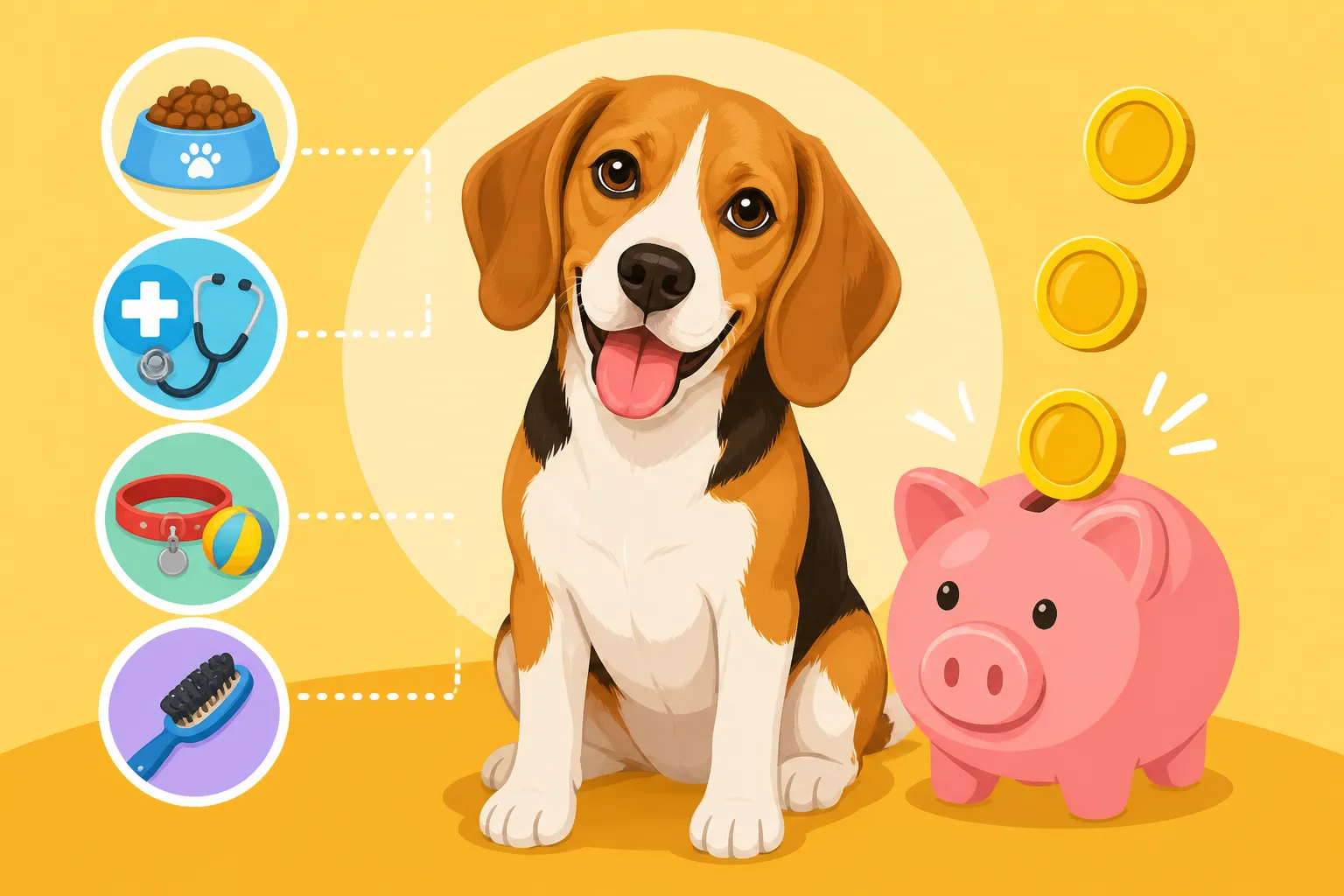
The Yearly Cost of Keeping a Beagle
Bringing a Beagle into your life is an absolute joy, a whirlwind of happy sniffs, enthusiastic wiggles, and those signature baying calls that melt your heart. But let's be real: that endless energy, that incredible nose, and those big, soulful eyes also come with a financial commitment. Many new and even experienced Beagle owners find themselves surprised by the sheer breadth of expenses involved in keeping these wonderful hounds healthy and happy year after year. This comprehensive guide is here to walk you through the realistic yearly cost of owning a Beagle, helping you budget wisely and ensure your furry family member gets everything they need without breaking the bank.
The Baseline Annual Expenses for a Beagle
When you welcome a Beagle into your home, you’re signing up for a package deal that includes not just love and laughter, but a recurring set of financial responsibilities. Understanding these baseline annual costs is the first step toward responsible pet ownership and ensuring your Beagle thrives. These are the non-negotiables, the everyday necessities that keep your hound in tip-top shape.
Routine Veterinary Care and Vaccinations
One of the most foundational costs you'll face each year is for routine veterinary care. This isn't just about reacting when something goes wrong; it's about proactive health management that can prevent bigger, more expensive problems down the line. Every year, your Beagle needs a thorough check-up. This annual exam typically includes a physical assessment, where your vet will check everything from their teeth and ears to their heart and joints. They'll also review your Beagle's vaccination status. Core vaccines like rabies and distemper/parvovirus boosters are crucial, and depending on your area and your Beagle's lifestyle, additional vaccines for kennel cough or leptospirosis might also be recommended.
Beyond the annual exam and vaccines, you'll need to factor in year-round parasite prevention. This includes monthly heartworm medication, which is vital for Beagles given their love for sniffing around outdoors where mosquitoes thrive. Flea and tick prevention is equally important, especially if your Beagle spends time in wooded areas or dog parks. These preventative medications can be given orally or topically, and while they might seem like a consistent outlay, they are far less expensive and much safer than treating a severe parasite infestation or the diseases they carry. A single heartworm treatment, for example, can cost thousands and be incredibly hard on your dog's system. Knowing the typical schedule and cost for these appointments and medications will help you plan your budget accordingly.
Food and Treat Budgeting
Ah, the Beagle appetite. If there's one thing almost universally true about Beagles, it's their insatiable love for food. This characteristic, while endearing, means that food and treats will be a significant line item in your annual budget. You'll need to choose a high-quality dog food that meets your Beagle's nutritional needs. The price can vary widely based on ingredients, brand, and whether you opt for kibble, wet food, or even fresh-prepared meals. For instance, services like Ollie offer customized fresh food plans that can be more costly than traditional kibble, but many owners find the health benefits worth the investment. Remember, a Beagle’s food drive is legendary, so accurate portion control is key to preventing Beagle Obesity Treated as a Health Problem, which can lead to a host of other health issues and increased vet bills.
Beyond their regular meals, treats are a constant necessity for Beagles, especially if you're engaging in regular training sessions. Their food motivation makes them incredibly trainable, but you'll go through a lot of treats! Opt for small, low-calorie options to keep their weight in check. Buying in bulk from retailers like Chewy can often save money on both food and treats. It’s also wise to invest in puzzle feeders or slow-feeder bowls, which can extend mealtime, provide mental stimulation, and prevent them from inhaling their food too quickly. This helps manage their enthusiastic eating habits and can prevent digestive upset. Balancing quality with cost and quantity is a continuous negotiation when feeding a Beagle. For more insights on this specific challenge, check out our guide on Beagle Food Budgets for a Dog That Never Stops Eating.
Essential Supplies and Replacements
Just like any family member, your Beagle needs their own set of essentials that require periodic replacement or upgrading. This category covers everything from their bed to their leash and collar. A sturdy, comfortable dog bed is important for their rest, and depending on your Beagle's chewing habits, you might find yourself replacing it more often than you'd like. Collars and harnesses are necessary for daily walks, and given a Beagle's powerful nose and tendency to pull, a good quality, well-fitting harness is often a wise investment to protect their neck and ensure you have control. Many owners find a front-clip harness works best for Beagles who pull strongly on the leash.
Toys are another crucial supply. Beagles need plenty of mental and physical enrichment, and toys help fulfill this need. Durable chew toys are a must, as are puzzle toys that challenge their keen intelligence and scent drive. You might find yourself replacing toys regularly, especially if your Beagle is a vigorous chewer. Other supplies include food and water bowls (stainless steel is a popular, hygienic choice), poop bags for walks, and basic grooming tools like a brush, nail clippers or a grinder, and specific ear cleaning solution. While some items, like bowls, might last for years, others, particularly toys and beds, will likely need to be refreshed annually to keep your Beagle engaged and comfortable.
Managing Health-Related Costs Throughout the Year
While routine care covers the basics, the reality of pet ownership is that unforeseen health issues can, and often do, arise. Beagles, like all breeds, have their own predispositions, and being prepared for potential health-related costs is crucial for providing them with the best care without financial strain.
Unexpected Illnesses and Injuries
Despite your best efforts with preventative care, Beagles can be prone to unexpected illnesses or accidental injuries. Their curious, nose-to-the-ground nature means they might ingest something they shouldn't on a walk, leading to an emergency vet visit for vomiting or toxicity. Allergies are also common in Beagles, manifesting as itchy skin or recurrent Beagle Ear Infections Under Those Long Ears, which often require multiple vet visits, medications, and specialized cleaning solutions. A sudden limp could signal a sprain or even something more serious like a torn ligament, which can necessitate costly diagnostics and potentially surgery.
These unexpected events can range from a few hundred dollars for a minor infection or upset stomach to several thousand for more complex issues like foreign body removal surgery or an emergency hospital stay. It's not uncommon for a curious Beagle to get themselves into a predicament that requires immediate veterinary attention. Planning for these possibilities, either through an emergency fund or pet insurance, is a critical part of being a responsible Beagle owner. The emotional stress of a sick or injured pet is hard enough; adding significant financial stress makes it even tougher.
Chronic Conditions and Ongoing Medications
As Beagles age, or sometimes even in their youth, they can develop chronic health conditions that require ongoing management and medication, turning a one-time vet bill into a monthly expense. For instance, Beagle Hypothyroidism and the Weight It Puts On is a relatively common endocrine disorder that requires daily thyroid medication for the rest of their lives, along with regular blood tests to monitor hormone levels. Another significant concern for the breed is Beagle Epilepsy and Seizures From Six Months On, which can mean a lifetime of anti-seizure medication like phenobarbital or potassium bromide, alongside frequent blood work to monitor liver function. These medications, while vital for quality of life, add a consistent and often substantial cost to your yearly budget.
Even conditions like arthritis, which often appears as a Beagle enters middle age, will require ongoing expenses for pain management, joint supplements, and possibly physical therapy. The costs associated with these chronic conditions are not just for the medications themselves but also for the regular veterinary check-ups and diagnostic tests needed to monitor the condition and adjust treatment as necessary. For an owner facing a new diagnosis of a chronic illness, the financial reality can be daunting, but with proper planning, it’s manageable.
Pet Insurance Considerations
Given the potential for unexpected illnesses and chronic conditions, pet insurance is a tool many Beagle owners find invaluable for managing health-related costs. Think of it like health insurance for your dog. You pay a monthly premium, and in return, the insurance company reimburses you for a percentage of eligible veterinary expenses after you meet your deductible. Policies vary widely, covering everything from accidents and illnesses to some even including wellness benefits for routine care. Popular providers like Healthy Paws offer accident and illness plans that cover things like emergency visits, surgeries, medications, and diagnostics for new conditions.
When considering pet insurance, it’s important to understand what’s covered, what’s excluded (pre-existing conditions are a big one), the deductible amount, the reimbursement percentage, and any annual limits. For a breed like the Beagle, known for certain genetic predispositions, getting insurance early, ideally when they are puppies, can ensure that conditions that develop later (like epilepsy or hypothyroidism) are not considered pre-existing. While you might pay premiums for years without a major claim, the peace of mind knowing you can say "yes" to the best treatment without financial hesitation can be priceless when a serious health issue arises. For a deeper dive into policy specifics, refer to our article on Beagle Pet Insurance and What It Runs a Month.
Training, Enrichment, and Behavior Management
Beagles are intelligent, scent-driven dogs, and their behavioral needs extend beyond basic obedience. Investing in proper training and enrichment isn't just about good manners; it's about channeling their natural instincts constructively, preventing problematic behaviors, and building a strong bond with your hound.
Obedience Classes and Professional Training
While Beagles are smart, they are also famously independent and prone to following their nose above all else. This means that basic obedience training, from "sit" to leash manners, is not just helpful but essential. Puppy classes are a great starting point for socialization and fundamental commands, usually costing a few hundred dollars for a several-week course. As your Beagle grows, you might find yourself needing more specialized help. Perhaps their recall isn't reliable because their nose takes over, a common Beagle owner frustration. For this, a group class focused on advanced obedience or even private sessions with a professional trainer might be necessary.
Private trainers can be invaluable for addressing specific behavioral challenges, such as excessive barking or counter-surfing, tailored to your Beagle's unique personality and your household's dynamics. These one-on-one sessions are generally more expensive than group classes but can yield quicker results. Investing in good training early on can save you a lot of headache and potential damage later. For more on what makes a Beagle tick when it comes to training, especially their tendency to go deaf when on a scent, read our guide on Beagle Recall and Why Your Voice Stops Registering.
Scent Work and Mental Stimulation
Beagles were bred to hunt by scent, and denying them opportunities to use their incredible noses would be a disservice to the breed. Providing appropriate mental stimulation through scent work can be just as tiring, if not more so, than physical exercise. This can range from simple at-home games, like hiding treats around the house for them to find, to formal scent work or nose work classes. Many communities offer introductory scent work classes, which teach your Beagle to identify specific odors, mimicking detection work. These classes usually involve a fee for enrollment, but the enrichment they provide is immense.
Beyond formal classes, investing in puzzle feeders, snuffle mats, and various treat-dispensing toys is a great way to keep their minds engaged daily. These items are often available from retailers like Chewy and can turn mealtime or treat time into a mental exercise. Failure to provide adequate mental stimulation can lead to boredom, which often manifests in destructive behaviors, excessive barking, or even attempts to escape. So, while these items and classes come with a cost, they are an investment in a happier, more well-adjusted Beagle and a more peaceful home.
Managing Vocalization and Escape Artist Tendencies
Beagles are known for their distinctive vocalizations – bays, howls, and barks. While charming to some, these can be a source of frustration for owners and neighbors alike, especially if not managed. Addressing excessive vocalization might involve investing in soundproofing solutions for certain rooms or seeking guidance from a trainer specializing in canine communication. Similarly, Beagles are notorious escape artists. Their determination to follow a scent means they are adept at finding weak spots in fences, digging under them, or even scaling surprisingly high barriers.
To combat this, you might need to invest in securing your yard. This could mean reinforcing fence lines, burying wire mesh along the bottom to prevent digging, or installing more robust gate latches. For many Beagle owners, a GPS collar is a non-negotiable expense, providing peace of mind in case their intrepid explorer manages to slip away. Brands like Fi or Tractive offer reliable tracking devices that can be a lifesaver. These investments in secure containment and behavior modification are not just about preventing a lost dog but also about protecting your Beagle from the dangers of the outside world. To learn more about securing your yard against an intrepid Beagle, check out our article on Fencing Costs That Actually Contain a Beagle.
Grooming, Dental, and Preventative Care
Keeping your Beagle clean, comfortable, and healthy involves regular grooming and attention to specific areas like their teeth and ears. These aren't just cosmetic concerns; they're vital parts of your Beagle's overall health and well-being.
Regular Grooming Essentials
While Beagles have a relatively low-maintenance coat, they do shed, and regular grooming is important. You’ll need a good quality brush, like a rubber curry comb or a shedding blade, to help manage their double coat, especially during shedding seasons. Routine baths are also necessary, particularly given their propensity for rolling in interesting (and often smelly) things during walks. A good dog shampoo and conditioner, designed for canine skin, is a must-have.
Beyond coat care, regular nail trims are essential. If not kept short, long nails can cause discomfort, lead to paw problems, or even impact their gait, potentially contributing to Beagle Hip Dysplasia and Everyday Joint Wear or back issues. Many owners opt for a Dremel-style grinder, which can be less stressful for some dogs than traditional clippers. And, of course, those long, floppy Beagle ears require consistent attention. An ear cleaning solution formulated for dogs is needed for weekly maintenance to prevent moisture and debris buildup. While these items are often one-time purchases, the recurring cost comes from replenishing shampoos, ear cleaners, and occasional replacement of brushes or grinders.
Professional Dental Cleanings
Dental health is often overlooked but is incredibly important for a Beagle's overall well-being. Just like humans, dogs can develop plaque and tartar buildup, which can lead to gum disease, tooth decay, and even systemic health problems. While daily toothbrushing at home is the gold standard, many Beagles will require professional dental cleanings under anesthesia at the vet, typically every 1-3 years. These cleanings involve scaling, polishing, and sometimes extractions, and can be quite costly, often running into hundreds or even over a thousand dollars, especially if extractions are needed.
The cost can vary depending on the clinic, the extent of the dental work required, and the pre-anesthetic blood work needed to ensure your Beagle is a good candidate for anesthesia. Investing in preventative dental care at home – through regular brushing, dental chews, and water additives – can help extend the time between professional cleanings, ultimately saving you money and preserving your Beagle's oral health. However, budgeting for these professional cleanings is a non-negotiable part of responsible Beagle ownership. For a deeper dive into this topic, explore our article on Beagle Dental Disease and Tartar Buildup.
Keeping Those Long Ears Healthy
A Beagle's long, floppy ears are undeniably adorable, but they also create a warm, moist environment that is a perfect breeding ground for bacteria and yeast. This makes Beagles particularly susceptible to ear infections. Regular, weekly ear cleaning with a vet-approved solution is essential preventative care. However, even with diligent cleaning, ear infections can crop up, requiring veterinary visits, ear drops, and sometimes even oral antibiotics. These repeat visits and medications can add up quickly over a year.
It's common for a Beagle to have several ear infection flare-ups annually, especially if they swim or live in humid climates. Each vet visit for an ear infection will involve an exam, often microscopic evaluation of ear debris to identify the type of infection (bacterial or yeast), and then the cost of prescribed ear medications. If the infection is severe or chronic, further diagnostics like ear cultures or sedated ear flushes might be needed, escalating the costs. Understanding the importance of consistent ear care and being prepared for the occasional vet visit specifically for ear issues is a vital part of owning a Beagle. Our article on Beagle Ear Infections and the Drooping Ear Flap offers more detailed advice on managing this common issue.
Travel, Boarding, and Pet Sitting Costs
Life with a Beagle often involves travel, whether it's a weekend getaway or a longer vacation. When you travel, you have to consider who will care for your furry friend, and these arrangements can add significantly to your annual expenses.
Vacation Planning and Pet Accommodations
When you plan a trip where your Beagle can't come along, you'll need to arrange for their care. The most common options are boarding kennels, professional pet sitters, or relying on trusted friends or family. Boarding kennels offer a structured environment, with varying price points based on amenities (e.g., private runs, playtimes, webcams). A typical kennel stay can cost anywhere from $30 to $70 per night, which quickly adds up for a week-long vacation. During peak travel times like holidays, these rates can be even higher, and kennels often book up far in advance.
Professional pet sitters who visit your home offer a more personalized experience, allowing your Beagle to stay in their familiar environment. Their rates usually depend on the number of visits per day and the services provided (e.g., walks, feeding, playtime, medication administration). Alternatively, doggy daycare is a popular option for daily enrichment if you work long hours or need occasional care. Daycare rates range from $20 to $50 per day, with package deals often available for frequent attendance. These costs are important to factor into your vacation budget, ensuring your Beagle is well cared for while you're away.
Travel-Related Expenses
If your Beagle is joining you on your adventures, you'll still incur specific travel-related expenses. For air travel, most airlines charge a fee for pets in the cabin (if they fit under the seat in a carrier) or in cargo, which can range from $100 to several hundred dollars per flight. There may also be additional fees for required health certificates from your veterinarian. When traveling by car, safety equipment such as a crash-tested travel crate or a car harness and seatbelt attachment is a crucial investment, ensuring your Beagle's safety and preventing distractions while driving.
Even pet-friendly hotels often charge an additional nightly fee or a one-time pet deposit, which can add $10 to $100 per night to your accommodation costs. While these individual costs might seem small, they can quickly accumulate, especially on longer trips or those involving multiple legs of travel. Planning ahead and researching pet policies and fees for airlines, hotels, and other modes of transport will help you budget accurately and avoid unpleasant surprises when traveling with your beloved Beagle.
The Hidden Costs and Future Planning
Beyond the immediate and recurring expenses, there are often "hidden" costs or financial considerations that every Beagle owner should be aware of. These involve planning for the long term and understanding the full financial lifecycle of your dog.
Emergency Fund vs. Insurance
One of the biggest financial questions for any pet owner is how to prepare for emergencies: build a robust emergency fund specifically for pet care, or invest in pet insurance? Both have their merits. An emergency fund gives you direct access to cash for any vet bill, large or small, without worrying about deductibles or claim denials. Many financial advisors recommend having at least $1,000 to $5,000 set aside for pet emergencies. This fund can cover immediate needs like a sudden injury or an emergency vet visit after hours, which always come with a higher price tag.
Pet insurance, as discussed, provides reimbursement for eligible vet bills, often for major accidents or illnesses. For owners with a healthy Beagle puppy, insurance can be a great way to safeguard against future unforeseen costs, especially for conditions like Beagle Epilepsy and Seizures From Six Months On that appear later in life. However, it requires upfront premium payments and typically doesn't cover pre-existing conditions. Many owners opt for a hybrid approach: a smaller emergency fund for minor incidents or deductibles, coupled with a good pet insurance policy for catastrophic events. The best strategy depends on your financial comfort level and risk tolerance.
Age-Related Expenses and Senior Care
As your Beagle gracefully transitions into their senior years, typically around age 7-10, their health needs often change, and so do the associated costs. Senior Beagle Care After the Age of Ten often involves more frequent veterinary visits, perhaps twice a year instead of annually, to monitor for common age-related conditions like arthritis, heart disease, kidney issues, or cognitive decline. These visits may include additional diagnostic tests like blood panels, urinalysis, and X-rays, which are more expensive than routine check-ups.
Senior Beagles might also require specialized diets to support joint health, kidney function, or weight management, and these prescription foods can be more costly than regular adult formulas. Daily medications for arthritis pain, heart conditions, or other chronic issues become more common. Physical therapy or acupuncture might also be recommended to improve mobility and comfort. While these expenses are spread out over time, the cumulative cost of caring for a senior Beagle can be significantly higher than caring for a young adult. It’s a loving commitment that often requires increasing your annual pet care budget.
Long-Term Financial Commitment
The total financial commitment for a Beagle truly reveals itself over their entire lifespan, which averages around 12 to 15 years. What seems like a manageable yearly cost quickly multiplies. Beyond the direct expenses, there are indirect costs and considerations. For example, if you live in an apartment, the noise complaints from a vocal Beagle could necessitate moving to a house with more space, which has significant financial implications. Or, if a severe illness requires extensive treatment, you might make difficult financial choices to save your beloved pet.
The decision to bring a Beagle into your life is a long-term contract of love and care, and understanding the financial implications from day one is essential. While the initial puppy cost might be a one-time expense, as detailed in our guide on What a Beagle Puppy Costs From a Breeder, the ongoing yearly costs are what truly shape your long-term budget. It’s about ensuring that you can provide for your Beagle’s needs without compromising your own financial stability, allowing you both to enjoy many happy, healthy years together.
A Sample Annual Beagle Budget
To give you a clearer picture, here's a generalized table outlining potential annual costs for a healthy, adult Beagle. Remember, these are estimates and can vary based on location, lifestyle, and individual health needs.
| Expense Category | Estimated Annual Cost Range | Notes |
|---|---|---|
| Routine Veterinary Care | $150 – $400 | Annual exam, core vaccinations (rabies, distemper/parvo). Higher end includes additional vaccines like kennel cough or leptospirosis. |
| Parasite Prevention | $150 – $350 | Monthly heartworm, flea, and tick medication. Prices vary by brand and your dog's weight. |
| Food | $300 – $800 | Quality dry kibble to premium fresh food. Assumes a 25-30 lb Beagle. Prices can be lower for budget brands, higher for specialized diets or small batches from companies like Ollie. |
| Treats | $100 – $300 | Training treats, dental chews, occasional "high-value" treats. Beagles are very food motivated, so this can add up! |
| Supplies (Replacements) | $50 – $250 | Toys, poop bags, bedding, shampoo, ear cleaner, replacement leash/collar/harness. Assumes some items are not replaced annually. |
| Professional Dental Cleaning | $0 – $800 | Averages out; if done every 2-3 years, budget for it annually. Cost varies widely if extractions are needed. |
| Pet Insurance Premiums | $450 – $900 | Based on an average monthly premium of $38-$75, without a major claim. Plans like Healthy Paws are common. Cost varies by age, location, and coverage level. |
| Grooming (Self-Care) | $50 – $150 | Grooming supplies, ear cleaner, nail clippers/grinder. No professional grooming assumed beyond self-care. |
| Training/Enrichment | $50 – $300 | Budget for occasional new puzzle toys, scent work supplies, or a refresher group class. Can be much higher for private training. |
| Miscellaneous (Emergency buffer) | $100 – $500 | Small emergency vet visit (e.g., upset stomach), unforeseen minor injury, or unexpected supply needs. A dedicated emergency fund is recommended. |
| TOTAL ANNUAL ESTIMATE | $1450 – $4850 | This wide range reflects choices in food, insurance, and the occasional need for dental or minor emergency care. Senior Beagles or those with chronic conditions will likely be at the higher end. |
Disclaimer
The information provided in this guide is intended for general informational purposes only and does not constitute veterinary advice. Always consult with a qualified veterinarian for any health concerns or before making any decisions about your Beagle's medical care or diet. Financial estimates are approximations and actual costs may vary significantly based on individual circumstances, geographic location, and specific product or service choices.