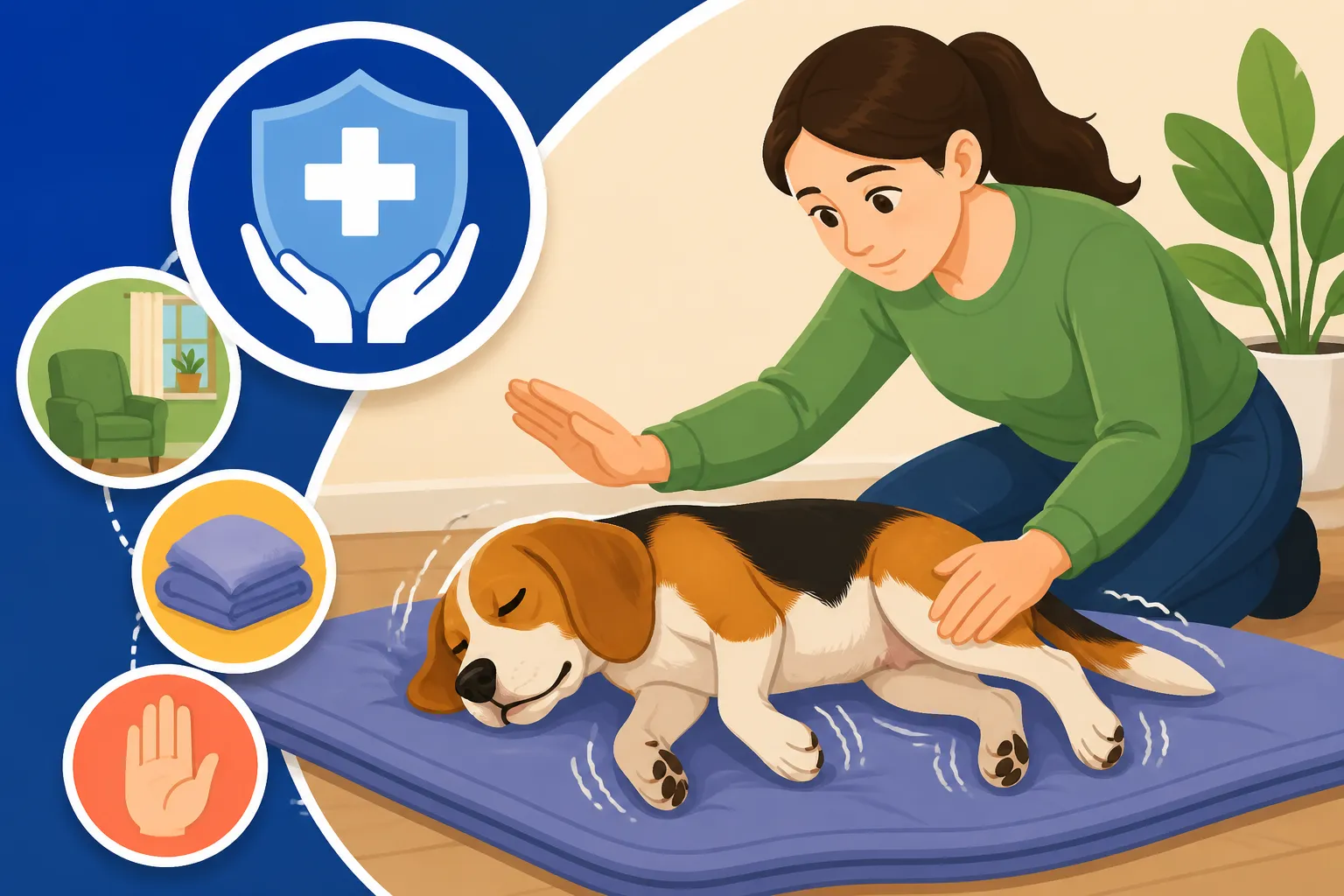
Beagle Seizure First Aid at Home
That moment your beloved Beagle collapses, eyes wide, body convulsing uncontrollably – it’s pure, gut-wrenching terror. Your mind races, you feel helpless, and all you want to do is make it stop. Dealing with a Beagle seizure at home can be incredibly frightening, but knowing how to react in those crucial moments can make all the difference for your furry family member. This guide is here to equip you with the essential first aid steps to take, helping you navigate the immediate aftermath of a seizure with confidence and calm.
Understanding What a Seizure Looks Like in Your Beagle
The first step in providing effective first aid is recognizing what you're up against. A seizure isn't just a simple tremor; it's a complex neurological event that can manifest in various ways. While all seizures are alarming, understanding the different phases and what constitutes a true seizure will help you respond appropriately and avoid unnecessary panic. It’s a lot to take in when your Beagle is in distress, but learning these signs beforehand can make the experience feel a little less chaotic.
Recognizing the Stages of a Seizure
Seizures in Beagles, and dogs in general, typically follow a three-stage pattern. Knowing these stages can help you anticipate what’s happening and what to do next.
The pre-ictal phase, often called the "aura," can be subtle and might even be missed entirely. This stage occurs minutes or even hours before the actual seizure begins. You might notice your Beagle acting unusually clingy, anxious, restless, or seeking extra attention. Some Beagles might pace, whine, or appear disoriented. They might try to hide or look at you with a worried expression. Observing these pre-seizure behaviors can give you a precious few moments to prepare a safe environment for your dog before the more intense part of the seizure hits. It’s a quiet warning before the storm, and recognizing it allows you to get ready.
Next comes the ictal phase, which is the seizure itself. This is the part that most people recognize and find the most distressing. During this phase, your Beagle will typically lose consciousness and experience involuntary muscle contractions. This can look like rigid limbs, paddling motions with all four legs, jaw chomping, excessive drooling, vocalizations like whimpering or howling, and even loss of bladder or bowel control. Some Beagles might simply fall over and stare blankly, a type of seizure often referred to as a "petit mal" or focal seizure, which can be less dramatic but equally serious. The key here is the involuntary nature of these actions; your dog is not aware of what's happening. If you're wondering What a Beagle Seizure Actually Looks Like, it often involves these intense, uncontrolled movements, though the specifics can vary greatly from one dog to another.
Finally, there’s the post-ictal phase, the recovery period immediately following the seizure. This stage can last anywhere from a few minutes to several hours, or even days in severe cases. Your Beagle will likely be disoriented, confused, and may temporarily lose its vision or hearing. They might pace aimlessly, bump into furniture, appear restless, or exhibit extreme hunger or thirst. Some Beagles can even be temporarily aggressive or fearful due to their confusion, so it's important to approach them gently. This is a time for quiet comfort and observation, allowing their brain to slowly reset after the intense electrical storm it just experienced. It’s a period of vulnerability where your calm presence is paramount.
Differentiating Seizures from Other Episodes
It's natural to jump to conclusions when your Beagle exhibits strange behavior, especially if you're already worried about their health. However, not every odd episode is a seizure. Sometimes, other conditions can mimic seizure-like symptoms, leading to understandable confusion and fear. Being able to differentiate can save you a frantic, potentially unnecessary emergency vet trip, although when in doubt, it’s always better to consult your veterinarian.
One common misidentification is distinguishing seizures from muscle tremors or shivering. Your Beagle might shiver from cold, fear, excitement, or even pain. Unlike a seizure, these tremors typically occur while the dog is fully conscious and responsive to your voice or touch. If you call your Beagle's name and they look at you, or if they stop trembling when you comfort them, it's likely not a seizure. Similarly, older Beagles might experience tremors in their legs or head, which are often age-related and not true seizures. The key difference is that during a seizure, there is a distinct loss of awareness and consciousness.
Another condition that can sometimes be confused with a seizure is syncope, or fainting. This happens when there's a temporary lack of blood flow to the brain, causing a brief loss of consciousness. Beagles prone to certain heart conditions, such as some forms of Beagle Heart Disease and Murmurs, might be more susceptible to syncope. Unlike a seizure, which often involves stiffening and paddling, a dog experiencing syncope usually just collapses limply and recovers very quickly, often within seconds, without the extended post-ictal disorientation seen after a seizure. They often appear to "wake up" quickly and return to normal almost immediately. Observing the nature of the collapse and the recovery time can help your vet differentiate these two concerning events.
Immediate Steps During a Beagle Seizure
When a seizure strikes, panic is a natural reaction. Your beloved Beagle is completely vulnerable, and the sight can be horrifying. However, maintaining your composure as much as possible is critical, as your immediate actions can directly impact your dog's safety during and immediately after the event. Remember, your Beagle isn't in pain during the seizure itself, as they are unconscious, but they are certainly at risk of accidental injury.
Prioritizing Safety for Your Beagle and Yourself
Your top priority during a seizure is to prevent injury to your Beagle and, secondarily, to yourself. Seizing dogs move violently and erratically, and they can inadvertently hurt themselves by hitting objects. Begin by calmly moving any furniture or sharp objects away from your dog's immediate vicinity. Clear the area around them to create a soft, safe perimeter. This might mean gently pushing a chair away or tossing a blanket over a hard coffee table corner. If your Beagle is seizing on a hard surface, you can try to slide a blanket or pillow underneath their head to prevent head trauma, but do so very carefully and without putting your hands too close to their mouth.
A crucial piece of advice, often repeated but easily forgotten in the moment of panic, is never put your hands near your Beagle's mouth. Dogs do not "swallow their tongue" during a seizure, and attempting to clear their airway or hold their tongue can result in a severe bite, even from the most gentle Beagle, because they are entirely unconscious and have no control over their jaw muscles. Similarly, do not attempt to hold or restrain your Beagle during a seizure. This can actually cause them more harm, leading to muscle strains, dislocations, or even fractures from fighting against your hold. Let them move through the seizure naturally, focusing solely on protecting them from external harm. Just be a silent, protective guardian in that intense moment.
Timing the Seizure and Observing Key Details
Once the immediate safety of your Beagle is addressed, your next crucial task is to observe and record. This might seem impossible when your heart is pounding, but the information you gather during and immediately after the seizure is invaluable for your veterinarian in diagnosing the cause and formulating a treatment plan. Try to note the exact time the seizure begins and ends. Use a stopwatch if you have one on your phone, or simply look at a clock. The duration of the seizure is one of the most important pieces of information your vet will need, especially to determine if it's an emergency.
While timing, try your best to observe and remember specific details about the seizure activity. Did all four legs paddle, or just one side? Did your Beagle vocalize, whimper, or howl? Was there excessive drooling, foaming at the mouth, or frothing? Did they lose control of their bladder or bowels? What was the appearance of their eyes – rolling back, wide open, fixed? All these details, no matter how small they seem to you in the moment, paint a clearer picture for the vet. If possible and safe, you can even take a short video with your phone from a safe distance, as this visual information can be incredibly helpful for your vet to accurately assess the type of seizure. After the episode, it's wise to start Keeping a Seizure Diary for Your Beagle to meticulously log all these occurrences, creating a comprehensive history that will aid in their ongoing care.
Post-Seizure Care and Comfort Measures
The seizure itself is often brief, but the aftermath, known as the post-ictal phase, can be extended and just as disorienting for your Beagle. This is when your gentle care and comforting presence become most important. Your dog will be coming out of a profound neurological event, and they need a safe, quiet space to recover without further stress or confusion.
Guiding Your Beagle Through the Post-Ictal Phase
After a seizure, your Beagle will be confused and disoriented. They might not immediately recognize you or their surroundings, which can be frightening for them. It's common for Beagles to appear temporarily blind, bumping into objects, or deaf, not responding to their name. They might pace frantically, circle, or seem extremely restless. Sometimes, they will exhibit excessive hunger or thirst, often gulping down water or trying to eat anything they can find. This is a common symptom of the post-ictal phase and is usually not a sign that they are starving. Gently guide them away from potential hazards, offering a calm and reassuring voice. Avoid sudden movements or loud noises that could startle them further.
It’s crucial to understand that during this recovery period, your Beagle might not act like themselves. They could be temporarily aggressive, not out of malice, but purely out of confusion and fear. Approach them slowly, speak softly, and let them come to you when they are ready. Offer a small amount of water if they seem thirsty, and once they are more alert, a small, bland meal can sometimes help them feel more grounded. Do not force them to eat or drink. The goal is to provide a sense of security and allow their brain to slowly recalibrate. Remember that this phase is temporary, and with time and patience, your Beagle will usually return to their normal self. This recovery time is part of Living Day to Day With an Epileptic Beagle, and understanding it helps you manage expectations and provide the best support.
Creating a Calm and Safe Recovery Environment
The best thing you can do for your Beagle during the post-ictal phase is to provide a quiet, dark, and safe space for them to rest and recover. Loud noises, bright lights, or too much activity can overwhelm their senses and prolong their disorientation. If possible, move them to a familiar, comfortable spot, like their crate or a quiet room, away from other pets or children. Drape a blanket over their crate to create a den-like atmosphere, reducing external stimuli.
Once they are settled, just be present. Sit quietly nearby, offering gentle words of reassurance. Softly stroking their fur, if they allow it and seem to find it comforting, can help them feel safe. Monitor their breathing and general demeanor. This recovery period is essentially a time for their brain to reset. Resist the urge to constantly check on them or engage them in play. Allowing them uninterrupted rest is key to their full recovery. Make sure they have easy access to water if they get thirsty. This thoughtful care during the post-ictal period helps minimize stress and aids in a smoother return to their usual self.
When to Seek Emergency Veterinary Care
While most seizures, especially if they are isolated and brief, are not immediately life-threatening, there are critical situations where waiting is not an option. Knowing these warning signs can be the difference between a swift recovery and a more serious outcome for your Beagle. It's often difficult to judge the severity in the moment, but certain scenarios absolutely warrant an emergency call or visit to your veterinarian.
Identifying Red Flags for an Emergency
Several situations demand immediate veterinary attention, and recognizing these "red flags" is paramount. The most critical is a seizure that lasts longer than five minutes. This is a medical emergency known as status epilepticus, and it can cause brain damage, overheating, and other serious complications if not stopped quickly. If your Beagle's seizure is still ongoing after five minutes, contact your emergency vet immediately while you are already en route. They might advise you on specific first aid measures or guide you on the fastest way to get your dog to the clinic.
Another significant concern is when your Beagle experiences multiple seizures in a short period without regaining full consciousness in between. This is known as "cluster seizures." While often not as immediately life-threatening as status epilepticus, cluster seizures indicate a more severe underlying issue and can quickly lead to exhaustion and further complications. If your Beagle has had more than one seizure within a 24-hour period, especially if they are not fully recovering in between, it’s time for an emergency vet visit. For more information, you can read about Cluster Seizures in a Beagle and What They Mean. Any seizure occurring after a head injury or exposure to a known toxin also warrants immediate emergency care, as these could indicate swelling in the brain or severe systemic poisoning. Knowing When a Beagle Seizure Becomes an Emergency is vital for all Beagle owners.
Preparing for a Vet Visit After a Seizure
If your Beagle has experienced an emergency seizure scenario, or even a single seizure that leaves you concerned, preparing for your vet visit can expedite care. First, call the veterinary clinic or emergency hospital while you are preparing to leave. Alert them that you are coming and briefly describe your Beagle's condition. This allows them to prepare for your arrival and ensure staff are ready to assist immediately.
When transporting your Beagle, handle them gently. They may still be disoriented, so a secure carrier or a comfortable blanket in the car is essential. Bring any notes you made about the seizure, including the start and end times, a description of the movements, and any behaviors you noticed before or after. If you managed to take a video, bring that along too. This detailed information will be incredibly helpful for the vet. It's also a good idea to have information about any medications your Beagle is currently taking, their last meal, and any potential exposure to toxins. Remember that veterinary emergencies can be costly, and having pet insurance, such as a plan from Healthy Paws, can provide significant peace of mind during these stressful times, ensuring you can focus on your Beagle's health without added financial worry.
Long-Term Management and Preventative Measures
While the immediate first aid steps are crucial, managing seizures in your Beagle is often a long-term commitment that involves working closely with your veterinarian. Epilepsy, a common cause of seizures in Beagles, is a chronic condition that requires ongoing care. Understanding the broader picture of treatment and prevention will help you provide the best possible quality of life for your furry companion.
Working with Your Veterinarian on a Treatment Plan
After your Beagle experiences a seizure, especially if it's their first one or if they've had multiple, your vet will want to conduct a thorough examination and potentially run several diagnostic tests. These tests might include blood work to check organ function, rule out metabolic causes, or screen for infections. They may also suggest advanced imaging like an MRI to look for structural abnormalities in the brain. Beagle Epilepsy and Seizures From Six Months On often indicates idiopathic epilepsy, where no underlying cause can be found, but it's important to rule out treatable conditions first. Your vet might also want to do a thyroid panel, as sometimes Beagle Hypothyroidism and the Weight It Puts On can contribute to other health issues that might predispose a dog to seizures, though it's not a primary cause itself.
If a diagnosis of epilepsy is made, your veterinarian will discuss a treatment plan, which most often involves anti-seizure medication. The goal of medication is not always to stop seizures entirely, but to reduce their frequency, severity, and duration. Common medications include phenobarbital or potassium bromide. It’s important to understand that finding the right medication and dosage can be a process of trial and error, requiring regular blood tests to monitor drug levels and potential side effects. You can learn more about specific medications like Phenobarbital for a Beagle With Epilepsy. Consistency is key with these medications; missing doses can trigger more seizures. Throughout this process, having comprehensive pet insurance like Healthy Paws can be a huge help, as diagnostic tests, consultations, and ongoing medication costs can add up, providing coverage that allows you to pursue the best care options.
Identifying and Minimizing Potential Triggers
While many seizures are spontaneous, some Beagles have identifiable triggers that can precipitate an episode. Working with your vet and carefully tracking your Beagle's seizures in a diary can help you identify these patterns. Common triggers can include stress, extreme excitement, changes in routine, certain foods or additives, exposure to chemicals (like some flea/tick products or household cleaners), and even changes in barometric pressure. Loud noises, like fireworks or thunderstorms, can also be a trigger for some sensitive Beagles. You can find more specific examples in The Seizure Triggers Beagle Owners Report Most.
Once potential triggers are identified, you can take steps to minimize your Beagle's exposure. For stress-related triggers, creating a predictable routine, providing a calm environment, and ensuring adequate exercise and mental stimulation can help. If food sensitivities are suspected, your vet might recommend an elimination diet. Always supervise your Beagle, especially outdoors, to prevent them from ingesting unknown substances. If you use pest control products, always choose veterinarian-recommended options. While you can't eliminate all triggers, being proactive in managing them can significantly contribute to reducing seizure frequency and improving your Beagle's overall well-being. This preventative mindset is a huge part of living with a seizing Beagle.
Beagle Seizure First Aid Summary
Here's a quick overview of what to do during each stage of a seizure to provide the best first aid for your Beagle:
| Seizure Stage | Description | Your Role in First Aid |
|---|---|---|
| Pre-Ictal (Aura) | Subtle behavioral changes: restlessness, anxiety, seeking owner, clinginess, pacing. | Observe carefully, remain calm, prepare a safe, quiet space. |
| Ictal (Actual Seizure) | Loss of consciousness, involuntary muscle contractions (paddling, rigid limbs), drooling, vocalization, urination/defecation. | Protect from injury: move hazards away. Time the seizure. DO NOT restrain or put hands in mouth. |
| Post-Ictal | Disorientation, temporary blindness/deafness, pacing, extreme hunger/thirst, confusion, temporary aggression. | Offer calm reassurance, guide gently to a quiet, dark recovery space. Offer water, then small bland meal if alert and settled. Avoid loud noises or sudden movements. |
Disclaimer
This article is intended for informational purposes only and does not constitute veterinary advice. Always consult with a qualified veterinarian for any health concerns or before making any decisions about your Beagle's medical care. In case of an emergency, contact your nearest veterinary emergency clinic immediately.