What a Beagle Puppy Weighs at Eight Weeks
Bringing home an eight-week-old Beagle puppy is one of the most exciting, yet slightly nerve-wracking, moments for any new dog parent. You're probably gazing at that tiny bundle of floppy ears and clumsy paws, wondering if they're growing just right, especially when it comes to their size. Many first-time owners worry about whether their little pup is gaining enough, or perhaps too much, weight. This guide will walk you through what to expect when your Beagle puppy hits that important eight-week mark, helping you understand healthy development and when it might be time to chat with your vet.
The Eight-Week Benchmark: What to Expect
When you bring your Beagle puppy home around eight weeks old, one of the first things you'll likely notice (besides those adorable wrinkles and boundless energy!) is their size. It's perfectly natural to wonder if they're on track developmentally, and their weight is a significant indicator. This isn't just about fitting them into a cute new harness; it’s about ensuring they’ve had a healthy start to life and are ready to tackle the big world with you.
Average Weight Ranges for Eight-Week-Old Beagles
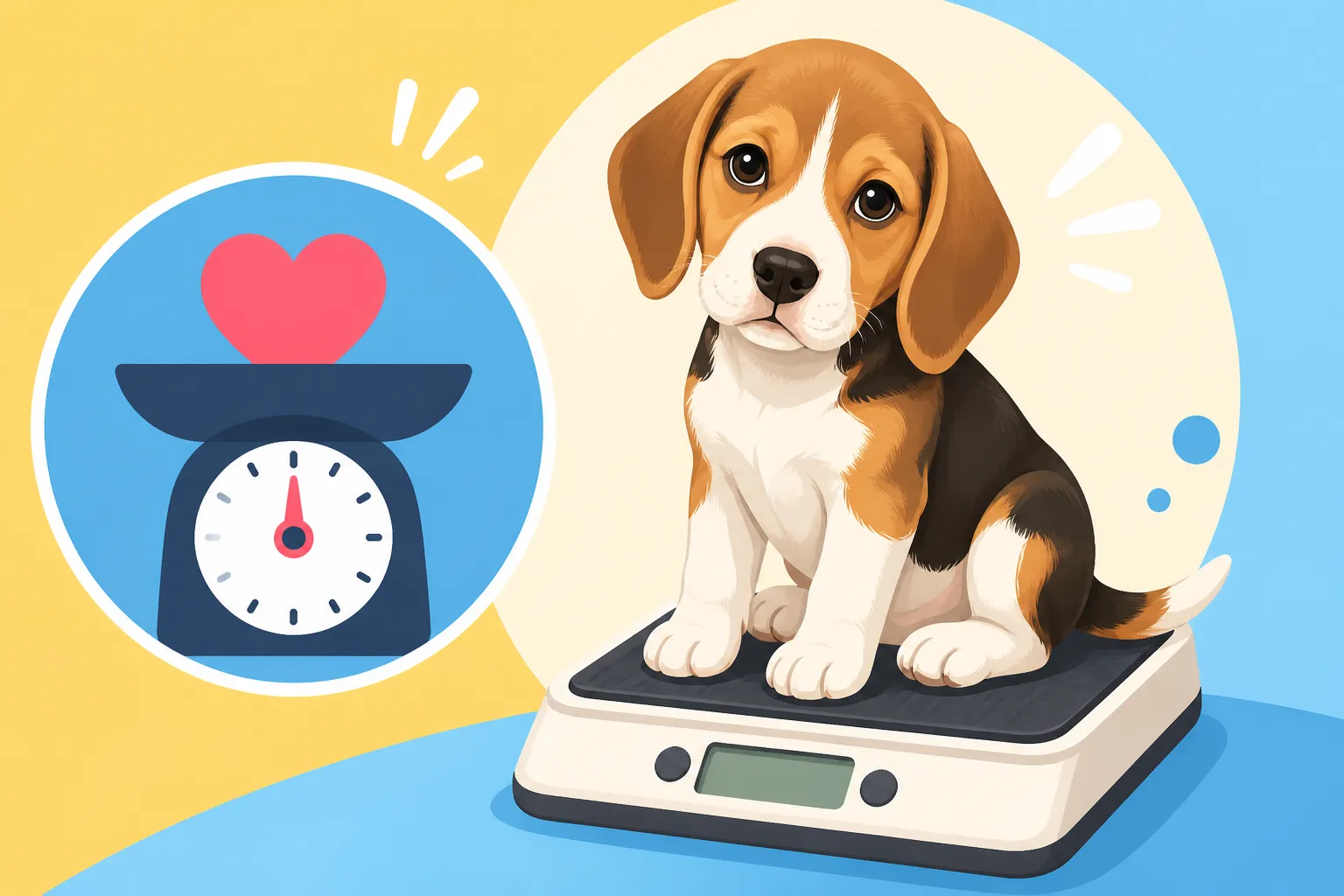
At eight weeks old, Beagle puppies are still quite small, but their weight can vary a bit depending on their parentage and whether they're from the 13-inch or 15-inch variety line. Generally speaking, a healthy eight-week-old Beagle puppy typically weighs somewhere between 5 to 10 pounds. This is a broad range, of course, and it's important to remember that puppies, just like human babies, grow at their own pace.
A smaller puppy from the 13-inch variety might be on the lower end, perhaps around 5-7 pounds, while a robust 15-inch variety pup could easily hit 8-10 pounds. What's more important than hitting an exact number is that your puppy is bright, active, and has a good appetite. When you first bring your puppy home from a reputable breeder, they should provide you with information about the puppy's parents' sizes and a general idea of what to expect. This early weight is merely a snapshot, a foundational number that will change rapidly in the coming weeks and months. Knowing What a Beagle Puppy Weighs at Eight Weeks is a great starting point, but it's the consistent, healthy growth that really counts.
Factors Influencing Puppy Weight at Eight Weeks
Several things can influence how much your Beagle puppy weighs when they're around two months old. It’s not just about what they ate the day before you picked them up. Genetics play a huge role, naturally, with larger parents often producing larger offspring. The sex of the puppy can also make a slight difference, with males sometimes being a tad heavier than females at this age, though this isn't a hard and fast rule.
Beyond genetics, the quality of care and nutrition the puppy received from birth is paramount. Was the mother dog healthy and well-fed? Did the litter have access to adequate nutrition? Puppies from larger litters might initially be a bit smaller if there was more competition for the mother's milk. The weaning process also plays a part; a puppy fully transitioned to a high-quality puppy food at eight weeks should show good, steady growth. It's a complex interplay of nature and nurture, all contributing to that initial weight you see on the scale. For a comprehensive look at their developmental journey, A Beagle Puppy Growth Chart by Week can be a helpful tool, though always remember it's a general guideline.
Why Eight Weeks Is a Critical Weigh-In Point
Eight weeks old is often when puppies transition from the breeder or rescue environment to their new forever homes. This period marks a significant shift in their lives, moving from their littermates and mother to a new family and routine. Their weight at this point isn't just a number; it's a window into their early health, development, and readiness for this big change. It's a key milestone that sets the stage for their continued growth and well-being.
Health and Development Milestones at Eight Weeks
At eight weeks, Beagle puppies are hitting several key developmental milestones. Their eyes and ears are fully open and functional, they're typically walking, running, and playing with increasing coordination, and their milk teeth are usually all in, meaning they're ready to start crunching solid puppy food. Their personalities are really starting to emerge, showing flashes of that characteristic Beagle curiosity and determination. This is also often when they receive their first round of vaccinations and deworming treatments, ensuring they're protected as they begin exploring their new world.
A healthy weight at this stage usually indicates that the puppy has been thriving nutrily and developmentally. They should be active, curious, and have a healthy appetite. Being able to easily feel their ribs but not see them prominently, coupled with a visible waistline when viewed from above, are good signs. This is also a crucial time for continued socialization, introducing them to new sights, sounds, and experiences in a positive way to help them grow into confident adult dogs. You'll want to ensure your puppy is eating enough to fuel all this growth and exploration. For guidance on feeding, you can refer to Beagle Puppy Meal Frequency Month by Month.
What Underweight or Overweight Might Indicate
While the 5-10 pound range is a good general guideline, falling outside of it doesn't automatically spell disaster, but it does warrant closer attention. An eight-week-old Beagle puppy that is significantly underweight might be cause for concern. It could indicate issues like internal parasites, inadequate nutrition during their critical early weeks, or even an underlying health problem. Parasites, in particular, are common in puppies and can steal vital nutrients, leading to a failure to thrive. If your puppy feels bony, lethargic, or has a dull coat, it’s definitely time for a vet visit.
Conversely, a puppy that's notably overweight at eight weeks isn't necessarily healthier. While chunky puppies are undeniably cute, excessive weight at such a young age can put undue stress on developing joints and set a precedent for obesity later in life, which can lead to various health problems. It's rare for an eight-week-old to be truly "obese," but a pup that's overly round with no discernible waist might be getting too many calories or not enough appropriate activity. It's always best to aim for a lean, healthy body condition from the start.
Beyond the Scale: Assessing Overall Puppy Health
While the number on the scale offers a quick data point, it's never the whole story. When assessing your eight-week-old Beagle puppy's health, you need to look at the bigger picture. Are they active and playful? Do they have bright, clear eyes? Is their coat shiny? These qualitative observations are just as vital, if not more so, than the precise weight measurement. A happy, energetic puppy who is a pound or two outside the "average" is often healthier than a lethargic puppy who happens to be right on target.
Body Condition Scoring for Young Beagle Puppies
Instead of focusing solely on the number on the scale, veterinarians often use something called a Body Condition Score (BCS) to assess an animal's overall health. This involves feeling your puppy's ribs, spine, and hip bones, as well as observing their waistline and abdominal tuck. For an eight-week-old Beagle puppy, you should be able to easily feel their ribs without seeing them protruding sharply. They should have a noticeable waist when viewed from above, and a slight tuck in their abdomen when viewed from the side. They should not look like a barrel or a stick.
A healthy puppy feels firm and well-muscled, not flabby or bony. Learning to do a simple BCS check at home is an invaluable skill for any dog owner, especially with a breed like the Beagle that has such a strong food drive. It helps you quickly identify if your puppy is gaining too much or too little weight before it becomes a significant issue. This visual and tactile assessment, combined with their behavior and energy levels, gives you a much more accurate picture of their well-being than just their weight in pounds.
When to Consult Your Vet About Puppy Weight
If you have concerns about your eight-week-old Beagle puppy's weight, whether they seem too small, too large, or just "off," your veterinarian is your best resource. Don't hesitate to reach out! A vet can perform a thorough physical examination, check for parasites, and provide tailored advice based on your individual puppy's needs. They can confirm if your puppy is within a healthy range for their age and expected adult size, and rule out any underlying health conditions.
Signs that warrant an immediate vet visit include:
- Significant lethargy or lack of playfulness.
- Persistent diarrhea or vomiting.
- A pot-bellied appearance coupled with thinness elsewhere (a classic sign of worms).
- Visible ribs, spine, or hip bones without having to feel for them.
- Excessive weight gain that seems disproportionate to their frame.
- Any reluctance to eat or drink.
Remember, early intervention is key with puppies. Catching issues early can prevent them from becoming more serious down the line. Your vet can also guide you on appropriate feeding amounts and types of food, especially if your puppy is transitioning from their previous environment. This is a critical time for their development, and professional guidance is always beneficial.
Setting Your Beagle Puppy Up for Healthy Growth
Bringing home a Beagle puppy is the beginning of a wonderful adventure, and ensuring they have a foundation of healthy growth is paramount. From the moment they arrive, you're responsible for nurturing their development, both physically and emotionally. This includes providing the right nutrition, understanding their needs, and establishing good habits from day one. It's all about setting them up for a long, happy, and healthy life as part of your family.
Proper Nutrition for a Growing Beagle Puppy
Proper nutrition is the bedrock of healthy puppy development. Your eight-week-old Beagle needs a high-quality puppy food specifically formulated for growth. These foods contain the right balance of proteins, fats, vitamins, and minerals essential for bone and muscle development, brain function, and a strong immune system. Avoid adult dog food, as it typically doesn't have the higher calorie and nutrient density that a rapidly growing puppy requires. When Bringing a Beagle Puppy Home From a Kennel Litter, be sure to ask the breeder what food they were on and try to stick with it for at least a week or two to avoid digestive upset, then transition slowly if you choose to switch.
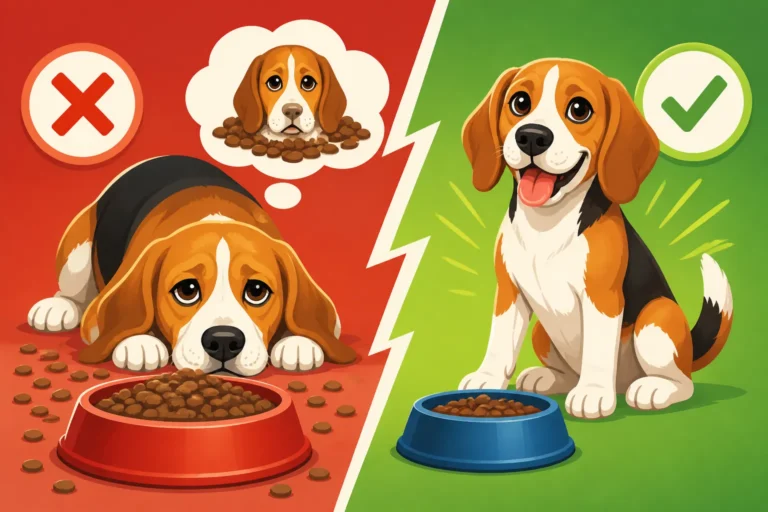
Many excellent brands offer puppy formulas, and you can find them readily available. For instance, reputable online retailers like Chewy offer a wide selection of puppy-specific foods from various brands, making it easy to find one that suits your budget and your puppy's needs. Some owners prefer fresh food options, which companies like Ollie can provide, often tailored to your dog's specific age and weight. Just remember to introduce any new food gradually, mixing it with their old food over several days to prevent stomach upset. Overfeeding can be a risk with Beagles due to their strong food drive, so always measure meals according to the guidelines on the food packaging and your vet's recommendations. For a deeper dive into feeding schedules, check out Beagle Puppy Meal Frequency Month by Month.
The Calorie Drop When a Beagle Leaves Puppy Food
While eight weeks is definitely puppy food territory, it's worth noting for the future that Beagles don't stay on puppy food forever. As they approach their first birthday, or sometimes a bit earlier depending on their growth rate and your vet's advice, they'll transition to an adult formula. This transition is important because puppy foods are very calorie-dense to support rapid growth, and continuing them for too long can lead to unwanted weight gain in an adult Beagle. The calorie needs of a dog often drop significantly once their main growth phase is complete.
This shift in diet is another opportunity to re-evaluate their food intake and ensure they're maintaining a healthy body condition. When you get to that stage, you'll want to carefully consider the calorie content of adult food versus puppy food. Many brands clearly label this information, and resources like Amazon and Chewy often have detailed product descriptions, including caloric information, to help you make informed choices. Keeping an eye on their weight and body condition throughout their life, not just as a puppy, is crucial for preventing conditions like Beagle Obesity and the Diseases It Brings On. Understanding The Month a Beagle Stops Growing Upward can also help you anticipate when this dietary change might be on the horizon.
Early Life Care Beyond Food and Weight
Beyond just their physical size and the food in their bowl, the early weeks of your Beagle's life are foundational for their overall health and behavior. What they experience and learn now will shape the dog they become. This includes preventative healthcare, early training, and plenty of positive socialization. Think of it as investing in their future happiness and yours.
Essential Puppy Vet Visits and Health Checks
Your eight-week-old Beagle puppy is likely just at the beginning of their preventative healthcare journey. They'll need a series of vaccinations to protect them from common and serious canine diseases like distemper, parvovirus, and rabies. They'll also require regular deworming treatments, as most puppies are born with or acquire intestinal parasites early in life. These vet visits are more than just shots; they are opportunities for your veterinarian to perform thorough health checks, listen to their heart and lungs, and ensure everything is developing as it should.
Your vet will also advise you on year-round parasite prevention, covering fleas, ticks, and heartworm. Beagles, with their ground-sniffing habits, are particularly prone to picking up parasites, so consistent prevention is key. These early vet appointments are also your chance to ask any questions you have about their behavior, feeding, or any odd things you've noticed. It's a partnership between you and your vet to ensure your pup gets the best possible start. For those interested in understanding the health screening practices in the breed, a resource like Beagle Health Testing Under CHIC can shed light on breeder responsibilities.
Starting Training and Socialization Young
Eight weeks might seem incredibly young to start "training," but it’s actually the perfect time! While formal obedience classes might come a little later, you can begin foundational training immediately. This includes House Training a Beagle Against Outdoor Distraction and starting Beagle Crate Training a Beagle Bred to Sleep in a Pack. Positive reinforcement, using high-value treats and praise, works wonders with Beagles, especially with their renowned food drive. Basic cues like "sit," "stay," and especially a solid "come" (recall) can be introduced in short, fun sessions.
Perhaps even more critical at this age is socialization. Exposing your puppy to a wide variety of sights, sounds, people, and other friendly, vaccinated dogs in a safe and positive way helps them develop into a well-adjusted, confident adult. Think about short, positive interactions with different surfaces, noises, and even car rides. This early exposure helps prevent fear and anxiety issues later on. Remember that Beagles were originally bred to work in packs, so Socializing a Beagle Puppy for Pack Life is crucial for their mental well-being. Don't forget that Beagle Puppy Nipping and Where It Comes From is also a normal part of their development, and something to gently guide them through.
Disclaimer
This article is for general informational purposes only and does not constitute professional advice. Laws, prices and regulations vary by location and change over time. Consult a qualified professional for guidance on your specific situation.