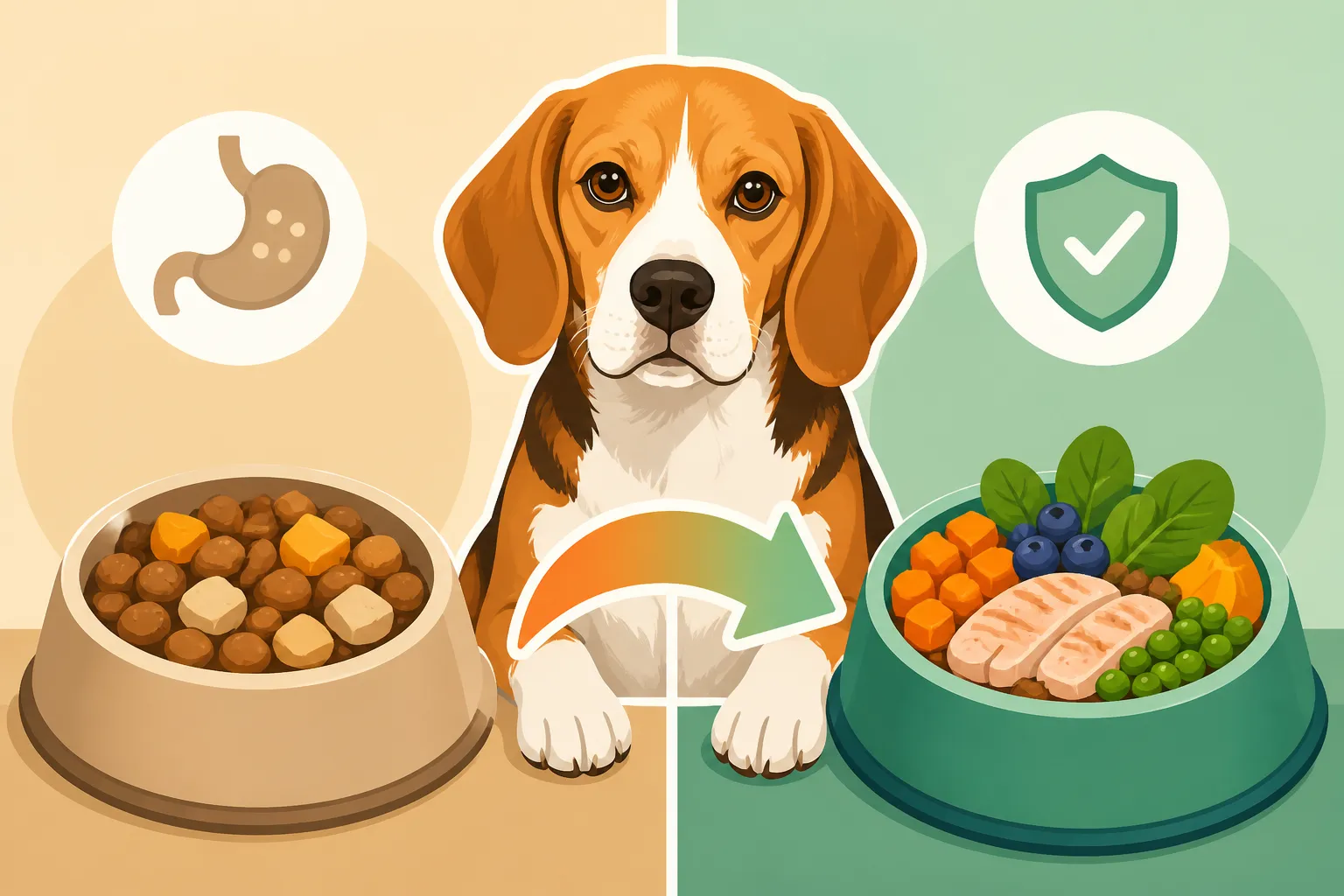
What Changes in a Beagle’s Bowl at Eleven
As your beloved Beagle celebrates its eleventh birthday, you might notice a few subtle shifts in their energy levels, their enthusiasm for walks, or even their weight. This stage marks a significant transition into their senior years, and just like with people, their dietary needs aren't quite the same as when they were bouncing, sniffing puppies or active adults. This comprehensive guide will walk you through the crucial changes in a Beagle's diet at age eleven, helping you ensure your loyal companion continues to thrive with the right nutrition.
The Eleventh Year: A Beagle's Nutritional Crossroads
Reaching eleven years old is a wonderful milestone for any Beagle owner. It means you've shared over a decade of adventures, bays, and boundless sniffs with your best friend. But with this seasoned age comes a natural slowing down, both internally and externally. Their metabolism, which once burned through calories like a furnace, becomes less efficient. Their once-relentless drive to explore every scent trail might be tempered by a desire for more naps on the couch. These physiological changes directly impact what goes into their food bowl, making the eleventh year a critical point to re-evaluate their diet.
It's a bittersweet milestone, isn't it? You cherish every grey hair and slow, deliberate sniff, but you also feel that pang of knowing they're not a young dog anymore. Many owners don't realize that simply feeding the "adult" formula they've always used isn't necessarily serving their senior Beagle best. The goal isn't just to keep them full, but to nourish them in a way that supports their aging body, helps manage emerging health concerns, and maintains their quality of life for as long as possible. Thinking about Senior Beagle Care After the Age of Ten early on can make a world of difference.
Why Age Eleven is a Turning Point
Around age eleven, many Beagles are firmly entrenched in their senior years, even if they still have bursts of youthful exuberance. Their bodies are working harder to maintain basic functions. You might notice they sleep more deeply, take a little longer to get up from a nap, or aren't quite as agile as they once were. Internally, organ function can begin to decline, the immune system might weaken, and their ability to digest and absorb nutrients can change. This isn't a sudden cliff edge, but a gradual shift that makes dietary adjustments vital.
Think of it this way: the fuel requirements for a high-performance sports car are different from a comfortable, long-distance cruiser. Your Beagle, now a seasoned cruiser, needs fuel optimized for longevity and comfort, not just raw power. Ignoring these changes can lead to weight gain, muscle loss, digestive upset, or exacerbate underlying health issues. It's about proactive care, recognizing that their body's demands are evolving and adapting their diet to meet those new needs.
Common Health Shifts in Beagles Around This Age
By eleven, many Beagles may start showing signs of common age-related conditions. Arthritis often begins to manifest, making movement painful. Beagle Hip Dysplasia and Everyday Joint Wear or general wear and tear on joints can become more noticeable. Dental disease is almost universal in older dogs, leading to pain and difficulty eating. Organ functions, particularly kidneys and heart, might begin to show subtle signs of strain. Cognitive decline, akin to canine dementia, can also start to appear, affecting their routine and behavior.
These health challenges aren't just about medication; diet plays a huge supporting role. For example, a diet rich in anti-inflammatory omega-3 fatty acids can help soothe aching joints. Softer foods can be a godsend for a Beagle with painful teeth. Specific formulations can help reduce the workload on aging kidneys or a struggling heart. It’s about creating a holistic approach where their food actively contributes to their well-being, rather than simply being a source of calories.
Key Dietary Shifts for Senior Beagles
When your Beagle hits the eleven-year mark, the nutritional composition of their food bowl should start looking a bit different. It’s not just about less food, but about different food. The aim is to reduce overall caloric intake while ensuring they still receive ample nutrients to support their aging body, fight inflammation, and maintain muscle mass. This balance is key to keeping them spry and comfortable.
Calorie Reduction and Weight Management
One of the most critical changes is often a reduction in overall calories. As Beagles age, their metabolism naturally slows down, and their activity levels typically decrease. If you continue to feed them the same amount of food they ate in their prime, weight gain is almost inevitable. Beagle Obesity and the Diseases It Brings On is a serious concern, as extra weight puts immense strain on aging joints, organs, and can shorten their Beagle Lifespan and the Twelve to Fifteen Year Range.
A simple way to start is by looking for senior-specific dog foods. These formulas are often designed with fewer calories and lower fat content to help prevent weight gain. Even if you stick with their current food, you'll likely need to reduce the portion size. This is where a conversation with your vet about your Beagle’s ideal body condition score and daily calorie needs becomes invaluable. Remember, it's easier to prevent weight gain than to take it off an older dog. Consistent monitoring of their weight at home, perhaps with a pet scale you can find on Amazon, can be very helpful.
Prioritizing High-Quality Protein for Muscle Maintenance
While calorie reduction is important, it's vital not to skimp on protein. In fact, many senior dogs benefit from slightly higher levels of easily digestible, high-quality protein. This might seem counterintuitive if you're thinking "less food," but it's crucial for combating sarcopenia, which is the age-related loss of muscle mass. Without adequate protein, your Beagle's muscles can waste away, leading to weakness, reduced mobility, and a higher risk of injury.
Look for foods where a high-quality animal protein source (like chicken, turkey, lamb, or fish) is listed as the very first ingredient. These proteins provide the essential amino acids necessary for maintaining muscle, supporting organ function, and bolstering their immune system. Some fresh food delivery services, like Ollie, formulate meals with this kind of muscle support in mind, often making it easier for senior dogs to digest. Always check the ingredient list to ensure you're giving them the best fuel for their changing body.
Healthy Fats and Essential Fatty Acids
While overall fat content might be slightly lower in senior diets to control calories, the type of fat becomes even more important. Essential fatty acids, particularly omega-3s, are absolute powerhouses for aging Beagles. They are renowned for their anti-inflammatory properties, which can be incredibly beneficial for dogs suffering from Beagle Arthritis Arriving in Middle Age. These healthy fats also support cognitive function, skin and coat health, and overall immune system strength.
Consider adding a high-quality fish oil supplement to your Beagle's diet, or choose a food that is already fortified with ample omega-3s (look for EPA and DHA). Flaxseed oil is another plant-based option, though fish oil generally provides a more direct source of EPA and DHA. Discuss the appropriate dosage with your vet, as too much of a good thing can sometimes lead to tummy upset. These fatty acids are truly critical for helping your senior Beagle feel their best.
Tailoring Diet to Specific Senior Health Concerns
The beauty of managing a senior Beagle's diet is the opportunity to be incredibly specific. Beyond general age-related changes, many older Beagles will start to develop particular health challenges that can be directly supported, or even managed, through their food choices. This is where your vet becomes your invaluable partner in crafting the perfect nutritional plan.
Supporting Joint Health and Mobility
As mentioned, arthritis is incredibly common in senior Beagles. The wear and tear on their joints over a lifetime of enthusiastic running and sniffing catches up. Beyond pain medication, diet can be a powerful tool for supporting joint health. Look for foods that include natural sources of glucosamine and chondroitin, often found in ingredients like chicken cartilage, green-lipped mussel, or added as supplements.
Beyond these well-known joint supporters, anti-inflammatory ingredients are key. Omega-3 fatty acids (EPA and DHA) are paramount here. Many senior dog foods on the market, readily available from retailers like Chewy, will specifically highlight joint support. You might also consider adding a dedicated joint supplement. The goal is to reduce inflammation and maintain the integrity of their joint cartilage, helping your Beagle move more comfortably and enjoy their walks without as much stiffness.
Kidney and Heart Health Considerations
The kidneys and heart are two vital organs that often show signs of age-related decline. If your Beagle has been diagnosed with early kidney disease (common in older dogs, see Kidney Disease in an Old Beagle) or heart conditions (like the murmurs discussed in Beagle Heart Disease and Murmurs), their diet will need specific adjustments.
For kidney issues, vets often recommend diets that are lower in phosphorus and controlled in protein. The protein should still be high-quality, but in a quantity that doesn't put undue strain on the kidneys. These diets also tend to have carefully balanced sodium levels. For heart conditions, sodium restriction is often the primary dietary concern to help manage blood pressure and fluid retention. Your vet might prescribe a therapeutic diet specifically formulated for these conditions. Never try to create such a diet yourself, as the balance of nutrients is complex and critical for managing these serious health issues.
Dental Health Challenges
By the age of eleven, it's sadly common for Beagles to have significant dental issues, including tartar buildup, gum disease, and even painful extractions (which you can learn more about in Beagle Dental Disease and Tartar Buildup and Beagle Tooth Extractions in Old Age). These problems can make eating dry kibble uncomfortable or even impossible. A Beagle with a sore mouth might be reluctant to eat, leading to weight loss and nutritional deficiencies.
If your Beagle is struggling with chewing, consider switching to a softer food texture. This could be canned wet food, rehydrated freeze-dried food, or even softening their kibble with warm water or broth before serving. Dental chews designed for senior dogs, which are often softer and more pliable, can also help if your vet approves and they are still able to chew comfortably. Regular dental check-ups are paramount, as good oral hygiene directly impacts their ability to eat and their overall health.
Practical Approaches to Feeding Your Aging Beagle
Making dietary changes can feel daunting, but with a few practical adjustments, you can smoothly transition your Beagle to a senior-friendly routine. It’s not just about what they eat, but how and when they eat it.
Choosing the Right Food Format
You have a few options when it comes to the format of your senior Beagle's food:
- Senior-Specific Dry Kibble: This is often the easiest transition. Many reputable brands offer formulas tailored for older dogs, with adjusted calorie, protein, and fat levels, plus added supplements like glucosamine. Look for brands on Chewy or your local pet store that specifically market to senior needs.
- Wet Food: Canned wet food is highly palatable and easy to chew, making it an excellent choice for Beagles with dental problems or a decreased appetite. It also provides extra hydration, which can be beneficial for aging kidneys.
- Fresh Food or Gently Cooked Diets: Services like Ollie deliver freshly prepared, human-grade meals that can be very appealing to senior Beagles. These often contain high-quality, easily digestible ingredients and can be tailored to specific needs. However, they can be more expensive.
- Homemade Diets: If you're considering a homemade diet, it is essential to work with a veterinary nutritionist to ensure it is nutritionally complete and balanced for a senior Beagle. Without expert guidance, homemade diets can easily lead to nutrient deficiencies or excesses.
No matter the format, ensure any new food is introduced gradually over 7-10 days to prevent digestive upset. Start by mixing a small amount of the new food with their old food, slowly increasing the new food while decreasing the old.
Meal Frequency and Hydration
Instead of one or two large meals a day, some senior Beagles benefit from smaller, more frequent meals. This can be easier on their digestive system and help prevent spikes in blood sugar. Three smaller meals spread throughout the day might be ideal.
Hydration is also critical. Older dogs, especially those with kidney issues, need to drink plenty of water. Ensure fresh water is always available in multiple locations, and consider adding water to their dry kibble or offering low-sodium broths. If you notice Appetite Changes in an Old Beagle or a sudden decrease in water intake, it's time for a vet visit. You can also get creative with water fountains (available on Amazon) or adding ice cubes to their bowl to encourage drinking.
Incorporating Supplements and Medications
Your senior Beagle may be on medications for various conditions, and supplements like those for Diet Support for a Beagle Back That Has Aged are often recommended. Hiding pills can be a challenge with a clever Beagle! Pill pockets, a spoonful of wet food, peanut butter (ensure it's xylitol-free!), or even a small piece of cheese can work wonders.
When it comes to supplements, ensure they are specifically formulated for dogs and discuss them with your vet before adding them to your Beagle's routine. Common supplements for senior Beagles include:
- Joint Support: Glucosamine, chondroitin, MSM.
- Omega-3 Fatty Acids: Fish oil for anti-inflammatory benefits and cognitive health.
- Probiotics: For digestive health, especially if they have sensitive stomachs.
- Antioxidants: Vitamins E and C, and other ingredients to combat cellular aging.
A good senior diet should ideally provide many of these nutrients already, but supplements can offer an extra boost where needed.
The Ongoing Partnership with Your Vet and Your Beagle
Changing your Beagle’s diet at age eleven isn't a one-and-done event. It's an ongoing process that requires careful observation, regular veterinary guidance, and a willingness to adapt as your Beagle's needs continue to evolve.
Regular Veterinary Check-ups
The importance of regular vet visits cannot be overstated for senior Beagles. Beagle Vet Visit Frequency After the Age of Ten often increases to twice a year. These check-ups are crucial for monitoring their overall health, catching potential issues early, and reviewing their diet. Your vet can assess their weight, body condition score, listen to their heart, check their joints, and run blood work to evaluate organ function.
Based on these findings, your vet can recommend specific dietary adjustments or even prescribe therapeutic diets if conditions like kidney disease or heart failure are diagnosed. They can also help you calculate the precise caloric intake your Beagle needs to maintain a healthy weight without becoming deficient in essential nutrients. This partnership is the cornerstone of effective senior Beagle care.
Observing Your Beagle's Response
You are your Beagle's best advocate. After making dietary changes, pay close attention to how they respond. Look for:
- Energy Levels: Are they more active or less sluggish?
- Coat Condition: Is their coat shiny and healthy, or dull and dry?
- Stool Quality: Are their stools firm and consistent, or are they experiencing diarrhea or constipation?
- Appetite: Are they eating enthusiastically, or have they become picky?
- Weight: Are they maintaining a healthy weight, gaining, or losing?
- Mobility: Do they seem more comfortable moving around, or are they still stiff?
Keep a journal of these observations. This information will be incredibly valuable to your vet during check-ups and can help fine-tune their diet. If you notice any drastic changes or concerning symptoms, don't hesitate to call your vet.
Dealing with Picky Eaters or Decreased Appetite
Some senior Beagles might become picky eaters or experience a decrease in appetite. This can be frustrating, especially when you know they need their nutrients. Here are some tips:
- Warm it Up: Gently warm wet food or kibble moistened with broth to enhance its aroma and palatability.
- Add Toppers: A small amount of low-sodium chicken broth, a spoonful of plain canned pumpkin, or a little bit of cooked lean meat (like chicken breast) can entice them to eat.
- Smaller, More Frequent Meals: As mentioned earlier, this can be less overwhelming than a large bowl of food.
- Rule Out Medical Issues: A sudden or persistent decrease in appetite always warrants a vet visit, as it can be a sign of underlying dental pain, illness, or other health problems. Issues like Feeding a Fourteen Year Old Beagle With Few Teeth are a real concern.
- Puzzle Feeders: While Beagles are notoriously food-motivated, some senior dogs might still enjoy the mental stimulation of a puzzle feeder, making mealtime a fun activity.
Remember, the goal is to keep your senior Beagle happy, healthy, and comfortable. Adjusting their diet at age eleven is a significant step in achieving that, ensuring they get the tailored nutrition they need for their golden years.
Disclaimer
This article is for general informational purposes only and does not constitute professional advice. Laws, prices and regulations vary by location and change over time. Consult a qualified professional for guidance on your specific situation.