Joint Supplements That Help an Aging Beagle
It's incredibly tough to watch our spirited Beagles start slowing down, isn't it? One day they're bounding after a scent, and the next they're hesitating before jumping on the couch or struggling a bit after a long walk. This guide is here to help you understand how joint supplements can be a vital part of supporting your aging Beagle's comfort and mobility, helping them enjoy their golden years with less pain and more joy.
Understanding Joint Issues in Aging Beagles
As our beloved Beagles age, just like us, their bodies start to experience wear and tear. Their joints, which have supported countless adventures, enthusiastic tail wags, and relentless sniffing expeditions, become more susceptible to stiffness and discomfort. It's a natural part of aging, but that doesn't mean we can't do things to ease their journey.
The Natural Wear and Tear on Beagle Joints
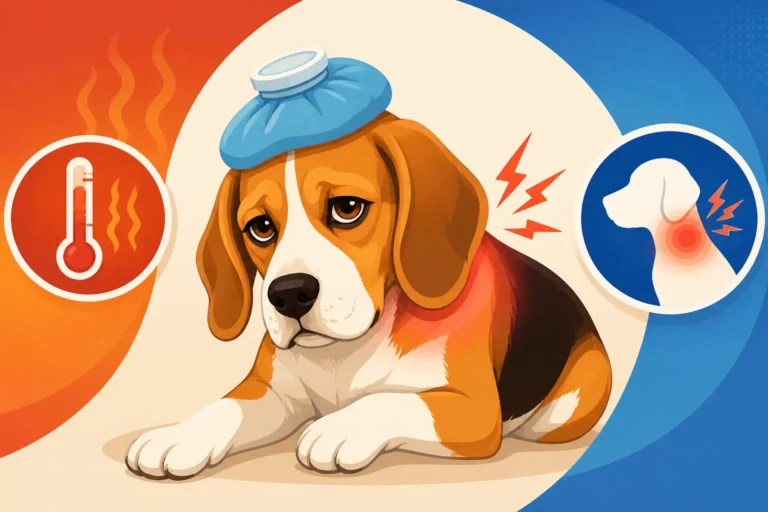
Think about all the running, jumping, and sudden stops your Beagle has done over the years. That constant motion, combined with their active, low-to-the-ground build, puts a significant amount of stress on their joints, especially the hips, elbows, and knees. Over time, the smooth cartilage that cushions these joints can begin to thin and break down. This natural process leads to increased friction, inflammation, and ultimately, pain.
While aging is the primary factor, Beagles can also be predisposed to certain genetic conditions that exacerbate joint problems. For instance, while less common than in larger breeds, some Beagles can develop Beagle Hip Dysplasia and Everyday Joint Wear, where the hip joint doesn't form correctly, leading to early onset arthritis. Even the everyday impacts of their energetic nature, like twisting and turning while tracking a scent, can contribute to cumulative stress. This kind of persistent stress often manifests as Beagle Arthritis Arriving in Middle Age, making their movements stiff and less fluid. It’s not just the big jumps that cause issues; it’s the thousands of small movements over a lifetime.
Recognizing the Subtle Signs of Joint Pain
Our Beagles are famously stoic, and they often try to hide their pain, a remnant of their wild ancestors who wouldn't show weakness. This means we, as their dedicated owners, need to be hyper-aware of subtle changes in their behavior and movement. It’s not usually a sudden limp, but a gradual shift that can be easy to miss if you’re not looking closely.
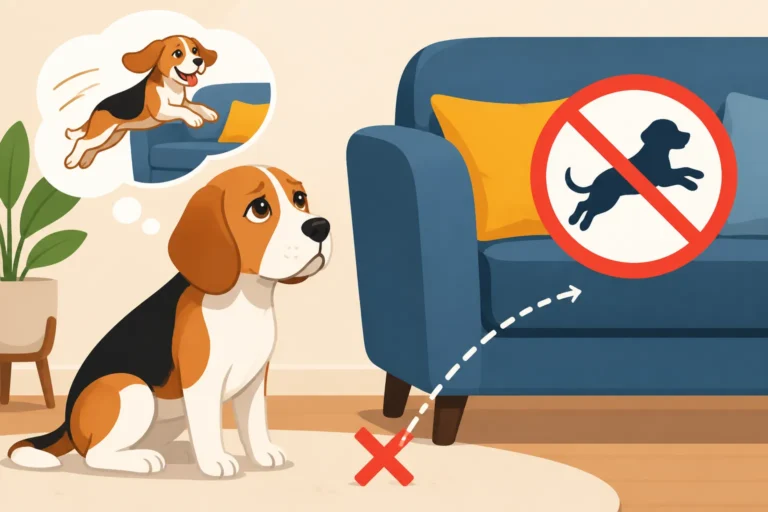
You might notice your Beagle is slower to get up after napping, or they might be reluctant to go up or down stairs, or even just avoid jumping onto the bed or couch that they used to leap onto without a second thought. A change in their gait, like a slight stiffness in their hind legs or a reluctance to extend their full stride during walks, can also be a tell-tale sign. Sometimes, they might even seem less enthusiastic about walks or play sessions, preferring to just nap. You might observe them licking or chewing at a particular joint more often, or even notice a slight lameness that comes and goes. A Beagle That Suddenly Will Not Jump on the Couch is a huge red flag, as is Hind Leg Weakness in a Middle-Aged Beagle. Their once-wagging tail might be held a bit lower, or their overall demeanor might seem a little less "merry," which is a big deal for such a typically joyful breed. If you gently palpate their legs, you might even feel warmth or notice swelling around certain joints, or they might flinch when you touch a sensitive area. These are all subtle hints that their joints might be bothering them and warrant a closer look.
Common Joint Supplements and How They Work
When it comes to supporting our Beagles' joint health, a variety of supplements are available, each working in slightly different ways to reduce inflammation, protect cartilage, and improve mobility. It's not about finding a magic bullet, but rather a combination that works best for your individual dog.
Glucosamine and Chondroitin
These two are often considered the "dynamic duo" of joint health, and you'll find them together in most quality joint supplements. Glucosamine is an amino sugar that plays a crucial role in building and repairing cartilage. Think of it as a building block for healthy joint tissue. As Beagles age, their natural production of glucosamine can decrease, leading to less resilient cartilage. Supplementing with glucosamine helps provide the necessary ingredients for the body to maintain and, to some extent, repair the cartilage that cushions their joints.
Chondroitin sulfate, on the other hand, works to inhibit the enzymes that break down cartilage in the first place, while also promoting water retention within the cartilage. This extra hydration helps keep the cartilage spongy and elastic, allowing it to better absorb shock. Chondroitin essentially acts like a protective shield and a moisturizer for the joint, working in tandem with glucosamine to maintain the integrity of the cartilage. Both are typically derived from shellfish (like shrimp and crab) or bovine cartilage, and they've been extensively studied for their effectiveness in both humans and animals.
MSM Methylsulfonylmethane
MSM, or methylsulfonylmethane, is another popular ingredient often found alongside glucosamine and chondroitin. It's a naturally occurring sulfur compound that is widely recognized for its anti-inflammatory and pain-relieving properties. When joints are inflamed, it causes discomfort and further breakdown of tissue. MSM helps to reduce this inflammation, which in turn can significantly alleviate pain and stiffness.
Beyond inflammation reduction, MSM also supports the health of connective tissues like ligaments and tendons, which are vital for joint stability. It's thought to improve blood flow and reduce muscle spasms, contributing to a more comfortable range of motion for your Beagle. By addressing the inflammatory aspect, MSM helps create a more favorable environment for the cartilage to heal and function optimally. Many owners report a noticeable improvement in their Beagle's overall comfort and willingness to move when MSM is included in their joint supplement regimen.
Omega-3 Fatty Acids
While glucosamine, chondroitin, and MSM focus heavily on cartilage and direct anti-inflammatory action, Omega-3 fatty acids offer a broader, systemic approach to reducing inflammation throughout the body. The most beneficial Omega-3s for dogs are EPA (eicosapentaenoic acid) and DHA (docosahexaenoic acid), primarily found in fish oil.
These fatty acids work by modulating the body's inflammatory response. They can help reduce the production of inflammatory chemicals, effectively cooling down the "fire" in arthritic joints. This isn't just about pain relief; chronic inflammation can further damage joint tissues, so reducing it is key to long-term joint health. Beyond joint benefits, Omega-3s also support a healthy coat and skin, cognitive function, and cardiovascular health – all crucial for an aging Beagle. When choosing an Omega-3 supplement, look for one that is high in EPA and DHA, and ensure it's tested for purity and free from heavy metals.
Other Beneficial Ingredients
Beyond the core trio, several other ingredients are gaining traction for their joint-supportive properties. Green-lipped mussel (GLM), sourced from New Zealand, is a superfood for joints. It contains a unique combination of Omega-3s, glucosamine, chondroitin, and other essential fatty acids, making it a comprehensive joint health powerhouse. It's particularly lauded for its strong anti-inflammatory effects and its ability to provide raw materials for cartilage repair.
Hyaluronic acid (HA), another component of healthy joint fluid, helps lubricate joints and absorb shock. Supplementing with HA can improve the viscosity of the synovial fluid, which is the natural lubricant within the joint capsule, allowing for smoother movement and reducing friction.
Finally, herbs like turmeric (specifically its active compound, curcumin) are powerful natural anti-inflammatories and antioxidants. They can help reduce pain and swelling, making them a good addition to a multi-faceted joint support plan. It’s important to ensure any turmeric supplement is formulated for pets and provides good bioavailability for the curcumin to be effective.
Choosing the Right Joint Supplement for Your Beagle
Navigating the world of joint supplements can feel overwhelming, with so many options promising the best results. The key is to be informed and work closely with your veterinarian to make the best choice for your aging Beagle.
Consulting Your Veterinarian
This is perhaps the most critical step. Before you start any new supplement regimen, especially for an aging dog with potential underlying health issues, a trip to the vet is non-negotiable. Your vet can accurately diagnose the extent of your Beagle's joint disease through a physical examination, X-rays, and possibly other diagnostics. They can rule out other conditions that might mimic joint pain, such as Beagle Back Problems and Intervertebral Disc Disease or even neurological issues.
Once a diagnosis is made, your vet can recommend specific supplements, advise on appropriate dosages based on your Beagle's weight and condition, and discuss potential interactions with any other medications your dog might be taking. They can also help you set realistic expectations for what supplements can achieve – they are often most effective as part of a broader management plan, not a standalone cure. Don't hesitate to discuss various brands or ingredients with them; they can offer insights into quality and efficacy that online research alone can't provide. A good vet partnership is invaluable in maintaining your Beagle's quality of life.
Key Factors When Evaluating Supplements
When you're standing in the pet store aisle or browsing online, the sheer volume of choices can be dizzying. To cut through the noise, focus on a few key factors:
- Quality and Purity: Look for supplements from reputable manufacturers. Brands that openly provide certificates of analysis or information about third-party testing are a good sign. This ensures the product contains the ingredients listed on the label and is free from contaminants. For instance, an insurance provider like Healthy Paws would want to see that you're using high-quality products recommended by your vet to maintain your pet's health.
- Active Ingredients and Dosage: Check the concentration of active ingredients like glucosamine, chondroitin, and MSM. Are they in therapeutic doses for a dog of your Beagle's size? Many cheaper supplements may have insufficient amounts to be truly effective. Compare the "per chew" or "per scoop" amounts.
- Synergistic Formulas: Often, supplements that combine several beneficial ingredients (like glucosamine, chondroitin, and MSM, perhaps with Omega-3s or green-lipped mussel) work better together than individual ingredients alone. The combined effect can be greater than the sum of their parts.
- Source of Ingredients: While most are good, some owners prefer specific sources, like plant-based glucosamine for allergies, or specific types of fish oil.
- Reputation and Reviews: While not a substitute for vet advice, checking reviews from other Beagle owners can give you an idea of palatability and general experiences, but always take them with a grain of salt.
Forms of Supplements and Administration Tips
Joint supplements come in a variety of forms, and finding the one your Beagle will actually take is half the battle!
- Chewable Tablets or Soft Chews: These are incredibly popular because they often taste like treats. Most Beagles, with their legendary food drive, will happily gobble these down. This is usually the easiest way to administer. However, sometimes they can be quite large, or your Beagle might be a picky eater.
- Powders: These can be mixed directly into your Beagle's food. This is great for Beagles who are suspicious of pills or chews. Ensure the powder is palatable, as some dogs might detect an unfamiliar taste and refuse their meal. A little wet food or broth mixed in can help disguise it.
- Liquids: Similar to powders, liquid supplements can be squirted directly into your Beagle's mouth or mixed with food. Again, palatability is key.
If your Beagle is particularly finicky, consider these tips:
- Pill Pockets: These soft, moldable treats are designed to hide pills or even broken pieces of chewables.
- Cheese or Peanut Butter: A small dab can often do the trick to mask a supplement. Just be mindful of extra calories, especially if your Beagle is Beagle Obesity Treated as a Health Problem.
- Mix with a Favorite Food: A spoonful of plain yogurt, cottage cheese, or a bit of wet dog food can often make a supplement disappear.
- Consistency is Key: Whatever form you choose, make sure to administer it consistently every day as directed. It can take several weeks, sometimes 4-6 weeks, to see noticeable improvements with joint supplements, so patience is essential.
Integrating Supplements with a Holistic Approach to Senior Beagle Care
Joint supplements are powerful tools, but they work best when integrated into a comprehensive care plan that addresses all aspects of your aging Beagle's well-being. Think of it as building a strong support system for their entire body, not just their joints.
The Role of Weight Management and Diet
This cannot be stressed enough: maintaining a healthy weight is paramount for joint health in Beagles. Every extra pound your Beagle carries puts additional strain on their already compromised joints, accelerating cartilage breakdown and increasing pain. It's like asking someone with bad knees to carry a heavy backpack all day – it just makes everything worse. If your Beagle is overweight, even a modest weight loss can lead to significant improvements in mobility and comfort, often more so than any supplement alone.
Work with your vet to determine your Beagle's ideal weight and create a calorie-controlled diet plan. This might involve feeding a prescription weight-loss food or simply reducing portions of their current food and carefully managing treats. Remember, Beagle Obesity and Arthritis Arriving Together is a common scenario, and tackling obesity directly can greatly improve their quality of life. Beyond just calories, a high-quality diet rich in essential nutrients and antioxidants can also support overall health and reduce systemic inflammation. Some premium dog foods even include joint-supporting ingredients, which can complement your supplement regimen.
Gentle Exercise and Physical Therapy
While it might seem counterintuitive to exercise a dog with joint pain, appropriate, low-impact exercise is crucial. It helps maintain muscle strength, which in turn supports and stabilizes the joints. Lack of exercise leads to muscle atrophy, making joints even more vulnerable. Instead of high-impact activities like intense fetch or long, strenuous runs, focus on shorter, more frequent walks on soft surfaces. Leash walks where your Beagle can still enjoy Sniffing Walks and Why They Tire a Beagle Out are excellent, as they engage their mind without excessive physical strain. Swimming is another fantastic option, as it provides a full-body workout without any impact on the joints.
For Beagles with more significant joint issues, or those recovering from injury, professional physical therapy can be a game-changer. A certified canine rehabilitation therapist can develop a tailored exercise program, including activities like underwater treadmill sessions, therapeutic exercises, massage, and even modalities like laser therapy. This can significantly improve muscle strength, range of motion, and reduce pain. Learn more about the benefits of Beagle Physical Therapy After a Back Injury to understand how a targeted approach can make a difference.
Creating a Joint-Friendly Home Environment
Making small modifications around your home can dramatically improve your aging Beagle's comfort and reduce the risk of further injury.
- Ramps and Steps: Provide ramps or pet stairs to help your Beagle access furniture they once jumped onto, like the couch or your bed. This reduces the impact on their hips and spine. Consider a car ramp to help them get in and out of vehicles, especially as their hind legs weaken. You can find detailed information on beneficial products in Ramps for a Beagle's Bed and Car.
- Orthopedic Beds: Invest in a high-quality orthopedic dog bed that provides ample support and cushioning for their joints. These beds distribute weight evenly and prevent pressure points, leading to more restful sleep and less stiffness upon waking. Look for memory foam or gel-infused options.
- Non-Slip Surfaces: Hardwood floors and tile can be slippery and challenging for Beagles with compromised mobility. Lay down non-slip rugs or runners in areas where your Beagle frequently walks or rests to provide better traction.
- Warmth and Comfort: In colder weather, a warm dog coat can help keep arthritic joints more comfortable. Ensure their resting areas are free from drafts.
By combining the right supplements with careful weight management, appropriate exercise, and a supportive home environment, you can significantly enhance your aging Beagle's comfort and quality of life, allowing them to enjoy their golden years as happily and healthily as possible.
| Ingredient | Primary Benefit | How it Helps Beagles |
|---|---|---|
| Glucosamine | Cartilage Repair & Formation | Provides building blocks for healthy, resilient joint cushioning. |
| Chondroitin Sulfate | Cartilage Protection & Hydration | Inhibits cartilage breakdown enzymes; keeps cartilage elastic and shock-absorbing. |
| MSM | Anti-inflammatory & Pain Relief | Reduces inflammation and pain in joints; supports connective tissue. |
| Omega-3 Fatty Acids | Systemic Anti-inflammatory | Lowers overall body inflammation, reducing pain and further joint damage. |
| Green-Lipped Mussel | Comprehensive Joint Support & Anti-inflammatory | Contains natural glucosamine, chondroitin, and unique Omega-3s for all-around joint health. |
| Hyaluronic Acid | Joint Lubrication & Shock Absorption | Improves joint fluid viscosity for smoother, pain-free movement. |
| Turmeric (Curcumin) | Natural Anti-inflammatory & Antioxidant | Reduces pain and swelling through natural anti-inflammatory action. |
Disclaimer
The information provided in this article is for educational and informational purposes only and does not constitute veterinary advice. Always consult with a qualified veterinarian for any health concerns or before making any decisions about your pet's medical care, diet, or treatment plan.