Beagle Yeast Ear Infections Through Summer
Oh, the joys of summer! Sunshine, long walks, maybe even a dip in the lake… and for many Beagle owners, the dreaded return of those stubborn, smelly, utterly frustrating yeast ear infections. It’s a battle many of us know all too well: one day your sweet hound is blissfully sniffing away, and the next, they’re shaking their head constantly, scratching at an ear that suddenly smells like a forgotten loaf of sourdough. You try everything, clean meticulously, but somehow, summer just seems to be a beacon for these yeasty invaders. This guide is here to walk you through exactly why summer is such a prime time for these infections, how to spot them early, and most importantly, how to treat and prevent them so your Beagle can enjoy the season symptom-free.
Why Summer is Prime Time for Beagle Yeast Ear Infections
It’s not just bad luck that your Beagle’s ears seem to flare up every summer. There’s a perfect storm of anatomical predisposition and environmental factors that make these warm, humid months a breeding ground for yeast. As much as we adore those long, velvety ears, they can be a real headache when it comes to keeping infections at bay.
The Anatomy of a Beagle Ear and Why it's Susceptible
Let's get down to the nitty-gritty of why our Beagles are so prone to this particular misery. Their ears are, quite frankly, designed to trap trouble. Unlike dogs with upright ears that allow for plenty of air circulation, a Beagle's long, floppy ear flaps hang down, effectively sealing off the ear canal from the outside world. This creates a dark, warm, and wonderfully humid environment that yeast absolutely thrives in. Think of it like a tiny, personal sauna for microscopic fungi – and not the good kind of fungus you want around.
Beyond the external flap, the internal structure of a dog's ear canal is also different from a human's. Ours is relatively short and horizontal. A dog's, however, has a much longer, L-shaped canal, first going down vertically and then turning horizontally towards the eardrum. This design makes it incredibly easy for moisture, debris, and microbes to get trapped deep inside and incredibly difficult for them to escape or for air to penetrate. When you combine this deep, winding canal with those floppy external ears, you've got a setup that practically invites yeast to settle in and throw a party. Plus, think about what Beagles love to do most: sniff, sniff, sniff! Their noses are always to the ground, which means their ears are constantly dragging through dirt, dust, pollen, and whatever else might be lurking in the grass. All of this can contribute to the build-up within the ear, setting the stage for infection. It’s no wonder that many Beagle owners find themselves regularly dealing with Beagle Ear Infections Under Those Long Ears.
How Heat and Humidity Fuel Yeast Growth
Now, let’s layer in the seasonal aspect. Yeast, specifically a common culprit called Malassezia pachydermatis, loves warmth and moisture. Sound familiar? That’s exactly what summer brings. High temperatures and increased humidity levels create an even more ideal breeding ground within that already enclosed Beagle ear canal. It's like turning up the thermostat and adding a humidifier to their private ear sauna.
During the summer, our Beagles are often more active outdoors. They might go for swims in a lake or pool, or simply get caught in a summer shower. While fun, all that extra water can easily get trapped in their ears. If not dried thoroughly and promptly, this moisture sits and ferments, kickstarting the yeast growth. Even routine baths can contribute if we're not extra careful with drying those deep ear canals. Beyond direct moisture, summer often brings with it an increase in environmental allergens, like pollen from grasses and trees. Many dogs, Beagles included, can suffer from seasonal allergies, and one of the frustrating ways these allergies manifest is through inflamed, itchy skin – including the skin lining the ear canals. This inflammation changes the microenvironment of the ear, making it even more hospitable for yeast to overgrow. So, a scratchy, red ear might not just be a yeast infection; it could be an allergic reaction that then leads to a yeast infection, creating a vicious cycle.
Recognizing the Signs of a Yeast Ear Infection in Your Beagle
Catching a yeast ear infection early is key to preventing it from becoming a full-blown, painful ordeal for your Beagle. Sometimes the signs are subtle at first, and other times they hit you like a ton of bricks – or, more accurately, like a strong, yeasty odor. Learning what to look for can save your pup a lot of discomfort and you a lot of worry (and vet bills!).
The Distinctive Smell and Appearance
One of the first and most unmistakable signs of a yeast ear infection in a Beagle is the smell. It's truly unique and, once you've experienced it, you'll probably never forget it. Many owners describe it as a "yeasty," "sweet and sour," or even slightly "cheesy" odor. It's distinct from the more pungent, sometimes foul smell of a bacterial infection, though both can occur simultaneously. If you're giving your Beagle a good snuggle and notice this particular scent wafting from their ears, it's a huge red flag.
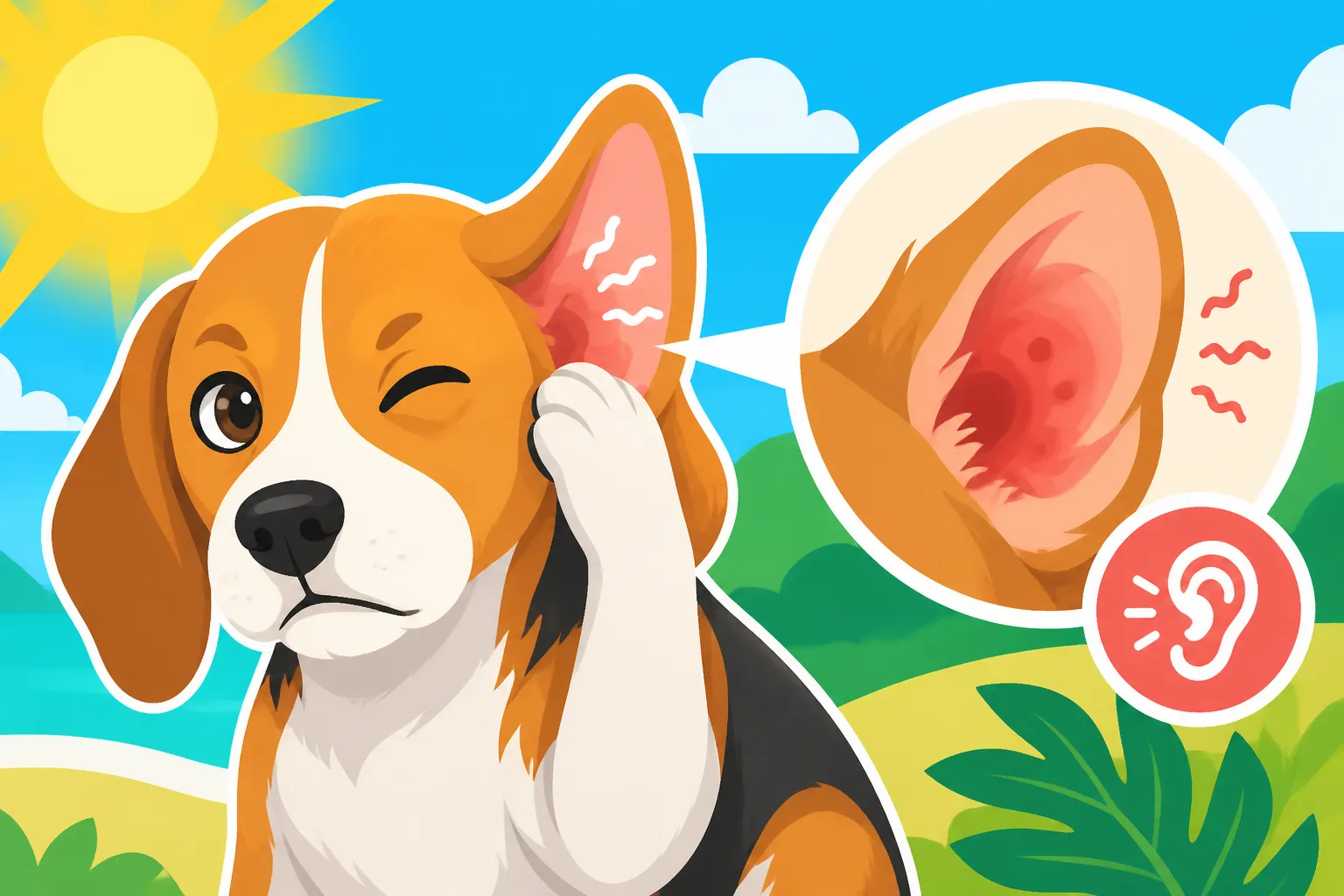
Beyond the smell, take a good look inside their ear flap and canal. You might see a discharge that's reddish-brown, dark brown, or even black, often resembling coffee grounds or dark, waxy buildup. This isn't just regular ear wax; it's a tell-tale sign of yeast overgrowth. The skin lining the ear canal might also appear red and inflamed, perhaps even swollen or thickened. In chronic cases, the ear leather itself can become thick and leathery, sometimes even developing bald patches or scabbing from constant scratching. You might also notice greasy or oily residue around the ear opening. Keeping an eye out for these visual cues is crucial, as they are often among the first Beagle Ear Infection Symptoms to Catch Early.
Behavioral Clues to Watch For
Your Beagle might not be able to tell you in words that their ears hurt, but they certainly communicate it through their behavior. Any change in their usual habits, especially those involving their head and ears, warrants investigation. The most obvious sign is excessive scratching or pawing at their ears. You might notice them using a back paw, or even rubbing their ears frantically on the carpet, furniture, or against your leg. It's an itch that just can't be satisfied.
Another common behavior is head shaking. It might start subtly, a little twitch now and then, but as the irritation grows, they can start violently shaking their head, sometimes accompanied by a yelp if the ear is particularly painful. If your Beagle flinches, pulls away, or vocalizes when you try to touch or examine their ears, that's a clear indicator of discomfort or pain. Sometimes, they might even hold their head tilted to one side, favoring the affected ear. In more severe cases, a persistent infection can lead to a general malaise – they might be less playful, have a decreased appetite, or just seem generally grumpy and withdrawn. It’s important to remember that some of these behavioral signs, like head shaking and scratching, can also point to other ear issues, such as Telling Beagle Ear Mites From an Infection, which is why a proper veterinary diagnosis is so important.
| Symptom | Yeast Infection | Bacterial Infection | Ear Mites |
|---|---|---|---|
| Odor | Yeasty, sweet/sour | Foul, pungent | Minimal or mild |
| Discharge Color | Reddish-brown, dark brown, black | Yellow, green, purulent | Dark, crumbly (coffee grounds) |
| Itching/Scratching | Moderate to Severe | Moderate to Severe | Intense |
| Head Shaking | Common | Common | Common |
| Redness/Swelling | Common | Common | Less common initially |
| Pain on Touch | Common | Common | Variable |
Treating and Preventing Summer Yeast Ear Infections
Once you suspect a yeast ear infection, the temptation might be to grab whatever ear cleaner you have on hand or search for quick home remedies. However, with Beagles and their sensitive ears, a professional approach is always best. Getting an accurate diagnosis and then implementing a consistent treatment and prevention plan is crucial for their long-term ear health.
Veterinary Diagnosis and Treatment Plan
When you notice any of the signs we've discussed, the absolute first step is a trip to your veterinarian. Trying to guess what's going on or attempting to treat it yourself can actually make things worse. Your vet will perform a thorough examination of your Beagle's ears using an otoscope, looking for foreign bodies, ruptured eardrums, or other abnormalities. But the most important diagnostic tool for a suspected yeast infection is a cytology. This involves taking a swab of the ear discharge, spreading it on a slide, and examining it under a microscope. This allows the vet to confirm the presence of yeast (and often bacteria too, as they frequently co-exist) and rule out other issues like ear mites. This simple test is incredibly important because treating a yeast infection with a medication meant for bacteria, or vice versa, won't work and can prolong your Beagle's suffering.
Once a yeast infection is confirmed, your vet will prescribe an appropriate treatment plan, which almost always includes antifungal ear drops. These drops typically contain ingredients like ketoconazole, clotrimazole, or miconazole, which specifically target yeast. In some cases, if the infection is particularly severe or chronic, your vet might also prescribe oral antifungal medications, like fluconazole, in addition to the drops. It is absolutely vital to follow your veterinarian's instructions precisely regarding the dosage and duration of treatment. Even if your Beagle's ears seem to improve after a few days, finishing the entire course of medication is crucial to eradicate the infection completely and prevent a quick recurrence. Stopping early is one of the most common reasons these infections bounce back. Never, ever use human medications or any "natural" home remedies in your dog's ears without explicit veterinary approval, as many can be ineffective, irritating, or even harmful. When dealing with recurring ear issues, having a good pet insurance plan like Healthy Paws can be a real lifesaver, as repeated vet visits and medications can really add up.
Proactive Prevention Strategies for Beagle Ears
Prevention is truly the best medicine when it comes to Beagle ear infections, especially during the summer months. Being proactive can save your dog a lot of discomfort and you a lot of stress.
First and foremost, regular ear cleaning is non-negotiable for Beagles. Aim for a thorough cleaning once a week, or more often if your dog is prone to infections or has been swimming. Your vet can recommend a good, appropriate ear cleaning solution. The key is to use a solution specifically designed for dogs, as human products can alter the delicate pH balance in their ears. Gently massage the base of the ear to work the cleaner around, then let your Beagle shake their head, and finally, wipe away any discharge with cotton balls or soft gauze. Avoid using cotton swabs in the ear canal, as these can push debris further down and potentially damage the eardrum. For a comprehensive guide, check out Cleaning a Beagle Ear Before Infection Starts.
Secondly, thorough drying of ears after any exposure to moisture is critical. Whether your Beagle has been swimming in the lake, had a bath, or just got caught in a summer downpour, those ears need to be dried! Use a towel to gently blot the inside of the ear flap and the opening of the canal. You can even use a small, soft piece of cotton to absorb moisture deeper in the canal, but again, don't jam it down. Some owners use a low-setting hairdryer held at a safe distance, making sure the air isn't too hot and doesn't blow directly into the canal. This small step can make a huge difference in preventing yeast from taking hold. Learn more about this crucial step in Drying Beagle Ears Thoroughly After a Bath.
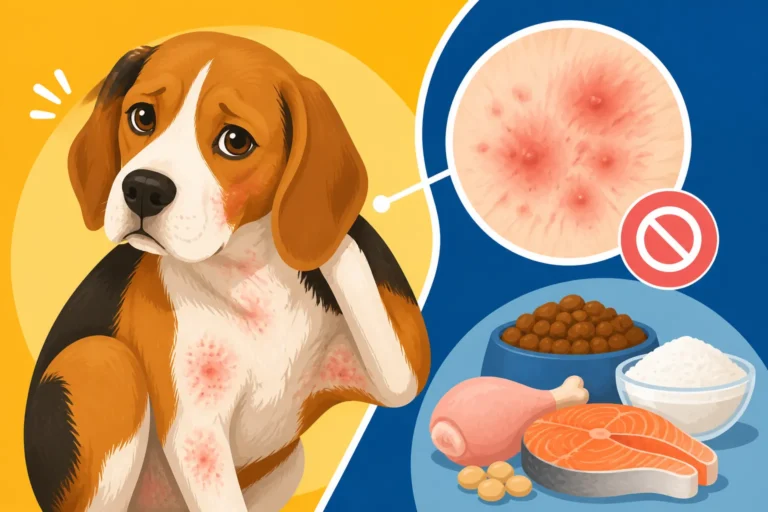
Thirdly, consider the role of diet and allergies. Many chronic ear infections, especially yeast, are actually secondary to underlying allergies – either environmental or food-related. If your Beagle suffers from frequent ear problems, it's worth discussing allergy testing or an elimination diet with your vet. Sometimes, simply changing their food to a novel protein or hypoallergenic formula can dramatically reduce ear inflammation and subsequent infections. Issues like Beagle Skin Allergies and Constant Itching often go hand-in-hand with recurrent ear issues.
Lastly, while not always necessary, judicious hair trimming around the ear canal opening can sometimes improve airflow for Beagles with very thick ear hair. This should be done carefully by a groomer or vet to avoid injury. Keeping the rest of their environment clean, ensuring bedding is regularly washed, and providing plenty of fresh water can also contribute to overall health and resistance to infection. There are many Beagle Ear Products That Are Safe to Use on the market, but always consult your vet before introducing new products into your routine.
Long-Term Management and When to Worry
For some Beagles, ear infections can become a chronic, frustrating issue that requires more than just seasonal vigilance. If your Beagle is experiencing recurrent yeast ear infections, meaning they come back even after seemingly successful treatment, it's a sign that there might be an underlying problem that needs to be addressed. This could be anything from undiagnosed allergies to a deeper anatomical issue, or even a systemic health condition like Beagle Hypothyroidism and the Weight It Puts On, which can weaken the immune system and make them more susceptible.
In these chronic cases, your veterinarian might suggest further diagnostics, such as allergy testing, a food elimination trial to identify Beagle Food Allergies Showing Up on the Skin, or even imaging of the ear canal if there's suspicion of polyps or other structural issues. Sometimes, referral to a veterinary dermatologist might be recommended. These specialists have advanced tools and knowledge to tackle the most stubborn ear problems. They can often devise a long-term management plan that might include specific ear medications, diet changes, or even immunotherapy for allergies.
When should you worry? You should be immediately concerned if your Beagle suddenly develops extreme pain, a significant head tilt, seems disoriented, or if the infection spreads to the outer ear causing swelling or an abscess. These situations warrant an emergency vet visit. Otherwise, recurring infections that simply won't clear up, despite diligent treatment, are a sign to push for a deeper investigation. It’s also worth considering the financial aspect of managing a chronic condition. If your Beagle frequently needs vet visits and medication for Chronic Beagle Ear Infections Adding Up Yearly, having pet insurance like Healthy Paws can significantly ease the burden, covering a large portion of those ongoing costs. Understanding What a Beagle Ear Infection Visit Costs can help you plan ahead for these scenarios.
Disclaimer
This article is intended for informational purposes only and is not a substitute for professional veterinary advice, diagnosis, or treatment. Always seek the advice of your veterinarian or other qualified animal health provider with any questions you may have regarding a medical condition.