Chronic Beagle Ear Infections Adding Up Yearly
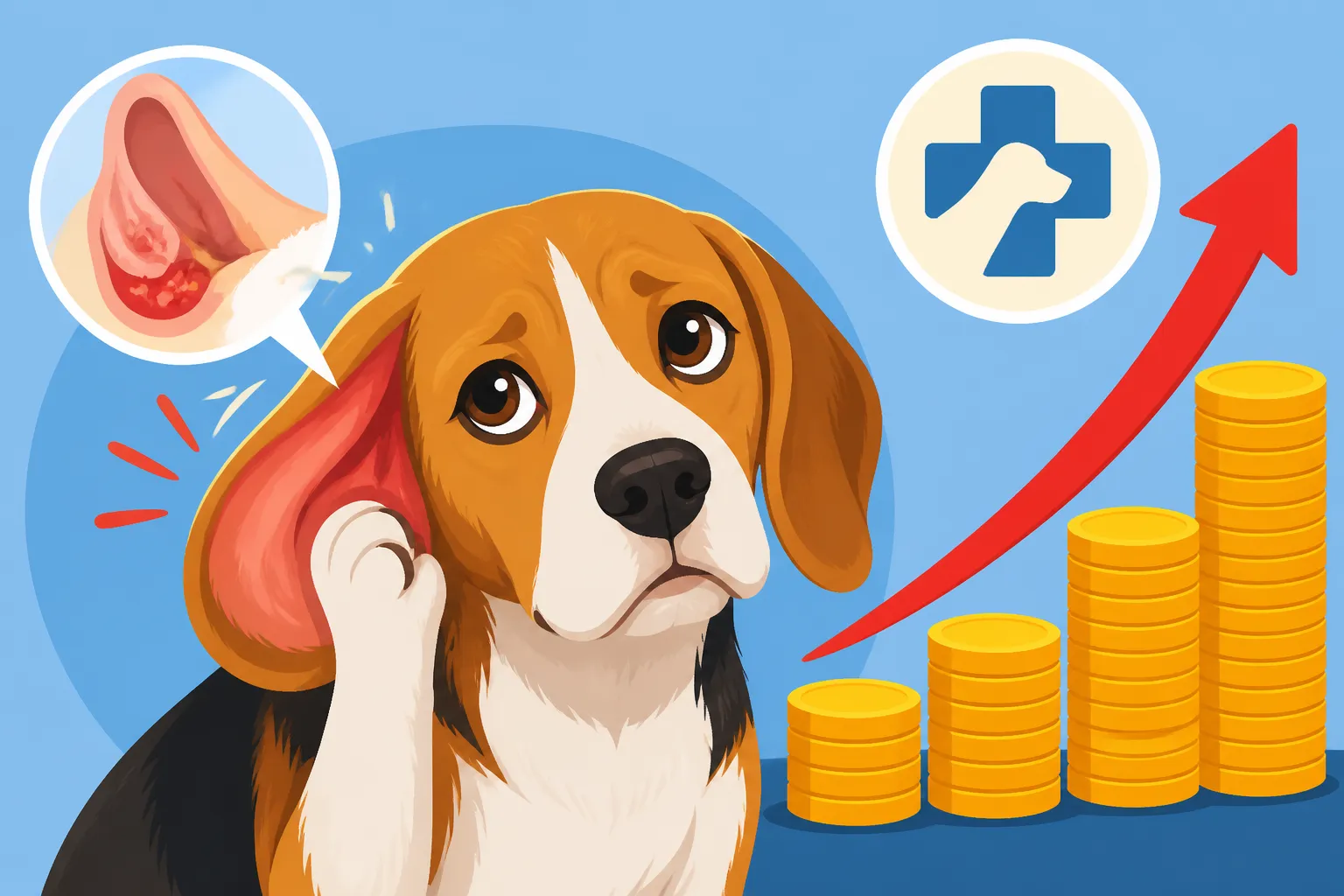
It's incredibly frustrating, isn't it? One minute your adorable Beagle is sniffing around happily, the next you notice that tell-tale head tilt, the incessant scratching, and that unmistakable odor signaling yet another ear infection. Many Beagle owners know this cycle all too well, feeling like they're constantly battling a losing war against their dog's ears, and watching the vet bills climb higher and higher each year. This guide is here to shed light on why chronic Beagle ear infections become such a persistent problem, break down the mounting costs associated with managing them, and offer realistic strategies for prevention and budgeting.
Why Your Beagle's Ears are a Perpetual Battleground
Beagles, with their iconic long, floppy ears, are unfortunately predisposed to ear infections. It’s not just bad luck; it’s a design flaw, in a way, stemming from their breed characteristics. Understanding why these infections keep cropping up is the first step toward gaining some control and easing both your Beagle’s discomfort and your wallet's strain.
The Anatomy of a Beagle's Ear Trouble
Those gorgeous, soft, velvety ears that hang so low are a major culprit. Unlike dogs with upright ears, a Beagle's long, pendulous ear flaps cover the ear canal opening, drastically reducing air circulation. This creates a warm, moist, dark environment – essentially a perfect petri dish for bacteria and yeast to flourish. Think of it like constantly wearing earmuffs, never letting the air hit your inner ear. Beyond the flap, the ear canal itself is often narrower and can have more hair than other breeds, further trapping moisture and debris.
When your Beagle is busy doing what Beagles do best – nose to the ground, exploring every scent – those long ears are dragging through all sorts of things: tall grass, mud, dust, pollen. All this can easily get into the ear canal, carrying irritants, allergens, and foreign bodies that set the stage for an infection. It's a combination of genetics and lifestyle that really stacks the deck against them. For a deeper dive into this, you might find our article on Why Beagle Ears Trap Moisture So Well particularly insightful.
Common Culprits Behind Chronic Infections
It’s rarely just one thing causing repeat ear infections. Often, it's a combination of factors. Bacterial infections are very common, but yeast infections are equally notorious, especially in humid climates or after swimming, due to the trapped moisture. Sometimes, an ear infection starts as one type, and then a secondary infection develops, making treatment more complex.
Beyond these microbial invaders, allergies play a massive role in chronic ear problems. Many Beagles suffer from environmental allergies (atopy) or food allergies, and one of the most common ways these manifest is through itchy, inflamed ears. If your Beagle is constantly scratching its ears, shaking its head, or you notice redness and discharge, it's important to investigate underlying allergies. This is often where the "chronic" aspect really sets in, because if the underlying allergy isn't managed, the infections will keep returning, no matter how many rounds of drops you use. It's a frustrating cycle, and recognizing Beagle Yeast Ear Infections That Keep Returning is key.
The Direct Financial Hit of Recurring Vet Visits
When your Beagle has a chronic ear infection, it's not just a one-and-done vet visit. You’re often looking at a series of appointments, diagnostics, and medications that can really add up over time. It’s easy to feel like you’re constantly at the vet's office, and the costs reflect that consistent need for intervention.
Initial Diagnostics and Treatment Costs
Every time your Beagle's ear flares up, a trip to the vet is usually necessary. An initial visit typically includes a consultation fee, an otoscopic examination to look deep into the ear canal, and often a cytology test. This involves taking a swab of the ear discharge and looking at it under a microscope to identify whether it's bacteria, yeast, or mites. This is crucial for prescribing the right medication. Then, there's the cost of the prescribed ear drops or oral medications, which can vary depending on the type of infection and its severity. In some cases, if the ear is very painful or packed with debris, a professional ear cleaning under sedation might be recommended, which is a significantly higher expense. For a clearer picture of what a single episode might entail, our guide on What a Beagle Ear Infection Visit Costs goes into more detail.
When infections become chronic, the diagnostics can become more advanced. The vet might recommend a bacterial culture and sensitivity test, which sends a sample to a lab to determine the specific type of bacteria and which antibiotics will be most effective against it. This is particularly common if standard antibiotics aren't working or if the infection is resistant. Each of these steps, while essential for proper treatment, adds to the overall bill. Many pet insurance providers, like Healthy Paws, offer plans that can help with the costs of these diagnostic tests and treatments, especially for chronic conditions once a policy is in place and after any waiting periods.
Escalating Costs for Resistant or Complicated Cases
Chronic ear infections often lead to more complicated scenarios. The continuous inflammation can cause structural changes in the ear canal, such as thickening of the skin or calcification, which makes future infections even harder to treat and can even narrow the canal, preventing medication from reaching its target. In these instances, your vet might refer you to a veterinary dermatologist. A specialist visit, including advanced diagnostics, could involve much higher fees. They might explore more aggressive treatments, including specialized flush procedures or even discuss surgical options if the ear canal is severely damaged or permanently narrowed.
For Beagles with persistent issues tied to underlying allergies, the cost of managing those allergies also needs to be factored in. This could mean allergy testing, which might include intradermal skin testing or blood tests, followed by immunotherapy (allergy shots or oral drops) or specialized diets. These are ongoing, long-term investments in your Beagle’s health that directly impact the frequency and severity of ear infections. If your Beagle is scratching all over, not just their ears, our article on Beagle Skin Allergies and Constant Itching could offer further insights.
Beyond the Vet: Ongoing Costs and Management
The financial burden of chronic ear infections doesn't stop at the vet's office. There are numerous ongoing expenses for preventative care, specialized products, and even dietary changes that contribute to the yearly tally. Proactive management is key, but it does come with its own set of regular expenditures.
Preventative Care and Maintenance Supplies
Once your Beagle has had a few ear infections, your vet will almost certainly recommend a rigorous at-home ear care routine. This means investing in good quality ear cleaning solutions, often specialized ones designed to dry the ear canal, acidify the environment, or provide antifungal/antibacterial properties. You'll likely need cotton balls or gauze, and sometimes even cotton swabs for cleaning the outer folds of the ear, though never deep into the canal. These supplies need to be replenished regularly, sometimes every month, especially if your Beagle is prone to recurrent issues or enjoys swimming. You can often find a good selection of these products, like medicated wipes or ear cleansers, on online retailers such as Chewy, which can make consistent purchasing easier.
The cost of these maintenance supplies, while seemingly small on their own, really adds up over a year, particularly if you have a sensitive-eared Beagle that needs daily or every-other-day cleaning. It's an essential part of preventing new flare-ups, but it’s a commitment, both in time and money. Our article on Cleaning a Beagle Ear Before Infection Starts provides excellent tips on how to properly perform this crucial routine at home.
Dietary Adjustments and Specialized Foods
For Beagles whose chronic ear infections are linked to food allergies, diet changes become a significant ongoing expense. Identifying the specific allergen can be a long process, often involving an elimination diet where your Beagle eats a novel protein source or a hydrolyzed protein diet for several weeks. These specialized prescription diets are often more expensive than standard commercial dog food. Once the allergen is identified, maintaining your Beagle on a specific diet or even a fresh food option can be costly. For instance, services like Ollie provide personalized, human-grade food that could be beneficial for Beagles with dietary sensitivities, but they do represent a higher price point than traditional kibble.
Even if a prescription diet isn't necessary, some owners find that certain supplements, like omega-3 fatty acids, can help reduce inflammation associated with allergies, thus indirectly benefiting ear health. These supplements also add to the monthly budget. The key is that these aren't just one-off purchases; they are part of a long-term management strategy to keep those ears healthy and infection-free. Managing Beagle Food Allergies Showing Up on the Skin can be a complex but rewarding process that significantly improves their overall comfort.
Budgeting for Chronic Ear Infections and Proactive Prevention
Facing the reality of chronic ear infections can feel overwhelming, both emotionally and financially. However, with a solid strategy that combines proactive prevention and smart budgeting, you can significantly ease the burden and improve your Beagle's quality of life.
The Power of Prevention and Early Intervention
The best way to cut down on costs is to prevent infections from taking hold in the first place. Consistent, gentle ear cleaning is paramount for Beagles. Establish a weekly routine, or even more frequently if your Beagle swims or has known issues, using a vet-approved ear cleaner. Dry the ears thoroughly after baths or swims, ensuring no moisture remains trapped. Regular check-ups with your vet can also catch early signs of inflammation before it escalates into a full-blown, painful infection requiring expensive treatment. Early intervention means less severe infections, often simpler treatments, and ultimately, lower costs.
If allergies are a factor, diligently following your vet's recommendations for allergy management, whether through medication, diet, or immunotherapy, will reduce the frequency of flare-ups across the board, not just in the ears. Maintaining a healthy weight for your Beagle can also help with overall inflammation and make it easier to examine and clean their ears. It’s a holistic approach that pays dividends. Our guide on Beagle Ear Cleaning as a Weekly Job gives detailed steps to make this routine effective.
Financial Planning and Pet Insurance Considerations
When you have a Beagle prone to chronic conditions, financial planning becomes crucial. Setting aside a dedicated emergency fund for veterinary care can provide a safety net for unexpected flare-ups or new diagnoses. Even a small amount saved each month can accumulate into a substantial fund over time. Alternatively, pet insurance can be a game-changer for managing the costs of chronic ear infections, especially if the policy is put in place before the condition is diagnosed. While specific prices and coverage details vary greatly between providers and plans, many reputable companies, including Healthy Paws, offer coverage for illnesses, including chronic conditions.
When researching pet insurance, pay close attention to what's covered for chronic conditions, waiting periods, deductibles, and reimbursement percentages. It’s worth noting that pre-existing conditions are typically excluded, so getting a policy when your Beagle is young and healthy is ideal. For a comprehensive look at how these plans work, you can explore our article on Beagle Pet Insurance and What It Runs a Month. Thinking ahead and planning for these predictable yet unpredictable costs can make all the difference in providing your Beagle with the best possible care without breaking the bank.
Managing Your Beagle's Ear Health and Your Budget
Dealing with chronic ear infections in your Beagle is a marathon, not a sprint. It demands patience, consistency, and a realistic understanding of the financial commitment involved. By being proactive with preventative care, diligent with at-home cleaning, and thoughtful about financial planning, you can significantly reduce the frequency and severity of these frustrating infections. Remember, your vet is your best partner in this journey, guiding you through diagnostics, treatment, and long-term management strategies. With dedication, you can keep your Beagle comfortable, happy, and smelling sweet, even with those adorable, floppy ears.
| Aspect of Cost | Initial Infection Episode (Estimate) | Chronic Infection Management (Yearly Estimate) | Notes |
|---|---|---|---|
| Vet Exam & Otoscopy | Medium | Medium (multiple times/year) | Cost for each visit. Chronic issues mean more visits. |
| Ear Swab/Cytology | Low-Medium | Low-Medium (multiple times/year) | Necessary for diagnosis, adds to each visit. |
| Ear Cleaning (Vet) | Medium-High | Medium-High (if sedated) | May be needed for severe cases or impacted ears. |
| Medication (Drops/Oral) | Medium | High (ongoing refills) | Varies by drug. Chronic issues mean continuous need for medication. |
| Culture & Sensitivity | High | High (if resistant infection) | Specialized test for difficult cases. |
| Specialist Consult | Very High | Very High (if referred) | For severe or resistant cases, often involves advanced diagnostics. |
| Preventative Cleaners | Low (initial purchase) | Low-Medium (ongoing refills) | Crucial for at-home maintenance. Easily purchased from retailers like Chewy. |
| Allergy Testing/Meds | High (if indicated) | Very High (ongoing for life) | If underlying allergies are a cause, these are significant, long-term costs. |
| Prescription Diet | N/A | High (ongoing food cost) | For food allergies, specialized diets like those from Ollie can be an option but are more expensive. |
| Total Impact | Significant | Very Significant & Ongoing | Adds up rapidly and consistently throughout your Beagle's life. |
Disclaimer
This article is for general informational purposes only and does not constitute professional advice. Laws, prices and regulations vary by location and change over time. Consult a qualified professional for guidance on your specific situation.